
For many, the mention of “tax returns” conjures images of spreadsheets, deadlines, and a certain degree of fiscal anxiety. However, for those with an eye for adventure, a passion for travel, or an interest in the vibrant lifestyle offered by the Centennial State, understanding the rhythm of Colorado’s tax season can offer unique insights. Far from being a dry administrative detail, the timing of tax filings and potential refunds can subtly influence travel plans, long-term accommodation decisions, and even the strategic timing of an extended stay in the heart of the Rocky Mountains.
This article delves into the practical aspects of when Colorado typically begins accepting tax returns, but more importantly, it explores how this annual fiscal event intersects with the state’s unparalleled appeal as a premier destination for travel, tourism, and diverse lifestyles. Whether you’re a digital nomad considering a move to Denver, a family planning a summer adventure in Estes Park, or a luxury traveler eyeing the slopes of Aspen, a grasp of Colorado’s fiscal calendar can surprisingly inform your wanderlust and financial planning.
Understanding Colorado’s Tax Filing Season: More Than Just Deadlines
Like most states, Colorado follows a tax filing schedule that largely mirrors federal guidelines, but with its own specific nuances. For residents, part-year residents, and non-residents with Colorado-sourced income, understanding these timelines is crucial. Yet, beyond the immediate obligation, these dates also mark a significant period in the state’s annual cycle, one that can subtly impact everything from the availability of accommodations to the flow of tourist dollars.
Key Dates for Filing in the Centennial State
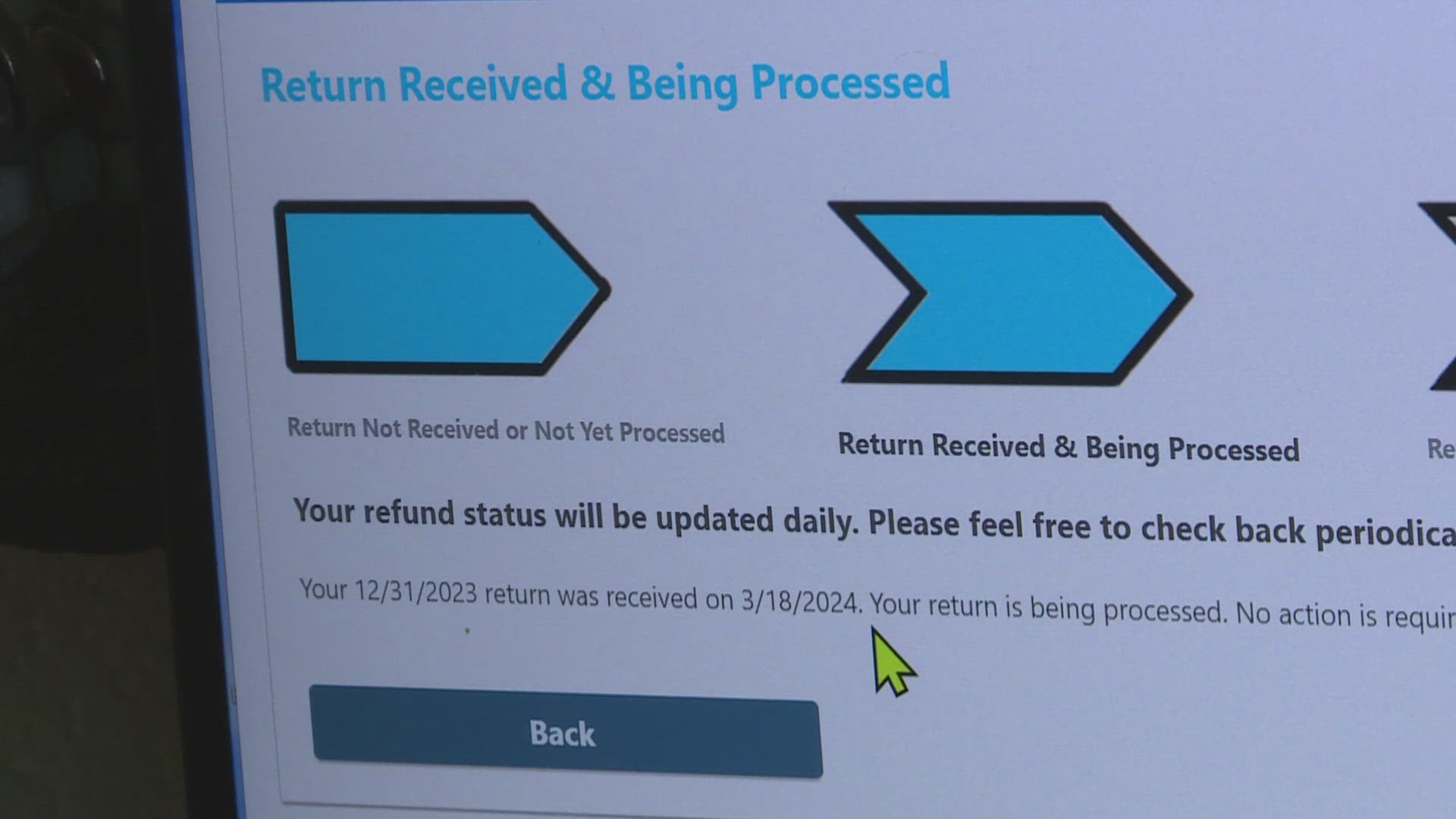
Generally, the Colorado Department of Revenue begins accepting state individual income tax returns in late January, aligning closely with the Internal Revenue Service (IRS) federal opening. This period typically allows taxpayers to begin submitting their returns, either directly or through tax software and preparers. The official deadline for most individual income tax filers is April 15th each year, or the next business day if April 15th falls on a weekend or holiday. This applies to both federal and state income taxes.
For those who need more time, an automatic extension can be requested, typically pushing the filing deadline to October 15th. However, it’s vital to remember that an extension to file is not an extension to pay. Any estimated tax liability must still be paid by the original April deadline to avoid penalties and interest.
For travelers, digital nomads, and individuals exploring extended stays or property investments in Colorado, these dates hold particular relevance:
- Seasonal Workers: Many individuals flock to Colorado’s ski resorts in winter or national parks in summer for seasonal employment. Understanding when returns are accepted and due is critical for managing their finances and planning their next move, whether it’s another season of adventure or a return home.
- Property Owners/Investors: Owning a vacation rental in Telluride or an investment property in Colorado Springs means dealing with state income tax on rental income. Navigating the tax calendar ensures compliance and helps in budgeting for property management expenses and potential tax liabilities.
- Digital Nomads and Remote Workers: As Colorado becomes an increasingly popular hub for remote work, individuals moving in and out of the state need to understand residency rules and filing requirements to avoid tax pitfalls. The tax season often provides a moment for reflection on where one’s primary tax nexus lies.
The Nexus of Taxes and Tourism: Seasonal Rhythms
While tax season might seem disconnected from the allure of Colorado’s majestic landscapes, there’s an interesting interplay. The spring filing deadline often coincides with a beautiful transition period in Colorado. March and April can still offer fantastic late-season skiing in resorts like Vail and Breckenridge, while lower elevations begin to awaken with early spring hikes and blossoming wildflowers.
Moreover, the anticipated arrival of tax refunds can act as a financial catalyst for many, fueling discretionary spending on travel and leisure. For some, a refund might translate directly into booking a dream vacation package to explore Rocky Mountain National Park or securing a luxurious suite at The Broadmoor in Colorado Springs. This infusion of funds, particularly in late spring and early summer, can contribute to the vibrancy of the tourism economy, influencing everything from flight bookings to hotel occupancy rates.
For astute travelers, understanding these economic currents can even offer strategic advantages. Traveling during the shoulder seasons—just before the summer rush but after the main tax filing crunch—might present opportunities for better deals on flights and accommodations, as the initial wave of post-refund travel has yet to fully materialize.
Colorado’s Allure: A Lifestyle Destination Through Every Season
Beyond the administrative details of tax season, Colorado stands as a beacon for diverse lifestyles, offering an unparalleled blend of adventure, culture, and natural beauty. This is where the website’s core themes of Travel, Hotels, Tourism, Accommodation, Landmarks, and Lifestyle truly shine. The state’s appeal transcends specific dates, beckoning visitors and residents year-round with its varied topography, vibrant cities, and serene wilderness.
From Mountain Peaks to Urban Retreats: Diverse Travel Experiences
Colorado is a mosaic of experiences. Its reputation as a ski haven is legendary, with world-class resorts like Aspen, Vail, Telluride, Steamboat Springs, and Breckenridge drawing millions of snow sports enthusiasts annually. These destinations offer not just incredible slopes but also vibrant apres-ski scenes, luxury shopping, and gourmet dining that define the high-end travel experience.

But Colorado’s charm extends far beyond winter sports.
- Summer Adventures: The warmer months unlock a new realm of outdoor activities. Hiking to the summit of Pikes Peak, exploring the ancient cliff dwellings of Mesa Verde National Park, whitewater rafting through the Arkansas River, or camping amidst the towering dunes of Great Sand Dunes National Park are just a few of the adrenaline-pumping or awe-inspiring options.
- Urban Explorations: Cities like Denver offer a sophisticated urban experience with a thriving arts scene, craft breweries, diverse culinary landscape, and professional sports teams. Boulder is renowned for its outdoor lifestyle, intellectual environment, and scenic Flatirons, while Fort Collins is celebrated for its historic downtown and microbreweries. Even smaller cities like Grand Junction serve as gateways to unique geological formations and wine country.
- Cultural Immersion: The state boasts iconic landmarks like Red Rocks Amphitheatre, an unparalleled concert venue carved into stunning natural rock formations, and the surreal landscapes of Garden of the Gods in Colorado Springs. From historic mining towns to vibrant indigenous cultures, Colorado offers rich opportunities for cultural tourism.
Whether you’re seeking a budget-friendly road trip, a luxurious spa retreat in Glenwood Springs, or a family-friendly adventure park, Colorado caters to every travel preference and lifestyle.
Accommodation Choices for Every Traveler
The diversity of Colorado’s travel experiences is mirrored in its vast array of accommodation options. From rustic cabins nestled in the wilderness to opulent five-star resorts, there’s a perfect place to stay for every budget and desire.
- Luxury Resorts and Hotels: Destinations like Aspen, Vail, and Colorado Springs are home to some of the world’s most acclaimed luxury properties. The St. Regis Aspen Resort offers unparalleled service and ski-in/ski-out access, while the Four Seasons Resort Vail provides an exquisite mountain retreat. The Broadmoor, a historic landmark itself, offers a grand, all-inclusive resort experience with golf courses, a spa, and multiple dining options. These establishments cater to discerning travelers seeking top-tier amenities and bespoke experiences, often funded by a carefully planned budget that might include that anticipated tax refund.
- Boutique Hotels and Unique Stays: Beyond the major chains, Colorado boasts charming boutique hotels, bed-and-breakfasts, and unique glamping experiences that offer a more intimate connection to the local culture and landscape.
- Apartments and Villas for Extended Stays: For those planning longer visits, perhaps digital nomads or families seeking a more home-like environment, options range from furnished apartments in Denver to spacious mountain villas. Websites and local agencies offer a wide selection, often with amenities that cater to long-term residents, making them ideal for those who decide to extend their stay through a tax season or beyond.
- Budget-Friendly Options: Hostels, campgrounds, and economical motels provide excellent options for budget-conscious travelers who still want to experience all that Colorado has to offer without breaking the bank. The state’s extensive network of national and state parks also offers fantastic camping opportunities.
The choice of accommodation often reflects a traveler’s budget and lifestyle. For those with a significant tax refund, it might be the perfect opportunity to splurge on that bucket-list stay at a five-star resort. For others, a carefully managed budget, potentially bolstered by a modest refund, allows for an extended exploration of the state’s natural wonders through more economical lodging.
Planning Your Colorado Journey: Integrating Fiscal Prudence with Wanderlust
Ultimately, whether you’re inquiring about Colorado’s tax return acceptance dates for compliance or for strategic financial planning, the goal is often to enhance one’s ability to live, work, or travel in this magnificent state. Integrating fiscal prudence with a passion for wanderlust is a hallmark of intelligent travel and lifestyle choices.
Budgeting for Colorado: When Funds Align with Fun
A key aspect of any travel or lifestyle decision is budgeting. For those visiting or residing in Colorado, understanding personal finances, including tax obligations and potential refunds, is paramount. A well-timed tax refund can significantly impact your travel budget, potentially upgrading your flights, extending your stay, or allowing you to indulge in experiences previously out of reach.
Consider these budgeting tips related to the tax season:
- Pre-Plan with Refunds in Mind: If you anticipate a substantial refund, consider how it could enhance your Colorado experience. Could it fund a guided mountaineering trip, a hot air balloon ride over the Front Range, or a stay at a more luxurious property?
- Factor in State Taxes for Long-Term Stays: If you’re considering a longer-term stay or remote work in Colorado, research the state’s income tax rates and local taxes (e.g., lodging taxes) to get a realistic picture of your overall cost of living or travel. This helps in making informed decisions about where to base yourself and for how long.
- Seasonal Pricing: Prices for accommodations, flights, and activities fluctuate significantly with the seasons. Traveling during the “off-season” or “shoulder season” (e.g., late spring/early fall) can offer considerable savings, allowing your budget, perhaps supplemented by a tax return, to stretch further.
Aligning your financial calendar with your travel aspirations allows for a more fulfilling and less stressful experience in Colorado.

Remote Work and Residency in Colorado: A Tax-Savvy Perspective
Colorado has long been a magnet for those seeking an active outdoor lifestyle combined with career opportunities. In the age of remote work, its appeal has only grown, drawing digital nomads and remote professionals who can work from anywhere. For this demographic, the question of “When will Colorado accept tax returns?” takes on a deeper significance, as it directly relates to establishing residency and managing tax obligations.
Establishing residency in Colorado has specific legal and tax implications. Generally, if you intend to make Colorado your permanent home and spend more than 183 days a year in the state, you are likely considered a resident for tax purposes. This means your worldwide income could be subject to Colorado state income tax. Understanding the tax filing period is essential for newly established residents to comply with state law and integrate smoothly into the local economy.
For those considering a move or an extended remote work stint in Colorado:
- Consult a Tax Professional: Before making significant residency decisions, it’s wise to consult a tax professional specializing in multi-state taxation. They can provide tailored advice on residency rules, filing requirements, and potential tax planning strategies.
- Embrace the Lifestyle: Beyond the tax implications, Colorado offers a compelling lifestyle for remote workers. The proximity to nature, vibrant communities like Boulder and Denver, and a strong emphasis on well-being provide an ideal backdrop for a balanced work-life equation. Knowing your fiscal responsibilities are in order frees you up to fully immerse yourself in these benefits.
In conclusion, while the query “When will Colorado accept tax returns?” addresses a specific administrative timeline, its true value lies in how it frames broader lifestyle and travel considerations within the Centennial State. From planning your next mountain getaway to making a long-term commitment to a Colorado lifestyle, understanding these fiscal rhythms is another step toward a seamless and enriched experience. As the tax season unfolds each year, it serves as a subtle reminder of the financial currents that underpin our ability to explore, live, and thrive in one of America’s most captivating states. So, get your returns filed, and then, let the adventures begin!
LifeOutOfTheBox is a participant in the Amazon Services LLC Associates Program, an affiliate advertising program designed to provide a means for sites to earn advertising fees by advertising and linking to Amazon.com. Amazon, the Amazon logo, AmazonSupply, and the AmazonSupply logo are trademarks of Amazon.com, Inc. or its affiliates. As an Amazon Associate we earn affiliate commissions from qualifying purchases.