
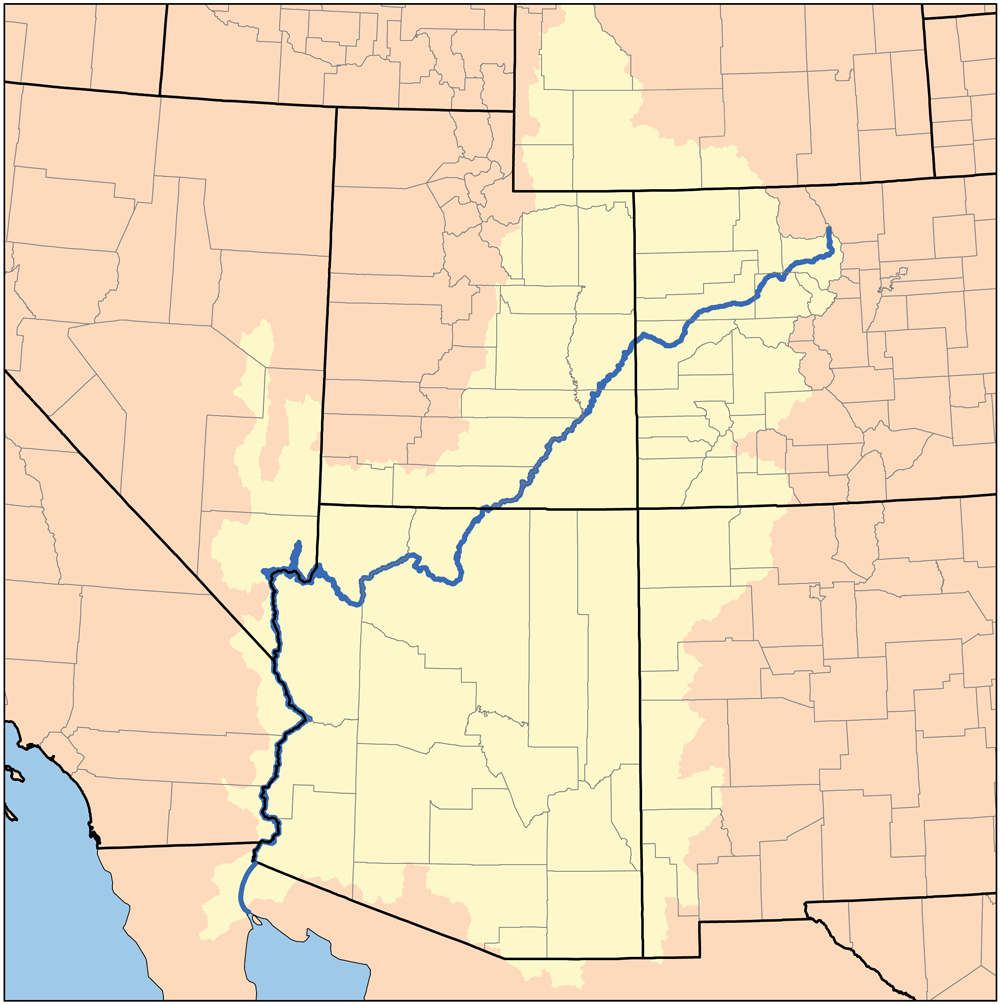
The Colorado River is more than just a waterway; it’s an lifeline, a geological masterpiece, and a boundless source of adventure that carves its way through the heart of the American Southwest. From its humble beginnings as a trickle of snowmelt to its colossal canyons and vast reservoirs, this iconic river shapes landscapes, cultures, and economies across seven U.S. states and two Mexican states. For travelers, adventurers, and those seeking to understand the pulse of this incredible region, tracing the river back to its very source is an expedition into the wild heart of Colorado itself. Understanding where the Colorado River begins not only reveals a stunning natural landmark but also unlocks a myriad of travel opportunities, from serene mountain retreats to exhilarating outdoor activities, all steeped in the rich history and vibrant local culture of the Rocky Mountains. Join us as we journey to the pristine headwaters, exploring the destinations, accommodations, and unique experiences that await along this legendary river’s earliest stretches.

Tracing the Colorado River’s Origins
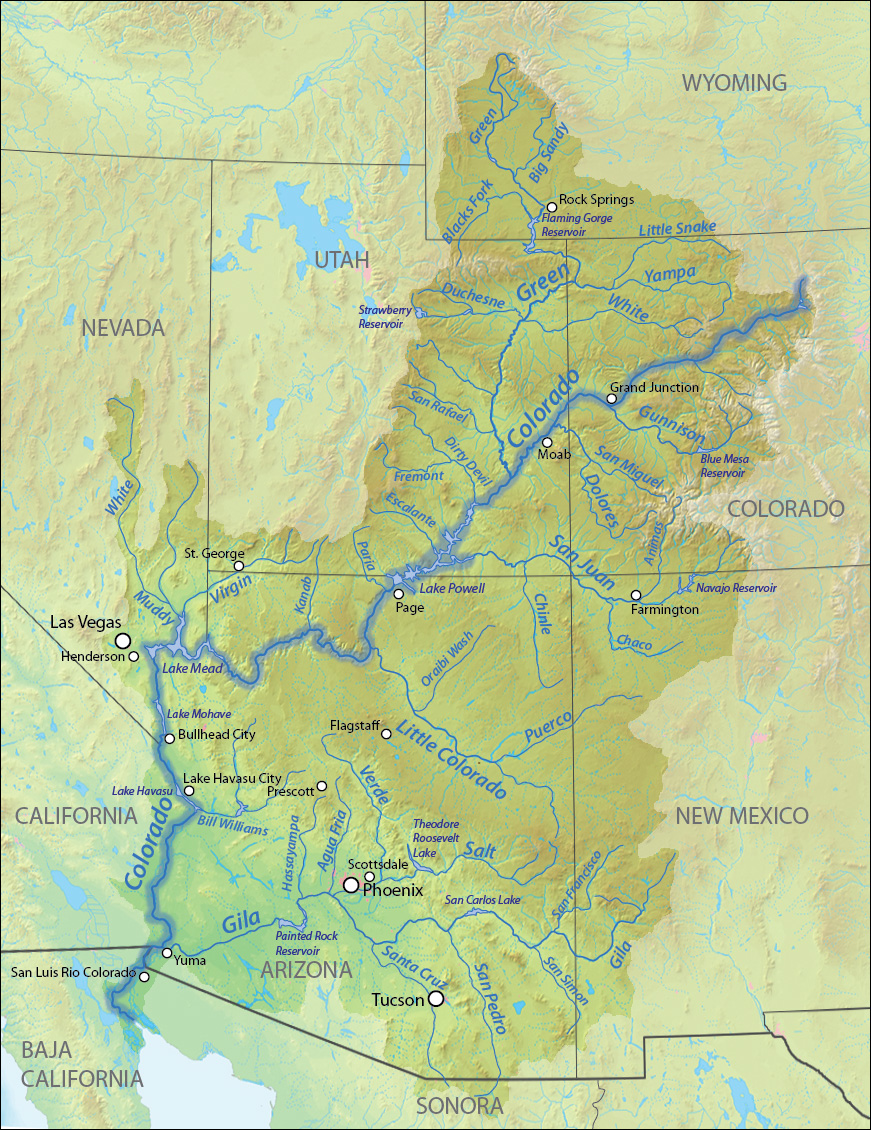
The quest to pinpoint the exact origin of a river as grand as the Colorado River can be an inspiring adventure. While many might picture vast glaciers or dramatic springs, the truth is often more subtle and equally breathtaking. The source lies high in the majestic Rocky Mountain National Park, a place renowned for its soaring peaks, alpine tundra, and abundant wildlife.
The True Headwaters: La Poudre Pass
Deep within the pristine wilderness of Rocky Mountain National Park, specifically at La Poudre Pass, you’ll find the official designated source of the Colorado River. Situated at an impressive elevation of over 10,175 feet (3,101 meters), this location is far from the arid deserts the river later traverses. Here, the river begins its monumental journey as a modest stream fed by melting snowpack from the surrounding peaks.
La Poudre Pass is a place of profound natural beauty and quiet reverence. It sits on the western side of the Continental Divide, the hydrographic backbone of North America that dictates whether waters flow east towards the Atlantic or west towards the Pacific. This particular spot is a testament to nature’s power, where the subtle drip of snowmelt coalesces into the nascent river that will eventually carve the Grand Canyon. For travelers seeking a unique connection to nature, visiting the headwaters offers an unparalleled experience – a chance to stand at the very beginning of one of the world’s most significant rivers, surrounded by subalpine forests and meadows teeming with life. It’s a destination that speaks to the soul of any explorer, promising not just a scenic view but a profound sense of geological wonder.
A Journey Through Rocky Mountain National Park
To reach La Poudre Pass and explore the nascent stages of the Colorado River, visitors typically venture into Rocky Mountain National Park. This iconic national park is a destination in itself, offering a wealth of attractions and experiences for every type of traveler. The journey through the park to the headwaters provides spectacular panoramic views and opportunities for wildlife viewing, with elk, bighorn sheep, and marmots commonly sighted.
One of the most famous routes is Trail Ridge Road, the highest continuous paved road in North America, which offers breathtaking vistas as it crosses the Continental Divide. While Trail Ridge Road does not lead directly to La Poudre Pass, it provides access to various trailheads and visitor centers that can guide you towards the western side of the park where the river truly begins. Hiking trails range from easy strolls through lush valleys to challenging ascents to alpine lakes, allowing visitors to immerse themselves fully in the pristine environment.
For those planning to stay near the park, charming gateway towns offer a wide array of accommodations and amenities. On the eastern side, Estes Park serves as the bustling main entrance, providing everything from historic lodges like the Stanley Hotel, famous for its grandeur and ghost stories, to cozy cabins and modern vacation rentals. On the western side, the tranquil town of Grand Lake, nestled on Colorado’s largest natural lake, offers a more laid-back atmosphere with lakeside resorts, family-friendly apartments, and charming villas. These towns not only serve as convenient bases for park exploration but also boast their own unique attractions, local eateries, and cultural experiences, making them integral parts of any Colorado River headwaters expedition.
Beyond the Source: Early Journey and Attractions
Once past its humble origins at La Poudre Pass, the Colorado River begins to gain momentum, transforming from a mountain stream into a more substantial river. This early stretch, flowing westward from Rocky Mountain National Park through Grand County and beyond, offers a different kind of beauty and an abundance of recreational opportunities that highlight the river’s dynamic character.
Fishing and Outdoor Adventures in Grand County
As the Colorado River meanders through Grand County, it matures into a prime destination for outdoor enthusiasts. This region is particularly famous for its exceptional fly-fishing. Anglers from around the world flock here to cast their lines in pursuit of various trout species, including rainbow, brown, and brook trout, in the river’s clear, cold waters. The scenic backdrop of the Rocky Mountains only adds to the allure of a day spent on the riverbanks.
Beyond fishing, the upper Colorado River provides excellent opportunities for whitewater rafting and kayaking, especially in sections where the river picks up pace. While the initial stretches may be gentler, offering scenic floats perfect for families, further downstream, areas near towns like Kremmling present more thrilling rapids. Guided rafting trips are readily available, catering to all skill levels and providing an exhilarating way to experience the river’s power firsthand.
For those who prefer to stay on land, Grand County offers a vast network of hiking and biking trails, ranging from easy riverside paths to challenging mountain climbs. Visitors can explore dense forests, discover hidden waterfalls, and enjoy panoramic views of the surrounding wilderness. After a day of adventure, the therapeutic waters of Hot Sulphur Springs offer a perfect way to relax and rejuvenate, providing natural mineral baths in a historic setting. Accommodation in this region varies from rustic fishing lodges and cozy cabins to comfortable vacation rentals, often providing direct access to outdoor activities.
Scenic Drives and Charming Towns Along the Upper Colorado
The early journey of the Colorado River is also defined by captivating scenic drives and a collection of charming mountain towns, each offering its own unique flavor of Colorado hospitality and attractions. The Colorado River Headwaters Scenic Byway provides a spectacular route that hugs the river, revealing breathtaking vistas and inviting travelers to stop and explore.
Towns like Fraser and Winter Park are particularly popular. Winter Park is renowned as a premier ski destination in the colder months, transforming into a hub for mountain biking, hiking, and zip-lining during the summer. These vibrant communities offer a mix of boutique shops, art galleries, and diverse dining options, from casual cafes to fine dining experiences featuring local ingredients.
Further west, the river flows towards Glenwood Springs, a historic town famous for its immense natural hot springs. The Glenwood Hot Springs Resort boasts the world’s largest hot spring pool, providing a luxurious and relaxing experience. Adjacent to this, the Glenwood Caverns Adventure Park offers thrilling cave tours and exhilarating rides perched on the edge of cliffs overlooking the Colorado River. Glenwood Springs provides a wide range of accommodation choices, from historic hotels and charming bed & breakfasts to modern resorts with comprehensive amenities, ensuring a comfortable stay for all visitors. This segment of the river’s journey truly showcases the blend of natural wonder, adventure, and welcoming community spirit that defines Colorado.
Planning Your Colorado River Headwaters Expedition
Embarking on a journey to the source of the Colorado River and exploring its early reaches is an unforgettable experience, but proper planning is key to maximizing your adventure. Considering the timing, packing essentials, and understanding the diverse accommodation and dining options will ensure a seamless and enjoyable trip.
Best Time to Visit and What to Pack
The best time to visit the Colorado River headwaters region largely depends on your desired activities.
- Summer (June to August) offers the warmest weather and full access to all areas, including Trail Ridge Road in Rocky Mountain National Park. It’s ideal for hiking, camping, and whitewater rafting. However, it’s also the busiest season, so expect crowds and make accommodation bookings well in advance.
- Fall (September to October) brings stunning aspen foliage, cooler temperatures, and fewer crowds. This is an excellent time for scenic drives and hiking, though some higher elevation roads may begin to close towards late October due to snow.
- Late Spring (May to early June) sees melting snowpack, which can lead to powerful river flows for rafting. Wildflowers begin to bloom, and wildlife is active. Some trails and roads may still be closed due to snow, especially at higher elevations.
- Winter (November to April) transforms the region into a snowy wonderland, ideal for skiing, snowshoeing, and cross-country skiing, particularly around areas like Winter Park. Access to La Poudre Pass itself is generally not possible in winter due to snow closures.
Regardless of the season, packing layers is crucial, as mountain weather can change rapidly. Essential items include sturdy hiking boots, rain gear, sun protection (hat, sunglasses, high-SPF sunscreen), plenty of water, snacks, a map, and a camera. For Rocky Mountain National Park, remember to check for timed entry permits or entrance fees, especially during peak seasons.
Accommodation and Dining Experiences
The region surrounding the Colorado River headwaters and its early journey offers a diverse range of accommodation options to suit every preference and budget.
- In Estes Park, you can find everything from luxurious full-service resorts to quaint bed and breakfasts, and popular vacation rentals. The historic Stanley Hotel provides a unique, elegant stay.
- Grand Lake specializes in lakeside cabins, family-friendly resorts, and charming guesthouses, perfect for those seeking a more serene experience close to water activities.
- Moving west, towns like Fraser and Winter Park offer a mix of hotel suites, condominiums, and ski lodges that cater to both winter sports enthusiasts and summer adventurers.
- Glenwood Springs provides a blend of historic hotels, boutique accommodations, and modern resorts, many offering direct access to the famous hot springs.
Dining experiences are equally varied, reflecting the local culture and fresh produce. You’ll find rustic eateries serving hearty mountain fare, farm-to-table restaurants highlighting local ingredients, and international cuisine options in the larger towns. Don’t miss out on trying local Colorado specialties and craft beers. Many establishments offer outdoor seating with stunning mountain or river views, enhancing the overall dining experience.
Tailoring Your Trip: Lifestyle Choices
The journey to the Colorado River’s source can be customized to fit various travel lifestyles:
- Luxury Travel: Indulge in high-end spa resorts, private guided tours of Rocky Mountain National Park, and fine dining. Consider booking a luxurious villa in Grand Lake or a premium suite in Glenwood Springs for an elevated experience.
- Budget Travel: Camping in designated campgrounds, staying in hostels or budget-friendly motels, and opting for self-catering apartments can significantly reduce costs. Many activities like hiking and picnicking are free or low-cost.
- Family Trips: Look for resorts with kid-friendly amenities, larger suites, and vacation homes that offer space and comfort. Activities like easy hikes, visits to the Glenwood Caverns Adventure Park, and gentle rafting trips are perfect for all ages.
- Adventure Seekers: Embrace backcountry camping in Rocky Mountain National Park (with proper permits), tackle challenging whitewater rafting sections, or embark on multi-day hiking expeditions. Outfitters in towns like Kremmling and Glenwood Springs can arrange specialized adventure experiences.
- Romantic Getaways: Choose a secluded cabin, enjoy a couples’ massage at a hot springs resort, or explore the quiet beauty of the mountains on a scenic drive, followed by an intimate dinner.
By considering these lifestyle choices, every traveler can craft a personalized and enriching experience tracing the magnificent Colorado River back to its very beginning.
The journey to discover where the Colorado River begins is far more than a geographical inquiry; it’s an invitation to embark on an incredible adventure. From the serene trickle at La Poudre Pass in Rocky Mountain National Park to the burgeoning waterway flowing through Grand County and past vibrant towns like Glenwood Springs, this expedition offers a profound connection to nature, thrilling outdoor activities, and the warm hospitality of Colorado’s mountain communities. Whether you seek the quiet contemplation of the headwaters, the adrenaline rush of whitewater rafting, or the luxurious comfort of a mountain resort, the upper Colorado River region promises a wealth of experiences. It’s a journey that reveals not just the origin of a river, but the endless possibilities for travel, tourism, and unforgettable memories along its pristine early path.
LifeOutOfTheBox is a participant in the Amazon Services LLC Associates Program, an affiliate advertising program designed to provide a means for sites to earn advertising fees by advertising and linking to Amazon.com. Amazon, the Amazon logo, AmazonSupply, and the AmazonSupply logo are trademarks of Amazon.com, Inc. or its affiliates. As an Amazon Associate we earn affiliate commissions from qualifying purchases.