
For travelers exploring the diverse landscapes and vibrant cities of Connecticut, understanding local laws and customs is paramount to a seamless and enjoyable experience. As the legal landscape surrounding cannabis continues to evolve across the United States, visitors often find themselves asking: “Is pot legal in Connecticut?” The short answer is yes, adult-use cannabis is legal in Connecticut, but like many regulations, it comes with specific nuances and limitations that every traveler and resident should be aware of. This guide aims to demystify the cannabis laws in the Nutmeg State, providing essential information for anyone planning a visit, from where to purchase to responsible consumption and accommodation considerations.
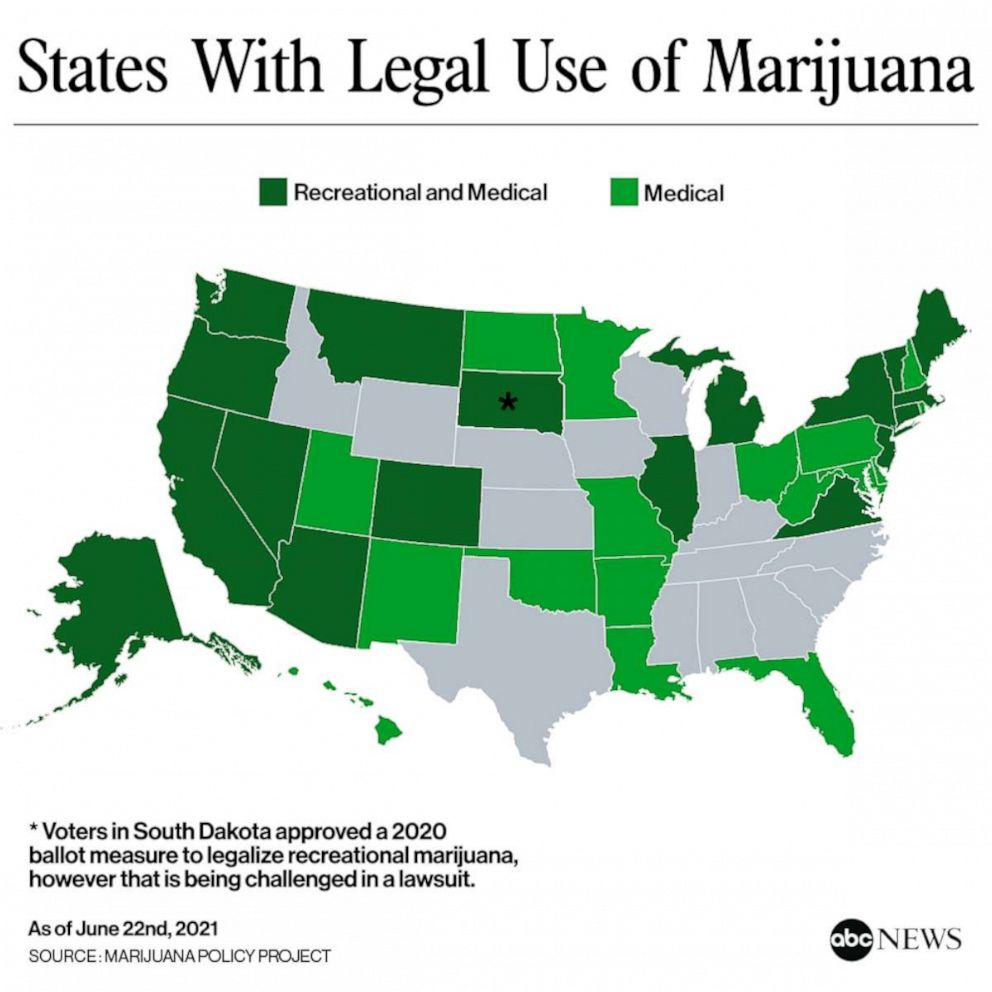
Connecticut stands as one of several states that have embraced comprehensive cannabis reform, moving beyond medical use to permit recreational sales and possession for adults. This progressive stance has not only shifted local lifestyle but also introduced new considerations for its tourism sector. Whether you’re planning a trip to explore the historic charm of Hartford, the coastal beauty of Mystic, or the academic vibrancy of New Haven, knowing the ins and outs of cannabis legality will help ensure your journey is both compliant and enjoyable.
Understanding Connecticut’s Cannabis Laws
The journey of cannabis legalization in Connecticut reflects a broader national trend towards re-evaluating cannabis policies. What started as a strictly prohibited substance has gradually transitioned through various stages, culminating in the current adult-use framework. This evolution is vital for understanding the current legal landscape and its implications for both residents and visitors.
The Journey to Legalization
Connecticut’s path to adult-use cannabis legalization began with the decriminalization of small amounts in 2011, which reduced penalties for possession to a fine rather than criminal charges. This was a significant first step, signaling a shift in public and legislative attitudes. The next major milestone occurred in 2012 with the establishment of the state’s medical marijuana program, allowing qualifying patients to access cannabis for therapeutic purposes. This program laid much of the groundwork for the regulatory infrastructure that would later support adult-use sales.
The final and most comprehensive reform came with the passage of Public Act 21-1, known as the “Responsible and Equitable Regulation of Adult-Use Cannabis Act,” which was signed into law in June 2021. This landmark legislation legalized the possession and use of cannabis for adults aged 21 and over, and importantly, it also established a framework for a regulated retail market. The law was designed with a strong emphasis on social equity, aiming to address historical injustices caused by the prohibition of cannabis and to ensure that communities disproportionately affected by past policies could benefit from the new industry. Retail sales for adult-use cannabis officially commenced in January 2023, marking a new era for Connecticut. This historical context helps explain the current regulatory environment and why certain rules and restrictions are in place today.
What the Law Allows (and Doesn’t Allow)
For adults 21 and older, Connecticut law permits the possession of up to 1.5 ounces of cannabis flower or an equivalent amount of concentrated cannabis (up to 5 grams) on their person. Additionally, individuals may keep up to 5 ounces of cannabis in a locked glove box or trunk of a vehicle, or in their private residence. This differentiation between “on-person” and “at-home/in-vehicle” possession limits is crucial for travelers to understand, especially when moving around the state.
Home cultivation is also permitted for adults, allowing them to grow up to three mature and three immature cannabis plants per household, with a maximum of 12 plants per household at any given time. However, this aspect primarily affects residents and long-term visitors, as it requires a stable, private residence.
What the law does not allow is equally important. It remains illegal to consume cannabis in public places, including streets, parks, beaches, and other areas accessible to the public. Driving under the influence of cannabis is strictly prohibited and carries severe penalties, similar to those for alcohol impairment. It is also illegal to cross state lines with cannabis, even if cannabis is legal in both Connecticut and the destination state. Federal law still classifies cannabis as an illegal Schedule I substance, meaning it is illegal to transport it across state borders or through airports. Furthermore, giving or selling cannabis to minors (under 21) is a serious offense. These restrictions highlight the importance of responsible use and adherence to both state and federal laws when applicable.
Navigating Cannabis for Visitors and Tourists
Understanding the basic legal framework is just the first step. For travelers, navigating the practicalities of purchasing, possessing, and consuming cannabis in an unfamiliar environment requires additional guidance. The experience of visiting a legal cannabis state can be unique, and Connecticut offers a distinct blend of culture, history, and modern convenience.
Where to Purchase Adult-Use Cannabis
The only legal way for adults 21 and older to purchase recreational cannabis in Connecticut is through licensed dispensaries. These establishments are regulated by the state and ensure that products are tested for potency and contaminants, providing a safe and reliable source for consumers. Many of these dispensaries, which previously served only medical patients, have expanded their operations to include adult-use sales. Travelers can typically find lists of licensed dispensaries on the official Connecticut Department of Consumer Protection website or through popular cannabis-finder apps.
When visiting a dispensary, you will need a valid government-issued identification card, such as a driver’s license or passport, to verify your age. Dispensaries generally accept cash, though some may offer cashless payment solutions, often through third-party apps or ATMs on-site. The staff at these dispensaries are typically knowledgeable and can guide you through the various product types, including flower, edibles, vapes, and tinctures, helping you choose products that align with your preferences and experience level. Remember to factor in taxes, which can add a significant percentage to the base price of cannabis products.
Consumption Rules and Public Spaces
While purchasing and possessing cannabis is legal, consumption rules are much stricter, especially concerning public spaces. As mentioned, public consumption is illegal. This means you cannot smoke a joint or vape cannabis on the streets of Bridgeport, in a park in Stamford, or on a beach in New London. Violations can result in fines.
The legal places to consume cannabis are limited to private residences or other private property where the owner has granted permission. For travelers, this often means consuming in a private home they are visiting, or potentially in a cannabis-friendly rental accommodation if such options become available and are explicitly permitted by the host. It’s crucial to always respect property rules and local ordinances. Unlike alcohol, there are no designated “consumption lounges” or public establishments where cannabis use is permitted at this time in Connecticut, although the regulatory framework allows for their potential future establishment. This distinction is critical for visitors from states with more liberal public consumption laws or those who might mistakenly assume similar rules apply.

Traveling with Cannabis: Dos and Don’ts
Traveling within Connecticut with legally purchased cannabis is permissible, provided you adhere to the possession limits and transport it discreetly. It’s best practice to keep cannabis in its original, sealed dispensary packaging while traveling to avoid any misunderstandings. When driving, ensure cannabis is stored in a closed container in the trunk or a locked glove compartment, not readily accessible to the driver or passengers in the cabin.
However, the most important “don’t” for travelers is never to attempt to transport cannabis across state lines or through airports. Despite its legality in Connecticut, federal law strictly prohibits cannabis, and all interstate travel, including flights, falls under federal jurisdiction. This means that bringing cannabis onto an airplane, even for domestic travel, or driving it into a neighboring state like New York (where it is also legal) or Rhode Island, is illegal and can lead to significant federal penalties. Security checkpoints at airports, even for domestic flights, operate under federal authority, and detecting cannabis can lead to charges. When departing Connecticut, if you have unused cannabis, it should be disposed of responsibly rather than attempted to be transported.
Accommodation and Cannabis: What Travelers Need to Know
For many travelers, securing suitable accommodation is a top priority. When visiting a state where cannabis is legal, understanding how this impacts your lodging choices becomes an important consideration. From hotels to private rentals, policies can vary widely.
Hotel Policies and Private Rentals
Most hotels in Connecticut, regardless of their stance on cannabis legality, maintain strict no-smoking policies within their rooms and common areas. This policy typically extends to cannabis, including smoking flower or vaping. Even if a hotel is generally cannabis-friendly, the smoke or vapor can be problematic for other guests and may result in cleaning fees or other penalties. Travelers should assume that cannabis consumption is not allowed inside hotel rooms unless explicitly stated otherwise by the establishment. It’s always advisable to check a hotel’s specific policies before booking if cannabis consumption is a significant concern for your trip. Hotels, like the Mohegan Sun or Foxwoods Resort Casino, which are major entertainment destinations, will also have their own specific regulations on their properties.
Private rental platforms, such as Airbnb or VRBO, offer more varied options. Individual hosts set their own rules, and some may explicitly state that cannabis consumption is permitted on their property, particularly if it’s an outdoor space or a designated area. Other hosts may maintain a strict no-cannabis policy. It is crucial to read the listing details carefully and, if in doubt, communicate directly with the host before booking to clarify their rules regarding cannabis use. Respecting a host’s property rules is essential for a smooth and positive travel experience.
Designated Consumption Spaces
As of now, Connecticut does not have a widespread network of licensed cannabis consumption lounges or public spaces specifically designated for cannabis use. While the legislation allows for the future establishment of such venues, they are not yet a common feature of the travel landscape. This means that travelers should not expect to find cannabis cafes or public smoking areas akin to those seen in some other legal states or countries.
Therefore, travelers should plan to consume cannabis only in private settings where they have explicit permission. This limitation underscores the importance of choosing accommodation wisely and understanding the practicalities of legal, yet restricted, cannabis use. As the industry matures, it’s possible that Connecticut may see the emergence of cannabis-friendly hotels or lounges, but for now, discretion and adherence to current rules are key.
The Broader Impact on Connecticut Travel and Tourism
The legalization of adult-use cannabis in Connecticut is not just a legal change; it’s a social and economic shift that has implications for the state’s travel and tourism industry. While not every traveler will be interested in cannabis, its presence inevitably influences the local culture and the overall visitor experience.
A New Element in Local Culture
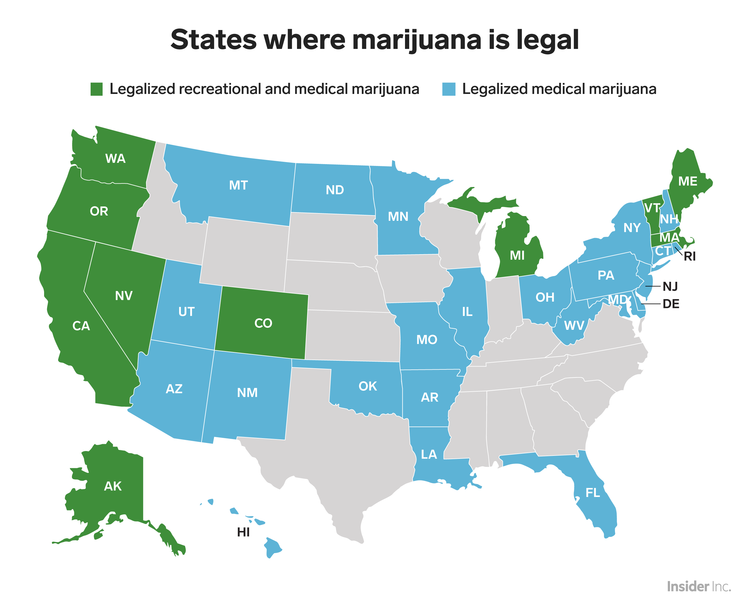
For some visitors, the availability of legal cannabis might be an additional draw to Connecticut, positioning it alongside other states like Massachusetts or Maine that offer similar opportunities. This new facet adds to the diverse array of experiences Connecticut already offers, from historical sites like the Mark Twain House & Museum to natural beauty spots such as the Sleeping Giant State Park or coastal attractions along the Long Island Sound. The presence of dispensaries and the public discussion around cannabis become part of the modern cultural fabric, albeit with careful regulation.
For travelers interested in this aspect, they may find cannabis products integrated into wellness routines, local events, or even culinary experiences in the future, as the market matures and innovations emerge. It’s an evolving landscape that adds a contemporary layer to Connecticut’s established reputation for quaint towns, vibrant cities, and rich history.
Responsible Tourism and Cannabis
As with any travel activity, responsible tourism is paramount when it comes to cannabis. For visitors to Connecticut, this means:
- Understanding and obeying the law: Adhere to possession limits, consumption rules, and never drive under the influence. Ignorance of the law is not an excuse.
- Respecting local norms: Even though cannabis is legal, not everyone in Connecticut uses it or approves of its use. Be discreet and considerate of others, especially in family-friendly environments.
- Prioritizing safety: Purchase products only from licensed dispensaries to ensure safety and quality. Start with low doses, especially with edibles, and be aware of how cannabis might affect you, particularly in an unfamiliar environment.
- Environmental awareness: Dispose of any cannabis-related packaging responsibly.
- Planning ahead: If cannabis is part of your travel plan, research accommodation policies and transportation options in advance.
By adhering to these principles, travelers can enjoy the legal cannabis market in Connecticut without negatively impacting their trip or the local community. The state offers a rich tapestry of experiences, and understanding its cannabis laws simply adds another dimension to responsible and informed exploration.
In conclusion, yes, pot is legal in Connecticut for adults 21 and over, with a regulated market for sales and specific rules around possession and consumption. For travelers, this means a new consideration when planning their itinerary, from where they can purchase products to where they can legally and responsibly consume them. By staying informed and exercising good judgment, visitors can seamlessly integrate Connecticut’s cannabis laws into their travel plans, ensuring a safe, enjoyable, and memorable journey through the Nutmeg State.
LifeOutOfTheBox is a participant in the Amazon Services LLC Associates Program, an affiliate advertising program designed to provide a means for sites to earn advertising fees by advertising and linking to Amazon.com. Amazon, the Amazon logo, AmazonSupply, and the AmazonSupply logo are trademarks of Amazon.com, Inc. or its affiliates. As an Amazon Associate we earn affiliate commissions from qualifying purchases.