
For anyone planning a trip, considering a move, or simply curious about the Nutmeg State, one fundamental question often arises: “What is the time zone in Connecticut?” The answer, while straightforward, carries significant implications for travel planning, business operations, and daily life. Connecticut observes the Eastern Time Zone, which transitions between Eastern Standard Time (EST) and Eastern Daylight Time (EDT) throughout the year. Understanding this rhythm is crucial for seamless experiences, whether you’re embarking on a leisurely vacation, attending a business conference, or exploring the state’s rich history and vibrant culture.
This comprehensive guide delves into the specifics of Connecticut’s time zone, offering insights into its practical applications for travelers, residents, and businesses alike. From planning your itinerary around local operating hours to ensuring smooth communication across different time zones, we’ll explore how embracing this aspect of Connecticut can enhance your overall experience. As a hub for travel, accommodation, and lifestyle, understanding the nuances of time management in the Northeast United States is key to a well-organized and enjoyable journey.
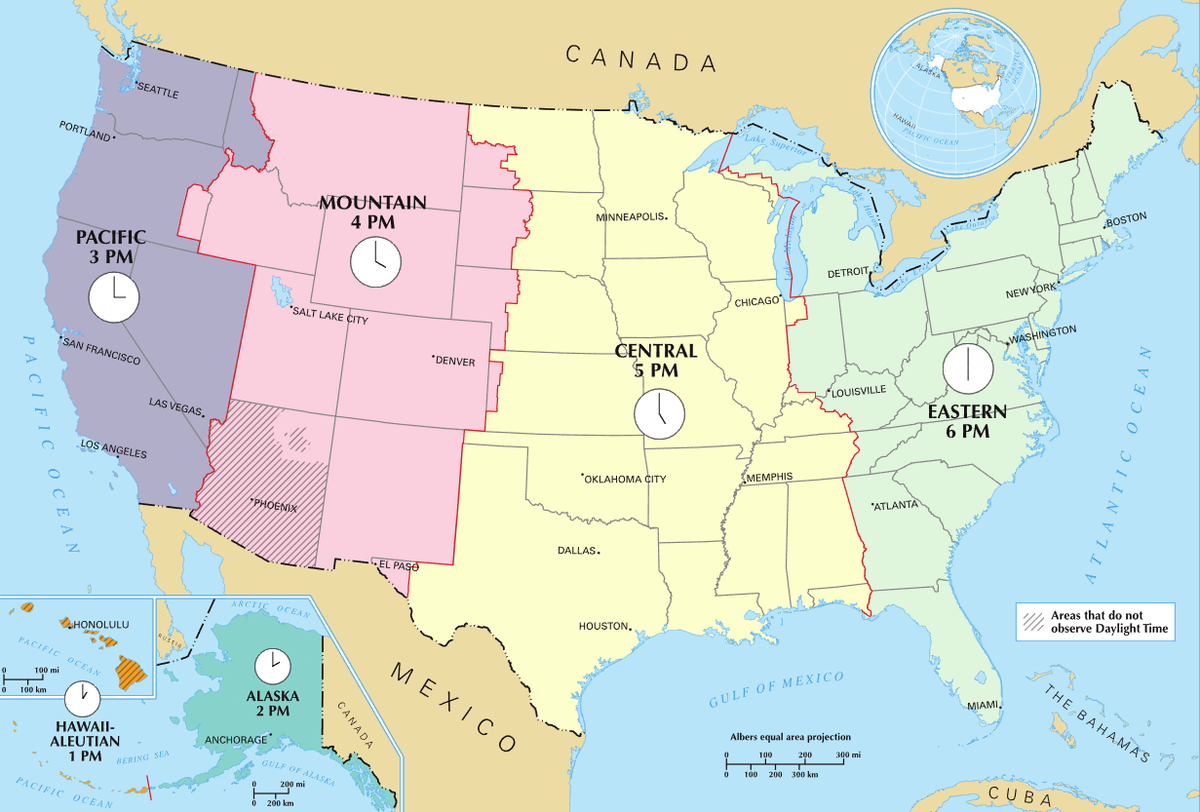
Understanding Connecticut’s Time Zone: Eastern Time Explained
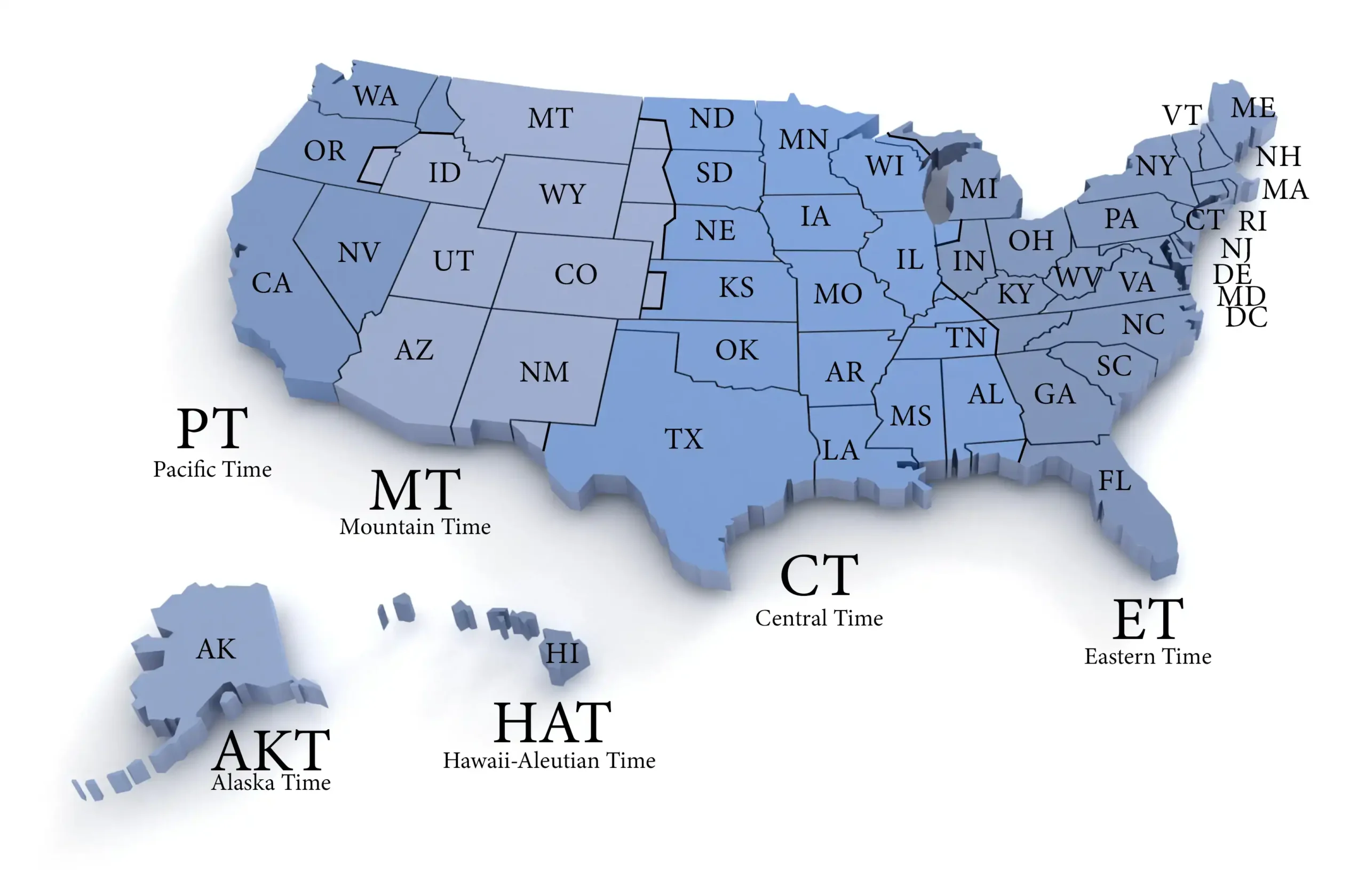
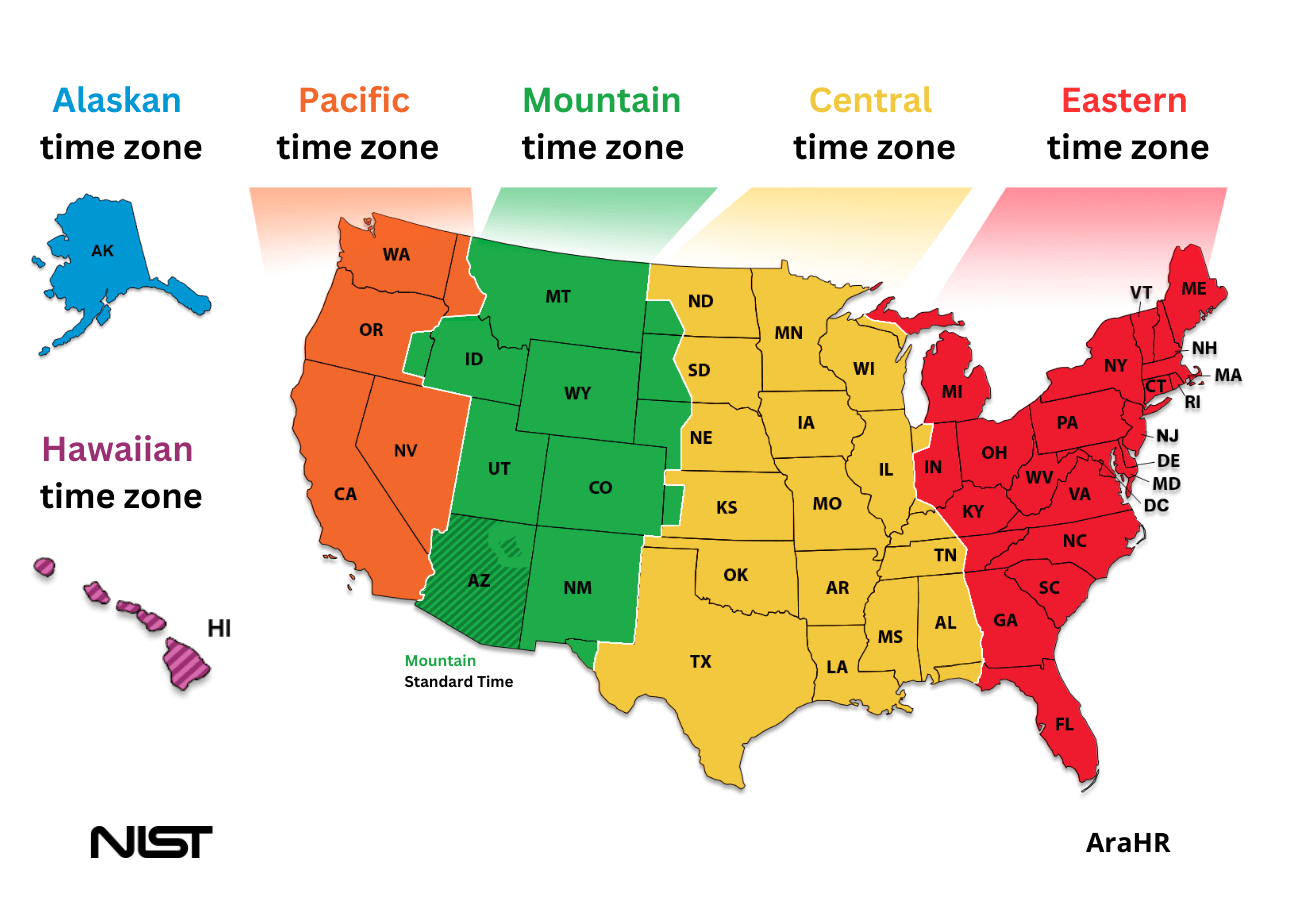
At its core, Connecticut operates on Eastern Time, a designation shared by much of the eastern seaboard of the United States. This means that for roughly half the year, the state adheres to Eastern Standard Time (EST), and for the other half, it switches to Eastern Daylight Time (EDT). This biannual adjustment, commonly known as Daylight Saving Time, is a significant factor to consider for anyone interacting with Connecticut on a scheduled basis.
Eastern Standard Time (EST) vs. Eastern Daylight Time (EDT)
Eastern Standard Time (EST) is observed during the fall and winter months. During this period, Connecticut’s time is 5 hours behind Coordinated Universal Time (UTC) – often written as UTC-5 or GMT-5. This is the “standard” time that provides earlier sunrises and sunsets.
Eastern Daylight Time (EDT) takes effect in the spring and summer. To make better use of daylight hours during these seasons, clocks are moved forward by one hour. This means Connecticut shifts to UTC-4 or GMT-4. The change typically occurs on the second Sunday in March, when clocks “spring forward” one hour, and reverts on the first Sunday in November, when they “fall back” one hour to EST.
For travelers, this transition period can sometimes cause confusion, especially when booking flights or making reservations well in advance. Always double-check the current time status, particularly if your visit spans one of these changeover weekends. Digital devices and modern booking systems usually adjust automatically, but it’s always wise to confirm, especially when dealing with critical appointments or international connections. The benefit of Daylight Saving Time is more extended daylight into the evening, offering more time for outdoor activities, tourism, and enjoying the state’s natural beauty after a day of work or exploration.
Geographical Context and Neighboring States
Connecticut’s position within the Eastern Time Zone means it shares its time with all its immediate neighbors: New York to the west, Massachusetts to the north, and Rhode Island to the east. This uniformity greatly simplifies cross-border travel and communication within the region. If you’re planning a multi-state Northeast itinerary that includes Connecticut, you won’t need to adjust your clock as you move between these states, allowing for seamless transitions between attractions and accommodations.
This shared time zone also extends south along the Atlantic coast to states like New Jersey, Pennsylvania, Delaware, Maryland, and down to Florida. To the north, Maine, Vermont, and New Hampshire also observe Eastern Time. This broad geographical alignment makes planning regional travel and coordination relatively straightforward, distinguishing it from journeys that cross multiple time zones within the United States (e.g., traveling from New York to California). The consistent time zone across the Northeast contributes to a more cohesive travel experience, minimizing the risk of scheduling errors and maximizing your exploration time.
Navigating Travel and Tourism in Connecticut’s Time Zone
For visitors to Connecticut, understanding the local time zone is paramount to a successful and stress-free trip. From meticulously planning your daily excursions to coordinating check-ins at your chosen accommodation, every aspect of travel and tourism is intrinsically linked to the clock. Proper time management allows you to fully immerse yourself in the local culture, explore famous landmarks, and enjoy various activities without unexpected hiccups.
Planning Your Itinerary: Attractions, Dining, and Events
Connecticut boasts a diverse array of attractions, from historical sites and world-class museums to picturesque natural landscapes and vibrant entertainment venues. Each of these operates on specific hours, which are always stated in local Eastern Time. When crafting your itinerary, it’s essential to:
- Check Operating Hours: Before visiting iconic destinations like the Mystic Seaport Museum, the Yale University Art Gallery in New Haven, or the Wadsworth Atheneum Museum of Art in Hartford, always consult their official websites for current operating hours. These can vary by season, day of the week, and public holidays. A miscalculation by even an hour can lead to arriving before opening or after closing.
- Dining Reservations: Connecticut’s culinary scene ranges from charming seaside eateries in towns like Stonington to upscale dining experiences in Greenwich or Westport. Popular restaurants, especially on weekends, often require reservations. Ensure you book and arrive according to Eastern Time to secure your table.
- Local Events and Festivals: The state hosts numerous festivals and events throughout the year, such as the Glastonbury Apple Harvest Festival or the Mystic Outdoor Art Festival. Timings for parades, performances, and vendor hours are strictly adhered to local time. Missing an opening ceremony or a specific show due to a time zone miscalculation can be a disappointment.
- Public Transportation: If you plan to use local buses, trains, or ferries, be aware that their schedules are also based on Eastern Time. Confirm departure and arrival times to avoid missing connections or lengthy waits.
Paying close attention to these details will help you optimize your time, allowing you to experience more of what Connecticut has to offer, from exploring historical landmarks to enjoying a delicious meal with a view.
Accommodation Logistics: Check-ins and Reservations
Whether you’re booking a luxurious suite, a cozy bed and breakfast, or a long-term apartment rental, managing your accommodation logistics effectively within Connecticut’s time zone is essential.
- Check-in and Check-out Times: Virtually all hotels, resorts, and vacation rentals in Connecticut operate with standard check-in and check-out times, typically around 3 PM for check-in and 11 AM for check-out. These times are always in local Eastern Time. If you’re arriving from a different time zone, especially one several hours behind, your internal clock might not align with these timings. Plan your travel accordingly to avoid arriving too early for check-in or missing the check-out deadline. Popular resorts like Mohegan Sun and Foxwoods Resort Casino also adhere to these schedules.
- Booking Across Time Zones: When making reservations online or over the phone from a different time zone, confirm that the booking confirmation explicitly states the time in Connecticut’s local time. While most reputable booking platforms automatically convert times, a quick double-check can prevent misunderstandings, particularly for international bookings or last-minute changes.
- Amenities and Services: If you plan to utilize hotel amenities such as spas, fitness centers, or dining services, note their operating hours. Some services might close earlier than expected if you’re mentally adjusting from a later time zone. Similarly, if you’ve requested specific services like room service or a wake-up call, ensure the timing is precisely what you intend in Eastern Time.
- Communication with Hosts: For apartment rentals or Airbnb stays, clear communication with your host about your estimated arrival time, in local Connecticut time, is vital. This ensures a smooth key exchange and a welcoming start to your stay.
By being mindful of these accommodation-related time considerations, you can ensure a hassle-free arrival, a comfortable stay, and a relaxed departure, allowing you to focus on enjoying your time in Connecticut.
The Impact of Time Zones on Lifestyle and Business in Connecticut
Beyond the immediate concerns of travel itineraries and hotel bookings, Connecticut’s time zone plays a significant role in both the daily lifestyle of its residents and the broader business landscape. For those considering a longer stay, a move, or engaging in professional activities within the state, understanding these broader implications is crucial for seamless integration and effective operation.
Adjusting to the Time: Tips for Travelers
For visitors arriving from time zones significantly different from Eastern Time, particularly international travelers or those from the western United States, adjusting to the local time can be a challenge. Jet lag can affect energy levels, sleep patterns, and overall enjoyment of your trip. Here are some tips for adapting to Connecticut’s rhythm:
- Gradual Adjustment: If possible, try to adjust your sleep schedule by an hour or two each day in the days leading up to your trip. This can soften the impact of the time change.
- Hydration and Light Meals: Stay well-hydrated and opt for lighter meals, especially on travel days and immediately after arrival. Heavy foods can exacerbate jet lag symptoms.
- Embrace Natural Light: Upon arrival, try to expose yourself to natural sunlight, particularly in the morning. This helps reset your body’s internal clock. If arriving in the evening, try to stay awake until a reasonable local bedtime.
- Limit Caffeine and Alcohol: While tempting, these can interfere with sleep quality. Use them sparingly, especially during the adjustment period.
- Prioritize Sleep: Ensure you get adequate rest. Don’t overschedule your first few days; allow some flexibility for your body to catch up. A comfortable hotel room or accommodation that supports good sleep is vital.
- Stay Active: Gentle exercise, such as a walk around a park in Hartford or along a beach in Norwalk, can help alleviate jet lag symptoms and boost energy.
By proactively managing your transition to Eastern Time, you can minimize discomfort and maximize your ability to enjoy Connecticut’s attractions and experiences.
Business Implications and Communication
Connecticut’s position in the Eastern Time Zone has significant implications for its business community, particularly given its proximity to New York City and its role as a hub for finance, insurance (especially in Hartford), and manufacturing.
- Financial Markets: For businesses involved in finance, being on Eastern Time aligns them with the opening and closing bells of major United States stock exchanges in New York. This is crucial for real-time trading and market analysis.
- Corporate Schedules: Many Connecticut companies maintain close ties with firms across the United States and internationally. Professionals often need to coordinate meetings and conference calls across various time zones. For example, a 9 AM meeting in Hartford is noon in Los Angeles and 5 PM in London.
- Supply Chain and Logistics: For businesses managing supply chains, accurate timekeeping is vital for scheduling deliveries, managing inventory, and coordinating with partners in different parts of the country or world.
- Remote Work: With the rise of remote work, employees based in Connecticut may collaborate with teams spanning multiple time zones. Clear communication regarding working hours and availability becomes essential to avoid missed deadlines or communication gaps.
- Business Travel: Business travelers to Connecticut from other time zones must factor in the adjustment period to be alert and productive for meetings, presentations, and networking events. Similarly, Connecticut residents traveling for business will need to adjust their internal clocks to match their destination.
Understanding these time zone dynamics is integral for effective business operations, fostering strong professional relationships, and ensuring timely execution of tasks within Connecticut’s bustling economy.
Maximizing Your Connecticut Experience: Practical Time Management Tips
Beyond simply knowing what time it is, truly maximizing your Connecticut experience involves embracing smart time management strategies. Whether you’re a tourist exploring new destinations or a long-term resident enjoying the local lifestyle, effective planning around the Eastern Time Zone can significantly enhance your enjoyment and productivity.
Utilizing Technology for Seamless Timekeeping
In our increasingly connected world, technology offers powerful tools to help you navigate time zones with ease. Leveraging these resources can prevent common pitfalls and ensure you’re always on schedule.
- Smartphones and Smartwatches: Modern smartphones and smartwatches automatically adjust to the local time zone when you travel. Ensure your device’s settings allow for automatic time zone updates. These devices are invaluable for quick time checks, setting alarms for attractions, and managing your daily schedule.
- World Clock Apps: For those coordinating with contacts in different time zones (e.g., family members across the United States or international business partners), a world clock app can be incredibly helpful. These apps allow you to simultaneously view the current time in multiple cities, making scheduling calls or virtual meetings much simpler.
- Online Calendars and Itinerary Planners: Digital calendars (like Google Calendar or Outlook Calendar) often allow you to specify the time zone for each event. When creating your Connecticut itinerary, ensure all event times are entered in Eastern Time. Many travel planning apps also offer features for organizing schedules and providing local time alerts.
- Airline and Accommodation Apps: Most airlines and hotel chains have dedicated mobile apps that provide real-time updates on flight statuses, gate changes, check-in information, and booking details, all presented in the relevant local time. Having these apps downloaded before your trip can be a huge time-saver.
- GPS and Navigation Apps: While primarily for directions, many GPS apps will display the current local time, which can be a useful confirmation as you drive through different areas, ensuring you’re aware of the correct time for your next scheduled activity.
By proactively using these technological aids, you can reduce anxiety about time changes and focus more on the enjoyable aspects of your visit to Connecticut.
Embracing Local Rhythms
Beyond strict scheduling, a fulfilling travel experience often involves understanding and embracing the local rhythm of life. Connecticut, with its blend of bustling urban centers, charming small towns, and serene coastal areas, has a distinct pace that can be appreciated.
- Morning Activities: Take advantage of the early mornings for peaceful strolls through historic districts in New London or Litchfield, quiet visits to popular landmarks before crowds gather, or a serene sunrise over Long Island Sound. The relative calm of the early hours can offer a unique perspective on the state’s beauty.
- Afternoon Explorations: Plan your most active explorations for the afternoon when businesses, shops, and attractions are fully operational. This is the ideal time to delve into museums, browse local boutiques in towns like Essex, or enjoy outdoor activities such as hiking in Talcott Mountain State Park.
- Evening Experiences: Connecticut offers a variety of evening entertainment, from vibrant nightlife in New Haven and Stamford to theatrical performances, live music venues, and casino entertainment at Mohegan Sun or Foxwoods Resort Casino. Dining typically starts between 5 PM and 7 PM, aligning perfectly with Eastern Time conventions.
- Flexibility and Spontaneity: While planning is important, leave some room for spontaneity. Sometimes the best experiences come from unexpected detours or lingering a little longer in a captivating spot. Being flexible with your schedule, while still mindful of key timings, allows for a more relaxed and authentic engagement with Connecticut.
By integrating technology with an appreciation for local patterns, you can craft a visit to Connecticut that is both well-organized and deeply rewarding, ensuring you capture every moment the Eastern Time Zone has to offer.
In conclusion, the question “What is the time zone in Connecticut?” is answered simply: it’s the Eastern Time Zone, alternating between EST and EDT. However, the implications of this simple fact ripple through every aspect of travel, tourism, and daily life in the state. By understanding these dynamics and employing smart time management strategies, you can ensure your journey through Connecticut is smooth, enjoyable, and packed with unforgettable experiences. So, set your watch to Eastern Time, and prepare to explore all the wonders the Nutmeg State has in store.
LifeOutOfTheBox is a participant in the Amazon Services LLC Associates Program, an affiliate advertising program designed to provide a means for sites to earn advertising fees by advertising and linking to Amazon.com. Amazon, the Amazon logo, AmazonSupply, and the AmazonSupply logo are trademarks of Amazon.com, Inc. or its affiliates. As an Amazon Associate we earn affiliate commissions from qualifying purchases.