
When one considers the vast, open landscapes of the United States, the state of South Dakota often conjures images of majestic monuments, sprawling prairies, and a pioneering spirit. But beyond the iconic landmarks and stunning natural beauty lies a vibrant, if sparsely populated, community. Understanding the population of South Dakota offers crucial insights not only into its unique lifestyle and economic landscape but also into what makes it such a compelling destination for travelers seeking authentic experiences.
As a website dedicated to travel, hotels, tourism, accommodation, landmarks, and lifestyle, we recognize that population figures are more than just statistics; they paint a picture of local culture, influence the availability and type of lodging, shape the atmosphere of attractions, and define the overall visitor experience. South Dakota, with its relatively small population, provides a stark contrast to more densely populated states, offering a sense of spaciousness and tranquility that is increasingly rare in the modern world.

A Portrait of South Dakota’s Population: The Numbers Behind the Landscape
Delving into the demographics of South Dakota reveals a story of steady growth, a close-knit community, and a deep connection to the land. While it might not boast the mega-cities of coastal states, its population centers are thriving hubs that serve as gateways to incredible adventures.
The Latest Demographic Snapshot
According to the most recent estimates from the U.S. Census Bureau, the population of South Dakota stands at approximately 919,000 residents as of early 2024. This figure places it among the least populous states in the United States, reflecting its vast land area and rural character. Despite its smaller size in terms of inhabitants, the state has experienced consistent, albeit modest, growth over the past few decades, driven by a stable economy, an attractive quality of life, and the allure of its natural environment.
This growth is a testament to South Dakota’s ability to attract new residents seeking a slower pace, lower cost of living, and abundant outdoor opportunities. The demographic makeup is primarily of European descent, but the state also has a significant and culturally rich Native American population, including the Pine Ridge Indian Reservation, Cheyenne River Indian Reservation, Crow Creek Indian Reservation, Lower Brule Indian Reservation, Rosebud Indian Reservation, Sisseton Wahpeton Oyate, Standing Rock Indian Reservation, Yankton Sioux Reservation, and Flandreau Santee Sioux Reservation, adding a profound layer of history and heritage to the state’s identity.
Population Distribution: Where the People Are
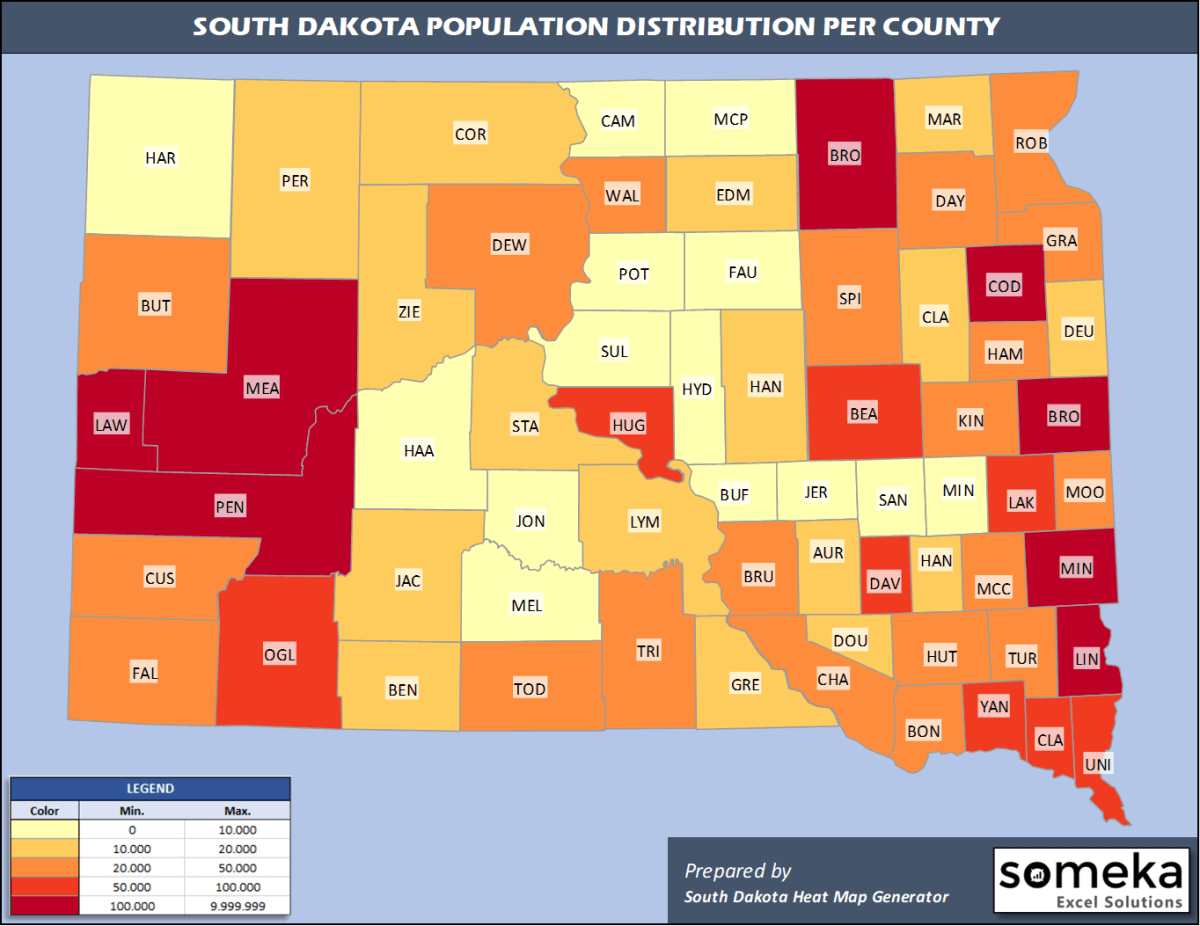
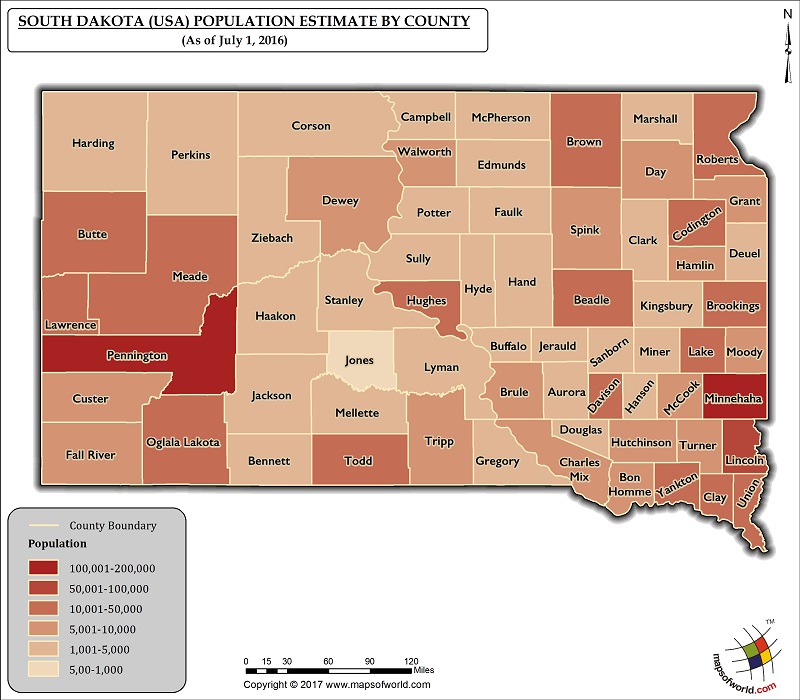
Given its expansive geography, the population of South Dakota is not evenly distributed. The state’s overall population density is among the lowest in the United States, meaning travelers can expect vast stretches of unspoiled land between towns. However, there are distinct urban centers that act as economic and cultural hubs.
- Sioux Falls: By far the largest city in South Dakota, Sioux Falls boasts a metropolitan population exceeding 280,000. Located in the southeastern corner of the state, Sioux Falls is a rapidly growing urban center known for its thriving financial industry, healthcare services (Sanford USD Medical Center), and a vibrant arts and culture scene, exemplified by Falls Park, the Washington Pavilion of Arts and Science, and the Denny Sanford PREMIER Center. Its urban amenities make it an attractive place to live and a convenient base for exploring eastern South Dakota.
- Rapid City: The second-largest city, Rapid City, with a population of around 80,000, serves as the gateway to the Black Hills and is strategically located near many of South Dakota’s most famous landmarks. It’s a hub for tourism, military (Ellsworth Air Force Base), and local commerce, offering visitors a blend of urban convenience and immediate access to nature.
- Aberdeen, Brookings, Watertown, Mitchell, Yankton, and Vermillion: These smaller cities, each with populations ranging from 10,000 to 30,000, form the backbone of regional communities. They often host major educational institutions like South Dakota State University in Brookings and the University of South Dakota in Vermillion, contributing to their local economies and cultural life. The city of Pierre, though one of the smallest state capitals in the nation, remains significant as the seat of government, nestled along the mighty Missouri River.
Beyond these urban areas, the majority of South Dakota’s land is rural, characterized by small towns, agricultural communities, and vast open prairies. This low population density is a key aspect of the “lifestyle” experience in South Dakota, offering a sense of peace and solitude that is increasingly valued by both residents and visitors.
Lifestyle and Community: Why People Call South Dakota Home
The relatively small population of South Dakota doesn’t just impact its geographical distribution; it profoundly shapes the lifestyle and sense of community that define the state. People choose to live here for a variety of reasons, many of which also attract tourists looking for an authentic Midwest experience.
Quality of Life and Economic Opportunities
One of the primary drawcards for residents is the exceptional quality of life. South Dakota boasts a low cost of living, particularly when it comes to housing, compared to the national average. This affordability, combined with strong, community-oriented values, creates an environment where families can thrive. The state is often praised for its excellent public schools and a strong job market, particularly in key sectors.
Agriculture remains a cornerstone of the South Dakota economy, with vast farms and ranches dominating the landscape, embodying the spirit of the Great Plains. However, the economy has diversified significantly, with healthcare (driven by institutions like Sanford USD Medical Center and Monument Health), finance (First PREMIER Bank, Great Western Bank), and manufacturing (POET Ethanol Products) playing increasingly vital roles. Tourism also provides a substantial economic boost, creating jobs and supporting local businesses across the state. This diverse economic base contributes to the stability and appeal of calling South Dakota home.
A Blend of Cultures and Heritage
The state’s population, though small, is rich in cultural heritage. The presence of nine distinct Native American reservations means that Indigenous culture, history, and traditions are deeply woven into the fabric of South Dakota. Visitors and residents alike have opportunities to learn about and appreciate this heritage through powwows, cultural centers, and historical sites. The Crazy Horse Memorial, an ongoing monumental sculpture, stands as a powerful tribute to Native American cultures and a testament to their enduring spirit.
European settlers, primarily of German and Scandinavian descent, also left an indelible mark, influencing everything from local cuisine to community festivals. This blend of cultures contributes to a distinctive local flavor, where traditional values coexist with modern conveniences, creating a unique lifestyle that celebrates both history and progress.
South Dakota’s Allure: A Tourist’s Perspective on Its Demographics
For travelers, the relatively low population of South Dakota is a significant advantage. It translates directly into specific types of experiences and opportunities for exploration that are harder to find in more densely populated regions.
Vast Spaces and Uncrowded Adventures
The sparse population density means that South Dakota offers unparalleled access to vast, unspoiled natural landscapes. This is where the magic happens for outdoor enthusiasts. Imagine exploring Badlands National Park without throngs of people, hiking the trails of the Black Hills National Forest in relative solitude, or driving the scenic Wildlife Loop Road in Custer State Park with only buffalo and pronghorn for company.
Major landmarks like Mount Rushmore National Memorial, while popular, manage crowds better than similar attractions in higher-density areas, preserving a sense of awe and reverence. Other incredible natural wonders, such as Jewel Cave National Monument and Wind Cave National Park, offer fascinating underground explorations, while the state’s many state parks like Good Earth State Park and Palisades State Park provide picturesque settings for hiking, fishing, and camping. The absence of overwhelming crowds allows for a more intimate connection with nature and a genuine sense of escape. Even iconic events like the Sturgis Motorcycle Rally, which draws hundreds of thousands annually, are celebrated for their ability to temporarily swell the population in a specific region, creating a unique, energetic atmosphere that quickly disperses.
Urban Hubs: Culture, Dining, and Diverse Accommodation
While the wide-open spaces are a major draw, South Dakota’s urban centers provide essential amenities and cultural experiences. Sioux Falls and Rapid City are particularly noteworthy for their diverse offerings.
In Sioux Falls, visitors can explore the vibrant downtown area, featuring SculptureWalk Sioux Falls, unique boutiques along Phillips Avenue, and a burgeoning culinary scene. Accommodation options range from luxury boutique properties like the Hotel on Phillips to reliable chains such as Hyatt Place Sioux Falls South, Homewood Suites by Hilton Sioux Falls, Residence Inn by Marriott Sioux Falls, and the Sheraton Sioux Falls & Convention Center.
Rapid City, on the other hand, acts as the cultural and commercial heart of the Black Hills, offering a mix of museums (like the Journey Museum & Learning Center), family attractions (Reptile Gardens, Bear Country USA), and a variety of dining choices. Accommodation here is tailored to the influx of tourists, with options from the historic Hotel Alex Johnson to modern hotels like the Cambria Hotel Rapid City and SpringHill Suites by Marriott Rapid City, and the Rushmore Hotel & Suites. Even smaller towns like Deadwood, famous for its Wild West history and figures like Wild Bill Hickok and Calamity Jane, offer unique stays like The Lodge at Deadwood, blending historical charm with modern comfort.
Planning Your Visit: Accommodation and Travel Insights
The population characteristics of South Dakota also inform the best way to plan a trip, especially concerning accommodation and navigating the state.
Finding Your Ideal Stay: From City Hotels to Rustic Lodges
While South Dakota’s overall population is low, its popularity as a tourist destination, particularly the Black Hills region, means that accommodation can book up quickly, especially during peak summer months or major events. Visitors will find a wide array of options to suit every preference and budget:
- Urban Hotels: In Sioux Falls and Rapid City, you can find everything from luxury suites to budget-friendly hotels. These are ideal for those who prefer city amenities, diverse dining, and easy access to shops and entertainment.
- Resorts and Lodges: Near popular attractions, particularly in the Black Hills (cities like Custer, Keystone, Hill City, and Spearfish), you’ll find resorts, historic lodges like The State Game Lodge within Custer State Park, and charming bed-and-breakfasts. These often offer a more immersive experience, with direct access to hiking, wildlife viewing, and scenic drives like the Peter Norbeck Scenic Byway and the Needles Highway.
- Vacation Rentals: For families or groups, vacation rentals, including cabins, homes, and apartments, are popular, offering privacy and a home-away-from-home feel. This option is particularly prevalent in the Black Hills area.
- Camping and RV Parks: Given the abundance of national and state parks, camping and RV parks are ubiquitous. Options range from primitive backcountry sites to full-service RV resorts like Kemp’s Kamp and Rafter J Bar Ranch Campground, allowing travelers to fully embrace the outdoor lifestyle.
Booking well in advance, especially for summer travel, is highly recommended to secure your preferred accommodation.
Navigating South Dakota: Travel Tips for the Modern Explorer
Traveling through South Dakota means embracing the open road. With its low population density, distances between towns and attractions can be significant. A car is almost essential for exploring the state comprehensively. Scenic drives like Iron Mountain Road and the Needles Highway are destinations in themselves.
Beyond the major landmarks such as the Minuteman Missile National Historic Site, Wall Drug Store, and the Corn Palace, take time to discover the local culture. Visit a farmer’s market, engage with locals, explore a small-town museum like the South Dakota Heritage Center in Pierre, or enjoy a meal at a family-run diner. These interactions offer a deeper appreciation for the state and its people. The Dignity: of Earth & Sky sculpture near Chamberlain is another powerful cultural stop along the Missouri River.
The Future of South Dakota: Sustaining Growth and Appeal
As South Dakota continues to see modest population growth and increasing interest from tourists, the state faces the challenge of balancing development with the preservation of its unique lifestyle and natural environment.
Balancing Development with Preservation
Future population projections indicate a continued upward trend for South Dakota. This growth will undoubtedly bring opportunities for economic expansion and cultural enrichment. However, it also necessitates careful planning to ensure that the very qualities that attract people to South Dakota—its open spaces, pristine nature, and strong community ties—are not compromised. Initiatives focusing on sustainable tourism, responsible land use, and community-driven development are crucial to maintaining this delicate balance.
Efforts are being made to expand infrastructure, improve connectivity, and enhance services in both urban and rural areas, ensuring that the state remains an attractive place to live and visit. Projects like the Western Legacy Development Corporation aim to foster economic growth while honoring the state’s heritage.
A Timeless Destination for Residents and Travelers Alike
Ultimately, the question of “How Many People Live In South Dakota?” yields more than just a number; it reveals a story of a state that offers a distinctive blend of raw natural beauty, rich cultural heritage, and a warm, welcoming community spirit. For those considering a move, it promises a life deeply connected to nature and community. For travelers, it presents an unparalleled opportunity to explore breathtaking landscapes, delve into fascinating history, and experience the genuine hospitality of the American Midwest without the overwhelming crowds found elsewhere. Whether you’re seeking adventure in the Black Hills, cultural immersion in its vibrant cities, or simply a tranquil escape into the prairie, South Dakota’s population, or lack thereof, is precisely what makes it one of North America’s most compelling and authentic destinations.
LifeOutOfTheBox is a participant in the Amazon Services LLC Associates Program, an affiliate advertising program designed to provide a means for sites to earn advertising fees by advertising and linking to Amazon.com. Amazon, the Amazon logo, AmazonSupply, and the AmazonSupply logo are trademarks of Amazon.com, Inc. or its affiliates. As an Amazon Associate we earn affiliate commissions from qualifying purchases.