
For travelers planning an adventure to the rugged landscapes and iconic landmarks of the Mount Rushmore National Memorial state, understanding local laws is paramount. As you prepare to explore the Black Hills, marvel at Badlands National Park, or delve into the historic streets of Deadwood, questions about cannabis legality in South Dakota might arise. This guide aims to clarify the current legal status of cannabis in the state, offering crucial insights for both medical marijuana patients and general tourists, ensuring a smooth and informed travel experience.
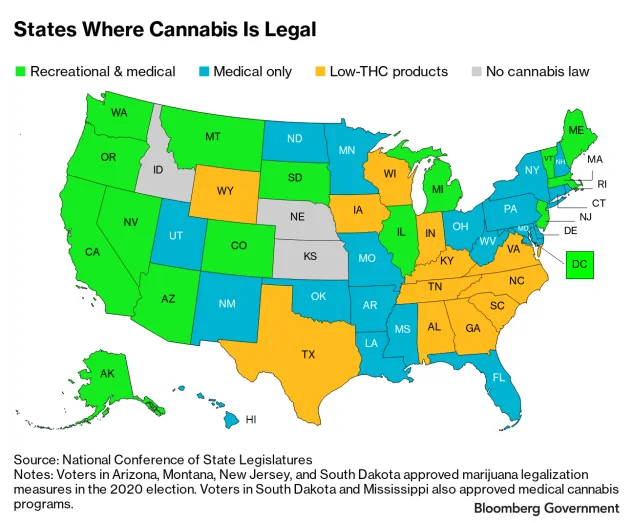
The legal landscape surrounding cannabis in the United States is a complex tapestry of state-by-state regulations, and South Dakota is no exception. While some states have embraced full recreational legalization, others maintain strict prohibitions or have adopted medical cannabis programs. South Dakota falls into a nuanced category, having approved medical marijuana but keeping recreational use illegal. This distinction is vital for anyone visiting, as ignorance of the law is never an excuse and can lead to serious legal repercussions.

Navigating these regulations is particularly important for those who rely on cannabis for medical purposes or are accustomed to its recreational availability in their home states. Our goal is to provide a comprehensive overview, allowing you to plan your trip responsibly, focusing on the incredible attractions and experiences South Dakota has to offer, from the bustling city life of Sioux Falls to the serene beauty of Custer State Park.
Understanding South Dakota’s Cannabis Laws for Travelers
The question “Is pot legal in South Dakota?” has a two-part answer: medical cannabis is legal for qualifying patients, but recreational cannabis remains illegal. This creates a unique environment for visitors, where certain activities are permissible under specific conditions, while others carry significant legal risks. For anyone planning travel and accommodation in the state, especially if considering cannabis use, a clear understanding of these distinctions is indispensable.
The journey to legalizing medical marijuana in South Dakota has been eventful. In November 2020, voters approved both Initiative 26, which established a medical cannabis program, and Amendment A, which aimed to legalize recreational marijuana. However, Amendment A was later overturned by the state Supreme Court, leaving only medical cannabis on the books. This political and legal back-and-forth highlights the cautious approach the state has taken toward cannabis reform. Subsequent legislative efforts, such as House Bill 1128 in 2023, attempting to legalize recreational use through legislative means, also failed. Therefore, as of early 2024, the situation remains: medical cannabis is permitted under strict regulations, and recreational use is not.
For travelers, this means you cannot simply purchase cannabis recreationally as you might in states like Colorado or California. Any possession or use of cannabis without a valid South Dakota medical cannabis card (or a recognized out-of-state equivalent) is illegal and can lead to arrest, fines, and even jail time, depending on the amount and circumstances. This is a critical piece of information for anyone planning a trip, particularly when booking hotels or other accommodation where personal conduct is also subject to local laws and property policies.
The Current State of Medical Marijuana in South Dakota
South Dakota’s medical cannabis program, enacted following the passage of Initiative 26, allows qualifying patients to obtain and use cannabis for specific medical conditions. The program is overseen by the South Dakota Department of Health. To qualify, a patient must be diagnosed with a debilitating medical condition, such as severe chronic pain, cancer, multiple sclerosis, Crohn’s disease, or PTSD, among others. A licensed physician must then issue a written certification for medical cannabis use.
Medical Marijuana Cardholders: Reciprocity and Rules
For visitors holding medical marijuana cards from other states, the question of reciprocity is crucial. South Dakota law does allow for reciprocity, meaning out-of-state medical marijuana cards are recognized under certain conditions. Non-residents possessing a valid medical cannabis card from another state or jurisdiction may legally possess medical cannabis while in South Dakota. However, this recognition typically comes with limitations on the amount that can be possessed and consumed. Generally, out-of-state patients are permitted to possess up to three ounces of cannabis flower or its equivalent.
It’s essential for out-of-state cardholders to carry their physical medical marijuana card and a valid photo ID at all times when possessing cannabis. While reciprocity exists for possession, purchasing medical cannabis in South Dakota as an out-of-state patient can be challenging. Dispensaries generally require a South Dakota medical cannabis card for purchases. This means travelers cannot simply walk into a dispensary with their home state’s card and buy products. If you plan to use medical cannabis during your visit, it’s advisable to bring your legally obtained supply from your home state, adhering strictly to South Dakota’s possession limits for out-of-state cardholders.
Where Can Medical Cannabis Be Purchased and Consumed?
As the medical marijuana program develops, dispensaries are opening across the state, primarily in larger cities like Sioux Falls and Rapid City. These licensed dispensaries are the only legal outlets for purchasing medical cannabis within South Dakota. However, as mentioned, sales are generally restricted to those holding a South Dakota medical card.
Consumption rules are equally important. Even with a medical card, cannabis cannot be consumed openly in public places. Public consumption is strictly prohibited. This includes parks, sidewalks, restaurants, bars, and anywhere the public can observe. Most hotels and accommodation providers also maintain strict no-smoking policies, often extending to vaping and cannabis use, even for medical purposes. Travelers should confirm the specific policies of their chosen lodging, whether it’s a luxury resort in Dakota Dunes, a cozy bed-and-breakfast in the Black Hills, or an apartment rental in Pierre. Using cannabis in private residences with the owner’s permission or in designated private spaces is generally the safest approach, though discretion is always advised. Federal land, including national parks like Badlands National Park or Wind Cave National Park, also remains subject to federal law, where cannabis is entirely illegal, regardless of state medical programs.
Recreational Cannabis: What Travelers Need to Know
For those accustomed to states with recreational cannabis, it is imperative to reiterate: recreational marijuana is illegal in South Dakota. This means buying, selling, possessing, or consuming cannabis for non-medical purposes carries legal penalties. While there have been legislative efforts to bring recreational cannabis to the ballot, none have succeeded as of the latest updates.

The Legal Landscape of Recreational Use
Possession of even small amounts of recreational cannabis can result in misdemeanor charges, carrying potential jail time and significant fines. Larger amounts can lead to felony charges. This applies to all forms of cannabis, including flower, edibles, concentrates, and vapes. The state maintains a firm stance against recreational use, and law enforcement is prepared to enforce these laws. Therefore, travelers should not attempt to purchase cannabis from unlicensed sources or assume that its legality elsewhere extends to South Dakota.
It’s crucial for anyone traveling through or to South Dakota to understand that crossing state lines with cannabis, even if it was legally purchased in another state, can violate both federal and state laws. Transportation across state borders is a federal offense, and the lack of recreational legality in South Dakota makes it a state offense as well. This is particularly relevant for those on road trips exploring the Great Plains or following the Lewis and Clark National Historic Trail.
Driving Under the Influence: A Strict Warning
Just like alcohol, driving under the influence of cannabis is illegal and severely punished in South Dakota. Even if you are a medical cannabis patient, operating a vehicle while impaired by cannabis is a serious offense that can lead to DUI charges, license suspension, heavy fines, and potential jail time. Law enforcement officers are trained to recognize impairment, and roadside sobriety tests may be administered. For travelers, a DUI conviction can have long-lasting negative impacts, affecting future travel plans and insurance rates. Always designate a sober driver or utilize ride-sharing services if you have consumed cannabis. When planning your travels, especially if you intend to visit remote attractions, factor in transportation alternatives to ensure safety and legal compliance.
Exploring South Dakota Beyond Cannabis Regulations
While understanding cannabis laws is important, South Dakota’s allure extends far beyond this singular topic. The state offers an incredible array of destinations, attractions, and experiences that cater to every type of traveler, from family trips and budget travel to luxury escapes and outdoor adventures. Integrating knowledge of local laws with a robust travel plan will ensure a memorable and hassle-free journey.
Top Attractions and Experiences in South Dakota
South Dakota is a treasure trove of natural beauty and historical significance. A visit is incomplete without seeing the majestic presidential faces carved into the granite of Mount Rushmore National Memorial, a true landmark of American history. Nearby, the ongoing creation of the Crazy Horse Memorial offers a powerful testament to Native American heritage.
For outdoor enthusiasts, the stunning landscapes of Badlands National Park provide unparalleled opportunities for hiking, wildlife viewing (including bison and bighorn sheep), and stargazing. Custer State Park is another gem, famous for its scenic drives like the Wildlife Loop Road and Needles Highway, which wind through granite spires and offer access to beautiful spots like Sylvan Lake. History buffs will appreciate the wild west charm of Deadwood, where legendary figures like Wild Bill Hickok and Calamity Jane once roamed. The annual Sturgis Motorcycle Rally in Sturgis draws hundreds of thousands of visitors, showcasing a vibrant subculture and thrilling events.
Other notable landmarks include Wind Cave National Park and Jewel Cave National Monument, both offering intricate cave systems to explore. The kitschy yet iconic Wall Drug Store is a must-stop for souvenirs and a taste of classic Americana. For those interested in the Cold War era, the Minuteman Missile National Historic Site offers a sobering glimpse into history. The scenic drive through Spearfish Canyon in the northern Black Hills provides breathtaking views and numerous waterfalls.
Finding Your Perfect Accommodation in South Dakota
South Dakota offers a diverse range of accommodation options to suit every preference and budget, from luxury hotels and resorts to charming bed-and-breakfasts, family-friendly suites, and rustic cabins. In major cities like Sioux Falls and Rapid City, you’ll find a wide selection of modern hotels with amenities like pools, fitness centers, and business services, perfect for both leisure and business stays. Many resorts around the Black Hills provide an immersive experience, often with outdoor activities, fine dining, and spa services.
For those seeking a more local experience, consider booking vacation rentals like apartments or villas, which offer more space and amenities for long-term stays or family trips. Rural areas and small towns also boast unique lodging options, from historic inns in Deadwood to campgrounds within Custer State Park or near the Missouri River at the Lewis & Clark Recreation Area. When booking, it’s always wise to check reviews and compare prices to find the best fit for your travel style. Remember to inquire about specific policies, especially regarding smoking or cannabis use, to avoid any issues during your stay.
Responsible Travel Practices in the Mount Rushmore State
Responsible tourism extends beyond just respecting environmental guidelines; it also encompasses understanding and adhering to local laws and cultural norms. When traveling to South Dakota, consider the following tips:
- Respect the Law: Always be aware of and comply with all state and local laws, especially concerning cannabis. Ignorance is not a defense.
- Plan Ahead: For medical cannabis patients, plan to bring your legally obtained supply from your home state, understanding South Dakota’s possession limits and restrictions on purchases.
- Public vs. Private: Remember that public consumption of cannabis is illegal. Always use cannabis in private settings where it is permitted and legal.
- Accommodation Policies: Confirm hotel and accommodation policies regarding smoking and cannabis use before booking.
- Environmental Stewardship: When visiting national parks and natural areas, follow Leave No Trace principles to preserve the state’s pristine beauty.
- Local Culture: Engage with local culture respectfully. South Dakota has a rich Native American heritage, and many sites offer opportunities for learning and appreciation.
- Road Safety: Be vigilant while driving, especially on scenic routes like US Highway 16A or in adverse weather conditions. Never drive under the influence of cannabis or alcohol.
By keeping these guidelines in mind, travelers can ensure their visit to South Dakota is not only enjoyable and fulfilling but also respectful of the state’s laws and natural environment. Whether you’re drawn by the majestic monuments, the vibrant history, or the serene wilderness, South Dakota promises an unforgettable experience for every adventurer.
LifeOutOfTheBox is a participant in the Amazon Services LLC Associates Program, an affiliate advertising program designed to provide a means for sites to earn advertising fees by advertising and linking to Amazon.com. Amazon, the Amazon logo, AmazonSupply, and the AmazonSupply logo are trademarks of Amazon.com, Inc. or its affiliates. As an Amazon Associate we earn affiliate commissions from qualifying purchases.