
The Dakota Access Pipeline (DAPL) is a phrase that has, for many, become synonymous with environmental debate, indigenous rights, and large-scale infrastructure projects. While its primary function is the transport of crude oil, understanding the Dakota Access Pipeline from a travel and tourism perspective offers a unique lens through which to explore the heartland of America. It’s not a destination in itself, but its route cuts through diverse landscapes, touches significant historical landmarks, and runs adjacent to communities rich in local culture and heritage. For the curious traveler interested in the deeper narratives of the Midwest, the story of DAPL offers an entry point into understanding regional economies, Native American history, and the evolving relationship between industry and the environment.

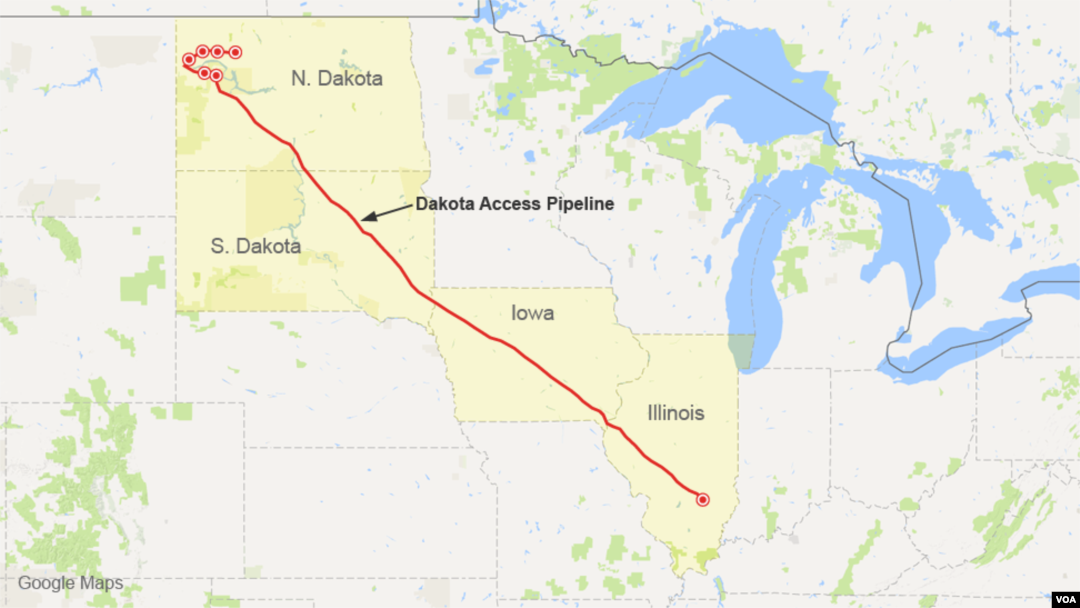
At its core, the Dakota Access Pipeline is a 1,172-mile underground oil pipeline designed to transport crude oil from the Bakken oil fields in northwestern North Dakota to an oil terminal near Patoka, Illinois. Owned by Energy Transfer Partners, it was completed in 2017. The pipeline’s capacity is around 570,000 barrels per day, making it a critical piece of energy infrastructure for the region and the nation. However, its construction ignited widespread protests, primarily led by the Standing Rock Sioux Tribe and their allies, who raised concerns about potential environmental impacts on their primary water source, the Missouri River, and the desecration of sacred burial grounds. These protests garnered international attention, transforming a regional infrastructure project into a global symbol of Indigenous peoples’ rights and environmental activism.
For those planning a road trip or an immersive experience through the American heartland, understanding the context of the Dakota Access Pipeline can enrich their journey. It encourages a deeper appreciation for the diverse landscapes, the resilient communities, and the complex issues that shape these states. This article will explore the pipeline’s path, the regions it traverses, and how its story intertwines with the travel and lifestyle offerings of North Dakota, South Dakota, Iowa, and Illinois, inviting you to look beyond the headlines and discover the rich tapestry of the Midwest.
Understanding the Route and Regional Impact: A Traveler’s Guide to the Heartland
The Dakota Access Pipeline begins its journey in the expansive, resource-rich plains of North Dakota and weaves its way southeastward, crossing four states, numerous rivers, and vast agricultural lands before reaching its terminus in Illinois. For the discerning traveler, this route highlights the incredible diversity of the American Midwest, from rugged badlands to fertile farmlands and bustling urban centers. Each state offers unique attractions and opportunities for exploration, providing a compelling backdrop to the pipeline’s story.
North Dakota’s Plains and Tribal Lands
The journey begins in the vast Bakken oil fields of western North Dakota, a region characterized by rolling prairies, dramatic geological formations, and a strong sense of frontier spirit. This area is home to the Mandan, Hidatsa, and Arikara Nation (also known as the Three Affiliated Tribes), whose lands encompass the Fort Berthold Indian Reservation along the Missouri River. While the pipeline’s exact path is not a tourist attraction, visiting areas near its origin allows travelers to experience the vibrant energy industry, which has dramatically reshaped the state, alongside significant natural attractions.
Nearby, Theodore Roosevelt National Park offers stunning badlands scenery, abundant wildlife, and hiking activities. It’s a place where you can immerse yourself in the natural beauty that inspired a conservation president. The state capital, Bismarck, located closer to the pipeline’s major crossing point of the Missouri River and Lake Oahe, serves as a convenient base for exploring central North Dakota. Here, visitors can find a range of accommodation options, from modern hotels and suites to comfortable local stays, alongside cultural institutions like the North Dakota Heritage Center & State Museum, which provides valuable insights into the state’s history, including its Native American roots and pioneer lifestyle.
Traversing South Dakota’s Landscapes
From North Dakota, the Dakota Access Pipeline continues its south-easterly trajectory into South Dakota, a state renowned for its iconic landmarks and dramatic scenery. While the pipeline itself is out of sight, its presence quietly underscores the economic dynamics of the region. This part of the Midwest is a treasure trove for travelers seeking both natural wonders and historical depth.
The state is famously home to Badlands National Park, a striking landscape of eroded buttes, pinnacles, and spires, and a rich fossil bed. Further west in the Black Hills, visitors can marvel at Mount Rushmore and the ongoing creation of the Crazy Horse Memorial, both testaments to American history and Native American resilience. Although these major attractions are not directly along the pipeline’s path, they are within a day’s drive and reflect the profound historical and cultural layers of the region. Cities like Sioux Falls, the largest city in South Dakota and a prominent hub near the pipeline’s route, offer modern hotels, diverse cuisine, and vibrant local culture, serving as excellent bases for exploring the wider area.
The Journey Through Iowa and Illinois
As the Dakota Access Pipeline moves eastward, it traverses the agricultural heartland of Iowa, a state synonymous with cornfields, charming small towns, and friendly communities. The pipeline passes through some of the most productive farmland in the world, highlighting the interplay between energy infrastructure and agricultural productivity. Travelers exploring Iowa can enjoy serene scenic drives, visit local farmers’ markets, and discover hidden gems like the Effigy Mounds National Monument along the Mississippi River, preserving ancient burial sites and offering insights into prehistoric Native American cultures.
The state capital, Des Moines, offers a mix of urban sophistication and Midwestern charm. Its hotels, resorts, and vibrant dining scene make it an ideal stop. Visitors can also explore the Pappajohn Sculpture Park or catch a show, embracing the lifestyle of a modern Midwestern city.
Finally, the pipeline reaches its conclusion in Illinois, near Patoka, a strategic hub for oil distribution. While Patoka itself is a smaller community, its proximity to larger cities like Springfield and the wider Illinois region opens up numerous travel opportunities. Illinois is a state of diverse landscapes, from the bustling metropolis of Chicago to the quiet beauty of its state parks and the historical significance of Abraham Lincoln’s legacy in Springfield. The Illinois State Museum offers a glimpse into the state’s natural and cultural history, while the scenic Mississippi River State Trail provides pathways for cycling and hiking. The endpoint of the pipeline in Illinois serves as a reminder of the vast journey crude oil undertakes and the intricate network of infrastructure that underpins modern lifestyle.
The Cultural and Historical Significance: A Traveler’s Perspective
The story of the Dakota Access Pipeline extends far beyond its physical route and economic function. It is deeply intertwined with profound cultural and historical narratives, particularly concerning Indigenous peoples’ rights, land stewardship, and the complex relationship between progress and preservation. For the traveler seeking more than just picturesque views, delving into these aspects offers an enriching and thought-provoking experience.
The Standing Rock Movement and Indigenous Heritage
Perhaps the most significant chapter in the Dakota Access Pipeline’s history is the Standing Rock Movement. Beginning in 2016, thousands of people, led by the Standing Rock Sioux Tribe, gathered in North Dakota to protest the pipeline’s construction, specifically its planned crossing beneath Lake Oahe, a source of drinking water for the tribe and a sacred ancestral area. The protests evolved into a powerful demonstration of Indigenous peoples’ sovereignty and environmental protection.
For travelers interested in cultural tourism and understanding local issues, learning about the Standing Rock Movement offers a unique opportunity. While the protest camps are no longer active, the legacy of the movement endures. Visitors can explore nearby Native American cultural centers and museums in North Dakota and South Dakota that offer insights into the rich heritage, traditions, and contemporary lives of the tribes. These sites provide a crucial perspective on the deep spiritual connection Indigenous peoples’ have with the land and water, a connection that informed their opposition to the pipeline. Engaging with these stories fosters a deeper understanding of American history and the ongoing struggle for social and environmental justice.
Exploring Nearby Cultural Sites and Landmarks
Beyond the specific context of the pipeline, the states it traverses are dotted with numerous cultural sites and landmarks that speak to the broader history and heritage of the Midwest. From the historical significance of the Lewis and Clark Trail along the Missouri River to the pioneer museums scattered across the plains, there are countless opportunities to immerse oneself in the region’s past.
In North Dakota, the state capital of Bismarck offers the North Dakota Heritage Center & State Museum, an essential stop for anyone interested in the state’s comprehensive history, including its Native American and geological past. South Dakota provides opportunities to visit sites related to the Wounded Knee Massacre and learn about the Lakota people. In Iowa, the Effigy Mounds National Monument offers a sacred glimpse into prehistoric Native American mound-building cultures. These attractions serve as powerful reminders of the deep layers of human history that underlie the modern landscape, making the Midwest a compelling region for educational travel.
Planning Your Visit: Accommodation and Experiences Along the Way
While the Dakota Access Pipeline itself isn’t an itinerary item, the regions it traverses are full of incredible opportunities for travel and exploration. Planning a trip through these states allows for a rich tapestry of experiences, whether you’re interested in nature, history, local culture, or simply enjoying the open road.
Where to Stay: Hotels, Resorts, and Local Stays
Along the entire pipeline route, from the energy boomtowns of North Dakota to the agricultural hubs of Iowa and the urban centers of Illinois, you’ll find a diverse range of accommodation options to suit every budget and lifestyle.
In cities like Bismarck, Sioux Falls, Des Moines, and Springfield, major hotel chains offer reliable and comfortable stays, with amenities ranging from modern suites and resorts perfect for business stays or luxury travel. For those seeking a more personal touch, many towns offer charming local stays, bed and breakfasts, or even unique apartments and villas available for long-term stay or shorter visits. Online booking platforms make it easy to compare options, read reviews, and find the perfect spot. If you’re exploring the national parks in North Dakota or South Dakota, camping and rustic cabins also offer immersive nature experiences. Even smaller towns like Patoka, Illinois, will have a selection of convenient hotels or motels for passing through.
Embracing Midwestern Cuisine and Activities
No travel experience is complete without indulging in local food and engaging in regional activities. The Midwest offers a delightful array of Midwestern cuisine and pastimes. Expect hearty meals, from farm-to-table freshness in Iowa and Illinois to delicious steak and bison dishes in the Dakotas. Many small towns feature charming diners and cafes where you can savor classic comfort food.
Activities vary widely by state. In North Dakota and South Dakota, outdoor pursuits dominate, including hiking, fishing, hunting, and exploring the badlands or the Black Hills. Iowa is perfect for scenic drives, visiting vineyards, exploring charming small towns, and enjoying its vibrant arts scene in cities like Des Moines. Illinois offers a mix of urban excitement in Chicago (a short drive from Patoka) with world-class museums, architecture, and dining, alongside serene state parks and historical sites dedicated to Abraham Lincoln. Guides and tips for each region are readily available online or through local tourism offices, making it easy to tailor your trip, whether it’s a budget travel adventure or a luxurious family getaway.
The Broader Lifestyle and Ecotourism Connection
The discussion around the Dakota Access Pipeline serves as a potent reminder of the interconnectedness of our lifestyle choices, energy consumption, and environmental impact. For a travel-focused platform like ours, this connection highlights the growing importance of ecotourism and responsible travel – practices that encourage travelers to minimize their footprint, respect local cultures, and contribute positively to the communities they visit.

Responsible Travel and Understanding Local Issues
Engaging with the story of the Dakota Access Pipeline as part of a Midwestern travel itinerary offers a unique opportunity for conscious tourism. It prompts visitors to consider the resources that power their journeys, the impact of infrastructure development on natural landscapes and Indigenous peoples’ rights, and the delicate balance between economic development and environmental stewardship.
Responsible travel doesn’t just mean choosing eco-friendly hotels or reducing waste; it also means actively seeking to understand the local issues that shape a destination. By visiting museums, cultural sites, and engaging with local communities, travelers can gain valuable insights into the multifaceted challenges and triumphs of the regions they explore. This approach transforms a simple vacation into an educational and impactful journey, aligning with the principles of ecotourism where learning and respect are paramount.
The states along the pipeline’s path—North Dakota, South Dakota, Iowa, and Illinois—offer more than just scenic routes and comfortable accommodation. They offer a chance to connect with the land, its people, and the complex stories that have shaped America’s heartland. From the pristine nature of national parks to the vibrant local culture of cities and towns, these regions invite travelers to explore with curiosity, respect, and a deeper understanding of the world around them. The Dakota Access Pipeline remains a powerful symbol, and for those who journey through the Midwest, its story is an integral part of the region’s compelling narrative.
LifeOutOfTheBox is a participant in the Amazon Services LLC Associates Program, an affiliate advertising program designed to provide a means for sites to earn advertising fees by advertising and linking to Amazon.com. Amazon, the Amazon logo, AmazonSupply, and the AmazonSupply logo are trademarks of Amazon.com, Inc. or its affiliates. As an Amazon Associate we earn affiliate commissions from qualifying purchases.