
Understanding the precise time in Colorado might seem like a straightforward task, easily resolved with a quick glance at your smartphone. However, for the discerning traveler, the seasoned business professional, or anyone planning a significant stay, delving deeper into Colorado’s time zone is far more than a simple clock check. It’s a crucial element in meticulously planning every aspect of your journey, from coordinating flights and booking accommodations to scheduling thrilling adventures and seamless business engagements. As a premier destination for travel, tourism, and diverse lifestyles, Colorado’s unique position in the global time scheme directly influences everything from the best time to hit the slopes to ensuring you don’t miss that crucial dinner reservation. This comprehensive guide will illuminate the nuances of Colorado’s time, helping you unlock an optimized and unforgettable experience in the Centennial State.
Understanding Colorado’s Place in the Global Clock
Colorado’s location in the heart of the American West places it firmly within a specific time zone that is critical for all visitors to comprehend. This foundational understanding sets the stage for efficient planning and a smooth transition into the rhythm of the Rockies.
The Mountain Time Zone (MST/MDT) Explained
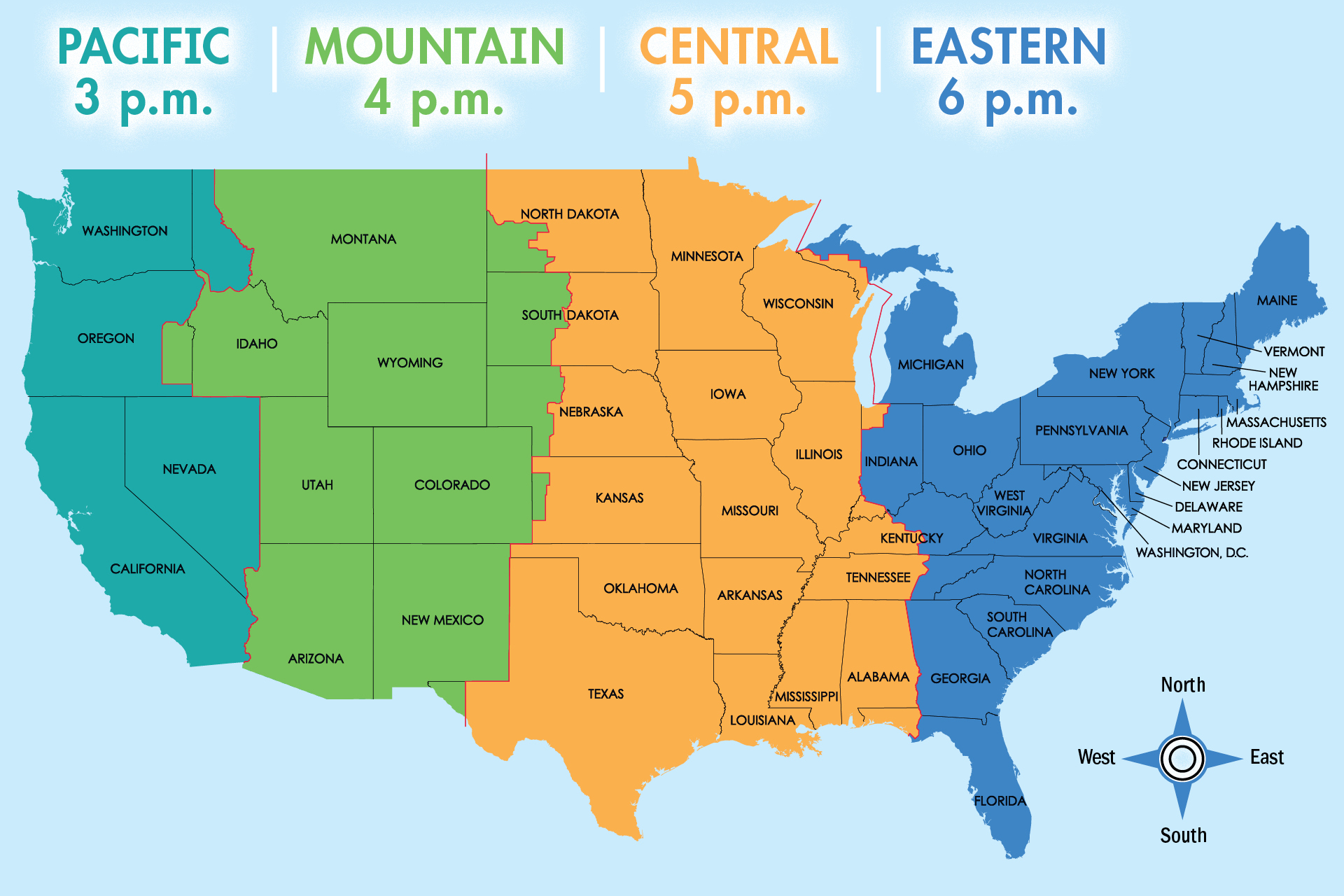
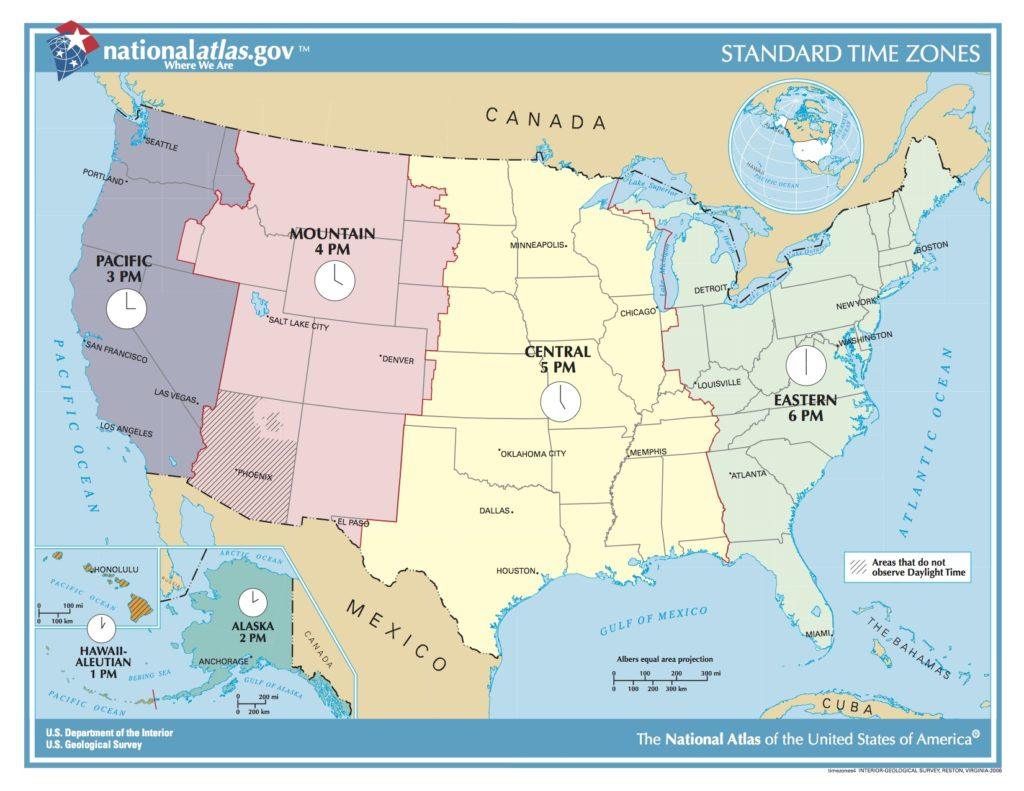
Colorado operates on Mountain Standard Time (MST) during the winter months. This means it is UTC-7 hours (Coordinated Universal Time minus seven hours). When Daylight Saving Time comes into effect, typically starting on the second Sunday in March and ending on the first Sunday in November, Colorado switches to Mountain Daylight Time (MDT), shifting forward one hour to UTC-6. This annual adjustment is vital to remember, as it impacts everything from flight schedules to the opening hours of attractions.
For travelers arriving from other parts of the United States, understanding these shifts is paramount. If you’re coming from the East Coast, for instance, New York (Eastern Standard Time/Eastern Daylight Time) is two hours ahead of Colorado. This means a 9:00 AM flight departure from New York will land you in Denver around 10:00 AM Colorado time, assuming a four-hour flight and no delays. Similarly, if you’re traveling from the West Coast (Pacific Standard Time/Pacific Daylight Time), Colorado is one hour ahead. So, a 9:00 AM flight from Los Angeles would land you in Denver closer to 12:00 PM local time. These seemingly small differences can profoundly affect your internal clock and initial itinerary. Familiarizing yourself with these time zone differences before your departure can significantly ease your transition and help prevent jet lag.
The Impact of Altitude and Time Adjustment
Beyond the clock, Colorado presents another unique challenge that often intertwines with time zone adjustments: its significant altitude. Denver, famously known as the “Mile High City,” is just one example of the state’s elevated terrain. Many popular destinations, particularly ski resorts and mountain towns like Aspen, Vail, or Telluride, sit even higher.
When you combine the physiological effects of a time zone change with the stress of adjusting to thinner air, your body can experience a double whammy. Symptoms of altitude sickness – headache, nausea, fatigue – can be exacerbated by jet lag. It’s crucial to acknowledge this potential impact on your health and well-being. To mitigate these effects, experts recommend several strategies: prioritize hydration by drinking plenty of water, avoid excessive alcohol and caffeine upon arrival, get ample rest, and ease into strenuous physical activities. Planning a slightly lighter itinerary for your first day or two can make a significant difference in your overall enjoyment and help your body acclimate smoothly to both the new time and the majestic heights of Colorado.
Seamless Travel Planning: Time Zone as Your Guide
Integrating Colorado’s time zone into your travel planning is not just about avoiding missed appointments; it’s about optimizing every minute of your trip. From the moment you confirm your journey to the last farewell, time plays an undeniable role.
Booking Flights and Accommodation with Precision
The precision of your bookings, whether for airfare or accommodation, hinges on your understanding of time zones. When browsing flight times, remember that schedules are always listed in local time. This means if you see an arrival time of 3:00 PM for your flight into Denver, it’s 3:00 PM Mountain Time. Failing to account for this can lead to miscalculations regarding connecting flights, car rentals, or the availability of ground transportation.
Similarly, check-in and check-out times for hotels, suites, apartments, or villas are strictly adhered to in local time. If your flight arrives early in the morning and standard hotel check-in is 3:00 PM, you’ll need to plan for that interim period. Many properties offer luggage storage, or you might consider booking an extra night if an early check-in is essential, especially after a long journey across multiple time zones. Conversely, understanding check-out times is vital for seamless departure planning, ensuring you don’t incur late fees or disrupt your travel schedule. Utilizing online booking platforms often allows you to specify preferred arrival times, giving the hotel a heads-up and potentially facilitating smoother transitions.
Scheduling Attractions and Experiences
Colorado boasts an incredible array of landmarks and activities, from iconic national parks to vibrant city centers. Effectively scheduling these experiences requires a keen awareness of their operating hours, which are always dictated by local Colorado time. Popular sites like Rocky Mountain National Park or Mesa Verde National Park often have timed entry systems, especially during peak seasons, where reservations must be made for specific time slots. Missing your window due to a time zone miscalculation could lead to disappointment.
Furthermore, many guided tours, ski lessons in Breckenridge Ski Resort, whitewater rafting excursions, or even specialized dining reservations in Boulder or Colorado Springs operate on strict schedules. Always double-check the local start times and allow ample buffer for travel, particularly if you’re navigating unfamiliar roads or potential traffic in areas like the I-70 corridor during ski season. Being punctual not only ensures you get to participate in your chosen activities but also shows respect for local tour operators and fellow travelers. Planning a realistic daily itinerary, factoring in travel time between locations, will greatly enhance your Colorado experience.
Maximizing Your Colorado Adventure: A Timely Itinerary
With a solid understanding of Colorado’s time zone, you can strategically plan your days to make the most of every moment. From serene sunrises over the Front Range to vibrant city nights, timing is everything.
Embracing the Colorado Morning: Early Bird Catches the Scenery
Colorado mornings are often magical, particularly for those who embrace an early start. The light is soft, the air is crisp, and the crowds are minimal. This is the ideal time for sunrise hikes in the Flatirons near Boulder or capturing breathtaking photographs at Garden of the Gods before the rush of visitors. For winter sports enthusiasts, “first tracks” at ski resorts like Vail or Aspen are a coveted experience, offering pristine slopes and unparalleled quiet.
Consider an early breakfast at a charming local cafe in Golden or Telluride, fueling up before a full day of exploration. Starting your adventures early means you beat the heat in summer, avoid traffic bottlenecks, and secure prime parking spots at popular trailheads. It also allows for more flexibility later in the day, should you wish to extend an activity or simply relax. Leveraging the quiet beauty of a Colorado morning is a fantastic way to immerse yourself in the state’s natural splendor and enjoy a more peaceful start to your day.

Afternoon Explorations: Culture, Cities, and Natural Wonders
As the day progresses, Colorado transforms, offering a different set of experiences. Afternoons are perfect for exploring the state’s rich cultural scene or delving into its bustling urban environments. In Denver, you could spend hours wandering through the impressive collections at the Denver Art Museum or delving into history at the Molly Brown House Museum. For those near Colorado Springs, a visit to the U.S. Air Force Academy offers a fascinating glimpse into military life and stunning architecture.
Scenic drives, such as the Peak to Peak Scenic Byway or a leisurely drive through the Poudre Canyon near Fort Collins, are also ideal for afternoon excursions when the sun is high and visibility is excellent. Shopping enthusiasts can explore the upscale boutiques of Cherry Creek in Denver or browse the unique shops along Pearl Street Mall in Boulder. Remember to factor in travel time between destinations, especially if you’re venturing into the mountains where road conditions and distances can add unexpected minutes to your journey.
Evening Delights: From Stargazing to City Lights
As twilight descends, Colorado presents a captivating array of evening activities. For a memorable musical experience, catching a concert at the iconic Red Rocks Amphitheatre is a must-do, often timed perfectly with a stunning sunset over the plains. Urban areas like Denver truly come alive in the evening, with a vibrant dining scene ranging from casual eateries to gourmet restaurants along Larimer Square. The craft brewery culture in cities like Fort Collins and Boulder offers a relaxed way to unwind and sample local brews.
For those seeking a more tranquil end to their day, Colorado’s vast, clear skies offer some of the best stargazing opportunities in the country. Many mountain resorts and designated Dark Sky Parks, like Black Canyon of the Gunnison National Park, provide incredible celestial displays, far from city lights. Evening planning might also include relaxing at your chosen accommodation, enjoying the amenities of your resort, or simply reflecting on the day’s adventures from a cozy balcony or by a crackling fireplace.
Beyond the Vacation: Time for Business and Lifestyle in Colorado
Colorado’s appeal extends far beyond leisure travel, making its time zone considerations relevant for those on business stays, long-term residents, or anyone contemplating relocation.
Business Stays and Remote Work
For professionals conducting business stays in Denver or Colorado Springs, navigating the Mountain Time Zone is crucial for seamless operations. Coordinating meetings with clients or colleagues across the United States requires careful planning. The Mountain Time Zone’s central position offers a unique advantage, often bridging the gap more easily between East and West Coast businesses. For example, a 9:00 AM meeting in Denver is 11:00 AM in New York and 8:00 AM in Los Angeles, making it relatively convenient for all parties.
Many hotels and resorts in Colorado cater to business travelers, offering suites with dedicated workspaces, high-speed internet, and convenient access to convention centers and corporate offices. Remote workers choosing to base themselves in Colorado will also find the time zone beneficial for maintaining connection with clients and teams nationwide, allowing for productive mornings and ample time in the afternoons to enjoy the state’s outdoor offerings. This blend of professional convenience and unparalleled lifestyle opportunities makes Colorado an increasingly attractive hub for dynamic individuals and companies.
Long-Term Stays and Relocation
For those considering a long-term stay or even relocation to Colorado, understanding the rhythm of life governed by MST/MDT becomes second nature. Adjusting daily routines to the local clock, especially for families with school-aged children or individuals with established routines from different time zones, is a gradual but rewarding process. Seasonal changes significantly impact lifestyle here, with different activities dominating the calendar – from intense ski season in winter to vibrant hiking season in summer. These seasonal shifts often bring their own temporal adjustments, such as extended daylight hours in summer perfect for evening hikes, or shorter days in winter dictating earlier starts for mountain adventures.
Integrating into a new community also means adapting to local timings for events, social gatherings, and services. From knowing when the farmer’s market opens in Durango to the best time to avoid traffic on I-25, living by Colorado time soon becomes an intuitive part of daily life. The state offers diverse accommodation options for long-term residents, including modern apartments in city centers and spacious villas in scenic mountain towns, all designed to facilitate a comfortable and integrated lifestyle.
In conclusion, “What time is in Colorado?” is a question that opens the door to a deeper understanding of planning, experience, and immersion in this remarkable state. Far from a trivial detail, comprehending Colorado’s Mountain Time Zone is an essential tool for every traveler, ensuring seamless transitions, maximized adventures, and a truly enriched Colorado experience. By respecting the clock, you’re not just staying on schedule; you’re unlocking the full potential of your journey, whether for a fleeting visit or a lasting residence.
LifeOutOfTheBox is a participant in the Amazon Services LLC Associates Program, an affiliate advertising program designed to provide a means for sites to earn advertising fees by advertising and linking to Amazon.com. Amazon, the Amazon logo, AmazonSupply, and the AmazonSupply logo are trademarks of Amazon.com, Inc. or its affiliates. As an Amazon Associate we earn affiliate commissions from qualifying purchases.