
Detroit, often known as the Motor City, has a narrative unlike any other major metropolitan area in the United States. For decades, its story was intertwined with the rise and fall of the American automotive industry, leading to periods of immense prosperity followed by significant economic decline and urban decay. However, to ask “What happened in Detroit?” today is to inquire about one of the most remarkable urban transformations of the 21st century. The city has experienced an extraordinary resurgence, reinventing itself as a vibrant hub of culture, innovation, and community spirit, making it an increasingly popular destination for travelers seeking authentic experiences, rich history, and a burgeoning contemporary scene.

This comprehensive guide delves into the essence of modern Detroit, exploring its journey from industrial powerhouse to resilient comeback kid. We’ll uncover the historical context that shaped its present, highlight the must-see attractions that define its unique character, navigate its diverse culinary landscape, and offer insights into accommodation and travel that ensure an unforgettable visit. Whether you’re a history buff, an art enthusiast, a foodie, or simply someone curious about urban revitalization, Detroit offers a compelling story and a wealth of experiences that challenge preconceived notions and celebrate the spirit of human ingenuity.
The Resurgence of a Great American City
To truly understand what happened in Detroit, one must appreciate its intricate past. Founded in 1701 by Antoine de la Mothe Cadillac, its strategic location on the Detroit River made it a crucial trading post and, eventually, the heart of the American industrial revolution. The early 20th century saw an explosion of growth fueled by pioneering figures like Henry Ford, who revolutionized manufacturing with the assembly line. This era cemented Detroit’s identity as the global automotive capital, drawing millions seeking economic opportunity and contributing to a rich tapestry of cultural diversity.
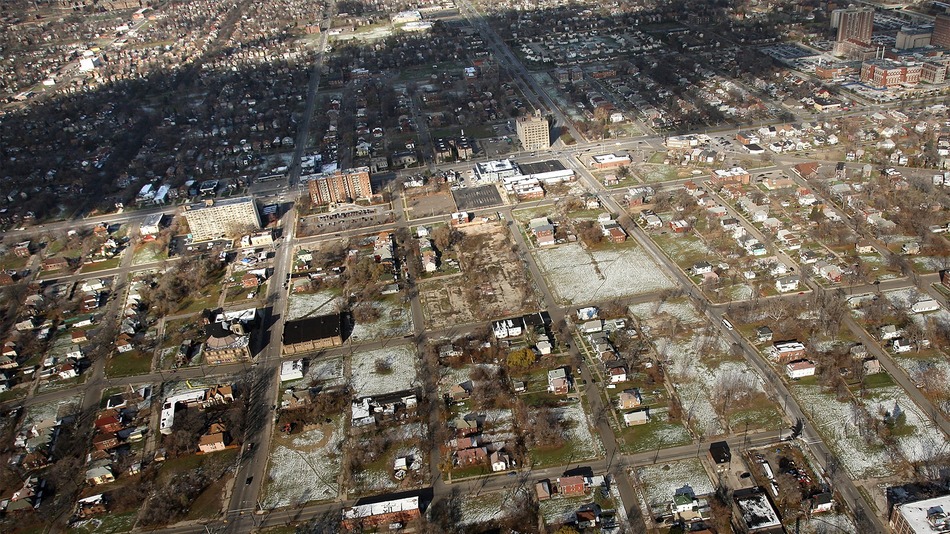
However, the mid-to-late 20th century brought significant challenges, including shifts in manufacturing, racial tensions, and economic downturns, which led to a dramatic population decrease and widespread urban blight. The city’s 2013 bankruptcy filing was a stark symbol of its struggles. Yet, this challenging period also marked a turning point. Instead of succumbing to its woes, Detroit began a slow but determined path to recovery, driven by local initiatives, philanthropic investments, and a renewed sense of pride among its residents. Today, Downtown Detroit and its surrounding neighborhoods are buzzing with new businesses, residential developments, and a creative energy that is palpable.
A Rich History, Reimagined
The story of Detroit’s revival is deeply rooted in its respect for its past while simultaneously embracing the future. Historical buildings that once stood vacant have been meticulously restored and repurposed, blending their architectural grandeur with modern functionalities. For instance, the iconic Guardian Building, a National Historic Landmark and a masterpiece of Art Deco architecture, once represented the city’s economic might and now serves as a testament to its enduring beauty and ongoing preservation efforts. Similarly, the Fisher Building, another Art Deco gem, continues to awe visitors with its opulent lobby and intricate detailing, embodying the city’s commitment to its architectural heritage.
The transformation extends beyond individual structures to entire districts. Areas like Corktown, the city’s oldest surviving neighborhood, have seen a vibrant revival, attracting new residents and businesses while maintaining its historic charm. Midtown, home to cultural institutions and universities, has become a dynamic hub of arts, education, and innovation. This blend of preservation and progress is a key part of what makes modern Detroit so fascinating – it’s a city that continuously learns from its past to build a more robust future.
The Spirit of Innovation and Resilience
Detroit’s comeback is not just about brick and mortar; it’s about the spirit of its people. The city has always been a hotbed of innovation, from the automotive industry to the birth of Motown music. This inventive spirit continues today, fostering a thriving entrepreneurial ecosystem. Startups are flourishing, often finding unique solutions to urban challenges, and the city has become a magnet for creatives and innovators. The community’s resilience is evident in the numerous grassroots movements and local businesses that have championed Detroit’s revitalization from the ground up.
Furthermore, partnerships between government, businesses, and community organizations have been instrumental. Major philanthropic efforts and corporate investments have poured into the city, creating new opportunities and infrastructure. The establishment of the Detroit Riverfront Conservancy, for example, has led to the development of the beautiful Detroit Riverwalk, transforming neglected industrial areas into a popular recreational space offering stunning views of the city skyline and Canada across the river. This collective effort underscores a fundamental truth about Detroit: its strength lies in its people’s unwavering determination to rebuild and redefine their home.
Detroit’s Must-Visit Landmarks and Attractions
For travelers, Detroit’s rich history and ongoing revitalization translate into an incredible array of attractions and experiences. From world-class museums to architectural marvels and vibrant public spaces, there’s something to capture every interest. The city offers a unique blend of historical reflection and contemporary vibrancy that makes every visit memorable.
Iconic Museums and Cultural Hubs
No trip to Detroit is complete without immersing oneself in its incredible museum scene. The Detroit Institute of Arts (DIA) stands as a crown jewel, housing an encyclopedic collection of over 65,000 works of art, including Diego Rivera’s iconic “Detroit Industry Murals.” This institution is not just a gallery but a vibrant community center, deeply woven into the city’s cultural fabric.
A short drive away, in Dearborn, you’ll find The Henry Ford Museum of American Innovation and Greenfield Village. This sprawling complex offers an unparalleled journey through American history, showcasing groundbreaking inventions, historical artifacts like the Rosa Parks bus and the limousine that carried President Kennedy, and interactive exhibits. Greenfield Village transports visitors back in time with historic buildings, working farms, and demonstrations of traditional crafts.
For music enthusiasts, the Motown Museum, housed in “Hitsville U.S.A.,” is a pilgrimage site. This humble house on West Grand Boulevard is where Berry Gordy Jr. built his legendary record label, shaping the sound of a generation. Visitors can stand in Studio A, where The Supremes, The Temptations, and Marvin Gaye recorded their hits, feeling the magic of its musical legacy. The Charles H. Wright Museum of African American History is another essential stop, offering profound insights into the rich history and culture of African Americans through engaging exhibits and programs.
Architectural Wonders and Public Spaces

Beyond its museums, Detroit’s landscape is adorned with architectural marvels that tell stories of ambition and grandeur. The Renaissance Center, affectionately known as the “RenCen,” is a cluster of seven interconnected skyscrapers that dominate the city’s skyline, serving as General Motors’ global headquarters and a symbol of Detroit’s resilience. Its central tower, the Detroit Marriott at the Renaissance Center, offers breathtaking views of the city and the Detroit River.
The historic Fox Theatre, a majestic movie palace from the 1920s, has been beautifully restored and now hosts concerts, Broadway shows, and special events, its opulent interior a stunning tribute to a bygone era. For sports fans, Comerica Park (home to the Detroit Tigers) and Little Caesars Arena (home to the Detroit Red Wings and Detroit Pistons) offer state-of-the-art venues for catching a game or a major concert.
Public spaces like Campus Martius Park serve as the city’s living room, hosting events year-round, from outdoor concerts in summer to an ice-skating rink in winter. Belle Isle Park, a 982-acre island park designed by Frederick Law Olmsted (who also designed New York’s Central Park), offers a tranquil escape with an aquarium, conservatory, and stunning views. These spaces are vital to the city’s renewed vibrancy, providing gathering spots and recreational opportunities for residents and visitors alike.
Culinary Delights and Vibrant Local Culture
Detroit’s revitalization extends powerfully into its culinary and cultural scenes. Once known primarily for its Coney Island hot dogs, the city has blossomed into a diverse foodie paradise and a hub of artistic expression, reflecting the rich tapestry of its population.
A Thriving Food Scene
The gastronomic landscape of Detroit is an exciting exploration of flavors, from classic comfort food to innovative fine dining. No visit is complete without trying a classic Coney Island hot dog, a unique Detroit invention featuring a hot dog topped with chili, onions, and mustard. The legendary rivalry between American Coney Island and Lafayette Coney Island offers a delicious and quintessential Detroit experience.
Beyond the classics, neighborhoods like Corktown and Midtown are bursting with acclaimed restaurants offering everything from farm-to-table cuisine to ethnic specialties. Eastern Market, one of the oldest and largest historic public markets in the United States, is a vibrant hub on Saturdays, where locals and visitors can find fresh produce, artisanal goods, and a variety of food vendors, epitomizing the city’s commitment to local commerce and community. The city’s burgeoning craft brewery and distillery scene also offers plenty of opportunities to sample local libations.
Music, Art, and Entertainment
Detroit’s contribution to the world of music is legendary, from the Motown sound to its pivotal role in the development of techno music. This musical heritage continues to thrive, with live music venues ranging from intimate jazz clubs to large arenas. The annual Movement Electronic Music Festival draws thousands of techno fans from around the globe, while the Detroit Jazz Festival showcases world-class talent, underscoring the city’s diverse musical roots.
The art scene is equally dynamic. Beyond the DIA, galleries showcasing local artists are popping up across the city, particularly in areas like the Canfield Street district. Street art, murals, and public art installations contribute to Detroit’s vibrant visual landscape, transforming urban spaces into open-air galleries. The city’s creative energy is a powerful draw, offering endless opportunities for cultural engagement and unique entertainment experiences.
Where to Stay and How to Explore
Planning a trip to Detroit involves choosing the right accommodation and understanding the best ways to navigate the city. Whether you’re seeking luxury, budget-friendly options, or a unique boutique experience, Detroit’s hospitality sector has grown significantly to cater to all types of travelers.
Diverse Accommodation Options
Detroit’s hotel landscape has undergone a remarkable transformation, offering a wide range of choices that blend modern amenities with the city’s unique character. For those seeking luxury and iconic status, the Detroit Marriott at the Renaissance Center provides unparalleled views and direct access to Downtown attractions. Boutique hotels like the Shinola Hotel offer a stylish, design-forward experience with locally inspired touches, while The Siren Hotel, housed in the historic Wurlitzer Building, exudes vintage charm and eclectic design.
For a more classic and exclusive stay, the Detroit Club offers historic elegance and personalized service. Additionally, major casino hotels such as MGM Grand Detroit and MotorCity Casino Hotel provide comprehensive entertainment options, including dining, gaming, and live performances, alongside comfortable accommodations. Newer additions like The Godfrey Hotel Detroit in Corktown signify the ongoing expansion of upscale lodging options. For budget-conscious travelers or those planning extended stays, a variety of apartments and vacation rentals are also available, particularly in neighborhoods like Midtown and Corktown, offering a more local experience.
Navigating the Motor City
Despite its reputation as the Motor City, Detroit offers several convenient ways to get around. For exploring the vibrant Downtown, Midtown, and New Center areas, the QLINE, a modern streetcar system along Woodward Avenue, is an excellent option. It connects many key attractions, museums, and dining spots. The People Mover, an elevated rail system, offers a quick and affordable loop around the central Downtown business district, providing unique perspectives of the city.
For reaching attractions further afield, such as The Henry Ford in Dearborn or neighborhoods not served by public transit, ride-sharing services and taxis are readily available. Renting a car is also a viable option, especially if you plan to explore the broader Metro Detroit area or venture into neighboring Michigan cities. However, within the compact and walkable areas of Downtown and Midtown, you might find yourself walking more than you expect, soaking in the city’s street-level energy.
What happened in Detroit is a testament to perseverance, innovation, and community spirit. It’s a city that has faced immense challenges and emerged stronger, more diverse, and more captivating than ever before. From its historic landmarks and world-class museums to its dynamic culinary scene and vibrant cultural offerings, Detroit invites travelers to witness a truly remarkable urban renaissance. Planning a trip to Detroit means embarking on an adventure that will surprise, inspire, and deeply enrich your understanding of American history and its ongoing evolution. Come and discover the story for yourself—the Motor City is ready to welcome you.
LifeOutOfTheBox is a participant in the Amazon Services LLC Associates Program, an affiliate advertising program designed to provide a means for sites to earn advertising fees by advertising and linking to Amazon.com. Amazon, the Amazon logo, AmazonSupply, and the AmazonSupply logo are trademarks of Amazon.com, Inc. or its affiliates. As an Amazon Associate we earn affiliate commissions from qualifying purchases.