
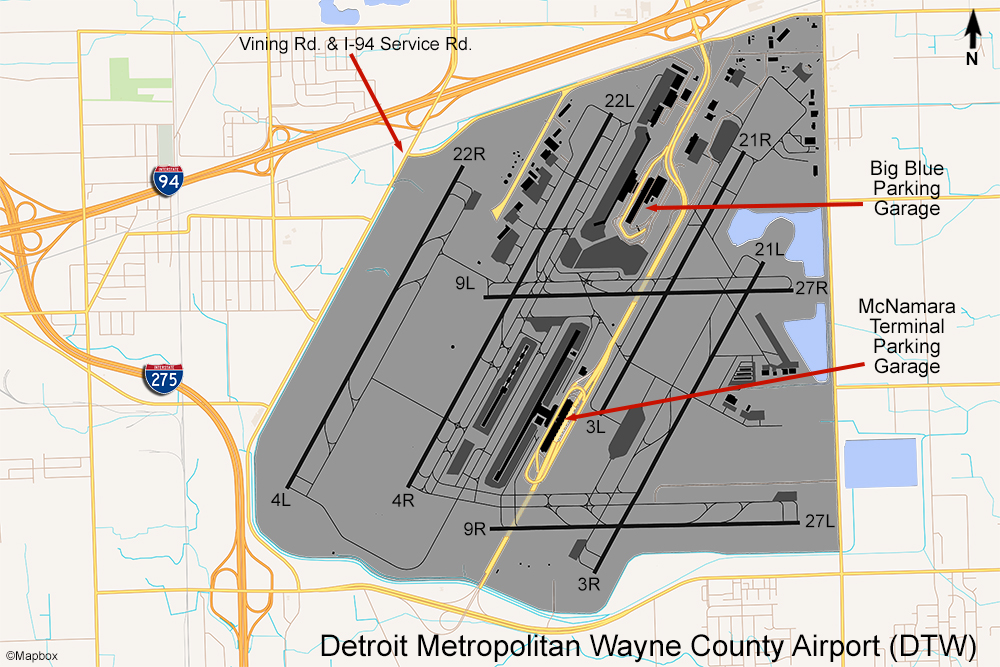
For travelers venturing into the heart of the American Midwest, one question often arises as they plan their journey: “Where is Detroit Wayne County Airport?” Officially known as Detroit Metropolitan Wayne County Airport (DTW), this vital transportation hub serves as a critical gateway not only to the vibrant city of Detroit but also to the broader Michigan region and beyond. Strategically located in Romulus, Michigan, approximately 18 miles southwest of downtown Detroit, DTW is a powerhouse of activity, facilitating millions of passenger movements and cargo operations each year. It’s a key player in the travel ecosystem, connecting passengers to a vast network of domestic and international destinations, making it an essential starting point for exploration and business within the Great Lakes area.
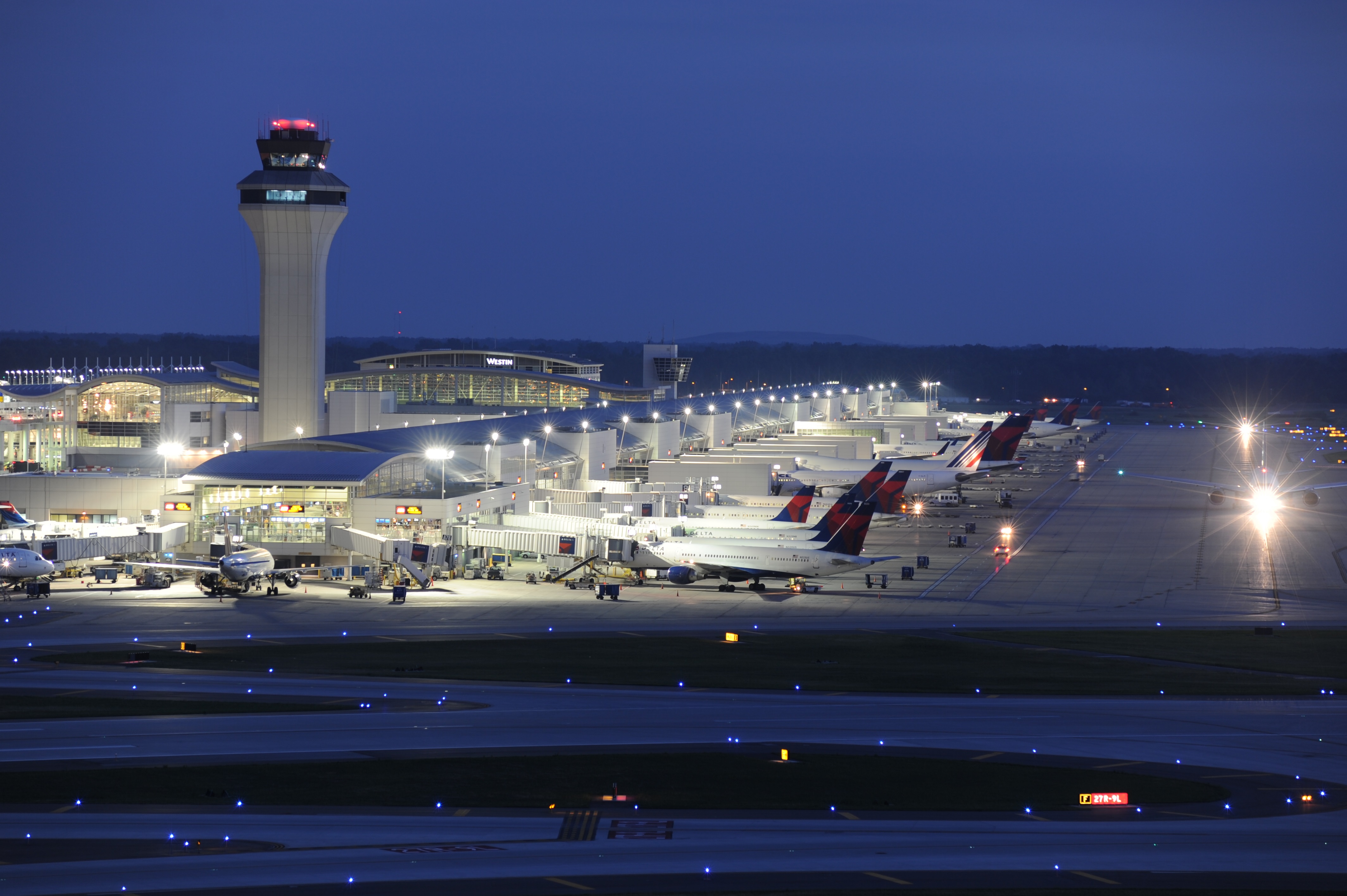
This comprehensive guide will delve into everything you need to know about DTW, from its strategic location and efficient operations to the myriad of experiences awaiting travelers in Detroit and its surrounding areas. Whether you’re planning a quick business trip, a family vacation, or a leisurely exploration of Michigan’s rich history and natural beauty, understanding DTW’s role and how to navigate it is the first step towards an unforgettable journey. We’ll explore the travel opportunities it unlocks, the accommodation options available, the unique tourism experiences in the region, and essential lifestyle tips for making the most of your visit.
Getting to Know Detroit Metropolitan Wayne County Airport (DTW)
As one of the busiest airports in North America, Detroit Metropolitan Wayne County Airport is far more than just a point of arrival or departure; it’s a meticulously designed facility geared towards efficiency, comfort, and connectivity. Its strategic location near major interstate highways positions it as an accessible hub for travelers across the Midwest.
A Major Hub for the Midwest
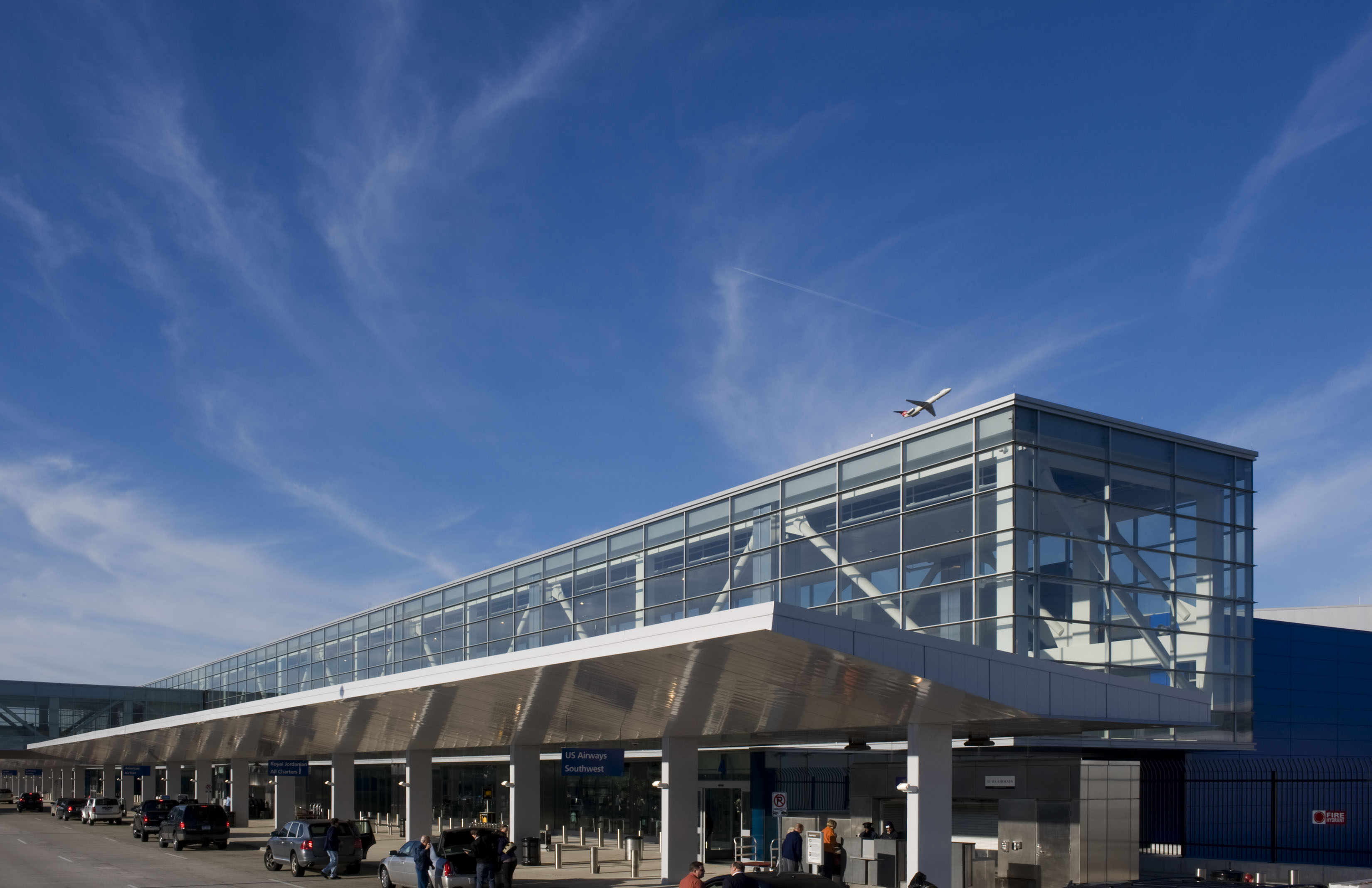
Detroit Metropolitan Wayne County Airport stands as a primary hub for Delta Air Lines and a focus city for Spirit Airlines, facilitating a robust network of flights that connect Detroit to cities across the globe. The airport boasts two main terminals: the McNamara Terminal and the North Terminal (rebranded as the Warren Cleage Evans Terminal in 2022). The McNamara Terminal is particularly renowned for its impressive architecture, efficient layout, and an array of amenities that enhance the passenger experience. It features a stunning underground tunnel with a light and sound show, connecting concourses, alongside an extensive selection of dining, retail, and lounge options. The North Terminal, while smaller, is equally modern and caters to a diverse range of airlines, offering a streamlined experience for travelers.
Both terminals are equipped with state-of-the-art facilities, including free Wi-Fi, charging stations, business centers, and various services designed to make layovers or delays as comfortable as possible. The airport’s commitment to passenger satisfaction is evident in its continuous efforts to improve accessibility, expand services, and incorporate new technologies, ensuring a smooth and enjoyable travel experience for everyone passing through its gates. Its status as a major international gateway means it plays a pivotal role in global tourism and business travel, drawing visitors from various countries to explore Michigan’s unique offerings.
Navigating to and From DTW
Given its location southwest of Detroit, accessibility to and from DTW is crucial for travelers. The airport is exceptionally well-connected to the wider metropolitan area and surrounding regions via an extensive network of roadways and public transportation options.
For those driving, DTW is conveniently located at the nexus of major expressways. I-94 runs directly past the airport, providing easy access to downtown Detroit to the east and Ann Arbor to the west. I-275, which intersects with I-94 just east of the airport, offers north-south connectivity, while I-75, a short drive away, extends connectivity throughout Michigan and beyond. Rental car services are readily available at both terminals, offering a flexible option for exploring the region at your own pace.
Public transportation provides a cost-effective alternative. The SMART (Suburban Mobility Authority for Regional Transportation) bus system offers routes connecting the airport to various locations in the suburbs, while DDOT (Detroit Department of Transportation) buses link to downtown Detroit. For more direct and convenient transfers, ride-sharing services like Uber and Lyft, as well as traditional taxi services, are available 24/7. Many hotels in the vicinity also provide complimentary shuttle services to and from the terminals, a detail worth checking when booking your accommodation. This diverse range of transportation options ensures that reaching your final destination from DTW is always a hassle-free experience, catering to various budgets and preferences.
Beyond the Runway: Exploring Detroit and Beyond
DTW’s strategic location makes it an ideal starting point for discovering the multifaceted charms of Detroit and the surrounding areas. The city, known for its automotive heritage, rich musical legacy, and resilient spirit, has undergone a remarkable revitalization, transforming into a dynamic hub of culture, innovation, and culinary delights.
Detroit’s Vibrant Resurgence
Detroit’s resurgence is palpable, offering visitors an eclectic mix of historical landmarks, contemporary attractions, and vibrant urban experiences. Downtown Detroit buzzes with activity, centered around Campus Martius Park, a year-round gathering place featuring a beach in summer and an ice-skating rink in winter.
Culture enthusiasts will be captivated by the city’s world-class museums. The Motown Museum, housed in “Hitsville U.S.A.,” offers an intimate glimpse into the birthplace of the legendary Motown sound, an essential pilgrimage for music lovers. Nearby, the Henry Ford Museum of American Innovation and Greenfield Village in Dearborn provide an unparalleled journey through American ingenuity and history, showcasing everything from presidential limousines to historic workshops. The Detroit Institute of Arts (DIA) boasts an impressive collection of global art, including Diego Rivera’s iconic “Detroit Industry Murals,” making it a cultural jewel.
For those seeking outdoor recreation, the Detroit Riverwalk offers miles of scenic pathways along the Detroit River, providing stunning views of the city skyline and across to Windsor, Ontario, Canada. Sports fans can catch a game at one of Detroit’s modern venues: Comerica Park for baseball’s Tigers or Little Caesars Arena for the Red Wings (NHL) and Pistons (NBA). The city’s culinary scene is equally diverse, ranging from classic Detroit-style pizza and Coney dogs to upscale dining experiences. This blend of history, culture, and modern vibrancy makes Detroit an exciting destination for all types of travelers.
Day Trips and Regional Highlights
Beyond Detroit’s urban core, the surrounding Michigan landscape offers a wealth of day trip opportunities and regional highlights accessible from DTW.
Just a short drive west lies Ann Arbor, home to the prestigious University of Michigan. This vibrant college town is known for its tree-lined streets, independent bookstores, diverse dining scene, and a lively arts and culture community. Visitors can explore the campus, browse unique shops, or enjoy a performance at one of its many theaters.
To the north, the charming Bavarian village of Frankenmuth offers a delightful escape, especially during the holiday season. Famous for its authentic German architecture, family-style chicken dinners, and Bronner’s Christmas Wonderland (the world’s largest Christmas store), Frankenmuth provides a unique cultural experience.
The state capital, Lansing, is also within a reasonable driving distance, offering insights into Michigan’s political history and a visit to its impressive State Capitol building. For nature lovers, the shores of Lake Erie are easily accessible, providing opportunities for boating, fishing, and enjoying picturesque waterfront parks. Moreover, for international travelers, the proximity to the Canadian border means a quick trip across to Windsor, Ontario, is a feasible option for experiencing another culture. These regional attractions make DTW a perfect base for extended exploration of the Great Lakes region.
Where to Stay: Accommodation Options Near DTW and in Detroit
Choosing the right accommodation is paramount to a comfortable and convenient travel experience. Whether you prioritize proximity to the airport for an early flight or desire an immersive stay in the heart of Detroit’s urban landscape, a diverse range of options caters to every preference and budget.
Airport Hotels for Convenience
For travelers with early morning flights, late arrivals, or simply seeking maximum convenience, the hotels surrounding Detroit Metropolitan Wayne County Airport are an ideal choice. Many of these properties offer complimentary shuttle services, ensuring a stress-free transfer directly to and from the terminals. Some even boast direct connections to the airport concourses.
Brands like Hilton, Marriott, and other reputable chains have a strong presence here. For instance, The Westin Detroit Metropolitan Airport is uniquely situated inside the McNamara Terminal, offering unparalleled convenience for connecting flights or short stays. Other popular choices nearby include the Detroit Metro Airport Marriott and various Hilton Garden Inn, Courtyard by Marriott, and Holiday Inn Express properties, all designed to provide comfort and essential amenities for weary travelers. These hotels often come equipped with soundproofed rooms, 24-hour dining options, fitness centers, and business facilities, making them suitable for both leisure and business travelers seeking efficiency.
Downtown Detroit Hotels for an Urban Experience
For those who wish to immerse themselves in the vibrant energy of Detroit’s revitalized city center, a wealth of accommodation options awaits. From luxurious boutique hotels to well-known chains and budget-friendly stays, downtown Detroit caters to all tastes.
The iconic Detroit Marriott at the Renaissance Center, situated within the towering Renaissance Center complex, offers breathtaking panoramic views of the city and the Detroit River. For a touch of luxury and unique design, the Shinola Hotel provides a bespoke experience with meticulously designed rooms and exceptional dining. The MGM Grand Detroit offers a resort-style experience with a casino, spa, and multiple dining venues. Other notable options include The Detroit Club, a historic boutique hotel, and various Hilton and Marriott properties strategically located near major attractions, sports venues, and the bustling business district. These hotels not only provide comfortable stays but also serve as excellent bases from which to explore Detroit’s rich cultural tapestry, culinary scene, and nightlife.
Beyond Hotels: Apartments, Villas, and Long-Term Stays
Beyond traditional hotels, Detroit and its surroundings offer an increasing number of alternative accommodation options, particularly appealing for families, groups, or those planning extended visits. Serviced apartments, for instance, provide the comforts of home with added amenities like fully equipped kitchens, laundry facilities, and separate living areas, offering greater flexibility and often better value for longer stays. Many are located in thriving downtown or Midtown neighborhoods, placing guests within easy reach of cultural institutions and dining.
Platforms like Airbnb and Vrbo also list a wide array of private rentals, from charming historic homes in neighborhoods like Corktown to modern lofts overlooking the city. These options can provide a more localized experience, allowing travelers to live like a local and discover hidden gems within residential communities. While true villas are less common within the immediate city, larger vacation homes or cottages can be found in the more suburban or rural areas surrounding Detroit, especially closer to lakes or recreational areas, catering to those seeking a more secluded or expansive lodging experience. When considering long-term accommodation, it’s always advisable to compare prices, reviews, and amenities to find the perfect fit for your travel style and duration.
Planning Your Trip: Essential Tips for Travelers
A successful trip to Detroit begins with thoughtful planning, especially concerning airport navigation, timing, and experiencing local culture.
Navigating DTW and Airport Amenities
Familiarizing yourself with Detroit Metropolitan Wayne County Airport before arrival can significantly enhance your experience. Security wait times can vary, so arriving well in advance of your flight is always recommended. Both the McNamara Terminal and the North Terminal offer diverse dining and shopping options, ranging from quick bites to sit-down restaurants, ensuring you can grab a meal or a last-minute souvenir. For those seeking a quiet space or enhanced services, various airline lounges are available, providing a comfortable environment for work or relaxation. Free Wi-Fi is accessible throughout the airport, making it easy to stay connected. Remember to check the airport’s official website for real-time flight information, parking availability, and any specific travel advisories.
Best Time to Visit and Local Culture
Detroit experiences four distinct seasons, each offering a unique charm. Summer (June-August) is popular for festivals, outdoor concerts, and enjoying the Detroit Riverwalk and Campus Martius Park. Fall (September-November) brings beautiful foliage and comfortable temperatures, ideal for exploring museums and neighborhoods. Winters (December-February) can be cold and snowy but offer opportunities for ice skating and enjoying festive events. Spring (March-May) is a transitional period with blooming flowers and warming weather.
Understanding local culture involves appreciating Detroit’s resilient spirit, its deep roots in music (Motown, techno), and its significant contributions to the automotive industry. Engaging with locals and exploring diverse neighborhoods will provide a richer understanding of this dynamic city.
Local Cuisine and Transportation in the City
Detroit’s culinary scene is a reflection of its diverse population and rich history. Don’t leave without trying authentic Detroit-style pizza, known for its thick, chewy crust and rectangular shape. Coney Island hot dogs are another local staple, often topped with chili, onions, and mustard. Beyond these classics, the city boasts an array of international cuisines, farm-to-table restaurants, and a burgeoning craft beer scene.
Getting around Detroit is relatively straightforward. While many visitors opt for rental cars to explore the broader region, downtown Detroit offers several convenient public transportation options. The QLine streetcar runs along Woodward Avenue, connecting many of the city’s major cultural and entertainment districts from downtown to Midtown and New Center. For shorter distances, the MoGo bike-share program is an excellent way to see the city. Ride-sharing services like Uber and Lyft are readily available, as are traditional taxis, ensuring you can navigate the city with ease and fully immerse yourself in its unique offerings.
In conclusion, Detroit Metropolitan Wayne County Airport serves as an essential entry point to a region brimming with history, culture, and innovation. Located strategically in Romulus, it seamlessly connects travelers to the revitalized city of Detroit and the picturesque landscapes of Michigan. From the moment you land at DTW, a world of exploration awaits, whether you’re delving into the Motown sound, marveling at automotive history, or simply enjoying the vibrant urban atmosphere. With diverse accommodation options, efficient transportation links, and a wealth of attractions both within the city and on accessible day trips, planning your journey to this dynamic region promises a memorable experience. So, pack your bags, prepare for adventure, and discover all that Detroit and its surrounding areas have to offer.
LifeOutOfTheBox is a participant in the Amazon Services LLC Associates Program, an affiliate advertising program designed to provide a means for sites to earn advertising fees by advertising and linking to Amazon.com. Amazon, the Amazon logo, AmazonSupply, and the AmazonSupply logo are trademarks of Amazon.com, Inc. or its affiliates. As an Amazon Associate we earn affiliate commissions from qualifying purchases.