
Florida, often known as the Sunshine State, conjures images of pristine beaches, vibrant Miami nightlife, enchanting theme parks in Orlando, and the serene beauty of its natural landscapes. It’s a premier destination for travelers seeking diverse experiences, from luxury resorts to adventurous ecotourism. Amidst its abundant wildlife, the alligator is an iconic symbol, frequently featured on postcards and in popular culture. However, a lesser-known, yet equally fascinating, reptilian inhabitant often sparks curiosity: the crocodile. Many visitors, and even some residents, are surprised to learn that Florida is indeed home to a native crocodile species. Far from being an exotic import or a zoo attraction, the American Crocodile thrives in the southernmost reaches of this captivating state, coexisting with its more famous alligator cousins. Understanding the presence of these ancient reptiles is not just a matter of zoological interest; it’s key to appreciating the unique biodiversity of Florida and planning a responsible, enriching wildlife adventure.

This article serves as a comprehensive guide to the American Crocodile in Florida, exploring its natural habitat, distinguishing features, conservation status, and how visitors can respectfully observe these magnificent creatures. For those planning a trip to Florida, especially to its wilder corners, this insight offers a deeper appreciation for the state’s natural heritage and ensures a safer, more informed experience. From luxury travel enthusiasts seeking unique wildlife encounters to budget travelers exploring the state’s natural landmarks, knowing about Florida’s native crocodiles adds an exciting layer to any itinerary.
The Truth About Florida’s Crocodilians: A Native Presence
Yes, the answer is a resounding yes! American Crocodiles (Crocodylus acutus) are indeed native to Florida. They represent the northernmost extent of this species’ range, which primarily spans across Central America, the Caribbean, and northern South America. Their presence in the United States is almost exclusively limited to South Florida, making this region a truly special place for reptile enthusiasts and nature lovers. While alligators are ubiquitous throughout much of the state, crocodiles maintain a much smaller, more concentrated population. Their existence here is a testament to the diverse ecosystems Florida supports, from freshwater marshes to brackish estuaries and saltwater coasts. Understanding where they live and how they differ from alligators is crucial for any visitor hoping to catch a glimpse of these elusive creatures.
Differentiating Florida’s Reptilian Residents: Alligators vs. Crocodiles
For the untrained eye, distinguishing between an alligator and a crocodile can be challenging, especially from a distance. However, there are several key differences that set them apart, both physically and behaviorally. These distinctions are not just fascinating but also important for anyone exploring Florida’s wild habitats.
Physical Characteristics:
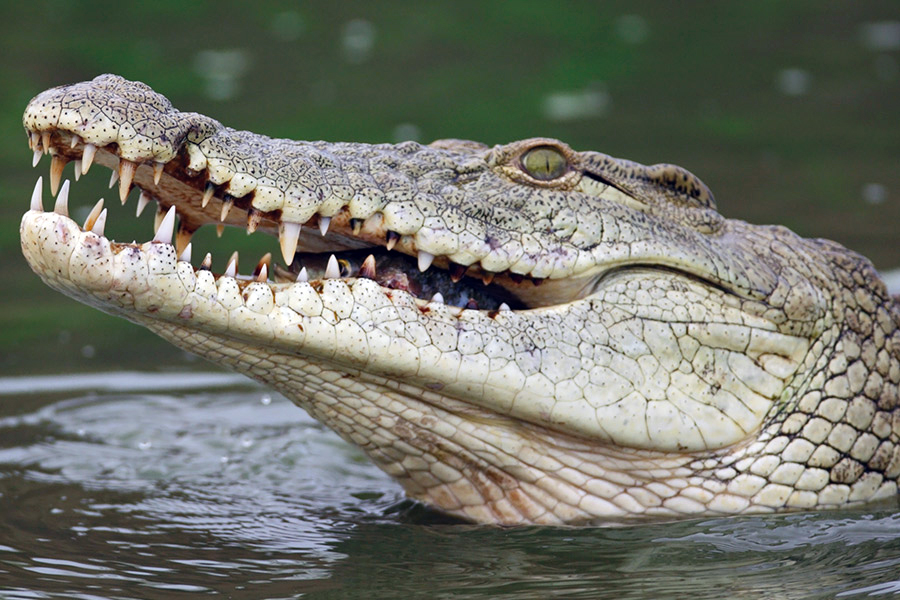
- Snout Shape: This is often the most noticeable difference. Alligators have broad, U-shaped snouts, perfectly adapted for crushing the shells of turtles and other hard-shelled prey. Crocodiles, on the other hand, possess a more pointed, V-shaped snout, ideal for catching fish and small mammals.
- Teeth: When an alligator closes its mouth, you typically only see its upper teeth. A crocodile’s jaw, however, allows both upper and lower teeth to be visible, with the fourth tooth on the lower jaw prominently sticking up over the upper lip, giving it a distinctive “toothy grin.”
- Coloration: American Alligators are generally dark grey or black, often blending seamlessly with the muddy waters of their freshwater domains. American Crocodiles tend to be lighter, with a grayish-green or tan coloration, providing camouflage in the brackish and saltwater environments they prefer.
- Size: While both can grow to impressive sizes, American Crocodiles often grow larger than American Alligators. Male crocodiles can reach lengths of up to 20 feet (6 meters), though specimens in Florida are typically smaller, usually around 10-13 feet. Alligators average 10-15 feet.
Habitat Preferences:
- Alligators (Alligator mississippiensis): Predominantly freshwater dwellers, alligators are found in swamps, marshes, rivers, lakes, and ponds across the southeastern United States. They have a high tolerance for freshwater and are not well-suited to saltwater.
- American Crocodiles (Crocodylus acutus): These reptiles are primarily found in brackish or saltwater environments. Their preferred habitats include coastal estuaries, mangrove swamps, saltwater lakes, and canals. They have specialized glands that help them excrete excess salt, allowing them to thrive in these saline conditions. This is a critical factor in understanding their distribution in Florida.
This unique coexistence of two distinct crocodilian species in one geographical area is a rare phenomenon globally, with only a few other regions, such as parts of Mexico and South America, boasting similar biodiversity with Caiman and alligators. Florida’s dynamic ecosystems truly offer a window into the natural world, making it an exceptional destination for wildlife viewing and ecotourism.
A Unique Habitat: Where American Crocodiles Thrive
The presence of American Crocodiles in Florida is concentrated in the warmest, southernmost regions of the state, primarily due to their need for warmer temperatures and their preference for brackish and saltwater habitats. This makes South Florida a critical ecosystem for their survival in the United States.
The core of their Florida habitat lies within the Everglades National Park and the Florida Keys, particularly around Key Largo. These areas provide the perfect blend of mangrove forests, coastal estuaries, and warm, saline waters necessary for their life cycle, from nesting to hunting.
- Everglades National Park: The southern portions of the Everglades, especially near Flamingo and along the Florida Bay and Gulf of Mexico coasts, are prime crocodile territories. This vast wetland ecosystem is a UNESCO World Heritage Site and an internationally recognized biosphere reserve, offering protection and suitable conditions for numerous species, including the American Crocodile.
- Biscayne National Park: Located just east of Homestead, this park is predominantly underwater, but its coastal areas and mangrove fringes provide excellent habitat for crocodiles, particularly juveniles. The park is a haven for marine life and offers unique snorkeling and boating experiences.
- Florida Power & Light Company’s Turkey Point Nuclear Generating Station: Perhaps surprisingly, the cooling canals of this power plant in Homestead have become a crucial nesting and breeding ground for crocodiles. The warm, circulating water provides an ideal microclimate, especially during cooler months, contributing significantly to the species’ recovery.
- Crocodile Lake National Wildlife Refuge: Established specifically for the protection of the American Crocodile, this refuge on Key Largo is a critical conservation area. It’s not typically open for general public access to protect the delicate ecosystem, but its existence underscores the importance of this region for the species.
The geographical specificity of their habitat means that seeing an American Crocodile in Florida is a more unique and challenging experience than spotting an alligator. However, with the right guidance and understanding of their preferred environments, a sighting can be an unforgettable highlight of a Florida adventure.
Encountering Crocodiles in the Sunshine State: Tourism and Safety
For travelers passionate about wildlife, the possibility of seeing a native crocodile in its natural habitat is a major draw to South Florida. Ecotourism is a growing segment of Florida’s tourism industry, offering visitors opportunities to connect with the state’s incredible nature while promoting conservation. While encountering a crocodile can be thrilling, it requires adherence to strict safety guidelines and a commitment to responsible wildlife viewing.
Best Places to Spot American Crocodiles
While not as common as alligators, dedicated wildlife enthusiasts can increase their chances of spotting an American Crocodile by visiting specific locations during optimal times.
- Everglades National Park:
- Flamingo Visitor Center and Marina: This area, located at the southernmost tip of the mainland park, is arguably the best spot. The brackish waters of Florida Bay and the surrounding canals provide ideal crocodile habitat. Crocodiles are often seen basking on the banks or swimming near the marina. Visitors can take ranger-led tours, rent kayaks, or canoes to explore the waterways, but always maintain a safe distance.
- Mahogany Hammock Trail: A boardwalk trail that can offer glimpses of crocodilians in the deeper, more saline sloughs.
- Coastal Prairie Trail: A longer, more strenuous hike, but it leads to remote coastal areas where crocodiles might be present.
- Biscayne National Park: While largely aquatic, the visitor center area and nearby coastal stretches can occasionally yield crocodile sightings, particularly in the canals and protected bays. Ranger programs often highlight the park’s diverse ecosystems.
- Homestead Area Canals: The network of canals around Homestead, particularly those connected to the Everglades and the Florida Bay, are known habitats. However, viewing here is often opportunistic and requires local knowledge.
- Key Largo and the Florida Keys: Specific canals and shallow, protected bays in the Upper Keys are home to crocodiles. Sightings are less common for casual tourists but can occur in unexpected places like golf course water hazards or residential canals.
The best time for viewing is typically during the cooler months (November to April) when crocodilians are more active and tend to bask in the sun to regulate their body temperature. Early mornings and late afternoons are also ideal.
Responsible Wildlife Viewing and Safety Tips
While American Crocodiles are generally shyer and less aggressive towards humans than their alligator counterparts, they are still large, powerful predators. Safety is paramount when exploring their habitat.
- Maintain a Safe Distance: Always keep a considerable distance from any crocodile or alligator you encounter. Never approach, feed, or harass them. Use binoculars or a telephoto lens for photography. The general rule is at least 30-60 feet (9-18 meters).
- Never Feed Wildlife: Feeding crocodilians habituates them to humans, leading them to associate people with food, which can be dangerous for both animals and humans. It is illegal in Florida and can result in hefty fines.
- Swim Only in Designated Areas: Avoid swimming, wading, or allowing pets near waters where crocodilians are known to inhabit, especially at dusk or dawn when they are most active. Many designated swimming areas in parks and resorts are monitored for safety.
- Keep Pets on Leash: Free-roaming pets can easily be mistaken for prey by crocodilians.
- Be Aware of Your Surroundings: When hiking or boating in crocodile territory, stay alert. Look for signs of their presence, such as slide marks on banks or ripples in the water.
- Follow Park Regulations and Ranger Advice: National and State Parks have specific rules and offer valuable tips on wildlife viewing. Attend ranger talks and consult visitor center staff for the latest information on sightings and safety.
- Never Disturb Nests or Hatchlings: Female crocodiles are highly protective of their nests and young. Disturbing them can provoke a defensive attack.
- Educate Yourself: Understanding the behavior and habitat of crocodilians helps in having a respectful and safe encounter.
By following these guidelines, visitors can enjoy the incredible natural beauty of Florida and its unique reptilian residents responsibly, ensuring a memorable and safe adventure.
Conservation Efforts and the Future of Florida’s Crocodiles
The story of the American Crocodile in Florida is a remarkable conservation success. Once severely endangered, their population has steadily recovered thanks to dedicated efforts. Their journey from near extinction to a thriving, albeit vulnerable, population is a testament to the power of environmental protection and public awareness. This ongoing success is not just vital for the species but also contributes significantly to Florida’s ecotourism and status as a global biodiversity hotspot.
Protecting a Vulnerable Species
In the mid-20th century, the American Crocodile population in Florida plummeted due to habitat loss, hunting for their skins, and persecution. By the 1970s, their numbers were critically low, leading to their listing as an endangered species by the U.S. Fish and Wildlife Service. This designation triggered a range of protective measures:
- Habitat Protection: Crucial areas like Everglades National Park, Biscayne National Park, and Crocodile Lake National Wildlife Refuge were established or expanded, preserving vital nesting and foraging grounds. The protection of mangrove forests, which serve as essential nurseries for young crocodiles, has been particularly significant.
- Legal Protections: Strict laws were enacted to prohibit hunting and trafficking of crocodiles and their products, carrying severe penalties.
- Research and Monitoring: Scientists have diligently studied crocodile populations, their movements, nesting habits, and health, providing crucial data to inform conservation strategies. This includes monitoring the success of nesting sites and the survival rates of hatchlings.
- Public Education: Campaigns to educate the public about the importance of crocodiles and safe coexistence have been vital in reducing human-crocodile conflicts and fostering appreciation for the species.
- Partnerships: Collaboration between government agencies (like the Florida Fish and Wildlife Conservation Commission), environmental organizations, and even private entities (such as Florida Power & Light at Turkey Point) has been instrumental.
These concerted efforts led to a remarkable recovery, and in 2007, the American Crocodile was reclassified from “endangered” to “threatened” in the United States under the Endangered Species Act. While this was a major victory, they remain a protected species, underscoring the ongoing need for vigilance and conservation. The population is still relatively small and concentrated, making it vulnerable to threats like habitat loss due to development, climate change, and freshwater diversion projects that alter their sensitive brackish habitats.
The Role of Conservation in Ecotourism
The conservation success of the American Crocodile is not just an ecological triumph; it also has significant implications for Florida’s tourism sector. Ecotourism, which focuses on responsible travel to natural areas that conserves the environment and improves the well-being of local people, directly benefits from healthy wildlife populations.
- Unique Attraction: The presence of a native crocodile species adds a unique selling point to Florida’s already diverse array of natural attractions. It appeals to a niche market of travelers interested in serious wildlife viewing and conservation.
- Educational Opportunities: Parks and wildlife refuges that protect crocodiles often offer interpretive programs, ranger-led tours, and educational materials that teach visitors about these reptiles and their ecosystems. This enhances the visitor experience and promotes environmental awareness.
- Economic Benefits: Ecotourism generates revenue through park entrance fees, guided tours, and related services, which can then be reinvested into conservation efforts, creating a sustainable cycle. Local businesses, from hotels and resorts to restaurants and gear rentals, also benefit from the influx of nature-focused travelers.
- Promoting Sustainability: By highlighting the success of crocodile conservation, Florida showcases its commitment to protecting its natural resources. This draws visitors who prioritize sustainable travel and contributes to a positive global image for the state.
The American Crocodile is more than just a captivating creature; it is an indicator species, its health reflecting the health of the delicate South Florida coastal ecosystems. Its continued presence ensures that Florida remains a destination not just for sun and fun, but also for profound natural experiences and a deeper connection to the wild.
Planning Your Florida Wildlife Adventure
Florida offers an unparalleled variety of natural destinations and wildlife encounters, making it an ideal choice for adventure travelers, families, and solo explorers alike. While the thrill of potentially spotting an American Crocodile is a draw, the state provides countless other opportunities to immerse yourself in its unique nature and vibrant ecosystems. From birdwatching in the Everglades to snorkeling in the Keys, planning a trip around these natural wonders promises an enriching and unforgettable experience.
Beyond Crocodiles: Other Florida Natural Attractions
Once you’ve delved into the world of Florida’s crocodilians, you’ll discover a wealth of other natural attractions waiting to be explored.
- Everglades National Park: Beyond crocodiles and alligators, the Everglades is home to an incredible array of birds (including Roseate Spoonbills and wading birds), diverse fish species, the elusive Florida Panther, and gentle manatees. Airboat tours, kayaking, and hiking trails like the Anhinga Trail or Shark Valley offer various ways to experience this “River of Grass.”
- Florida Keys: This string of tropical islands boasts the only living coral barrier reef in the continental United States. Snorkeling, diving, and fishing are popular activities, allowing visitors to witness vibrant marine life, including colorful fish, sea turtles, and dolphins.
- State Parks and National Wildlife Refuges: Florida has an extensive network of state parks and refuges, each offering unique ecological features. From the pristine beaches of St. George Island State Park to the crystal-clear springs of Blue Spring State Park (a winter haven for manatees), there’s an outdoor adventure for everyone.
- Springs and Rivers: Florida is renowned for its freshwater springs, perfect for swimming, snorkeling, tubing, and kayaking in refreshing, clear waters. Rivers like the St. Johns River offer opportunities for boating and observing diverse wildlife.
- Coastal Beaches: Beyond the famous tourist beaches, Florida’s coastlines offer incredible opportunities for birdwatching, shelling, and witnessing nesting sea turtles during season.

Accommodation Options for Nature Enthusiasts
Florida’s commitment to tourism means a vast array of accommodation options catering to every lifestyle and budget, even for those venturing into its wilder corners.
- Camping in National and State Parks: For the ultimate immersive nature experience and budget-friendly travel, camping is an excellent choice. Everglades National Park offers various campgrounds like Long Pine Key and Flamingo, often featuring basic amenities and unparalleled access to trails and waterways. Similarly, many state parks across Florida provide well-maintained campsites, cabins, and even glamping options.
- Eco-Lodges and Boutique Hotels: Near national parks and wildlife areas, you can find eco-lodges that blend seamlessly with the environment, offering comfortable stays with a focus on sustainability. These often provide guided tours and expert insights into local wildlife.
- Hotels and Resorts in Nearby Towns: Towns bordering the natural attractions, such as Homestead or Florida City near the Everglades, or various Keys towns like Key Largo, offer a range of traditional hotel accommodations, from luxury resorts to more budget-friendly motels and vacation rentals. These provide a comfortable base from which to explore.
- Vacation Rentals and Apartments: For families or longer stays, renting a villa or apartment can offer more space, privacy, and amenities, allowing you to experience local culture and cuisine while being close to nature.
When booking accommodation, consider its proximity to the natural areas you wish to visit and look for reviews that mention their commitment to sustainability or wildlife-friendly practices. Many hotels and resorts now offer packages that include ecotours or provide guides to help you navigate the wild.
In conclusion, the answer to “Are Crocodiles Native To Florida?” is a definitive yes, adding another layer of intrigue to the state’s already rich biodiversity. For any traveler, from those planning a luxurious escape to those seeking a budget-friendly adventure, Florida’s wild side offers profound experiences. By understanding its unique habitats, respecting its wildlife, and supporting conservation, you can contribute to the preservation of these magnificent creatures and enjoy an unforgettable journey through the true heart of the Sunshine State.
LifeOutOfTheBox is a participant in the Amazon Services LLC Associates Program, an affiliate advertising program designed to provide a means for sites to earn advertising fees by advertising and linking to Amazon.com. Amazon, the Amazon logo, AmazonSupply, and the AmazonSupply logo are trademarks of Amazon.com, Inc. or its affiliates. As an Amazon Associate we earn affiliate commissions from qualifying purchases.