
The heart of any great camping or backpacking trip is a satisfying, hot meal. While a campfire adds ambiance, relying solely on open flames is often impractical, impossible due to regulations, or too time-consuming. This is where a portable camping stove becomes an indispensable piece of gear. The right stove provides consistent, controllable heat, allowing you to brew morning coffee, boil water for dehydrated meals, or cook gourmet backcountry dinners quickly and efficiently.
Choosing the best portable stove, however, can be overwhelming. The market is saturated with options, ranging from ultra-lightweight canister stoves barely larger than a lighter to robust, multi-burner systems designed for car camping families. The “best” stove depends entirely on your adventure style—whether you’re a minimalist backpacker, a family car camper, or someone planning high-altitude mountaineering.
This comprehensive guide breaks down the different types of portable stoves, the key factors to consider, and highlights the top models leading the market for various camping scenarios.
Understanding the Types of Camping Stoves
Portable stoves are broadly categorized by the fuel they use, which dictates their performance, weight, and suitability for different environments.
Canister Stoves (Isobutane/Propane)
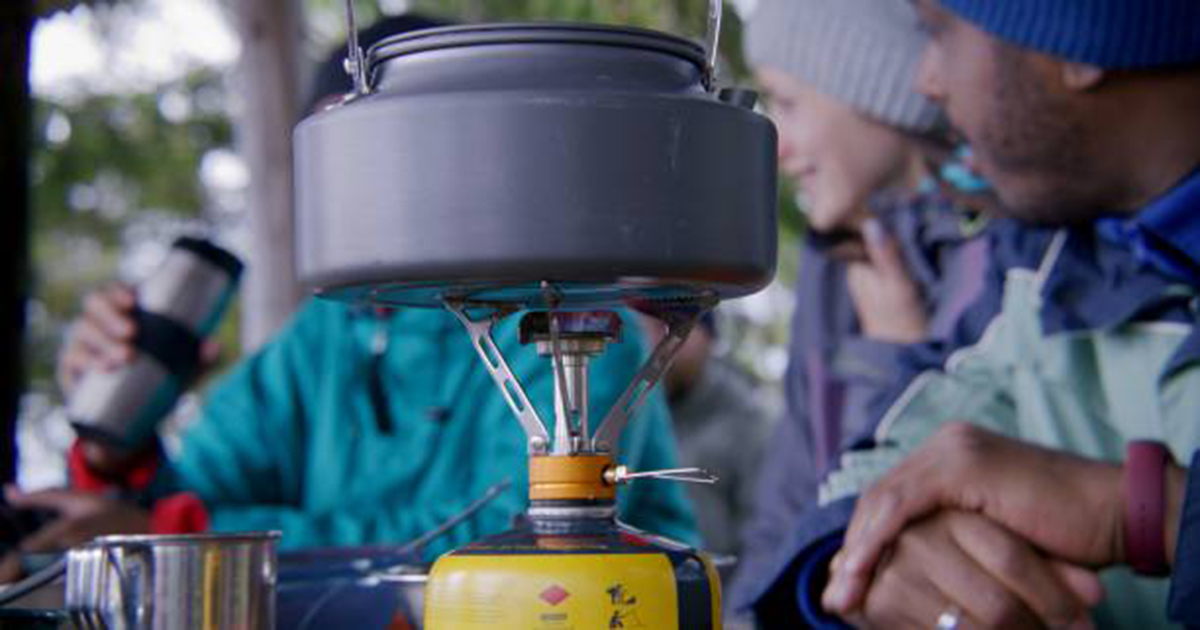
Canister stoves are the most popular choice for general backpacking and camping due to their simplicity and low weight. They screw directly onto a threaded fuel canister containing a blended gas (usually isobutane and propane).
- Pros: Extremely lightweight and compact, easy to use (no pumping or priming required), clean burning, and highly reliable in moderate conditions. They offer great flame control for simmering.
- Cons: Performance degrades significantly in cold weather or at high altitudes. Fuel canisters are disposable (though often recyclable) and can be bulky to pack.
- Best For: Solo or duo backpackers, weekend trips, and general three-season camping.
Liquid Fuel Stoves (White Gas, Kerosene, Auto Fuel)
These utilize pressurized liquid fuels, most commonly white gas (naphtha), which must be pumped into a refillable fuel bottle before use.
- Pros: Unbeatable performance in extreme cold and high altitude, as the fuel is pressurized. Fuel is cheaper, widely available globally, and refillable, making them an eco-friendlier option over time. They are often built with superior durability.
- Cons: Requires “priming” (pre-heating the burner) before lighting, which involves a learning curve and can be messy. They are heavier and bulkier than canister stoves.
- Best For: Mountaineering, international travel where specific canisters are hard to find, winter camping, and extended expeditions.
Integrated Canister Systems (Reactor/Jetboil Style)
These are proprietary systems where the stove burner, pot, and heat exchanger are designed as a single, highly efficient unit.
- Pros: Exceptionally fast boil times (often under two minutes for half a liter). Highly efficient, using less fuel than traditional setups. Compact packing since the burner and fuel often nest inside the pot.
- Cons: Specialized pot shape means they are generally poor at cooking or simmering—they are designed almost exclusively for boiling water. More expensive upfront.
- Best For: Expeditions where speed is critical, minimalist backpackers focused on dehydrated meals, and emergency kits.
Wood-Burning Stoves
These stoves burn small twigs, leaves, and other natural biomass found at the campsite.
- Pros: Free and abundant fuel source (if available). Environmentally friendly as they reduce reliance on fossil fuels. Extremely lightweight (the stove itself).
- Cons: Requires constant feeding of fuel. Produces soot and smoke. Cannot be used where fire restrictions are in place or wood is scarce.
- Best For: Survival training, ultralight trekking where wood is guaranteed, and self-sufficient camping.
Key Factors When Choosing Your Stove
Your specific travel style should be the primary driver of your stove choice. When reading stove specifications, focus on these four critical metrics.
Weight and Packability
For backpackers, weight is everything. Every ounce counts when carrying your best travel backpacks long distances. Canister stoves often weigh under 4 ounces, while integrated systems may weigh around 15 ounces. If you are packing for extended treks and following a lightweight backpacking gear list, prioritize the most featherlight option that still meets your cooking needs. Car campers, on the other hand, can afford to prioritize features and stability over minimal weight.
Boil Time and Fuel Efficiency
- Boil Time: How quickly the stove can bring 0.5 or 1 liter of water to a boil. Faster boil times are crucial in cold, windy conditions or when time is of the essence.
- Fuel Efficiency: How many liters of water can be boiled on a single 8-ounce fuel canister. Integrated systems are typically the most efficient. This is vital for long trips where carrying extra fuel is impractical.
Stability and Pot Support
Consider the size of the pots and pans you plan to use. A small canister stove might struggle to balance a large pot of food for four people. For car camping or cooking larger meals, look for stoves with wide burner heads and sturdy, fold-out pot supports. Poor stability is a major safety hazard in the backcountry.
Maintenance and Durability
Liquid fuel stoves, while durable, require more maintenance (cleaning jets, replacing O-rings) due to the impurities in the fuel. Canister stoves require almost zero maintenance but are generally less robust in their build, as they are designed to be lightweight. Look for durable materials like brass and stainless steel in high-stress components.
Top Stove Recommendations for 2025
The camping stove market continues to innovate, offering targeted solutions for every adventure type.
Best for Ultralight Backpacking: MSR PocketRocket 2
[cta img=”61RbJPrebyL.jpg” alt=”MSR PocketRocket 2 Ultralight Camping” asin=”B01N5O7551″ rating=”4.9″]The MSR PocketRocket 2 is the quintessential ultralight canister stove. At just 2.6 ounces, it disappears into your pack, yet it packs a powerful punch, boiling a liter of water in under 3.5 minutes. Its small, serrated pot supports grip small pots securely, and its folding design is simple and reliable. It’s the perfect choice for the solo hiker where every ounce matters.
Best for Speed and Efficiency: Jetboil Flash
[cta img=”81YxImbLRsL.jpg” alt=”Jetboil Flash 1.0L Portable Fast Boil Stove” asin=”B0DXQCVVYB” rating=”4.8″]If your primary goal is boiling water quickly for coffee, tea, or dehydrated meals, the Jetboil Flash system is unmatched. Its integrated heat exchanger technology drastically reduces heat loss to the wind, achieving boil times of around 100 seconds (under ideal conditions). Everything nests inside the cooking cup, making it incredibly compact and easy to pack.
Best for Cold Weather and International Travel: MSR WhisperLite Universal
[cta img=”71yEBrd85rL.jpg” alt=”MSR WhisperLite Universal Compact Hybrid Fuel Camping” asin=”B0CQRWG6LQ” rating=”4.8″]The WhisperLite series is a legendary workhorse, and the Universal model offers the ultimate fuel flexibility—it can burn canister gas, white gas, kerosene, and unleaded gasoline. This capability makes it the stove of choice for high-altitude treks or long-term international adventures where proprietary canisters are unavailable. While heavier and requiring priming, its reliability in frigid conditions is unparalleled. This kind of reliable, essential gear is key to the survival gear every camper should carry.
Best for Car Camping and Gourmet Meals: Coleman Triton Series
[cta img=”71+hmUPnt0L.jpg” alt=”Coleman Triton 2-Burner Propane Stove” asin=”B09HN1C1YJ” rating=”4.6″]For campers who drive to their site and want to cook full meals, a classic two-burner propane stove offers the best cooking control. The Coleman Triton series provides two adjustable burners that can handle full-sized frying pans and pots simultaneously. It uses large, readily available propane bottles and features sturdy windscreens, allowing you to prepare meals that feel much closer to home cooking.
Safe Fuel Handling and Usage Tips
Cooking outdoors is often governed by safety rules and common sense.
Fuel Storage and Transport
- Canisters: Always transport fuel canisters upright, secured, and away from direct heat. Never store them inside a hot car.
- Liquid Fuel: Ensure fuel bottles are tightly sealed. Never open a liquid fuel bottle near an open flame or during stove operation. Always transport liquid fuel outside the main compartment of your best travel backpacks or car.
Operation in the Wilderness
- Ventilation: Never use a camping stove inside a tent, enclosed shelter, or in poor ventilation. Carbon monoxide poisoning is a real and often silent danger.
- Wind Protection: Wind is the number one enemy of stove efficiency. Use a windscreen (non-reflective, to prevent heat buildup near the canister) or set up your kitchen area behind a natural windbreak.
- Level Surface: Always operate your stove on a level, non-flammable surface, clear of dry grasses or leaves that could ignite.
- Maintenance: Regularly inspect fuel lines and seals. Even simple canister stoves benefit from a quick check before a trip to ensure the rubber O-rings are intact.
Choosing the right portable stove is a crucial part of your beginners camping checklist and an investment in comfortable, successful outdoor adventures. By matching the stove type to your trip’s demands—weight, climate, and cooking needs—you ensure you can always count on a hot meal, wherever the trail takes you.
LifeOutOfTheBox is a participant in the Amazon Services LLC Associates Program, an affiliate advertising program designed to provide a means for sites to earn advertising fees by advertising and linking to Amazon.com. Amazon, the Amazon logo, AmazonSupply, and the AmazonSupply logo are trademarks of Amazon.com, Inc. or its affiliates. As an Amazon Associate we earn affiliate commissions from qualifying purchases.