
Florida, the Sunshine State, is renowned for its pristine beaches, vibrant cities like Miami and Orlando, and unique natural landscapes such as the Everglades. It’s a top destination for travelers seeking everything from thrilling theme park adventures to tranquil nature escapes. However, with its warm, humid climate and vast wetland ecosystems, Florida also serves as a prime habitat for a diverse array of wildlife, including various reptiles. This often leads to questions from curious tourists and nature enthusiasts alike: are there anacondas in Florida? The mere mention of these colossal snakes can conjure images of dense Amazonian jungles and primal wilderness, far removed from the manicured resorts and bustling tourist attractions of the United States.

This article will delve into the truth behind this popular query, distinguishing myth from reality, and shedding light on the actual reptilian giants that call Florida home. We’ll explore the state’s unique ecosystems, the challenges posed by invasive species, and how visitors can safely and responsibly enjoy Florida’s wild side. Whether you’re planning a luxury retreat at The Ritz-Carlton, Naples or an adventurous family trip to Gatorland, understanding the local wildlife is crucial for an informed and unforgettable experience.
Unraveling the Mystery: Anacondas vs. Florida’s Reptilian Residents
The question of anacondas in Florida is a common one, fueled by occasional sensational headlines and the general mystique surrounding large constrictors. While the state is certainly home to a formidable collection of snakes, it’s important to understand the distinctions.
The Truth About Anacondas in the Sunshine State
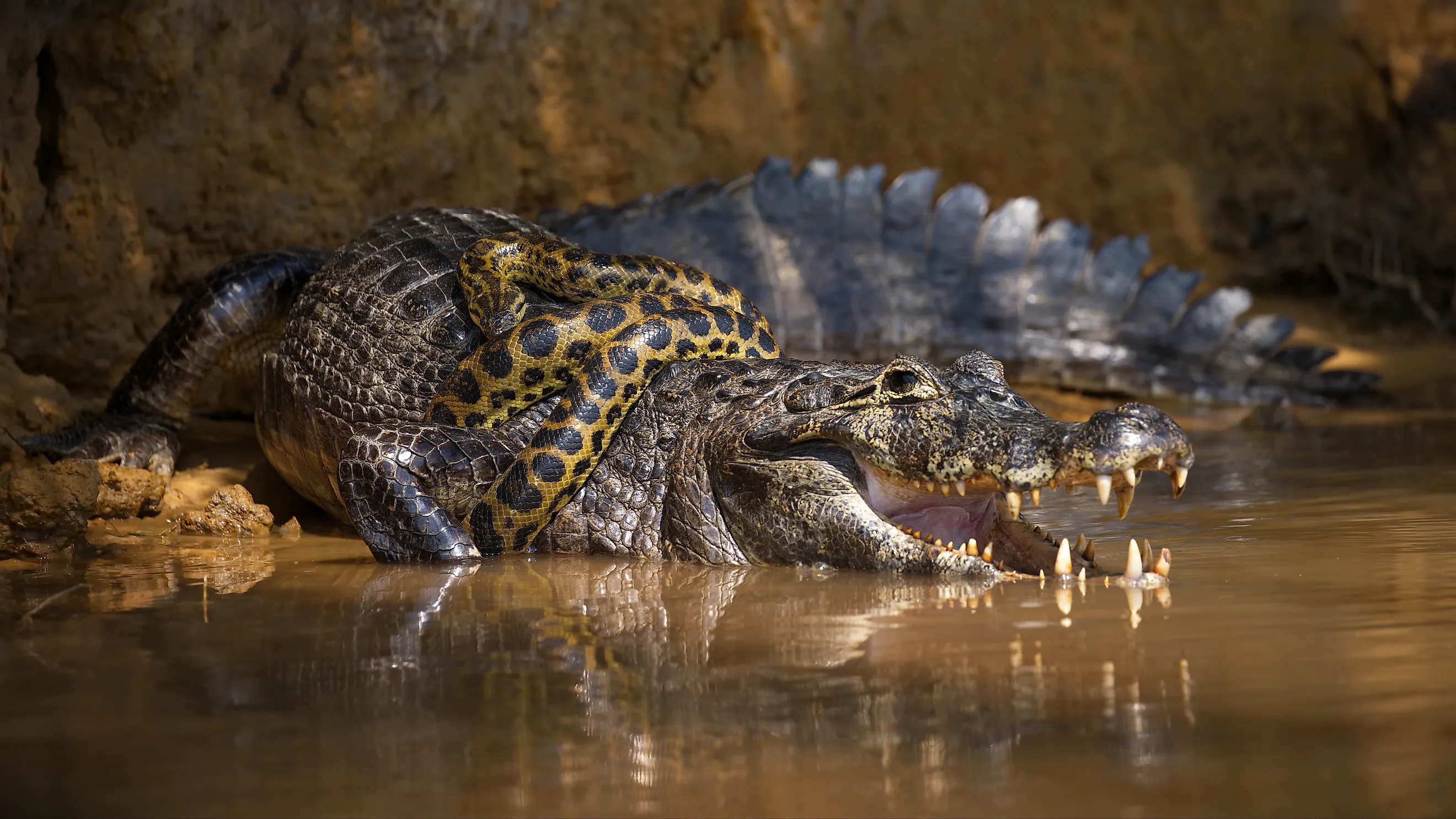
To address the question directly: No, anacondas are not considered established or native to Florida. The anaconda species, primarily the Green Anaconda (Eunectes murinus) and the Yellow Anaconda (Eunectes notaeus), are indigenous to South America. Their natural habitats are the tropical river basins and swamps of countries like Brazil, Venezuela, and Bolivia. These colossal snakes are perfectly adapted to their native environments, where they are apex predators, preying on capybaras, caimans, and other large mammals and reptiles.
While it’s conceivable that individual anacondas might have been illegally imported as exotic pets and subsequently escaped or were released in Florida, there is no scientific evidence to suggest a breeding population or widespread presence. Sightings are extremely rare and generally turn out to be misidentifications or isolated incidents. The climate of Florida, particularly the southern regions, is indeed similar to parts of South America, making it theoretically habitable for anacondas. However, the lack of a sustained food source and other environmental factors have prevented them from establishing a foothold. This doesn’t mean Florida is devoid of large, formidable snakes; quite the opposite.
The Real Giants: Introducing Florida’s Invasive Pythons
If not anacondas, then what are the large, non-native snakes making headlines in Florida? The answer lies with the Burmese Python (Python bivittatus). These impressive constrictors, native to Southeast Asia, have become a significant invasive species problem, particularly in the delicate ecosystem of the Everglades National Park. Unlike anacondas, Burmese Pythons have successfully established a breeding population in Florida, thriving in its subtropical wetlands.
Their story is a classic tale of unintended consequences. Many were imported to the United States as exotic pets. As they grew too large for their owners to handle – some can exceed 20 feet in length and weigh over 200 pounds – they were either intentionally released or escaped into the wild. The Everglades, with its vast, interconnected waterways and abundant prey, proved to be an ideal, predator-free environment for them to flourish.
The presence of these large predators has had a devastating impact on native wildlife populations. Burmese Pythons prey on everything from small rodents to white-tailed deer and alligators, disrupting the natural food web and threatening several endangered species. Efforts to control their population, such as the Python Challenge organized by the Florida Fish and Wildlife Conservation Commission (FWC), are ongoing but present a significant ecological and logistical challenge.
Florida’s Unique Ecosystem: A Haven for Reptiles (and an Invitation for Invasives)
Florida’s geography and climate create a unique biological melting pot, fostering an incredible diversity of life. This very richness, however, also makes it vulnerable to the introduction and spread of non-native species.
The Everglades: A Wetland Wilderness
At the heart of Florida’s unique reptilian landscape is the Everglades, often referred to as a “River of Grass.” This vast wetland ecosystem, covering much of southern Florida, is unlike any other place on Earth. It’s a mosaic of sawgrass prairies, cypress swamps, pinelands, and mangrove forests, all interconnected by a slow-moving sheet of water that flows from Lake Okeechobee south to Florida Bay.
The Everglades National Park is a designated UNESCO World Heritage Site and a critical habitat for a myriad of species, including the American alligator, Florida Panther, and numerous bird species. It’s also the only place in the world where alligators and crocodiles coexist. This warm, watery environment is perfect for reptiles, offering ample shelter, food, and breeding grounds. Native snakes, such as the Eastern Diamondback Rattlesnake, Cottonmouth, and various non-venomous species like the Black Racer and Corn Snake, thrive here.
For tourists, the Everglades offers unparalleled opportunities for nature tourism. Airboat tours, guided walks, and kayaking expeditions are popular activities, allowing visitors to experience the raw beauty of this wilderness firsthand. Sites like Shark Valley and the Anhinga Trail within the national park provide easy access to observe alligators, birds, and other wildlife in their natural habitat. However, it is within these very same pristine environments that the invasive pythons have found their paradise.
The Delicate Balance: How Invasives Disrupt Florida’s Nature
The introduction of non-native species, especially apex predators like the Burmese Python, throws the delicate ecological balance of Florida’s ecosystems into disarray. Native predators, like alligators and panthers, did not evolve alongside these giant constrictors and are often outmatched or outmaneuvered. The pythons compete for food with native predators and consume large numbers of native wildlife, leading to significant declines in mammal populations within the Everglades. Studies have shown drastic reductions in the numbers of raccoons, opossums, bobcats, and even deer in areas heavily infested by pythons.
This ecological ripple effect extends beyond immediate predation. Fewer native mammals mean less food for other predators, and changes in herbivore populations can alter vegetation structures. The long-term consequences are still being understood, but it’s clear that the pythons pose an existential threat to the biodiversity of southern Florida.
This challenge is not unique to Florida; invasive species are a global concern. However, Florida’s subtropical climate and extensive coastline make it particularly susceptible to new introductions, from plants like the Melaleuca tree to other reptiles like the Argentine Tegu lizard. Understanding this struggle is part of appreciating the complexity and fragility of Florida’s natural heritage, whether you’re enjoying a luxurious stay at a South Beach resort or exploring the wild heart of the state.
Navigating Florida’s Wild Side: What Travelers Need to Know

For travelers drawn to Florida’s natural beauty, the presence of large reptiles, both native and invasive, is an important aspect to consider. Responsible tourism and awareness are key to a safe and enjoyable experience.
Responsible Wildlife Viewing and Safety Tips
Encountering wildlife, especially in a place as wild as the Everglades or Big Cypress National Preserve, is often a highlight for visitors. To ensure safety and minimize disturbance to animals, here are some essential tips:
- Stay on Marked Trails: This is paramount. Wandering off trails increases your risk of encountering snakes, alligators, or other potentially dangerous animals. It also helps protect delicate habitats.
- Observe from a Distance: Never approach, harass, or feed wildlife. Use binoculars or a telephoto lens for close-up views. Respect their space.
- Be Aware of Your Surroundings: When hiking or walking in natural areas, watch where you step and place your hands. If you see a snake, give it a wide berth and do not attempt to handle it. Most snake bites occur when people try to interact with them.
- Supervise Children and Pets: Keep children close and pets on a leash in designated areas. Small pets can resemble prey to large snakes or alligators.
- Know What to Do: If you encounter a python, especially a large one, report it to the Florida Fish and Wildlife Conservation Commission (FWC) hotline. Do not attempt to capture or kill it yourself unless you are specifically trained and authorized.
- Swim in Designated Areas Only: Avoid swimming in canals, lakes, or slow-moving rivers in natural areas, especially during dawn, dusk, or night when alligators are most active.
- Dress Appropriately: Wear sturdy, closed-toe shoes and long pants when hiking in marshy or heavily vegetated areas.
By following these guidelines, visitors can have enriching wildlife encounters while ensuring their own safety and contributing to the preservation of Florida’s precious ecosystems.
Supporting Conservation and Local Efforts
For travelers who want to make a positive impact, there are many ways to support Florida’s conservation efforts. Participating in ranger-led programs at national and state parks not only provides educational insights but also indirectly supports park funding. Volunteering for cleanup drives or contributing to organizations dedicated to invasive species removal and habitat restoration are other direct ways to help.
The Python Challenge, for instance, allows registered participants to help remove pythons, bringing public awareness and direct action to the forefront. Even simply choosing eco-friendly accommodations or tour operators that prioritize sustainable practices can contribute to the long-term health of Florida’s environment. Embracing responsible tourism means understanding that our actions as travelers have consequences, both positive and negative, on the destinations we visit.
Exploring Florida’s Natural Wonders
Beyond the concerns of invasive species, Florida offers an incredible array of natural attractions where you can safely appreciate its unique biodiversity.
- Everglades National Park: As discussed, this is the prime destination for experiencing Florida’s wetlands. Don’t miss the Anhinga Trail for guaranteed alligator sightings and birdwatching, or take an airboat tour from operators like Everglades Holiday Park for a thrilling ride through the sawgrass.
- Big Cypress National Preserve: Adjoining the Everglades, Big Cypress protects a vast swamp ecosystem. The Loop Road scenic drive offers opportunities to spot alligators, birds, and even the elusive Florida Panther.
- Myakka River State Park: Located near Sarasota, this park boasts a canopy walkway, boat tours on the Myakka River, and extensive hiking trails through diverse landscapes.
- John Pennekamp Coral Reef State Park: For those more interested in marine life, this park in the Florida Keys offers snorkeling, diving, and glass-bottom boat tours over the only living coral barrier reef in the continental United States.
- Dry Tortugas National Park: A remote archipelago accessible by ferry or seaplane from Key West, known for its pristine waters, abundant marine life, and historic Fort Jefferson.
These destinations, among many others, highlight Florida’s incredible natural heritage and offer memorable experiences for every type of nature lover.
Making Your Florida Adventure Comfortable: Where to Stay Amidst Nature
While the allure of Florida’s wild spaces is undeniable, comfort and convenience remain top priorities for many travelers. The state offers a wide array of accommodations, from luxurious resorts to quaint boutique hotels and eco-lodges, many strategically located to provide easy access to nature while ensuring a comfortable stay.
Resorts and Retreats Near Nature Preserves
For those seeking an immersive nature experience without sacrificing amenities, there are numerous resorts and retreats situated near Florida’s key natural attractions. Imagine waking up to the sounds of nature, enjoying gourmet meals, and then embarking on a guided eco-tour. Many establishments, particularly around the Gulf Coast and near the Everglades, specialize in eco-tourism, offering packages that include wildlife viewing excursions, kayaking, and hiking.
These accommodations often blend seamlessly with their surroundings, sometimes featuring rustic-chic cabins, luxury glamping tents, or boutique hotel rooms with stunning views. For instance, while a specific “Everglades Safari Lodge” might be a conceptual ideal, many actual lodges and resorts near Naples or Fort Lauderdale cater to those who wish to explore Big Cypress National Preserve or the western Everglades during the day, and return to upscale comfort in the evening. Look for resorts that emphasize sustainability and offer amenities like nature-focused guided activities, on-site natural trails, and dining options featuring local produce.
City Stays with Easy Access to the Wild
Even travelers preferring the vibrant energy of Florida’s cities can easily access its natural wonders. Major urban centers like Miami, Fort Lauderdale, and Naples are all within a relatively short drive of national parks, state parks, and wildlife management areas.
- Miami: A bustling metropolis, Miami offers world-class hotels like the Kimpton EPIC Hotel Miami and is just an hour’s drive from the main entrances of Everglades National Park and Biscayne National Park. After a day of exploring wetlands or snorkeling coral reefs, visitors can return to enjoy Miami’s renowned dining and nightlife.
- Naples: Situated on the Gulf Coast, Naples offers a more upscale, relaxed vibe and is an excellent base for exploring the western Everglades and Big Cypress National Preserve. The city itself boasts beautiful beaches and luxurious accommodations, providing a perfect blend of natural adventure and refined comfort.
- Fort Lauderdale: Known for its canals and beaches, Fort Lauderdale also provides relatively easy access to the eastern portions of the Everglades. Its diverse range of hotels, from budget-friendly options to high-end resorts, caters to all types of travelers.
Many urban hotels, understanding the appeal of Florida’s nature, can assist guests in arranging tours and transportation to nearby natural attractions, making it seamless to combine a city break with a wilderness adventure. Whether your lifestyle leans towards luxury travel or a family trip seeking educational experiences, Florida’s accommodation options ensure that proximity to nature doesn’t mean compromising on comfort or convenience.
Embracing Florida’s Wild Heart Responsibly
While the specific answer to “Are there anacondas in Florida?” is generally no for established populations, the underlying concern about large, formidable snakes in the wild is very much a reality in the Sunshine State. The invasive Burmese Python poses a significant ecological threat, particularly in the Everglades, a unique and vital ecosystem.
For travelers, understanding this dynamic is key to a fulfilling and responsible visit. Florida offers an incredible array of natural wonders, from the expansive wetlands of the Everglades National Park to the pristine beaches of the Florida Keys and the diverse ecosystems of numerous state parks. By adhering to safety guidelines, practicing responsible wildlife viewing, and supporting conservation efforts, visitors can contribute to the preservation of these irreplaceable natural treasures.
Whether you’re exploring the walking trails of Fakahatchee Strand Preserve State Park, taking an airboat ride through the Ten Thousand Islands, or simply enjoying a tranquil sunset on the Gulf Coast, Florida’s wild heart beckons. It’s a place where natural beauty intertwines with ecological challenges, offering a compelling backdrop for adventure, relaxation, and a deeper appreciation for the wonders of the natural world. So, come explore, but do so with respect, awareness, and a commitment to protecting what makes Florida truly wild and extraordinary.
LifeOutOfTheBox is a participant in the Amazon Services LLC Associates Program, an affiliate advertising program designed to provide a means for sites to earn advertising fees by advertising and linking to Amazon.com. Amazon, the Amazon logo, AmazonSupply, and the AmazonSupply logo are trademarks of Amazon.com, Inc. or its affiliates. As an Amazon Associate we earn affiliate commissions from qualifying purchases.