
Florida, the Sunshine State, beckons with its unparalleled natural beauty, from sun-drenched beaches to the tranquil waters of its countless lakes and rivers. For many travelers, the allure of Florida extends beyond theme parks and pristine sands; it’s a world-renowned paradise for fishing enthusiasts. With thousands of miles of coastline, diverse ecosystems, and an abundance of both freshwater and saltwater species, Florida offers an angler’s dream come true. Whether you’re dreaming of reeling in a trophy bass from Lake Okeechobee, battling a tarpon in the Florida Keys, or simply enjoying a relaxing day casting a line from a pier, Florida’s waters promise unforgettable experiences.
However, before you cast your first line into Florida’s sparkling waters, a crucial question arises: Do you need a fishing license to fish in Florida? The short answer is, for the vast majority of situations, yes. Understanding the specific requirements, exemptions, and regulations is not just a legal necessity but also a fundamental aspect of responsible tourism and conservation. This comprehensive guide will walk you through everything you need to know about fishing licenses in Florida, ensuring your angling adventure is both enjoyable and compliant with state law. We’ll delve into who needs a license, the various types available, how to obtain one, and the vital role these licenses play in preserving Florida’s invaluable aquatic ecosystems for future generations. Prepare to embark on a journey that covers not only the legalities but also practical tips for planning your ultimate Florida fishing getaway, from choosing the perfect accommodation to discovering the state’s most coveted fishing spots.
Navigating Florida’s Fishing License Requirements
Embarking on a fishing trip in Florida is an exciting prospect, but the first step for most anglers is securing the appropriate fishing license. The rules can vary depending on your residency, age, the type of water you’re fishing in, and even the specific method you employ. It’s essential to be well-informed to avoid potential fines and to contribute to the sustainable management of the state’s rich aquatic resources.
Who Needs a License?
Generally speaking, anyone aged 16 or older wishing to fish in Florida’s freshwater or saltwater environments needs a valid fishing license. This applies to both residents and non-residents, though the cost and validity periods may differ significantly between the two groups. A Florida resident is typically defined as someone who has resided in the state for six continuous months prior to applying for a license and claims Florida as their primary state of residency. For non-residents, a license is mandatory regardless of how long they plan to stay or fish in the state. The requirement is not merely a formality; it’s a critical component of the Florida Fish and Wildlife Conservation Commission’s (FWC) efforts to manage fish populations and habitat. Ignoring this requirement can lead to fines and the confiscation of your catch and gear, turning a relaxing day into a costly mistake.
Understanding Exemptions
While the general rule is that a license is required, Florida does offer several exemptions, which are important for travelers and residents alike to understand:
- Children Under 16: Individuals under the age of 16 are not required to have a fishing license, regardless of residency or whether they are fishing in freshwater or saltwater. This is a fantastic initiative to encourage youth participation in outdoor activities.
- Florida Residents 65 and Older: Florida residents who are 65 years of age or older are exempt from needing a freshwater or saltwater fishing license. They do, however, need to carry proof of age and residency, such as a Florida Driver’s License or ID card, when fishing.
- Military Personnel: Any Florida resident who is an active duty member of the U.S. Armed Forces, when home on leave for 30 days or less, is exempt from needing a license. They must carry orders or official documentation proving their active duty status and leave period.
- Fishing from a Licensed Pier: If you are fishing from a for-hire pier that has a valid pier fishing license issued by the FWC, you are generally not required to hold an individual fishing license. This exemption covers many of Florida’s popular coastal piers, like the iconic St. Pete Pier, offering an accessible way for tourists to enjoy fishing without the hassle of obtaining a personal license.
- Fishing on a Licensed Charter Boat: Similarly, if you book a trip with a licensed fishing charter or guide service, you typically don’t need your own individual saltwater fishing license. The charter boat’s license covers all passengers on board. This is a popular option for tourists seeking a hassle-free deep-sea or inshore fishing experience, where the captain handles all the necessary permits and provides equipment.
- Landowners and Guests: Florida residents who are fishing on their own land, or non-residents who are guests on the land of a licensed resident landowner, may be exempt under specific circumstances related to private property and landlocked waters. However, it’s crucial to confirm these specific exemptions with the FWC as they can be complex.
- Certain Public Lands: On designated “Free Fishing Days” or in certain specific managed areas, licenses may not be required. It’s always best to check the FWC website for current information regarding these infrequent exemptions.
Understanding these exemptions can save you time and money, especially if you’re planning a short visit or are traveling with family members of varying ages.
Types of Licenses and Permits
Florida’s fishing license system is designed to cater to the diverse needs of anglers, offering various types of licenses and optional permits. The primary distinction is between freshwater and saltwater fishing.
- Freshwater Fishing License: Required for taking freshwater fish, such as largemouth bass, crappie, and catfish, from lakes, rivers, and ponds.
- Saltwater Fishing License: Necessary for taking saltwater fish, like snook, redfish, and grouper, from the ocean, bays, estuaries, and inlets.
- Combination License: For the avid angler who wishes to fish in both freshwater and saltwater environments, a combination license offers convenience and often a cost-saving compared to purchasing two separate licenses.
- Special Permits (Endorsements): Beyond the basic fishing license, certain species require additional permits or endorsements. For instance, if you plan to target Snook or Florida Spiny Lobster, you will need to purchase a Snook Permit or a Lobster Permit in addition to your saltwater fishing license. These permits help the FWC manage specific, often highly sought-after, species and their habitats.
- Duration Options: Licenses are available for various durations, catering to different travel plans and angler preferences. Options typically include annual licenses, which are valid for 12 months from the date of purchase, as well as shorter-term licenses like 3-day and 7-day non-resident licenses. The annual license is usually the most cost-effective for residents or non-residents planning multiple trips or extended stays.
Choosing the correct license type and duration is crucial for compliance. Consider where you plan to fish (inland or coastal), what species you intend to target, and the length of your stay in Florida.
How to Obtain Your License
Obtaining a Florida fishing license is a straightforward process, designed to be accessible to residents and visitors alike. The FWC offers several convenient methods for purchase:
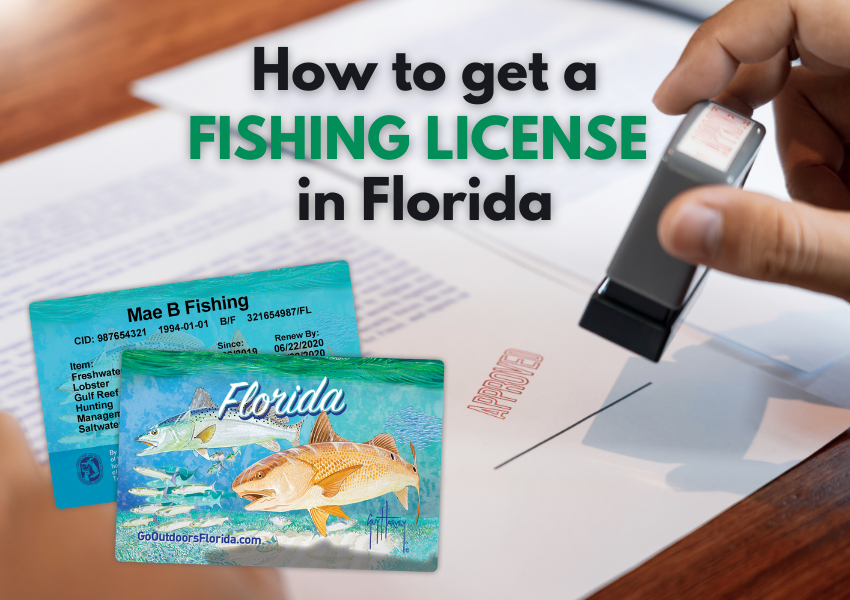
- Online: The easiest and most popular method for purchasing a fishing license is through the FWC website. Their online licensing system, GoOutdoorsFlorida.com, allows you to purchase and print your license instantly from anywhere with an internet connection. This is particularly convenient for travelers who might arrive in Florida and decide to fish spontaneously.
- By Phone: You can also purchase a license over the phone by calling the FWC customer service line. This option provides assistance from a representative who can guide you through the process and answer any questions you may have.
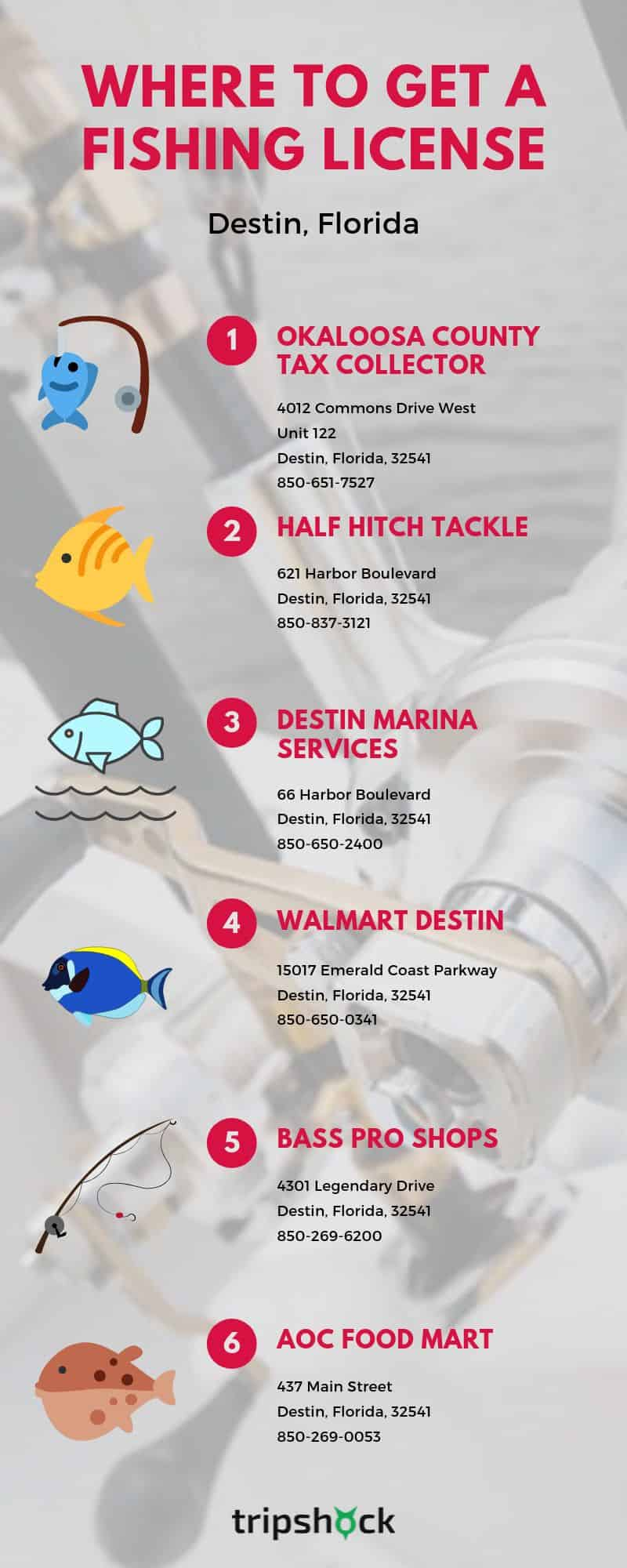
- In-Person Retailers: For those who prefer a more traditional approach, licenses can be purchased in person at thousands of retail locations across Florida. These include bait and tackle shops, sporting goods stores (like Bass Pro Shops and Academy Sports + Outdoors), and many Walmart and Kmart stores. County tax collector’s offices also typically sell fishing licenses. This method offers the advantage of speaking with local experts who can often provide valuable fishing tips and advice on local conditions. When purchasing in person, you’ll need to provide identification and proof of residency if you’re claiming resident rates.
Regardless of the method you choose, it’s essential to have valid identification ready. For residents, this usually means a Florida Driver’s License or ID card. Non-residents will need their driver’s license or passport. Always keep your license with you while fishing, either in physical form or digitally on your phone, as FWC officers may request to see it at any time.
License Costs and Validity
The cost of a Florida fishing license varies based on several factors: your residency status, whether it’s for freshwater, saltwater, or a combination, and the duration of the license.
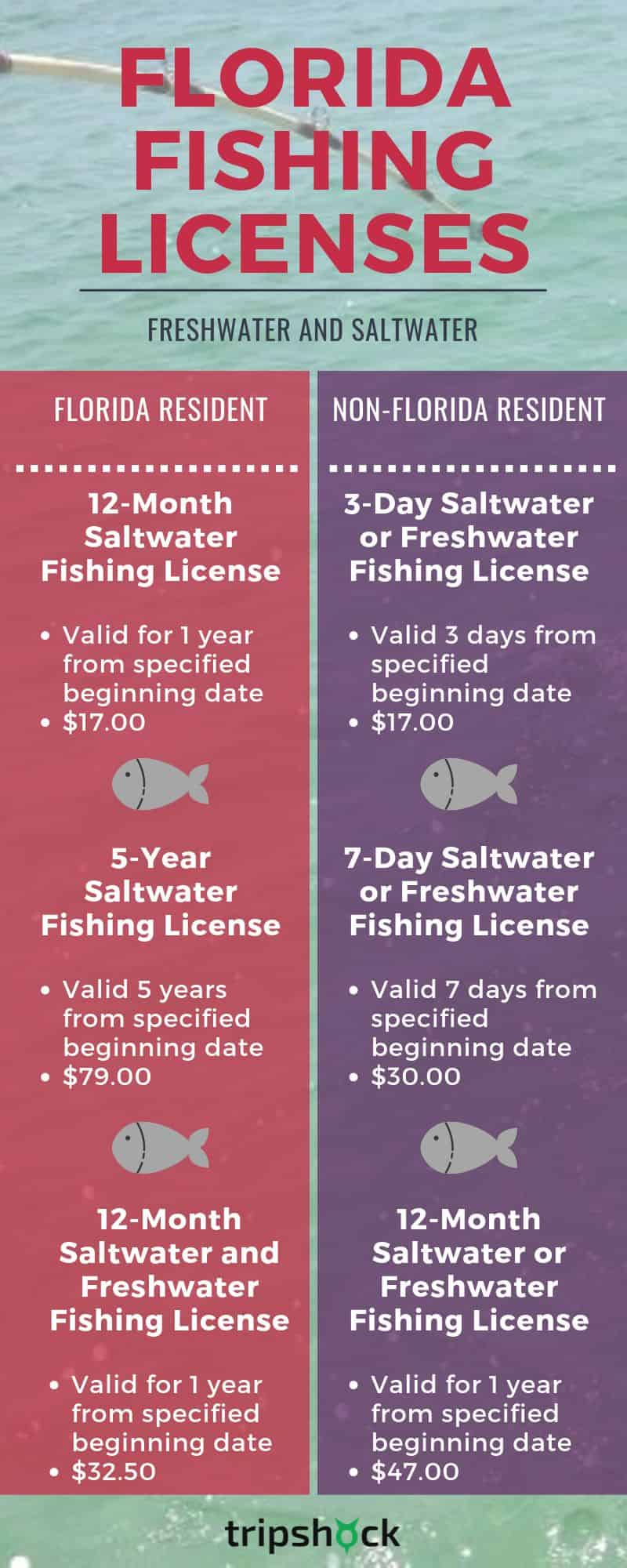
- Resident Licenses: Annual freshwater licenses for residents are typically around $17, while annual saltwater licenses are about $17. A combination annual license for residents might be approximately $32. These prices are relatively low, reflecting the state’s commitment to making fishing accessible to its citizens.
- Non-Resident Licenses: Non-resident licenses are generally more expensive. For instance, a 3-day non-resident freshwater or saltwater license might cost around $17, a 7-day license around $30, and an annual non-resident license for either freshwater or saltwater could be around $47. A non-resident annual combination license could be over $80. These higher fees for non-residents contribute significantly to the funding of conservation efforts, as non-residents often utilize the resources for shorter, more intensive periods.
- Special Permits: Add-on permits for species like Snook or Florida Spiny Lobster typically cost an additional $10 each, regardless of residency.
- Validity: Most annual licenses are valid for 12 months from the date of purchase. Short-term licenses are valid for the specified number of consecutive days, beginning on the date you select at the time of purchase. It is crucial to be aware of your license’s expiration date and renew it promptly if you plan to continue fishing.
The funds generated from fishing license sales are vital. They are primarily used by the FWC to support critical conservation programs, including habitat restoration, fish stocking, scientific research, law enforcement, and public access development. By purchasing a license, you are directly contributing to the preservation of Florida’s natural fishing heritage, ensuring that these incredible resources remain vibrant for future generations of anglers.
Beyond the License: Essential Fishing Regulations and Conservation
While securing your fishing license is the first step, it’s merely the beginning of understanding responsible angling in Florida. To ensure a sustainable and enjoyable experience, anglers must also familiarize themselves with the state’s comprehensive fishing regulations. These rules are meticulously crafted by the FWC to protect fish populations, maintain ecological balance, and preserve the integrity of Florida’s diverse aquatic environments. Adhering to these regulations is not just about avoiding penalties; it’s about actively participating in the conservation efforts that keep Florida a premier fishing destination.
Key Regulations to Know
Florida’s fishing regulations are extensive and species-specific, covering a wide array of rules designed to manage fish stocks effectively:
- Bag Limits: This refers to the maximum number of a particular species of fish an individual angler can keep in a single day. Bag limits vary significantly by species, region, and sometimes even time of year. For instance, you might be allowed to keep a certain number of snook per person, per day, but only during open seasons.
- Size Limits: To protect juvenile fish and allow them to reach reproductive age, most regulated species have minimum and/or maximum size limits. A common example is redfish, which often has a slot limit – meaning you can only keep fish within a specific length range (e.g., between 18 and 27 inches). Fish outside this range must be immediately released. Measuring devices are crucial for compliance.
- Closed Seasons: Many popular fish species, such as Snook and Goliath Grouper, have specific closed seasons during which they cannot be harvested or even targeted. These periods often coincide with spawning seasons, allowing populations to reproduce undisturbed. Fishing during a closed season, even if unintentionally, can result in severe penalties.
- Gear Restrictions: Regulations also dictate the type and amount of fishing gear permitted. This includes restrictions on the number of hooks, the use of certain nets (like gill nets, which are generally prohibited), and rules for spear fishing (which is only allowed for certain species in specific areas). It’s also vital to understand rules related to chumming, live bait, and artificial lures.
- Protected Species: Florida is home to several protected or endangered aquatic species, such as sawfish, sea turtles, and manatees. It is illegal to intentionally harm, harass, or possess these animals. If you accidentally hook a protected species, you must know how to safely release it with minimal harm.
- Catch and Release Practices: For many anglers, especially those targeting popular sport fish, catch and release is a preferred method. However, even with catch and release, best practices must be followed to maximize the fish’s survival rate. This includes using appropriate tackle, minimizing fighting time, handling fish gently with wet hands, and using de-hooking tools.
Before any fishing trip, it is highly recommended to consult the current FWC fishing regulations, available on their website or in their annually published handbooks. Regulations can change, so staying updated is paramount.
The Importance of Conservation
The dense network of regulations surrounding Florida fishing licenses and practices is rooted deeply in the principle of conservation. The state’s diverse and abundant marine and freshwater life is a precious resource, vital not only for recreation and tourism but also for ecological balance.
- Sustainable Fishing Practices: License fees and adherence to regulations directly fund sustainable fishing practices. The FWC uses these resources for scientific research to monitor fish populations, understand migratory patterns, and assess ecosystem health. This data then informs regulatory decisions, ensuring that harvesting levels are sustainable and do not deplete fish stocks.
- Habitat Protection and Restoration: A significant portion of license revenue is allocated to programs that protect and restore critical fish habitats, such as seagrass beds, mangrove forests, and coral reefs in saltwater environments, and freshwater springs, rivers, and lakes. These habitats serve as nurseries, feeding grounds, and shelter for countless species.
- Law Enforcement and Education: License fees also support the enforcement of fishing laws, deterring illegal fishing activities that could undermine conservation efforts. Additionally, funds are used for educational initiatives, informing anglers about responsible fishing practices, new regulations, and the importance of their role in conservation.
- Penalties for Non-Compliance: The legal ramifications of failing to comply with Florida’s fishing laws can be severe. Fishing without a valid license, exceeding bag limits, keeping undersized fish, or fishing in closed seasons are all violations that can result in substantial fines, confiscation of gear, and even criminal charges, depending on the severity and frequency of the offense. These penalties serve as a deterrent, emphasizing the state’s commitment to protecting its natural resources.
By purchasing a license and diligently following all regulations, every angler becomes a steward of Florida’s environment. This collective responsibility ensures that the joy of fishing can be experienced by generations to come, preserving the state’s reputation as a world-class angling destination.
Planning Your Florida Fishing Adventure: Travel, Accommodation & Experience
With your fishing license secured and an understanding of the regulations, it’s time to plan the practical aspects of your Florida fishing adventure. The Sunshine State offers an unparalleled array of fishing experiences, but maximizing your trip involves thoughtful consideration of destinations, accommodation, and enhancing your overall experience. As a hub for travel and tourism, Florida provides diverse options to suit every angler’s style and budget.
Top Fishing Destinations in Florida
Florida’s geography, with its extensive coastline and vast interior waterways, means there’s a perfect fishing spot for every preference:
- The Florida Keys: Renowned worldwide for its spectacular saltwater fishing, the Florida Keys offer opportunities for deep-sea fishing (marlin, sailfish, tuna), reef and wreck fishing (grouper, snapper), and shallow-water flats fishing for tarpon, bonefish, and permit. Key West and Islamorada are particularly famous for their angling scenes.
- Lake Okeechobee: As the largest freshwater lake in Florida, Lake Okeechobee is a legendary destination for freshwater anglers, especially those seeking trophy largemouth bass. Its vast expanse also supports healthy populations of black crappie and bluegill.
- Gulf Coast: The Gulf Coast of Florida, stretching from Naples up through Sarasota, Tampa Bay, and to the Panhandle cities of Destin and Panama City Beach, offers incredible inshore and offshore opportunities. Redfish, snook, trout, and gag grouper are popular catches. The calmer Gulf waters are ideal for family fishing trips.
- Atlantic Coast: From Jacksonville down to Miami, Florida’s Atlantic Coast provides a different challenge. Areas like Daytona Beach and Fort Lauderdale are famous for their pier fishing, surf fishing, and access to the Gulf Stream for offshore species like mahi-mahi and wahoo. The Indian River Lagoon system, near the Space Coast, is a renowned estuary for diverse inshore species.
- Everglades National Park: For a truly unique experience, fishing in Everglades National Park offers the chance to catch largemouth bass and various panfish in a stunning wilderness setting, often alongside incredible wildlife viewing opportunities.
Each destination offers a distinct fishing experience, influenced by local ecosystems, available species, and predominant fishing techniques. Researching specific areas based on your target species and preferred fishing style will significantly enhance your trip.
Choosing the Right Accommodation for Anglers
Your choice of accommodation can significantly impact the convenience and enjoyment of your Florida fishing trip. Travelers often seek more than just a place to sleep; they desire amenities that cater specifically to their angling needs.
- Hotels and Resorts with Marinas: Many coastal and lakefront hotels, particularly in popular fishing towns like Islamorada or near Lake Okeechobee, offer their own marinas, boat ramps, or dockage for guests. This is ideal for those bringing their own boats. Look for properties that advertise “boat-friendly” amenities.
- Vacation Rentals and Villas: For families or groups, booking a vacation rental, apartment, or villa can be a fantastic option. Many coastal homes offer private docks, fish cleaning stations, and ample parking for trailers. Platforms like Airbnb and Vrbo allow you to filter for such amenities. This choice aligns perfectly with a “lifestyle” approach to travel, offering privacy and home-like comforts.
- Extended Stay Options: For longer fishing excursions, consider extended-stay hotels or serviced apartments that offer kitchenettes and more space. This can be cost-effective and allows for easier meal preparation, especially if you plan to cook some of your catch.
- Amenities to Look For: Beyond boat access, consider properties that offer freezer space for your catch, proximity to bait and tackle shops, or even on-site guides or charter booking services. For those seeking luxury, some high-end resorts offer bespoke fishing packages, complete with private charters and gourmet preparation of your catch.
Researching accommodation options through travel guides and booking platforms, paying close attention to reviews from fellow anglers, will help you find the perfect base for your fishing adventure.
Enhancing Your Fishing Experience
Beyond the license and lodging, several elements can elevate your Florida fishing experience from good to unforgettable:
- Guided Fishing Charters: Especially for visitors, booking a guided charter is highly recommended. Experienced captains provide all the necessary gear, bait, and local knowledge, taking you directly to the best spots. This is a hassle-free way to target specific species and learn new techniques. Charter services are abundant in key destinations like the Florida Keys, Tampa Bay, and Destin.
- Local Bait and Tackle Shops: These are invaluable resources. Shop owners and staff are often passionate local anglers eager to share advice on current conditions, hot spots, and effective baits or lures. It’s also where you’ll find specialized gear and local favorites.
- What to Pack: Prepare for Florida’s sun and heat. Essential items include high-SPF sunscreen, a wide-brimmed hat, polarized sunglasses, lightweight long-sleeved shirts for sun protection, and comfortable non-slip shoes. Don’t forget a cooler for drinks, snacks, and any fish you plan to keep.
- Best Times to Fish: Researching seasonal patterns for your target species is crucial. Some fish are more active during certain tides, moon phases, or times of the day (e.g., dawn and dusk). Local guides or bait shops can provide real-time insights.
- Embrace Local Culture and Food: Fishing in Florida is often intertwined with the local culture. Enjoy fresh seafood at local restaurants, explore charming fishing villages, and interact with the vibrant communities that thrive along Florida’s waterways. Many establishments offer “cook your catch” services, providing a delicious culmination to your day on the water.
Safety Tips for Fishing in Florida
Safety should always be a top priority on any fishing trip:
- Weather Awareness: Florida weather can change rapidly, especially in the summer with afternoon thunderstorms. Always check forecasts before heading out and be prepared to seek shelter if conditions worsen.
- Sun Protection: The Florida sun is intense. Beyond sunscreen and protective clothing, stay hydrated by drinking plenty of water.
- Know Your Limits: Be realistic about your experience and physical capabilities, especially when venturing into new or challenging waters.
- Respect Wildlife: Florida is home to diverse wildlife, including alligators, snakes, and venomous insects. Be aware of your surroundings, especially in freshwater environments and undeveloped areas.
By carefully planning your trip, adhering to regulations, and prioritizing safety, your Florida fishing adventure is sure to be a rewarding and memorable experience.
In conclusion, the answer to “Do you need a fishing license to fish in Florida?” is a resounding yes for most adults. Acquiring the correct license is not just a legal obligation but a direct contribution to the vital conservation efforts that sustain Florida’s rich and diverse aquatic ecosystems. From the bass-filled waters of Lake Okeechobee to the prolific marine life of the Florida Keys, the Sunshine State offers an unparalleled angling paradise. By understanding the regulations, choosing suitable accommodation, and embracing responsible fishing practices, you ensure your trip is both enjoyable and contributes to the lasting health of this extraordinary natural treasure. So, get your license, pack your gear, and prepare for an unforgettable fishing journey in Florida!
LifeOutOfTheBox is a participant in the Amazon Services LLC Associates Program, an affiliate advertising program designed to provide a means for sites to earn advertising fees by advertising and linking to Amazon.com. Amazon, the Amazon logo, AmazonSupply, and the AmazonSupply logo are trademarks of Amazon.com, Inc. or its affiliates. As an Amazon Associate we earn affiliate commissions from qualifying purchases.