
The allure of Florida is undeniable. From its sun-drenched beaches and vibrant cities to its endless recreational opportunities and balmy climate, the Sunshine State has long captivated the imaginations of travelers, retirees, and those seeking a lifestyle change. Millions flock to its shores annually, drawn by world-class attractions, diverse cultural experiences, and the promise of a laid-back, yet dynamic, way of life. Whether you dream of visiting the magical theme parks of Orlando, exploring the Art Deco splendor of Miami Beach, or simply enjoying the tranquil beauty of the Florida Keys, Florida offers an unparalleled mosaic of experiences.

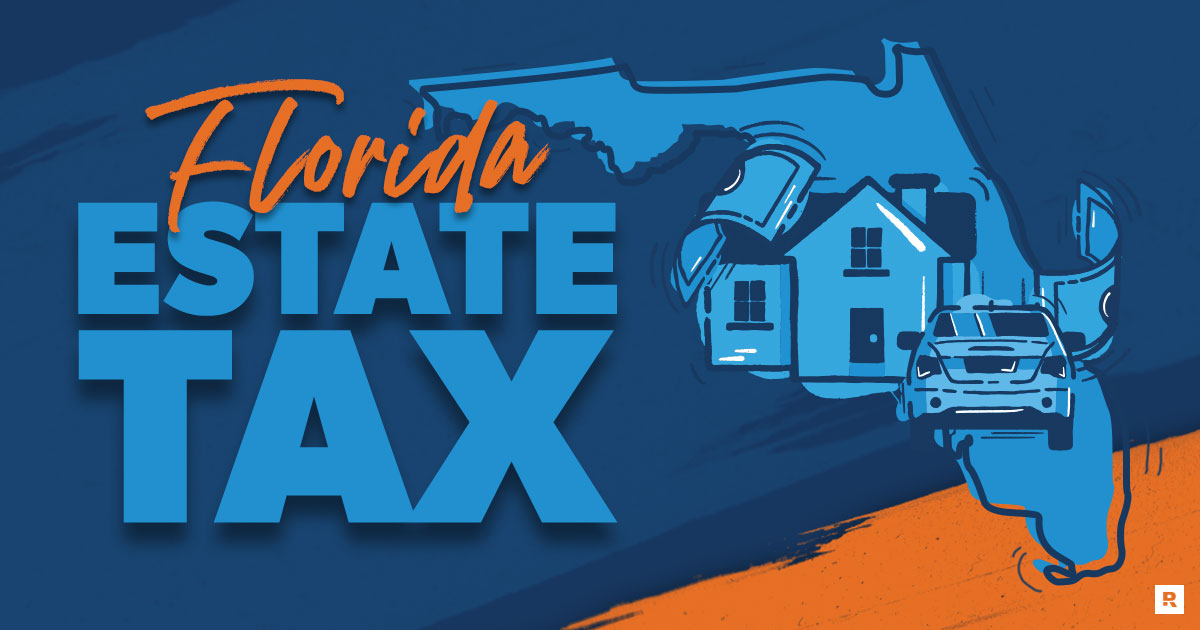
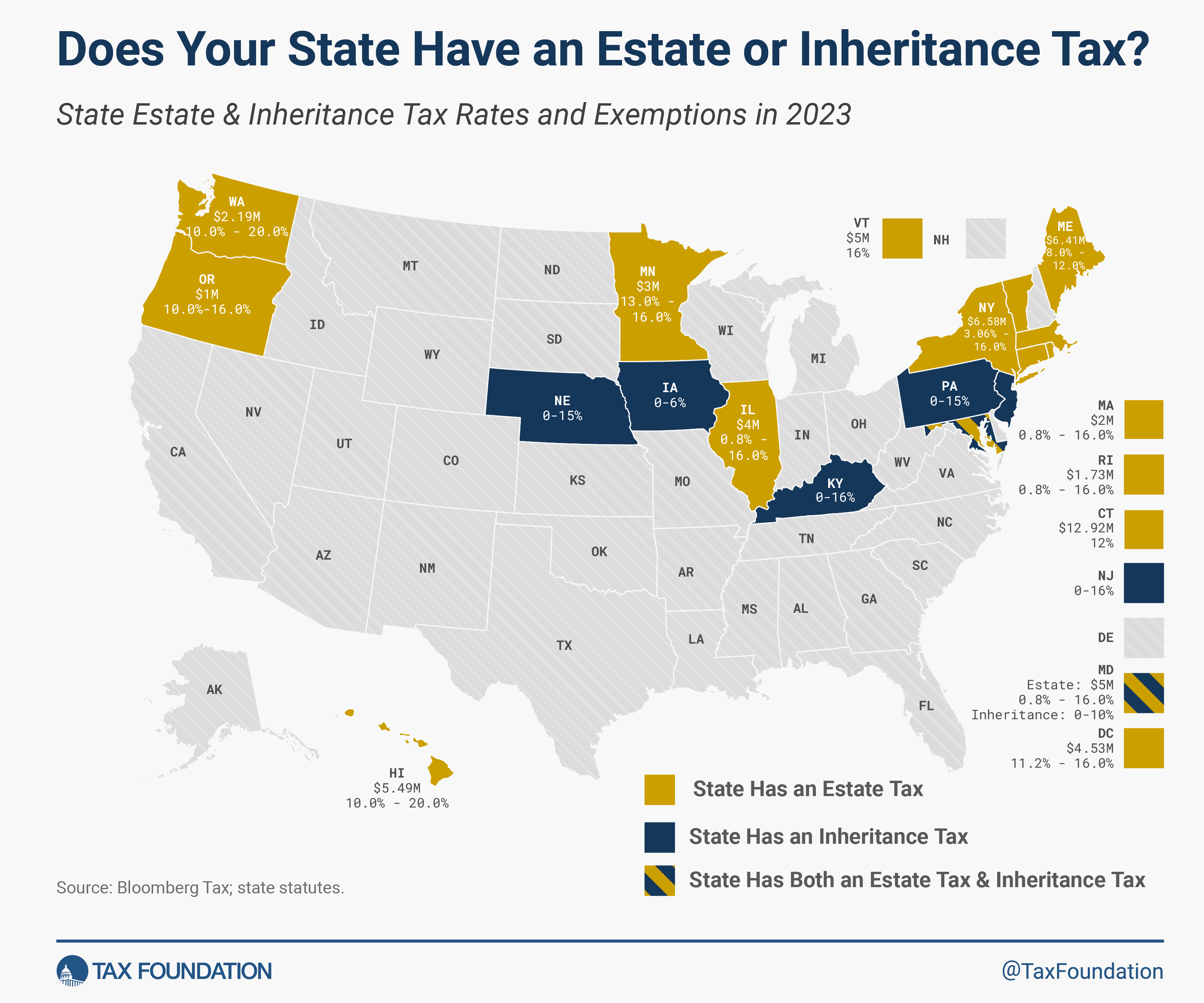
Beyond its immediate charm as a premier travel destination, Florida also holds significant appeal for those considering a more permanent move, particularly retirees. The state is renowned for its favorable tax policies, a factor that often plays a crucial role in long-term financial planning and estate considerations. Among the most common questions prospective residents and their families often ask is about post-mortem taxes: “Does Florida have an inheritance tax?” The simple and reassuring answer is no. Florida is one of many states that does not impose a state-level inheritance tax or estate tax.
However, the absence of these specific state taxes doesn’t mean that estate planning is entirely tax-free or straightforward in Florida. Understanding the broader tax landscape and its implications is vital for anyone considering property ownership, long-term residency, or even just extending their stay in this popular destination. This article delves into Florida’s unique tax environment, explores the reasons behind its popularity as a relocation hotspot, and provides essential insights for those looking to plan their financial future and legacy within the Sunshine State.
Understanding Florida’s Tax Landscape for Residents
Florida’s reputation as a tax-friendly state is well-earned, attracting a steady stream of new residents, particularly from states with higher tax burdens. This reputation is built on several key components of its tax structure, which, while beneficial, still require careful consideration as part of comprehensive financial and estate planning.
The Sunshine State’s Approach to Inheritance and Estate Taxes
As established, Florida does not impose a state-level inheritance tax or estate tax. An inheritance tax is typically levied on the beneficiaries who receive assets from an estate, while an estate tax is imposed on the total value of the deceased person’s estate before distribution to heirs. The absence of both these taxes at the state level is a significant draw, especially for individuals with substantial assets and families looking to preserve their wealth across generations. This policy means that when a resident of Florida passes away, their heirs generally will not owe state taxes on the inherited property or assets.
However, it is crucial to understand that this does not exempt an estate from potential federal estate taxes. The United States federal government has its own estate tax, which applies to estates exceeding a certain value, a threshold that changes periodically with inflation. For instance, in recent years, the federal estate tax exemption has been quite high, meaning only a relatively small percentage of estates nationwide are subject to it. If an estate’s value surpasses this federal threshold, the federal estate tax will apply, regardless of whether the deceased resided in Florida or any other state without its own estate tax. Therefore, while Florida offers state-level relief, comprehensive estate planning must always account for potential federal obligations. This often involves working with estate planning attorneys and financial advisors who can help navigate complex federal regulations and implement strategies like trusts or gifting to minimize tax liabilities.
Beyond Inheritance: Other Key Taxes in Florida
While the absence of inheritance and state estate taxes is a major advantage, it’s important to look at the full picture of taxes that impact residents and property owners in Florida. These include:
- No State Income Tax: This is perhaps Florida’s most significant tax advantage. Unlike many other states, Florida does not levy a state income tax on wages, salaries, or other forms of personal income. This translates to more disposable income for residents, making it particularly attractive for retirees living on pensions, social security, or investment income, as well as for professionals and business owners. This favorable income tax policy significantly enhances the overall quality of life and financial viability for those considering a move to the state.
- Sales Tax: Florida does impose a state sales tax, which is applied to the sale of most goods and some services. The state sales tax rate is currently 6%, though local counties may add their own discretionary sales surtaxes, pushing the combined rate higher in some areas. For visitors, this means purchases of souvenirs, meals, and other retail items will include sales tax. For residents, it’s a routine part of daily expenditures, from groceries (though many food items are exempt) to larger purchases like furniture or vehicles.
- Property Taxes: While there’s no state inheritance tax, property taxes are a significant consideration for anyone owning real estate in Florida. These taxes are levied at the local level by counties, municipalities, and special districts to fund public services like schools, police, and infrastructure. Property tax rates vary considerably across Florida, depending on the specific location, the assessed value of the property, and local millage rates. Popular areas such as Miami, Palm Beach, or Sarasota might have different rates than more rural or less developed regions.
- Homestead Exemption: Florida offers a significant homestead exemption for primary residences, which reduces the taxable value of a property by up to $50,000 for qualifying homeowners. This exemption can substantially lower property tax bills for full-time residents, making homeownership more affordable.
- Save Our Homes Amendment: This constitutional amendment caps the annual increase in the assessed value of homesteaded properties at 3% or the Consumer Price Index, whichever is lower. This protection helps shield long-term homeowners from sharp increases in property taxes, particularly in rapidly appreciating markets.
- Intangible Personal Property Tax: Florida abolished its intangible personal property tax in 2007. Previously, this tax was levied on certain financial assets like stocks, bonds, and mutual funds. Its elimination further solidified Florida’s reputation as a favorable state for wealth preservation.
Understanding this comprehensive tax structure is essential for anyone planning a move to Florida or for those already enjoying its many benefits. The absence of state income and inheritance taxes, coupled with property tax benefits for homesteaded properties, makes Florida an attractive option for financial planning, but it doesn’t negate the need for diligent financial stewardship.
Why Florida Remains a Prime Destination for Long-Term Stays and Retirement
The strategic financial advantages of living in Florida—especially the absence of state income and inheritance taxes—are powerful magnets, but they are far from the only reasons why the state consistently ranks as a top destination for long-term stays, seasonal residents (often called “snowbirds”), and permanent retirees. The lifestyle, climate, and robust tourism infrastructure all play equally important roles.
Lifestyle and Economic Advantages
Florida offers a quality of life that is difficult to match. The state’s sub-tropical and tropical climates ensure abundant sunshine and warm temperatures for most of the year, providing ample opportunity for outdoor activities. This is a significant draw for those looking to escape harsh winters and embrace an active lifestyle.
- Year-Round Recreation: From championship golf courses in Naples and Jacksonville to world-class fishing in the Gulf Coast and Atlantic Coast, Florida is an outdoor enthusiast’s paradise. Boating, swimming, tennis, cycling, and hiking in stunning natural preserves like Everglades National Park are daily possibilities, not just seasonal treats.
- Diverse Communities: Florida is a melting pot of cultures, offering a wide array of communities to suit any preference. Whether you’re drawn to the vibrant urban energy of Miami with its Latin influences, the family-friendly suburban charm of Tampa, the historic allure of St. Augustine, or the tranquil island vibe of Key West, there’s a place for everyone. This diversity also translates into a rich culinary scene, from fresh seafood shacks to gourmet dining experiences.
- Accessibility and Infrastructure: Florida boasts excellent infrastructure, including major international airports in Orlando International Airport, Miami International Airport, and Fort Lauderdale-Hollywood International Airport, making travel easy for visiting family or international adventures. The state’s healthcare system is also robust, with numerous top-rated hospitals and medical facilities, providing peace of mind for older residents.
- Tourism as a Lifestyle: Even for residents, the extensive tourism infrastructure translates into a myriad of leisure activities. Theme parks, museums like the Salvador Dalí Museum in St. Petersburg, performing arts centers, and countless festivals and events ensure there’s always something new to experience, connecting residents to the very attractions that draw millions of visitors.
Planning Your Florida Legacy: Estate Considerations for Residents
Even without a state inheritance tax, proactive estate planning is crucial for Florida residents to ensure their wishes are honored and their assets are distributed efficiently. This involves understanding Florida-specific laws regarding wills, trusts, and probate.
- Wills: A valid will is the cornerstone of any estate plan. In Florida, a will must be in writing, signed by the testator (the person making the will), and attested to by two subscribing witnesses in the testator’s presence. Without a will, a person’s assets will be distributed according to Florida’s intestacy laws, which may not align with their actual desires.
- Trusts: Many Florida residents opt for living trusts, particularly revocable living trusts. A trust can help avoid probate (the legal process of validating a will and distributing assets), potentially saving time and legal fees. Assets placed into a trust are managed by a trustee for the benefit of designated beneficiaries. This is especially useful for those with properties in multiple states or for individuals who wish to maintain privacy regarding their estate.
- Probate: While Florida’s probate process is generally streamlined compared to some other states, it can still be time-consuming and expensive. Probate is required for assets held solely in the deceased’s name without a designated beneficiary or joint ownership. Understanding which assets are subject to probate and which can avoid it (e.g., life insurance policies with beneficiaries, jointly owned property with rights of survivorship, assets in a trust) is vital for efficient estate transfer.
- Guardianship: For residents with minor children or dependents with special needs, appointing a guardian in an estate plan is critical. This ensures that the chosen individuals will care for their loved ones and manage their inheritances, rather than leaving the decision to the courts.
- Healthcare Directives: Beyond financial assets, estate planning in Florida also encompasses personal healthcare decisions. Documents like a Living Will and a Designation of Health Care Surrogate empower individuals to make decisions about their medical care and appoint someone to make those decisions if they become incapacitated.
For both seasonal residents who spend a significant portion of the year in Florida and permanent residents, understanding these estate planning nuances is key. Consulting with a Florida estate planning attorney can provide tailored advice, ensuring that all legal requirements are met and that assets are distributed according to one’s wishes, minimizing potential disputes and tax burdens.
Navigating Florida’s Appeal: More Than Just Taxes
While tax benefits are a significant draw, Florida’s enduring popularity stems from a much broader appeal. It’s a destination that caters to a diverse range of preferences and lifestyles, making it not just a place to save on taxes, but a place to truly live and experience life to the fullest.
From Bustling Cities to Tranquil Beaches: A Destination for Every Taste
Florida is a tapestry of experiences, offering something for every traveler and resident.
- World-Class Attractions: The state is home to some of the world’s most famous theme parks, including Walt Disney World Resort and Universal Orlando Resort, which draw millions of visitors annually. Beyond the magic, attractions like the Kennedy Space Center Visitor Complex offer educational and awe-inspiring experiences, reflecting Florida’s pioneering spirit.
- Beaches for Every Mood: From the vibrant shores of South Beach in Miami Beach with its iconic Art Deco Historic District to the sugary white sands of Clearwater Beach and the pristine beauty of Amelia Island, Florida’s coastline is legendary. Each beach offers a unique vibe, whether you seek lively crowds, watersports, or secluded relaxation.
- Cultural Hubs and Historic Gems: Cities like St. Augustine, the nation’s oldest continuously inhabited European-established settlement, offer a deep dive into history with its Spanish colonial architecture and ancient forts. Miami thrives as an international cultural crossroads, boasting world-class museums, galleries, and a dynamic arts scene, including the annual Art Basel fair.
- Natural Wonders: Beyond the built attractions, Florida is home to unique ecosystems. The vast wetlands of Everglades National Park provide critical habitat for diverse wildlife, while the underwater worlds of Biscayne National Park and Dry Tortugas National Park invite exploration and adventure for divers and nature lovers.
These diverse offerings contribute to Florida’s overall appeal, making it a place where residents can enjoy a permanent vacation-like lifestyle, constantly surrounded by opportunities for exploration, entertainment, and relaxation.
Accommodation and Lifestyle Choices in the Sunshine State
The variety of accommodation options in Florida mirrors its diverse landscape and caters to all preferences, from luxury seekers to budget-conscious travelers and long-term residents.
- Luxury Resorts and Hotels: For those seeking opulent stays, Florida is dotted with world-renowned resorts. Think of the historic grandeur of The Breakers Palm Beach, the vibrant energy of the Seminole Hard Rock Hotel & Casino in Hollywood, or the elegant beachfront properties of Ritz-Carlton and JW Marriott in various cities. These establishments provide not just a place to stay, but a complete lifestyle experience with gourmet dining, spas, and exclusive amenities.
- Vacation Rentals and Villas: For longer stays, families, or groups, vacation rentals, apartments, and villas are incredibly popular. Platforms offer extensive options ranging from quaint beachfront cottages in Destin to spacious homes near Walt Disney World or luxury condos in Fort Lauderdale. These accommodations offer more space and amenities, often at a better value for extended trips, giving visitors a taste of what it might be like to live in Florida.
- Residential Choices: For permanent residents, the housing market offers everything from high-rise urban condos and suburban family homes to sprawling waterfront estates and active adult communities. The choice of accommodation often aligns with a desired lifestyle—whether it’s the bustling city life of Miami, the serene coastal living of Punta Gorda, or the historic charm of Pensacola. Property ownership is a core aspect of settling in Florida, and understanding the local property tax implications, alongside the state’s broader tax benefits, is key to making an informed decision. The state’s diverse housing market, coupled with its tax advantages, makes it an attractive place for both investment and establishing a permanent home, contributing to the overall appeal for those looking to build a life—and a legacy—in the Sunshine State.
In conclusion, Florida stands out not only for its captivating beauty and myriad attractions but also for its distinctive financial advantages. The absence of a state inheritance tax is a significant benefit, easing the burden on beneficiaries and reinforcing Florida’s status as a top choice for estate planning. Coupled with no state income tax, these policies contribute to a lower cost of living and a higher quality of life for many residents. However, this tax-friendly environment does not eliminate the need for diligent financial and estate planning. Navigating federal estate taxes, understanding local property taxes, and establishing comprehensive wills and trusts remain essential steps for anyone building a future or leaving a legacy in the Sunshine State. Whether you are seeking an unforgettable travel experience, a luxurious hotel stay, or a permanent home, Florida offers a compelling blend of lifestyle, economic advantages, and opportunities for a truly vibrant existence.
LifeOutOfTheBox is a participant in the Amazon Services LLC Associates Program, an affiliate advertising program designed to provide a means for sites to earn advertising fees by advertising and linking to Amazon.com. Amazon, the Amazon logo, AmazonSupply, and the AmazonSupply logo are trademarks of Amazon.com, Inc. or its affiliates. As an Amazon Associate we earn affiliate commissions from qualifying purchases.