
For many, the allure of a flexible career that blends professional success with the freedom to explore diverse lifestyles is a powerful draw. Imagine a profession that not only offers significant earning potential but also the unique opportunity to live and work in one of the world’s most sought-after destinations: Florida. The Sunshine State, renowned for its vibrant tourism, stunning accommodations, and bustling real estate market, presents an unparalleled backdrop for those seeking a dynamic career. Obtaining a real estate license in Florida isn’t just about selling properties; it’s about unlocking a lifestyle, understanding the intricacies of the state’s booming vacation rental market, and potentially investing in the very hotels, resorts, or villas that define its global appeal.
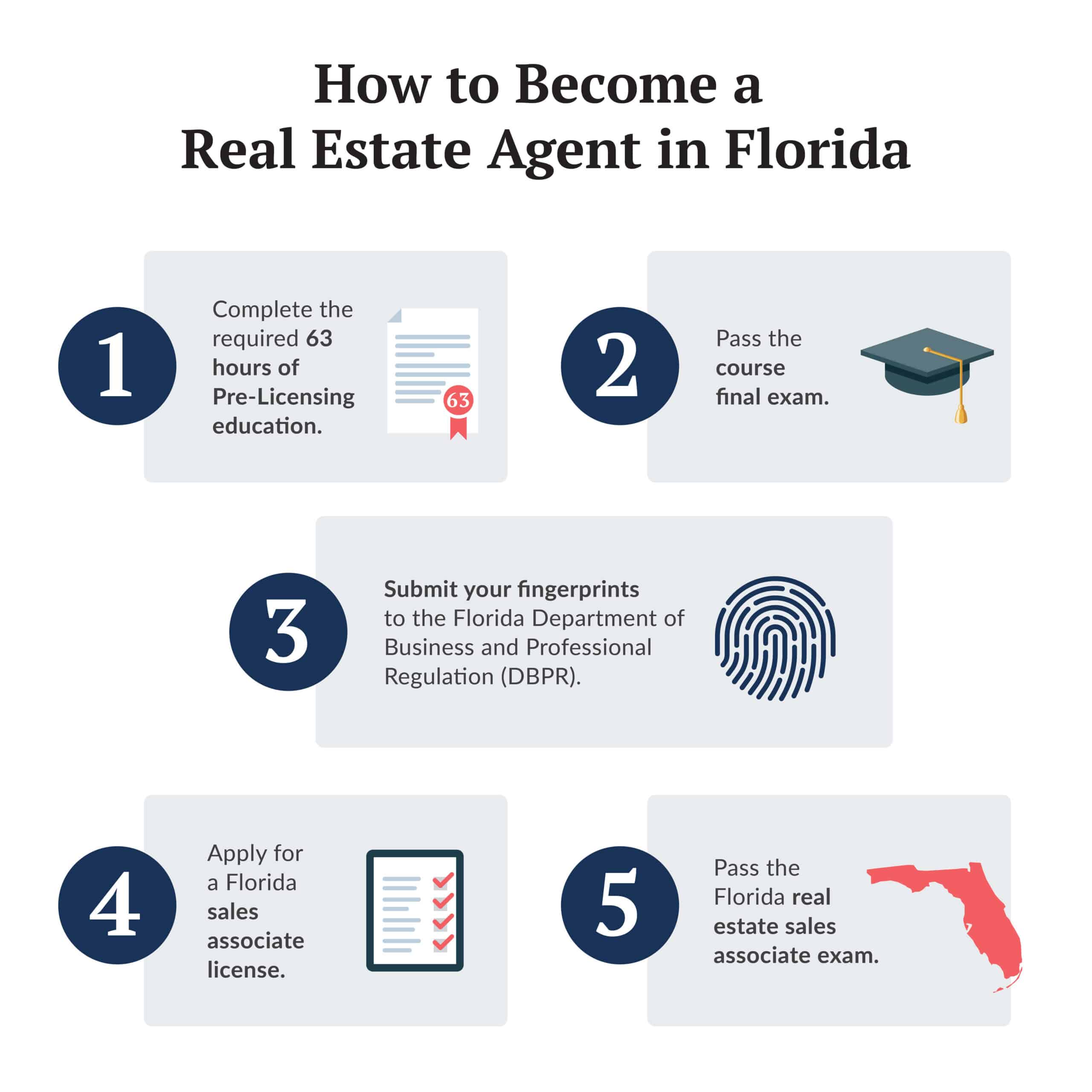
This comprehensive guide will walk you through every step of acquiring your real estate sales associate license in Florida. We’ll cover the essential requirements, the educational journey, the application and examination processes, and even the financial commitments involved. More importantly, we’ll explore how this license can serve as a passport to a richer, more flexible lifestyle, whether you dream of specializing in luxury vacation homes, assisting snowbirds in finding their perfect winter escape, or even delving into the investment side of Florida’s thriving travel industry.
Unlocking Your Dream: Why a Real Estate License in Florida?
The decision to pursue a real estate license in Florida is often driven by more than just professional ambition; it’s about embracing a desired lifestyle. The state’s unique economic landscape, fueled by year-round sunshine and an ever-present influx of visitors, creates a dynamic environment for real estate professionals.
A Gateway to a Flexible Lifestyle
One of the most compelling reasons to become a real estate agent in Florida is the unparalleled flexibility it offers. Unlike traditional 9-to-5 jobs, a career in real estate often allows for a more autonomous schedule. This flexibility can be a game-changer for individuals who value work-life balance, dream of extensive travel, or prefer to dictate their own pace. Imagine having the freedom to plan your days around family commitments, personal pursuits, or even spontaneous trips to Walt Disney World in Orlando or the pristine beaches of South Beach in Miami.
Moreover, the real estate profession, especially in a state like Florida, often allows you to work remotely or from various locations. This mobility is a significant perk for those who envision a lifestyle that isn’t confined to a single office. You could be assisting a client with a beachfront condo in Key West one week and exploring investment opportunities in St. Augustine the next. This blend of professional engagement and personal freedom is a cornerstone of the appeal of a Florida real estate career.
Investing in the Sunshine State’s Tourism Economy
Florida’s identity is inextricably linked to its colossal tourism industry. Millions flock to the state annually, seeking everything from thrilling attractions to serene natural landmarks. This constant influx of visitors, coupled with a steady stream of new residents, fuels a robust demand for various types of accommodation and property. As a licensed real estate agent, you gain a unique vantage point into this thriving market.
You could specialize in helping investors acquire properties for short-term vacation rentals, catering to the millions who visit Orlando, Miami, or the Emerald Coast. This niche not only offers significant earning potential but also positions you at the heart of the state’s economic engine. Understanding the nuances of property management for vacation villas or facilitating the sale of commercial properties like small boutique hotels or bed-and-breakfasts can become your expertise. A real estate license in Florida is more than a credential; it’s a tool that allows you to actively participate in and profit from the dynamic intersection of real estate and tourism.
Understanding Florida’s Unique Market
Florida’s real estate market is diverse, vibrant, and constantly evolving. From the bustling metropolitan areas of Miami and Orlando to the tranquil coastal towns and rural expanses, the state offers a wide array of opportunities. Its status as a tax-friendly state, combined with its natural beauty and recreational offerings like Everglades National Park or the Kennedy Space Center Visitor Complex, attracts a diverse population, including retirees, families, and international investors.
Becoming a licensed agent provides you with the knowledge and access to navigate this complex market. You’ll understand the factors driving property values in different regions, from the demand for luxury resorts in Palm Beach to affordable family homes in emerging communities. This insight is invaluable, not just for your clients but also for your personal investment strategies, should you choose to invest in Florida real estate yourself. A real estate license equips you with a profound understanding of the very fabric of Florida’s appeal, making you an informed advisor in a highly competitive landscape.
The Journey Begins: Florida Real Estate License Requirements and Pre-Licensing
Embarking on the path to becoming a licensed real estate sales associate in Florida involves meeting specific criteria and completing a foundational educational course. These initial steps are crucial for ensuring that all prospective agents possess the necessary background and knowledge to serve the public responsibly.
Who Can Apply? Basic Eligibility Criteria
Before diving into coursework, it’s essential to confirm you meet the fundamental requirements set forth by the Florida Real Estate Commission (FREC), which operates under the Florida Department of Business and Professional Regulation (DBPR). These criteria ensure a baseline level of maturity, competence, and integrity among licensees:
- Age: You must be at least 18 years old.
- Education: You need to possess a high school diploma or its equivalent (GED).
- Social Security Number: A U.S. Social Security Number is mandatory for application, primarily for background check purposes and to ensure compliance with child support enforcement.
- Honesty and Background: This is a critical component. You must disclose any criminal history, even if adjudication was withheld or the record was sealed or expunged. The FREC has a strict “honesty, trustworthiness, and integrity” standard. A background check, including fingerprinting, will be conducted by the Florida Department of Law Enforcement (FDLE) and the Federal Bureau of Investigation (FBI). Certain offenses, particularly those involving fraud or moral turpitude, could lead to denial of licensure. It is always advisable to be fully transparent on your application.
Meeting these prerequisites is the first official step on your journey toward a rewarding career in Florida real estate.
Laying the Foundation: The 63-Hour Sales Associate Course
Once you’ve confirmed your eligibility, the next significant phase is completing the mandatory pre-licensing education. Florida requires all prospective sales associates to successfully complete a 63-hour Sales Associate Pre-License Course. This course is designed to provide you with a comprehensive understanding of real estate principles, practices, and law specific to Florida.
The curriculum typically covers a wide range of essential topics, including:
- Real Estate Law: Fundamental legal concepts governing property ownership, contracts, agency relationships, and fair housing.
- Ethics and Professional Conduct: The ethical standards expected of real estate professionals and how to maintain integrity in all dealings.
- Property Rights and Interests: Understanding different types of ownership, deeds, and encumbrances.
- Valuation and Appraisal: Methods for determining property value, market analysis, and factors influencing price.
- Finance and Economics: Basic principles of real estate finance, mortgage types, and economic influences on the market.
- Real Estate Practice: Practical aspects of listing properties, marketing, negotiating offers, and closing transactions.
The 63-hour course can be taken through various approved providers, including traditional classroom settings, online courses, or a hybrid format. At the end of the course, you must pass a comprehensive end-of-course exam with a score of at least 70%. This exam is a critical indicator of your preparedness for the state licensing exam, and its successful completion is a prerequisite for moving forward. This foundational education is not just a hurdle to clear; it’s an investment in the knowledge that will underpin your entire career in Florida’s dynamic real estate landscape, allowing you to confidently advise clients on everything from luxury villas to investment properties.
Navigating the Application and Examination Process
With your pre-licensing education complete and your eligibility confirmed, the next phase involves the official application to the state and the ultimate challenge: the state licensing examination. This stage requires meticulous attention to detail and thorough preparation.
Submitting Your Application: A Step-by-Step Guide
The application process is handled by the Florida Department of Business and Professional Regulation (DBPR). Here’s a breakdown of the typical steps:
- Online Application: The most efficient way to apply is online through the DBPR website. You will need to create an account and complete the Sales Associate application form RE 1.
- Application Fee: A non-refundable fee must be paid when submitting your application. This fee covers the cost of processing your application and the initial background check.
- Supporting Documents: While the online application guides you, be prepared to provide information regarding your identity, educational background, and, most importantly, your criminal history. Full disclosure of any past legal issues, even minor ones, is crucial at this stage. Concealing information can lead to immediate denial or revocation of a license later.
- Fingerprint Submission: As part of the background check, you are required to submit electronic fingerprints. This must be done through an approved Livescan vendor. The fingerprints are processed by the FDLE and the FBI. It’s advisable to schedule your fingerprinting appointment promptly after submitting your application, as processing times can vary. Ensure the results are sent directly to the DBPR.
Once your application, fees, and fingerprint results are received and processed, the DBPR will review your file. If all criteria are met, they will approve your application and issue an authorization to take the state licensing exam. This authorization is typically valid for two years, giving you ample time to schedule and pass the exam.
Conquering the State Exam: Your Path to Licensure
The Florida Real Estate Sales Associate examination is the final hurdle before obtaining your license. This is a rigorous test designed to ensure you possess a thorough understanding of Florida real estate law, principles, and practices.
- Exam Administrator: The state exam is administered by Pearson VUE, a professional testing service. You will need to schedule your exam appointment directly with them after receiving your authorization from the DBPR.
- Exam Format: The exam consists of 100 multiple-choice questions. These questions cover both national real estate principles and practices (45 questions) and specific Florida real estate law (45 questions), with 10 questions that are typically “pilot” questions and do not count towards your score. You will have 3.5 hours to complete the exam.
- Passing Score: A score of 75% or higher is required to pass the exam.
- Retakes: If you do not pass on your first attempt, you are allowed to retake the exam. There is no limit to the number of times you can retake it, but you must pay the exam fee each time and wait at least 24 hours before rescheduling. Many candidates find it beneficial to review their weak areas and perhaps take a state exam cram course before attempting a retake.
Thorough preparation, including reviewing your course materials, using practice exams, and understanding the exam format, is essential for success. Passing this exam is the moment you officially qualify for your Florida Real Estate Sales Associate license.
Beyond the Exam: Post-Licensing Education
Receiving your initial real estate license is a significant achievement, but it’s important to understand that your educational journey doesn’t end there. Florida has specific requirements for post-licensing education to ensure new agents continue to develop their skills and stay current with industry changes.
- 45-Hour Sales Associate Post-Licensing Course: All newly licensed sales associates must complete a 45-hour post-licensing course before their first license renewal. This course must be completed prior to the expiration date of your initial license (which is typically 18 to 24 months after licensure, depending on your activation date). Failure to complete this course will result in your license becoming null and void, meaning you would have to start the entire licensing process over again.
- Purpose: The post-licensing course delves deeper into practical aspects of real estate, offering more advanced training on topics such as contract negotiation, property analysis, marketing strategies, and ethical considerations. It bridges the gap between theoretical knowledge and real-world application, preparing you for successful transactions and client interactions, whether you’re dealing with residential homes or commercial hotels geared towards tourism.
- Continuing Education: After your first renewal, you will then be required to complete 14 hours of continuing education every two years to maintain an active license. This includes a 3-hour core law update and a 3-hour ethics and business practices course, along with 8 hours of specialty education.
These ongoing education requirements underscore the FREC’s commitment to maintaining a highly competent and ethical pool of real estate professionals in Florida.
The Investment: Understanding Costs and Maximizing Your Florida Real Estate Career
Pursuing a real estate license in Florida involves a financial investment, but it’s an investment with the potential for substantial returns, both professionally and personally. Understanding these costs upfront is crucial for planning your journey.
Breaking Down the Financial Commitment
The total cost to get your Florida real estate license can vary depending on your chosen education provider and whether you pass the state exam on the first attempt. Here’s an estimated breakdown:
- Pre-Licensing Course (63 hours): This is usually the most significant educational expense. Costs typically range from $150 to $500, depending on whether you choose an online, self-paced course or a more intensive in-person classroom experience. Some providers offer bundles that include exam prep materials.
- Application Fee: The initial application fee to the DBPR is around $83.75.
- Fingerprint Background Check: The cost for electronic fingerprinting ranges from $50 to $80, depending on the Livescan vendor.
- State Exam Fee: Each attempt at the Pearson VUE state exam costs $36.75.
- Post-Licensing Course (45 hours): This mandatory course typically costs between $100 and $250.
- Continuing Education (14 hours, biennial): These courses are generally more affordable, ranging from $20 to $50 for the required hours.
In total, you can expect the initial outlay for education, application, and the first exam attempt to be in the range of $420 to $950. This figure does not include optional costs such as professional association dues (e.g., local Realtor® associations, which often provide access to the Multiple Listing Service (MLS)), additional exam preparation materials, or business startup costs (marketing, website, business cards).

Building a Lifestyle Around Real Estate in Florida
The financial investment in your license is minimal compared to the potential financial and lifestyle rewards. With a Florida real estate license, you’re not just buying a job; you’re investing in the ability to craft a career that aligns with your passions for travel, tourism, and flexible living.
Imagine a career where you specialize in helping clients find their dream vacation homes near Walt Disney World or Universal Orlando Resort, becoming an expert in the intricate details of resort-style communities and their potential for rental income. Or perhaps you’re drawn to the luxury market, assisting discerning buyers in acquiring waterfront villas in Naples or high-rise condos overlooking South Beach. Your expertise could extend to commercial real estate, facilitating the purchase and sale of boutique hotels or bed-and-breakfasts, directly impacting the state’s vibrant accommodation sector.
The flexibility of a real estate career in Florida allows you to set your own hours, manage your client base, and even work remotely, enabling you to explore the state’s numerous attractions and landmarks at your leisure. Whether it’s a weekend trip to the historic streets of St. Augustine, a fishing excursion in the Florida Keys, or simply enjoying the sunset from your own porch, your real estate career can support a rich and fulfilling life. It’s a profession where your dedication directly translates into the freedom to pursue a balanced and adventurous lifestyle, making your investment in a Florida real estate license truly worthwhile.
In conclusion, obtaining a real estate license in Florida is a structured process involving specific requirements, dedicated education, and a comprehensive examination. However, it’s much more than just bureaucratic steps; it’s an investment in a career that offers unparalleled flexibility, significant earning potential, and the unique opportunity to integrate your professional life with a desired lifestyle in one of the world’s most dynamic and beautiful states. By understanding the process and embracing the opportunities, you can unlock a fulfilling career that supports a life rich in travel, leisure, and personal growth, right in the heart of the Sunshine State.
LifeOutOfTheBox is a participant in the Amazon Services LLC Associates Program, an affiliate advertising program designed to provide a means for sites to earn advertising fees by advertising and linking to Amazon.com. Amazon, the Amazon logo, AmazonSupply, and the AmazonSupply logo are trademarks of Amazon.com, Inc. or its affiliates. As an Amazon Associate we earn affiliate commissions from qualifying purchases.