
For anyone planning a trip through the Sunshine State, one of the most common questions revolves around the distance and travel between its vibrant metropolises: Miami and Tampa. These two cities, while both emblematic of Florida’s allure, offer distinctly different experiences, drawing millions of visitors each year. Whether you’re considering a dynamic urban adventure, a relaxing beach escape, or a blend of both, understanding the journey between these major hubs is crucial for seamless travel planning. From the sun-drenched shores of South Florida to the historic charm of the Gulf Coast, the route connecting Miami and Tampa is more than just miles; it’s a gateway to diverse culture, thrilling attractions, and unforgettable experiences that define this incredible U.S. state.

The Distance Unveiled: Understanding the Journey Between Two Florida Gems
At first glance, the distance between Miami and Tampa might seem significant, spanning a considerable portion of the Florida peninsula. However, with modern infrastructure and various transportation options, traversing this route is an integral part of many Florida itineraries. Planning your journey begins with a clear understanding of the actual mileage and the variables that can influence your total travel time.
Straight Line vs. Driving Distance
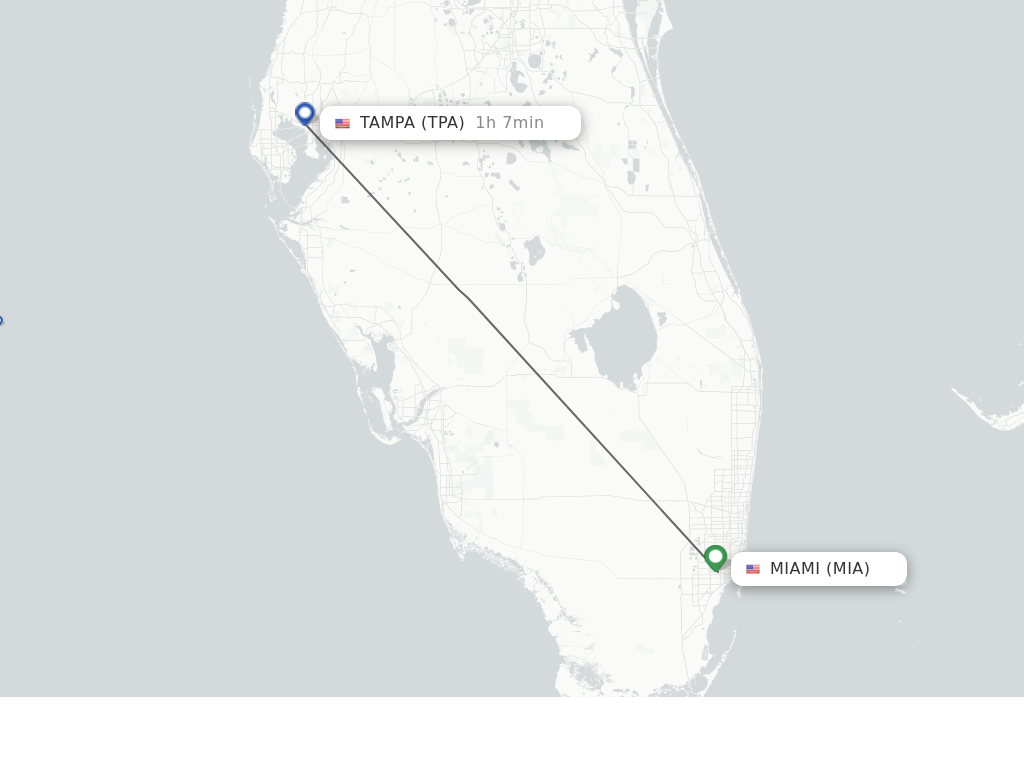
The most direct, “as-the-crow-flies” distance between Miami and Tampa is approximately 205 miles (330 kilometers). This gives you a general idea of their geographical separation. However, when it comes to practical travel, what truly matters is the driving distance, which accounts for the actual road networks.
The typical driving distance between Miami and Tampa generally ranges from 280 to 290 miles (450 to 467 kilometers), depending on the specific starting and ending points within each metropolitan area and the chosen route. The most common and fastest route primarily involves taking I-75 North from Miami (which includes the famed Alligator Alley toll road) and continuing until you reach the Tampa Bay area. This route offers a relatively straightforward path, largely avoiding smaller towns and maximizing highway speeds. An alternative, though often longer, route might involve taking US-27 North through the interior of Florida, passing through more rural landscapes before connecting to other major highways that lead to Tampa. While potentially more scenic for some, this route typically adds significant time to the journey.
Factors Influencing Travel Time
While the mileage provides a baseline, several factors can drastically impact the actual travel duration from Miami to Tampa by road. Under ideal conditions, with minimal traffic and few stops, the drive usually takes around 4 to 4.5 hours. However, this is a best-case scenario.
- Traffic Congestion: Florida’s major cities, including Miami, Fort Lauderdale, and Tampa, are known for their significant traffic, especially during peak commute hours (early mornings and late afternoons on weekdays). Departures or arrivals during these times can easily add an hour or more to your journey. Even midday, unexpected slowdowns can occur.
- Time of Day and Week: Weekends, particularly holiday weekends, see increased traffic volumes as locals and tourists alike hit the roads. Traveling during off-peak hours, such as late morning or mid-afternoon on a weekday, often yields the smoothest drive.
- Road Closures and Construction: Ongoing road maintenance or unexpected closures can cause detours and delays. It’s always wise to check real-time traffic updates via navigation apps before and during your trip.
- Stops Along the Way: While tempting to power through, most travelers will need to make stops for fuel, restrooms, or meals. Factor in at least one or two 15-30 minute breaks, which will extend the total trip time. Some travelers might even intentionally plan a stop in a mid-point city like Fort Myers or Sarasota for a quick break or an overnight stay, transforming the drive into a mini road trip.
Navigating the Sunshine State: Transportation Options
Connecting Miami and Tampa involves more than just hitting the open road. Depending on your budget, time constraints, and preferences, a variety of transportation methods are available, each offering a unique way to experience the journey across Florida.
Driving: The Most Popular Choice
For many, driving remains the preferred method of travel between Miami and Tampa. The primary reason is the unparalleled flexibility it offers. You can depart on your own schedule, make spontaneous stops, and have a vehicle for exploring both cities and any points of interest along the way.
The most direct and widely used route is Interstate 75 (I-75), which forms the backbone of the journey. South of Fort Lauderdale, I-75 becomes Alligator Alley, a straight, 75-mile stretch that cuts through the Everglades. This segment is a toll road, so ensure you have a SunPass or be prepared for cash tolls (though many tolls are cashless now). Beyond the Everglades, I-75 continues northward, offering generally good road conditions. For those without a personal vehicle, numerous rental car agencies operate in both cities, providing a convenient solution. When planning a road trip, remember to factor in fuel costs, potential tolls, and the availability of rest stops.
Air Travel: Quickest but Less Direct
While it might seem counterintuitive for a journey within the same state, flying is an option for those prioritizing speed above all else. However, direct flights between Miami International Airport (MIA) and Tampa International Airport (TPA) are not always abundant or the most cost-effective given the relatively short distance. Sometimes, flying from Fort Lauderdale-Hollywood International Airport (FLL) might offer more options or better prices to TPA or even St. Pete–Clearwater International Airport (PIE), which serves the broader Tampa Bay area.
The flight itself typically takes about 1 hour to 1 hour and 15 minutes. However, this doesn’t account for the entire travel experience. You must consider the time spent traveling to and from each airport, navigating security, checking bags, and waiting for boarding. When these factors are included, the total door-to-door travel time can often rival or even exceed the driving time, especially if you consider driving directly into the city centers. Air travel is usually best suited for business travelers or those with very rigid schedules who might value minimal travel time above all else, and for whom the costs and airport logistics are less of a concern.
Bus and Train: Budget-Friendly Alternatives
For budget-conscious travelers or those who prefer to avoid driving, bus and train services provide viable alternatives.
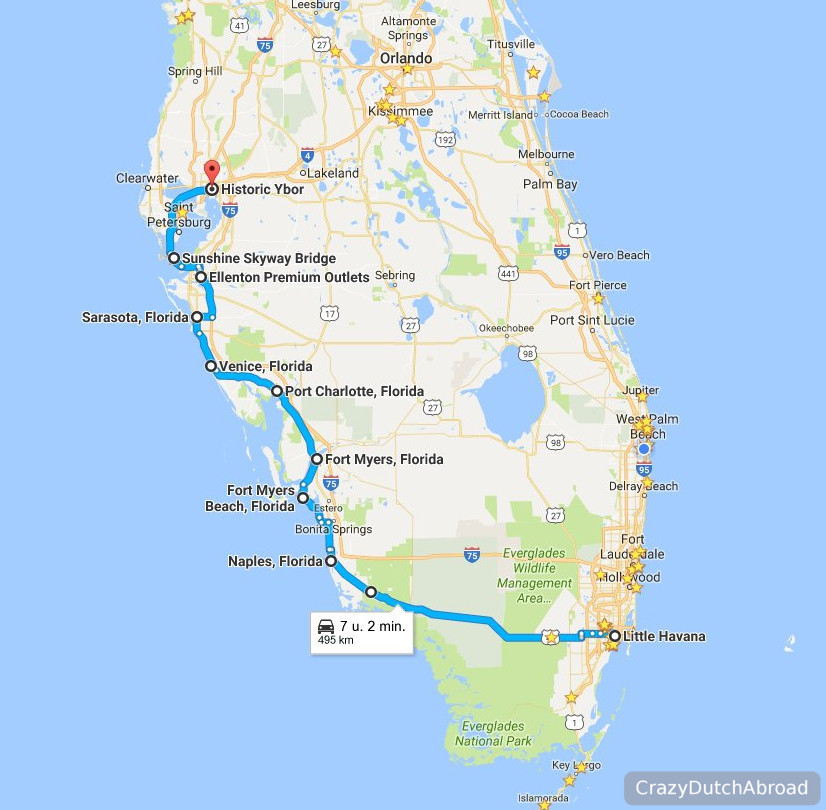
- Bus Services: Companies like Greyhound and FlixBus offer multiple daily departures between Miami and Tampa. The journey typically takes anywhere from 5 to 7 hours, depending on the number of stops and the specific route. While slower than driving, bus travel is significantly more affordable and allows you to sit back, relax, and enjoy the scenery without the stress of navigating traffic. Buses often drop off at central locations within the cities, making onward connections relatively easy.
- Train Services: Amtrak operates services that connect Miami and Tampa, specifically the Silver Star route. This option offers a more comfortable and spacious experience than a bus, with amenities like dining cars and observation cars. However, the train journey is notably longer, often exceeding 5 to 6 hours, due to numerous stops and slower speeds compared to highway driving. A more modern and potentially game-changing option is Brightline. Currently, Brightline offers high-speed rail service from Miami north to Orlando. While a direct Brightline route to Tampa is still in the planning and development stages, its eventual expansion promises a significantly faster and more luxurious rail option for future Florida travelers looking to connect the East Coast with the Gulf Coast.
Beyond the Miles: What Awaits in Miami and Tampa
The journey between Miami and Tampa isn’t just about covering distance; it’s about connecting two distinct facets of the Florida experience. Each city offers a unique blend of culture, attractions, and lifestyle that caters to different tastes and preferences. Understanding what each destination holds will help you plan an itinerary that maximizes your enjoyment.
Miami: A Vibrant Tropical Metropolis
Miami, often dubbed the “Gateway to the Americas,” pulsates with a high-energy, international flair. It’s a city defined by its dazzling beaches, electric nightlife, and a rich tapestry of Latin culture.
- Attractions & Landmarks: The iconic white sands and turquoise waters of South Beach are a must-visit, perfect for sunbathing, people-watching, and enjoying the vibrant atmosphere. Adjacent to South Beach is the Art Deco Historic District, where pastel-colored buildings from the 1930s transport you to another era. Immerse yourself in Cuban heritage in Little Havana, with its bustling Calle Ocho, authentic Cuban coffee, and lively music. Art lovers will be captivated by the Wynwood Walls, an outdoor museum of vibrant street art and murals. For those seeking luxury and scenic views, a boat tour of Biscayne Bay offers glimpses of celebrity homes and the stunning Miami skyline.
- Culture & Lifestyle: Miami’s Latin influence is undeniable, creating a dynamic blend of music, food, and festivals. The city is a hub for high fashion, contemporary art, and pulsating nightlife, making it a popular destination for those seeking a cosmopolitan and glamorous experience.
- Accommodation: Miami offers a vast array of accommodation options, from ultra-luxury resorts on South Beach and Sunny Isles Beach with lavish amenities, to trendy boutique hotels in Brickell and Downtown Miami, and more budget-friendly hotels further inland or north in Fort Lauderdale.
Tampa: Historic Charm Meets Modern Energy
On the other side of the state, Tampa presents a more laid-back yet equally engaging atmosphere. It seamlessly blends its rich history, particularly its cigar-making heritage, with modern urban developments and family-friendly attractions.
- Attractions & Landmarks: The picturesque Tampa Riverwalk is a central feature, connecting many of the city’s key attractions like the Florida Aquarium, Sparkman Wharf (a trendy outdoor dining and entertainment hub), and the Straz Center for the Performing Arts. Step back in time in Ybor City, a National Historic Landmark District known for its Cuban cigars, vibrant nightlife, and unique architecture. For thrill-seekers and families, Busch Gardens Tampa Bay offers world-class roller coasters and an impressive zoological park.
- Culture & Lifestyle: Tampa’s history as a port city and a cigar manufacturing hub has deeply shaped its culture, evident in Ybor City’s charm and local cuisine. The city boasts a thriving craft beer scene, a burgeoning foodie culture, and a strong emphasis on outdoor activities and family entertainment, particularly around the bay and its numerous parks.
- Accommodation: Tampa offers a range of accommodation from business-oriented hotels in Downtown Tampa and the Westshore District, waterfront resorts with stunning views of Tampa Bay, to charming boutique hotels in historic areas like Ybor City, and numerous family-friendly suites and apartments suitable for longer stays.
Planning Your Florida Journey: Tips and Considerations
Making the most of your trip between Miami and Tampa involves more than just choosing a mode of transport. Strategic planning, considering the time of year, potential stops, and your accommodation needs, will enhance your overall Florida adventure.
Best Time to Travel
Florida’s climate plays a significant role in travel planning. The best time to visit and make the journey between Miami and Tampa is generally from November to May. During these months, the weather is cooler, drier, and less humid, making outdoor activities and driving much more pleasant. This is also peak tourist season, particularly around holidays and spring break, so expect higher prices for flights and accommodations, and potentially more crowded attractions.
The summer months (June to October) are characterized by hot, humid weather, frequent afternoon thunderstorms, and the official hurricane season. While travel during this period can offer lower prices and fewer crowds, you risk encountering severe weather and high temperatures. If traveling during summer, ensure your vehicle’s air conditioning is in top shape, pack light, and have contingency plans for weather-related delays.
Making the Most of Your Trip
Transforming a simple point-to-point journey into a memorable road trip can add a layer of depth to your Florida experience.
- Road Trip Stops: If driving, consider breaking up the journey with interesting stops. Along I-75, you can venture into Everglades National Park for an airboat ride and wildlife viewing, offering a stark contrast to the urban landscapes. Further north, cities like Fort Myers or Sarasota on the Gulf Coast offer beautiful beaches, cultural institutions, and unique dining opportunities, perfect for an overnight stay.
- Combining Experiences: Many visitors combine a Miami city break with a Tampa family vacation or vice-versa. Think about what you want to achieve: a luxury travel experience in South Beach, an adventure-filled trip at Busch Gardens, or a relaxing beach getaway. Plan your itinerary to flow logically and minimize backtracking.
- Budgeting: Remember to budget not just for transportation, but also for tolls (especially on Alligator Alley), fuel, accommodation, and activities in both cities. Florida can cater to both luxury travel and budget travel styles, but costs can quickly add up, especially during peak season.
Accommodation Choices Across the Spectrum
Both Miami and Tampa boast a diverse selection of accommodation to suit every lifestyle and budget. From opulent beachfront resorts and chic boutique hotels that cater to luxury travel and business stays, to family-friendly hotels with extensive amenities and more economical motels or vacation rentals for budget travelers. Websites dedicated to hotel booking, reviews, and comparison are invaluable tools. For longer stays, consider apartments or villas that offer more space and home-like comforts. Researching and booking in advance, especially during high season, is highly recommended to secure the best rates and availability.
The journey from Miami to Tampa is more than just a calculation of miles; it’s an opportunity to traverse the dynamic landscape of Florida, experiencing its diverse culture, natural beauty, and urban excitement. Whether you opt for the efficiency of a drive, the quickness of a flight, or the affordability of public transport, this route connects two of the state’s most iconic destinations. By understanding the distances, travel times, and what each city has to offer, you can craft an unforgettable Florida adventure tailored perfectly to your travel style. So, how far is Miami from Tampa? Just far enough for an incredible journey.
LifeOutOfTheBox is a participant in the Amazon Services LLC Associates Program, an affiliate advertising program designed to provide a means for sites to earn advertising fees by advertising and linking to Amazon.com. Amazon, the Amazon logo, AmazonSupply, and the AmazonSupply logo are trademarks of Amazon.com, Inc. or its affiliates. As an Amazon Associate we earn affiliate commissions from qualifying purchases.