
Florida, often dubbed the “Sunshine State,” has long been a beacon for those seeking warm weather, beautiful beaches, and a vibrant lifestyle. Its allure extends far beyond mere tourism; it’s a rapidly growing state that consistently attracts new residents from across the United States and the globe. This influx of people, driven by a combination of economic opportunities, a favorable climate, and a lack of state income tax, has transformed Florida into one of the most populous states in the nation. Understanding the dynamics of its population provides crucial insights into its evolving culture, economy, and the future of travel and tourism within its borders.

The question of “how many people are living in Florida?” is more than just a statistical inquiry; it’s a reflection of the state’s enduring appeal. With its sprawling metropolitan areas, charming coastal towns, and diverse natural landscapes, Florida offers a myriad of experiences that cater to a wide range of preferences. From the bustling theme parks of Orlando to the sophisticated art scene of Miami, and the laid-back charm of the Florida Keys, the state’s growing population is intrinsically linked to its identity as a premier destination for both residents and visitors alike. This article will delve into the current demographics, the factors driving its unprecedented growth, and the profound impact this population boom has on Florida’s travel, tourism, and accommodation sectors.
Florida’s Booming Population: A Deep Dive
Florida’s population trajectory has been nothing short of remarkable. Consistently ranking among the fastest-growing states, its numbers have surged in recent decades, surpassing even that of New York to become the third-most populous state in the U.S. This growth isn’t just about raw numbers; it speaks volumes about the state’s attractiveness as a place to live, work, and play.
Current Demographics and Growth Trends
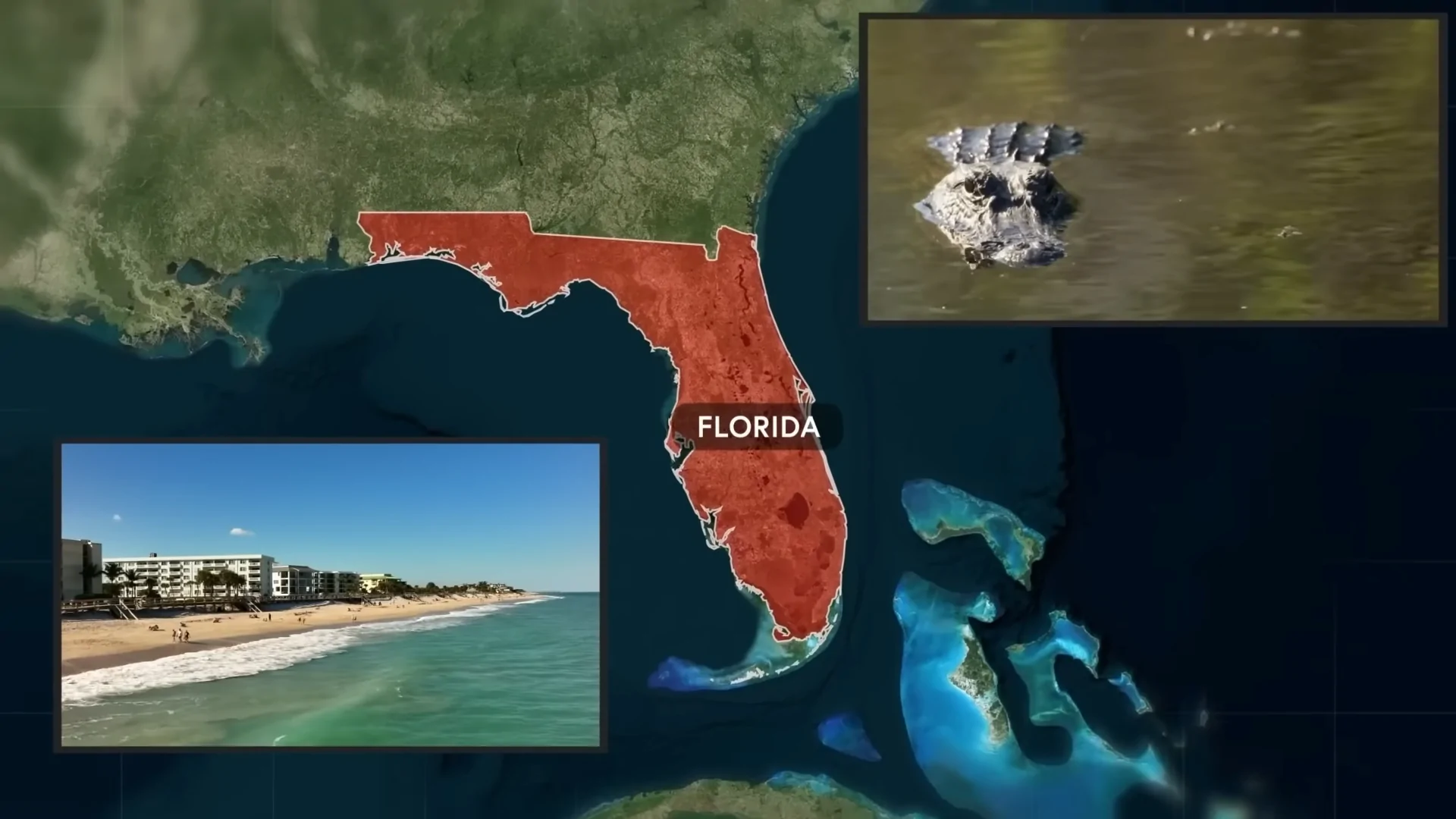
As of recent estimates (typically from the U.S. Census Bureau or comparable demographic studies), the population of Florida is well over 22 million people, with projections indicating continued expansion. This significant figure represents a diverse tapestry of individuals from all walks of life, contributing to a vibrant cultural landscape. The state’s growth rate often outpaces the national average, attracting a steady stream of new residents year after year.
Several key factors underpin this sustained population boom. Firstly, the climate is an undeniable draw. Florida’s mild winters and abundant sunshine offer a welcome escape for those fleeing colder northern climates, particularly retirees and snowbirds. Secondly, the economy plays a crucial role. The state boasts a robust job market, particularly in sectors like tourism, healthcare, technology, and real estate. Major cities like Miami, Orlando, and Tampa serve as economic hubs, providing ample opportunities for career growth and business development. Thirdly, the absence of a state income tax makes Florida an financially appealing option for both individuals and businesses looking to reduce their tax burden. This fiscal advantage, combined with generally lower costs of living compared to some other major coastal states, further solidifies its appeal.
The demographic makeup is also evolving. While historically a popular retirement destination, Florida is increasingly attracting younger families and professionals, contributing to a more diversified age distribution. This demographic shift brings new demands for schools, diverse entertainment options, and different types of housing, influencing urban planning and service provision across the state.
Where People Are Choosing to Live
While the entire state experiences growth, certain metropolitan areas and regions act as magnets for new residents. These population centers often align with major travel and tourism hubs, creating a fascinating interplay between resident life and visitor experiences.
- South Florida: Encompassing cities like Miami, Fort Lauderdale, and Palm Beach, this region is a melting pot of cultures, particularly known for its strong Latin American influence. It’s a global center for finance, international trade, and luxury tourism. The vibrant urban life, stunning beaches, and world-class dining draw both affluent residents and international visitors.
- Central Florida: Dominated by Orlando, this area is synonymous with theme parks and family entertainment. Beyond tourism, Orlando has a burgeoning tech and aerospace industry. The relatively affordable cost of living (compared to coastal areas) and abundant job opportunities contribute to its rapid population increase.
- Tampa Bay Area: Including Tampa, St. Petersburg, and Clearwater, this region on the Gulf Coast offers a blend of urban sophistication, beautiful beaches, and a thriving arts scene. It’s a popular choice for young professionals and families, as well as retirees seeking a relaxed coastal lifestyle.
- Jacksonville: The largest city by land area in the contiguous U.S., Jacksonville in Northern Florida benefits from its strategic port, military presence, and growing healthcare industry. It offers a more Southern charm combined with modern amenities and access to the Atlantic Coast.
- Southwest Florida: Areas like Naples and Sarasota are highly sought after by retirees and those seeking a high quality of life with pristine beaches, championship golf courses, and upscale communities.
The concentration of people in these urban and coastal corridors has a profound impact on infrastructure, housing, and the overall lifestyle of the state. It also dictates where new hotels are built, where attractions are developed, and how tourism strategies are shaped.
The Interplay of Population, Tourism, and Lifestyle
The significant number of people living in Florida is not just a demographic fact; it’s a dynamic force that shapes every aspect of the state, especially its cornerstone industries of travel and tourism. The residents themselves are often participants in and beneficiaries of the state’s tourism appeal, creating a symbiotic relationship that fuels Florida’s unique character.
Florida as a Premier Travel Destination
Florida’s large resident population both supports and is supported by its status as one of the world’s leading travel destinations. The sheer volume of residents provides a stable economic base and a workforce for the massive tourism industry. Conversely, the tourism infrastructure – including airports, roads, restaurants, and entertainment venues – significantly enhances the quality of life for residents.
The state’s most iconic attractions are woven into the fabric of daily life for millions. Walt Disney World Resort, featuring parks like Magic Kingdom, EPCOT, Hollywood Studios, and Animal Kingdom, along with entertainment districts like Disney Springs, draws tens of millions of visitors annually to Orlando. Similarly, Universal Orlando Resort, with its popular Wizarding World of Harry Potter and Universal CityWalk, contributes immensely to the region’s appeal. Beyond theme parks, Florida offers a diverse array of landmarks and experiences:

- The pristine beaches of South Beach in Miami, the sugary sands of Siesta Key in Sarasota, and the historic charm of Key West in the Florida Keys.
- Natural wonders like Everglades National Park, Big Cypress National Preserve, and Dry Tortugas National Park, offering unparalleled opportunities for eco-tourism and wildlife viewing.
- Historic sites such as Castillo de San Marcos in St. Augustine, the nation’s oldest continuously inhabited European-established settlement.
- Unique attractions like the Kennedy Space Center Visitor Complex on the Space Coast, Busch Gardens Tampa Bay for thrill-seekers, and Legoland Florida Resort for younger families.
The sheer volume of both residents and tourists ensures a robust demand for local businesses, from independent restaurants to souvenir shops, and provides employment for a vast workforce, further bolstering the state’s economy.
Accommodation Challenges and Opportunities
The burgeoning population and relentless flow of tourists create both challenges and immense opportunities within the accommodation sector. The demand for places to stay, whether for a short vacation or a long-term relocation, is consistently high.
Hotels and Resorts: Florida is home to an incredible array of hotels and resorts, catering to every budget and preference. In Orlando, luxury resorts like Four Seasons Resort Orlando at Walt Disney World Resort and Hyatt Regency Grand Cypress stand alongside countless mid-range and budget-friendly options, particularly along International Drive. Miami Beach boasts iconic art deco hotels and ultra-luxury properties like The Setai, Miami Beach. On Amelia Island, The Ritz-Carlton, Amelia Island offers an opulent escape. This diversity ensures that whether visitors are looking for a lavish suite, a family-friendly resort, or a quaint apartment, Florida has it all. The continuous construction of new properties, coupled with renovations of existing ones, reflects the ongoing investment in meeting this demand.
Vacation Rentals and Long-Term Stays: The rise of platforms like Airbnb and VRBO has also transformed the accommodation landscape, offering travelers more personalized and often more spacious alternatives to traditional hotels, especially for longer stays or larger groups. For new residents, the challenge of finding suitable housing, whether rental apartments or homes for purchase, is a direct consequence of the rapid population growth. This has led to robust real estate markets across the state, driving up property values in popular areas. Developers are constantly seeking new opportunities to build residential communities, multi-family units, and mixed-use developments to keep pace with demand, particularly in the major metropolitan areas.
The interplay between the resident population and tourist accommodation is intricate. Many residents work in the hotel and tourism industries, and the quality of local amenities (restaurants, shops, parks) benefits both groups. However, it also creates pressure on resources, infrastructure, and housing affordability, challenges that Florida constantly grapples with.
Lifestyle and Cultural Impact
The millions of people calling Florida home have cultivated a distinctive and dynamic lifestyle that is both appealing to new residents and a significant draw for tourists. The blending of various cultures, particularly evident in South Florida, creates a vibrant social fabric.
Diverse Cuisines and Dining Experiences: The culinary scene across Florida is a testament to its diverse population. From authentic Cuban cuisine in Miami’s Little Havana to fresh Gulf seafood in Tampa and farm-to-table restaurants in St. Petersburg, the state offers a rich gastronomic journey. This diverse food culture is a significant attraction for food tourism, allowing visitors to experience global flavors without leaving the state.
Outdoor Activities and Recreation: The sunny weather and extensive coastline encourage an active outdoor lifestyle. Boating, fishing, surfing (especially in places like Cocoa Beach), golf, and cycling are popular pastimes for residents and visitors alike. Florida’s numerous state parks and natural springs also provide endless opportunities for hiking, swimming, and exploring unique ecosystems.
Arts, Culture, and Events: Florida is not just about beaches and theme parks; it has a burgeoning arts and culture scene. Miami hosts the internationally renowned Art Basel Miami Beach, attracting artists and collectors from around the globe. Sarasota is known for its performing arts, including the Ringling Museum complex, while St. Petersburg boasts the Dali Museum. Annual festivals like the Gasparilla Pirate Festival in Tampa and countless music festivals across the state provide continuous entertainment. For those interested in history and architecture, landmarks like Vizcaya Museum & Gardens in Miami offer a glimpse into the state’s past. This rich calendar of events and cultural institutions enriches the lives of residents and provides compelling reasons for tourists to visit beyond the traditional attractions.
Future Outlook: Sustaining Growth and Appeal
As Florida continues to welcome new residents and visitors, the state faces both significant challenges and exciting opportunities in managing its growth. The trajectory of its population will undoubtedly influence its future as a travel destination and a desirable place to live.
One of the primary challenges is infrastructure. Rapid population growth puts immense strain on existing roads, public transportation, utilities, and public services. State and local governments are continually investing in expansion projects, but keeping pace with demand remains a complex task. Environmental concerns also loom large, particularly given Florida’s vulnerable coastal areas and unique ecosystems. Sustainable development practices and robust environmental protection initiatives are crucial for preserving the natural beauty that attracts so many. Housing affordability is another pressing issue, as rising property values and rental costs can make it difficult for lower and middle-income residents to find suitable accommodation.
Despite these hurdles, Florida’s future is bright with opportunities. The state’s economic development continues to diversify beyond tourism, with strong growth in sectors like aerospace, clean energy, and life sciences. Innovation in tourism, including the development of new attractions and experiences, ensures its continued global appeal. There is a growing focus on sustainable tourism, encouraging visitors and residents to appreciate and protect Florida’s natural heritage. This includes promoting eco-friendly resorts, encouraging responsible wildlife viewing, and developing initiatives to conserve its precious beaches and wetlands.
Furthermore, ongoing efforts to enhance quality of life through improved education, healthcare, and urban planning are aimed at creating more resilient and attractive communities for both current and future residents. The state’s ability to adapt, innovate, and balance growth with preservation will define its success in maintaining its allure for the millions who call it home and the countless others who dream of visiting.
In conclusion, the question “how many people are living in Florida?” reveals a story of dynamic growth, vibrant culture, and unparalleled appeal. With over 22 million residents and counting, Florida stands as a testament to the power of sunshine, economic opportunity, and diverse experiences. This massive population is not just a statistic; it’s the living, breathing heart of a state that continues to evolve, innovate, and captivate the world, ensuring its place as a top destination for travel, tourism, and an enviable lifestyle for generations to come.
LifeOutOfTheBox is a participant in the Amazon Services LLC Associates Program, an affiliate advertising program designed to provide a means for sites to earn advertising fees by advertising and linking to Amazon.com. Amazon, the Amazon logo, AmazonSupply, and the AmazonSupply logo are trademarks of Amazon.com, Inc. or its affiliates. As an Amazon Associate we earn affiliate commissions from qualifying purchases.