
The question of “How Much Is A Tag In Florida?” might at first seem like a straightforward inquiry about the cost of vehicle registration. However, for anyone planning a visit or considering a longer stay in the Sunshine State, understanding the nuances of vehicle tags can be crucial, especially when it relates to the practicalities of exploring its diverse attractions. While this article will focus on the practical financial aspects of acquiring a vehicle tag in Florida, it’s important to note that these costs are intrinsically linked to the ability to access and experience everything Florida has to offer, from its vibrant cities to its breathtaking natural landscapes. Therefore, this discussion on vehicle tags will serve as a foundational piece for anyone delving into the logistics of travel and experiencing the essence of Florida.
Understanding the Basics of Florida Vehicle Tags
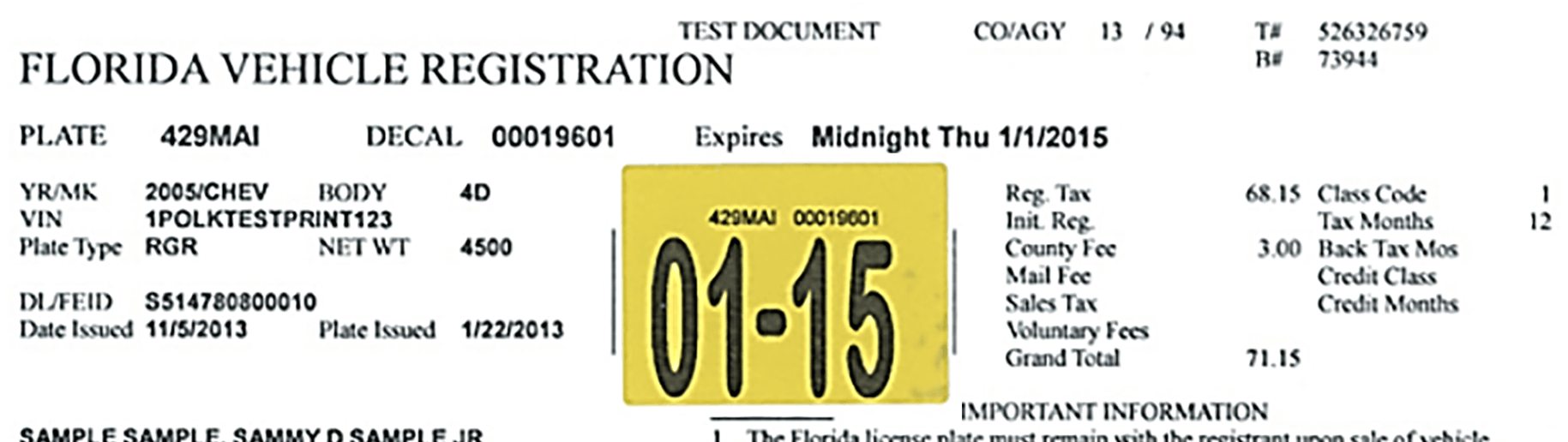
In Florida, a “tag” refers to the license plate and the associated registration for a motor vehicle. The cost of this tag is not a fixed price and can vary significantly based on several factors. These factors include the type of vehicle, its weight, the county of residence, and any special plates or personalized options chosen. It’s essential for residents and new arrivals alike to grasp these variables to accurately budget for vehicle ownership and the freedom it provides for exploring the state.
New Resident Registration Costs
For individuals moving to Florida, registering their vehicle is a mandatory step to legally operate it within the state. The process typically involves surrendering out-of-state plates and obtaining Florida-issued ones. The initial registration fee for new residents can include several components. There’s often a title fee, a registration fee that’s dependent on the vehicle’s weight (for passenger cars, this is generally around $225 for the first year), and potentially a motor vehicle license plate fee. Additionally, sales tax on the vehicle may be due if it was not previously taxed in another state, or if the tax paid elsewhere was less than Florida’s rate. Understanding these upfront costs is paramount for new Floridians to avoid unexpected expenses and to quickly get their vehicles road-ready for adventures.
Annual Renewal Fees
Once a vehicle is registered in Florida, the tag needs to be renewed annually. The cost of renewal is generally lower than the initial registration fee. For standard passenger vehicles, the annual renewal fee typically hovers around $225, though this can fluctuate slightly. Special circumstances, such as owning a commercial vehicle, a motorcycle, or a trailer, will have different fee structures. It’s also worth noting that if you opt for a personalized or specialty license plate, an additional annual fee will be incurred. Staying on top of these renewal dates is crucial to avoid late penalties, which can add to the overall cost and create unnecessary bureaucratic hurdles.
Factors Influencing Tag Costs
The price of a Florida vehicle tag is not a one-size-fits-all proposition. Several key variables contribute to the final amount one pays. These variables are designed to reflect the usage and type of vehicle, ensuring a fair system for all. Understanding these factors can help individuals estimate their costs more accurately and make informed decisions.
Vehicle Type and Weight
One of the most significant determinants of tag cost is the type and weight of the vehicle. Heavier vehicles, such as SUVs, trucks, and RVs, generally incur higher registration fees than smaller passenger cars. This is often because heavier vehicles are perceived to cause more wear and tear on public roads. The Florida Department of Highway Safety and Motor Vehicles (FLHSMV) categorizes vehicles based on gross vehicle weight rating (GVWR) to calculate these fees. For instance, a compact car will have a substantially lower registration fee than a large pickup truck. This tiered system ensures that those utilizing the roadways with heavier vehicles contribute proportionally more to their maintenance.
County of Residence and Local Fees
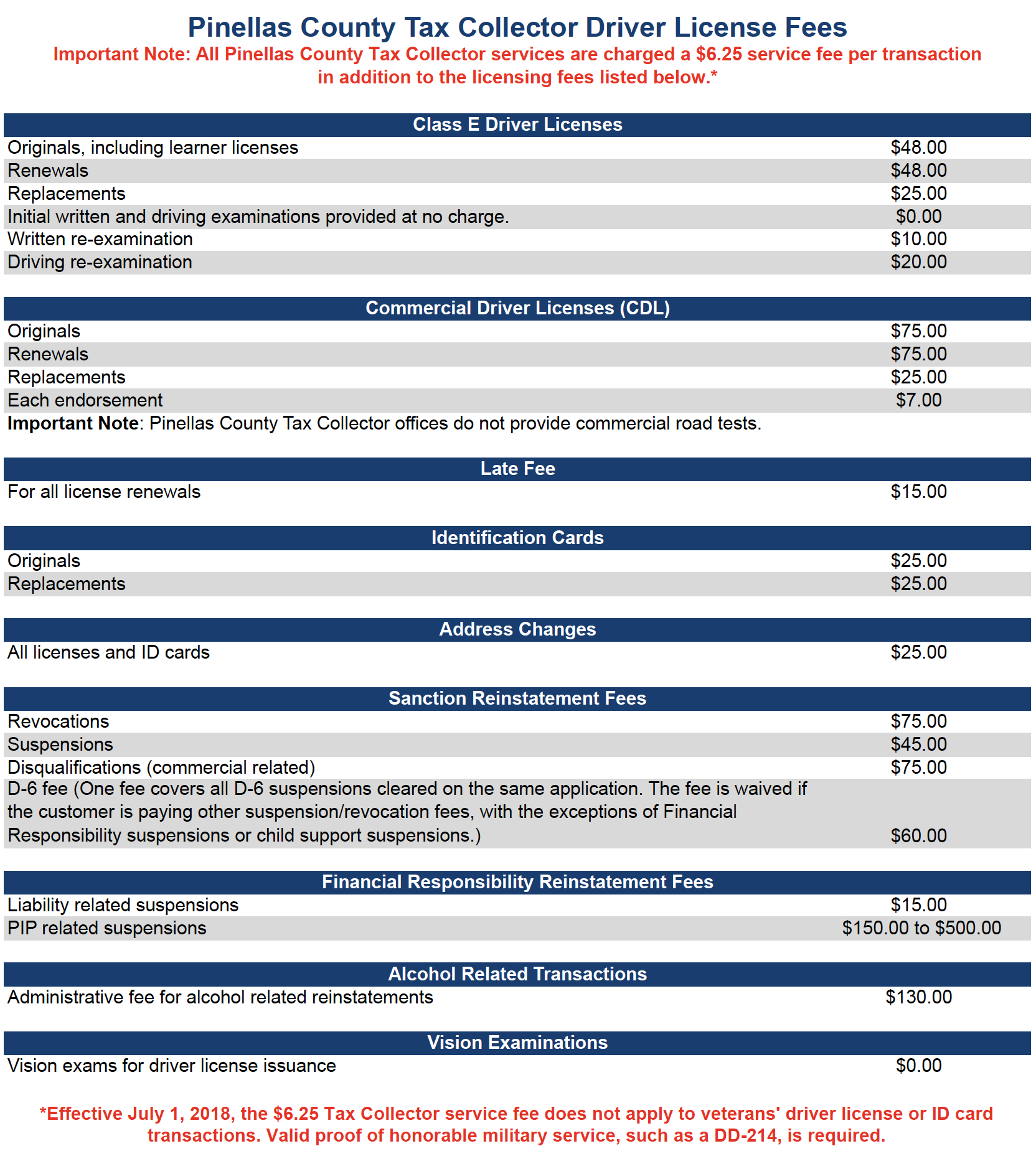
While the state sets base rates for vehicle registration, county governments can also levy certain fees. These local additions are often tied to funding specific county road projects or services. Therefore, the exact cost of a tag can vary slightly depending on where you reside within Florida. For example, a tag purchased in a densely populated county with extensive road infrastructure needs might have slightly different associated fees compared to a tag purchased in a more rural county. It is always advisable to check with the specific county tax collector’s office where you are registering your vehicle for the most accurate and up-to-date information on all applicable fees.
Specialty and Personalized Plates
Florida offers a wide array of specialty and personalized license plates, which come with an additional cost beyond the standard registration fee. These plates often support various causes, organizations, or interests, such as environmental protection, educational initiatives, or collegiate affiliations. The fees for these specialty plates can range from a few dollars to upwards of $100 annually, on top of the base registration cost. Personalized plates, which allow drivers to create their own unique alphanumeric combinations, also incur an extra fee. While these plates offer a way to express individuality or support a cause, it’s important to factor in these additional expenses when determining the total cost of your Florida tag.
Navigating the Registration Process
Successfully obtaining and renewing a vehicle tag in Florida requires understanding the proper procedures and where to go for assistance. The process is designed to be accessible, but it’s beneficial to be prepared.
Where to Register Your Vehicle
The primary locations for registering a vehicle and obtaining a tag in Florida are the county tax collector’s offices. These offices are responsible for processing new registrations, renewals, title transfers, and issuing license plates. You can typically find your local tax collector’s office by visiting the Florida Department of Highway Safety and Motor Vehicles (FLHSMV) website or by searching online. Some counties may also offer online services for renewals, making the process more convenient. It’s recommended to check the specific requirements and accepted payment methods of your local office before your visit, as these can vary.
Documentation Requirements
To register a vehicle or renew a tag in Florida, you will need to present specific documentation. For new residents, this typically includes proof of identity (such as a driver’s license), proof of Florida insurance, the out-of-state title, and a completed application for a Florida title and registration. For renewals, you will usually need your current registration, proof of insurance, and payment. If you are purchasing a new vehicle from a dealership, they will often handle the initial registration process for you. Having all the necessary documents readily available will expedite the process and ensure a smooth experience at the tax collector’s office.
The Value of a Florida Tag for Exploration
Beyond the monetary cost, a Florida tag represents more than just a legal requirement; it’s the key to unlocking the vast opportunities for exploration and enjoyment that Florida offers. With a registered vehicle, residents and visitors can freely traverse the state, from the historic charm of St. Augustine to the vibrant nightlife of Miami, and from the natural beauty of the Everglades to the pristine beaches of the Florida Keys.
Accessing Florida’s Diverse Destinations
The ability to drive oneself around Florida provides unparalleled access to its diverse array of attractions. Imagine embarking on a road trip to explore the theme parks in Orlando, such as Walt Disney World Resort or Universal Orlando Resort. Or perhaps you envision a coastal drive along the scenic A1A, stopping at charming beach towns. For those interested in history and culture, a drive to St. Augustine, America’s oldest continuously inhabited European-established settlement, is a must. Even venturing into the natural wonders of the Everglades National Park or kayaking through the crystal-clear springs scattered across the state becomes readily accessible with your own vehicle.
The Freedom of the Open Road
Owning a vehicle with a valid Florida tag grants a sense of freedom and spontaneity that is invaluable for experiencing the state. Spontaneous detours to discover a hidden gem of a restaurant in Tampa, or an impromptu visit to a local farmer’s market in Gainesville, become effortless. It allows for the creation of personalized itineraries, moving at one’s own pace, and truly immersing oneself in the local flavor and rhythm of different communities. Whether it’s a weekend getaway to the arts district in Sarasota or a longer expedition to the Panhandle’s white sandy beaches near Destin, your vehicle is your trusted companion, enabling countless memorable journeys throughout the Sunshine State.
In conclusion, while the question of “How Much Is A Tag In Florida?” prompts a discussion on fees and regulations, its significance extends far beyond mere paperwork. It represents the gateway to experiencing the full spectrum of what Florida has to offer, facilitating travel, discovery, and the sheer enjoyment of this diverse and beautiful state. Understanding these costs and the process involved is a small but essential step in embarking on a fulfilling Florida adventure.
LifeOutOfTheBox is a participant in the Amazon Services LLC Associates Program, an affiliate advertising program designed to provide a means for sites to earn advertising fees by advertising and linking to Amazon.com. Amazon, the Amazon logo, AmazonSupply, and the AmazonSupply logo are trademarks of Amazon.com, Inc. or its affiliates. As an Amazon Associate we earn affiliate commissions from qualifying purchases.