
Stepping into the vibrant, sun-drenched lifestyle of Florida often comes with a myriad of exciting possibilities, whether you’re relocating for good, planning an extended stay, or simply exploring the prospect of becoming a “snowbird.” From the bustling avenues of Miami to the enchanting theme parks of Orlando and the serene beaches of Sarasota, having your own vehicle is often the key to unlocking the full potential of the Sunshine State. But before you hit the open road, perhaps cruising down the Florida Keys Scenic Highway or navigating the urban sprawl of Tampa, understanding the costs associated with vehicle registration is an essential first step. This guide aims to demystify the process, providing a comprehensive overview that ties into your broader travel, lifestyle, and accommodation considerations.
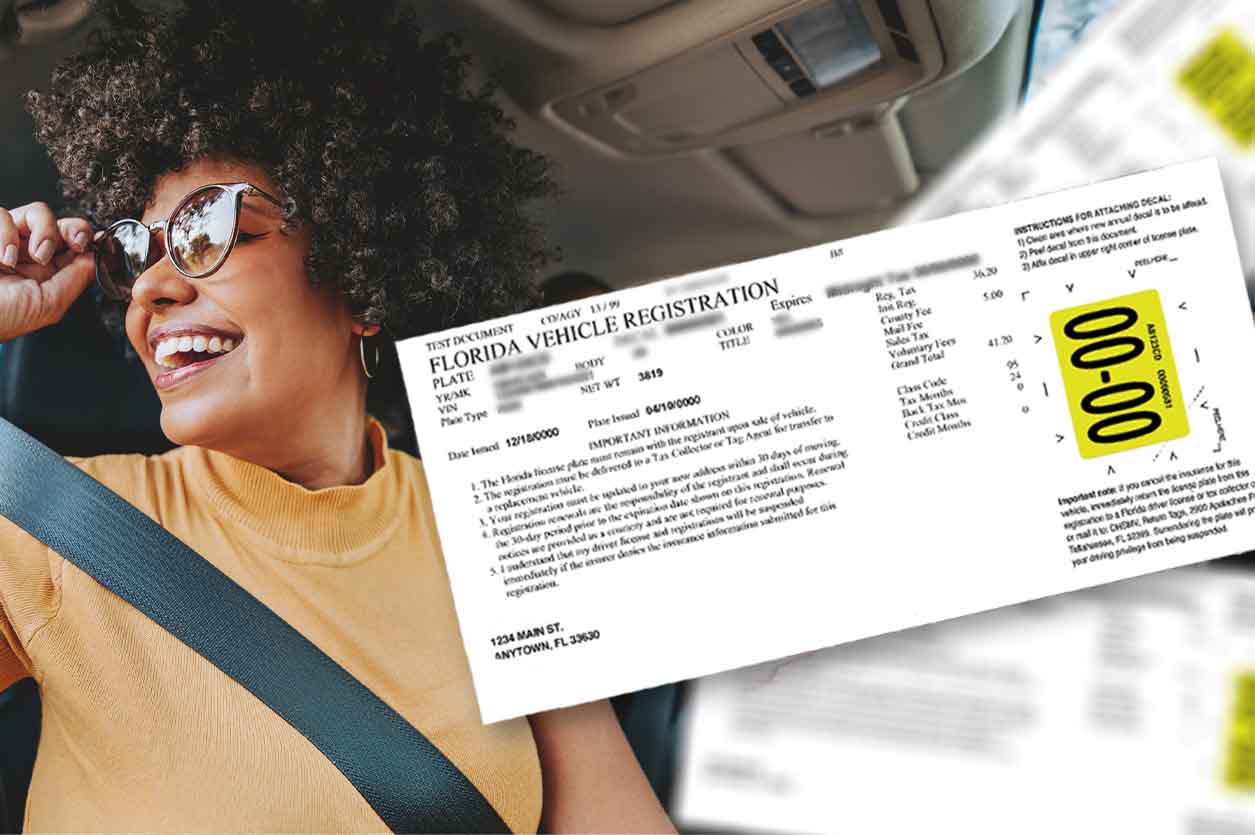
For anyone contemplating a move to Florida – whether it’s for a new job opportunity, retirement, or simply a change of scenery – vehicle registration isn’t just a bureaucratic hurdle; it’s a foundational piece of establishing your life in this dynamic state. It impacts your budget, your travel plans, and ultimately, your ability to integrate seamlessly into local life. While the core task is administrative, its implications ripple through all aspects of your new Floridian existence, from accessing local attractions and finding the perfect villa to exploring hidden gems off the beaten path. This article will break down the costs and processes, offering insights relevant to both new residents and those simply looking to understand the financial landscape of owning a car in Florida.
The Initial Investment: First-Time Registration for New Florida Residents
For those making the exciting transition to become a permanent resident of Florida, the initial vehicle registration process carries a specific set of fees that differ from annual renewals. This is often the first significant financial outlay beyond purchasing the vehicle itself or securing accommodation in a charming boutique hotel during your house hunt. The state aims to cover administrative costs and ensure vehicles meet safety and emissions standards (though Florida notably doesn’t have emissions testing, simplifying one aspect for new arrivals).
The most substantial fee for new residents is the Initial Registration Fee, also colloquially known as the “new resident fee” or “original registration fee.” This one-time charge is typically $225.00 for passenger vehicles. It’s important to note that this fee applies to vehicles that have never been registered in Florida before. It helps cover the administrative effort of integrating an out-of-state vehicle into the state’s system. While it might seem like a significant upfront cost, it’s a standard practice in many states and a necessary step to legally operate your vehicle.
Beyond this initial charge, several other components contribute to the total first-time registration cost:
- License Plate Fee: This covers the cost of the physical metal plate that will adorn your vehicle. Standard plates typically cost around $28.00. Florida offers a wide array of specialty license plates, which support various causes and organizations, but these come with additional annual fees, usually ranging from $15 to $25 on top of the standard plate fee. For those looking to showcase their passion for wildlife, a particular university, or even a specific beach like South Beach, these specialty plates offer a personalized touch, albeit at a slightly higher price point.
- Registration/Tag Fee: This fee is determined by the vehicle’s weight and type. For most passenger vehicles, this can range from approximately $27.00 to $46.00 annually, with heavier vehicles generally incurring higher fees. This particular fee is often prorated based on when you register your vehicle during the year, ensuring you only pay for the months remaining until your renewal date.
- Title Fee: If you’re transferring an out-of-state title to Florida, or if you’ve recently purchased a vehicle, a title fee will apply. A new title costs $75.25 for an electronic title or $77.75 for a paper title. This is a crucial step to establish legal ownership of your vehicle within the state. If you have a lienholder (e.g., a bank that financed your car), they will typically hold the electronic title.
- Sales Tax: This is a major consideration, especially for vehicles purchased out-of-state. If you purchased your vehicle within the last six months in a state with a lower sales tax rate than Florida’s 6% (or if you paid no sales tax), you will likely owe the difference or the full 6% to Florida upon registration. Some counties also impose an additional discretionary sales surtax, which can add 0.5% to 1.5% to the state’s 6%. For instance, purchasing a vehicle for $30,000 in a state with no sales tax would mean an additional $1,800 owed to Florida, plus any applicable county surtax. This can be a significant surprise for new residents if not anticipated.
- Plate Transfer Fee: If you’re simply transferring an existing Florida license plate to a new vehicle, there is a small fee, typically around $4.60. This is a cost-saving measure if you already have a plate you wish to keep.
- Service Charges: Many county tax collector offices, which handle vehicle registrations, also charge small processing or convenience fees, usually a few dollars per transaction. These fees help cover their operational costs and vary slightly by county.
To give a rough estimate, a new resident moving to Florida with a standard passenger vehicle, requiring a new title and new plate, would face initial registration costs in the ballpark of $330 – $370, plus any applicable sales tax. This figure excludes specialty plate fees and potential county surtaxes. Understanding these figures upfront allows new residents to better budget for their relocation, whether they’re settling into a new home in Naples or establishing a base near the Kennedy Space Center Visitor Complex.
Annual Renewal: Keeping Your Florida Ride Road-Ready
Once your vehicle is successfully registered in Florida, the subsequent annual renewals are considerably simpler and less expensive than the initial setup. This recurring cost is a standard part of vehicle ownership anywhere in the United States and is factored into the general cost of living, much like utility bills or annual passes to attractions like Walt Disney World Resort. Annual renewal ensures your vehicle remains compliant with state regulations and helps fund road maintenance and other state services.
The primary components of your annual vehicle registration renewal fee include:
- Registration/Tag Fee (based on weight/type): This is the core of your annual renewal. As mentioned before, it varies based on the vehicle’s weight and type. For most standard passenger vehicles, this fee typically falls between $27.00 and $46.00. For example, a vehicle weighing 2,500-3,499 pounds usually incurs a fee of $35.10, while a heavier vehicle (3,500-4,499 pounds) would be $43.10. These fees are subject to slight changes periodically, so it’s always best to check the Florida Department of Highway Safety and Motor Vehicles (FLHSMV) website for the most current figures.
- License Plate Renewal Fee: While you typically only pay for the physical plate once, there’s an annual renewal portion linked to the plate itself. This is often integrated into the overall registration fee but sometimes listed separately.
- Specialty Plate Fees (if applicable): If you opted for a specialty license plate during your initial registration, the additional fee (e.g., $15-$25) will be added to your annual renewal. This continues to support the chosen cause, whether it’s for conservation, education, or a particular professional group.
- Processing Fees: Similar to initial registration, county tax collector offices may add a small service charge, usually a few dollars, for processing your renewal. Many people opt to renew online or by mail, which may have its own set of convenience fees, but often saves a trip to a physical office.
To give a clear example, if you own a standard passenger car with a regular license plate, your annual renewal cost would likely be in the range of $30.00 to $50.00. This makes vehicle ownership in Florida relatively affordable on an annual basis compared to some other states, especially considering the extensive network of roads that connect diverse destinations from Jacksonville to Key West.
When and How to Renew
Florida vehicle registrations typically expire at midnight on the owner’s birthday. If the vehicle is jointly owned, it expires on the birthday of the first person listed on the registration. Commercial vehicles and company-owned vehicles have different renewal schedules. You will usually receive a renewal notice by mail or email about 3-4 weeks before your expiration date.
Renewal options are convenient and designed to fit various lifestyles, from digital nomads working remotely to families vacationing at Loews Portofino Bay Hotel. You can renew:
- Online: This is the most popular method for its speed and convenience. Most counties allow online renewal through their tax collector’s website or the state’s GoRenew.com portal. You’ll need your license plate number or vehicle identification number (VIN) and a credit card.
- By Mail: You can mail your renewal notice and payment to your county tax collector’s office.
- In Person: Visit your local county tax collector’s office or a designated branch. While this can sometimes involve waiting, it’s useful if you have special circumstances or prefer face-to-face assistance. Some offices even offer self-service kiosks, much like checking into a modern apartment hotel.
- At a Kiosk: Many grocery stores and retail locations have self-service kiosks where you can renew your registration quickly, receiving your new sticker on the spot. This is particularly convenient if you’re out running errands or exploring areas like Fort Lauderdale.
Remember that operating an unregistered vehicle in Florida can lead to fines and penalties, so prompt renewal is crucial. This annual ritual is a small but important part of maintaining your active Florida lifestyle, whether you’re commuting to work or embarking on a weekend getaway to the Everglades National Park.
Beyond the Basics: Special Considerations and Smart Tips for Florida Drivers

Navigating vehicle registration in Florida involves more than just understanding the primary fees; there are several nuances and strategic tips that can help streamline the process, potentially save money, and avoid common pitfalls. For those embracing the Florida lifestyle, these considerations are part of a broader plan for smooth integration, much like choosing the right accommodation or knowing the best local eateries.
Insurance Requirements: A Non-Negotiable Step
Before you can even think about registering your vehicle in Florida, you must secure valid Florida no-fault insurance. This is a strict requirement. The minimum coverage mandated by law includes:
- $10,000 Personal Injury Protection (PIP): This covers 80% of medical expenses and 60% of lost wages, regardless of fault.
- $10,000 Property Damage Liability (PDL): This covers damage you cause to another person’s property.
You’ll need to provide proof of this insurance when you register your vehicle. Insurers report coverage directly to the state, but having your policy information handy is always a good idea. For new residents, securing Florida insurance can sometimes be more expensive than in other states due to the high number of uninsured motorists and litigation rates. It’s wise to shop around for quotes from various providers before your move or soon after arrival.
Documents You’ll Need
Preparing your documents in advance is perhaps the best tip for a hassle-free registration experience. Whether you’re moving from Canada or another United States state, the required paperwork is critical:
- Proof of Ownership: This is typically your out-of-state title. If your vehicle is financed, you may need a copy of the title or a letter from your lienholder verifying ownership and authorizing you to register the vehicle in Florida.
- Proof of Florida Insurance: As mentioned, this is mandatory.
- Proof of Identity: A valid driver’s license (preferably your new Florida driver’s license) or other government-issued photo ID. If you just moved, you typically have 30 days to obtain a Florida driver’s license after establishing residency.
- Odometer Reading: The current mileage of your vehicle.
- Vehicle Identification Number (VIN) Verification: For out-of-state vehicles, this typically needs to be verified by a Florida law enforcement officer or a licensed dealer. Some county tax collector offices have personnel on site who can perform this for a small fee.
Having all these documents organized will save you significant time and frustration at the county tax collector’s office, allowing you to quickly get back to enjoying activities like visiting Busch Gardens Tampa Bay or exploring the historic charm of St. Augustine Historic District.
Temporary Tags and Deadlines
New Florida residents have 10 days from the date they become residents or start employment to register their vehicles. If you purchase a vehicle from a private seller, you usually have 30 days to register it. If you purchase from a licensed dealer, they typically handle the initial registration and provide you with a temporary tag. Be mindful of these deadlines to avoid penalties. If you’re staying temporarily, say in an extended-stay suite at a Grand Hyatt Orlando for a few months, you might not need to register unless you establish residency.
Exemptions and Special Cases
Certain individuals might qualify for exemptions or reduced fees:
- Military Personnel: Active-duty military personnel stationed in Florida but who are permanent residents of another state may not be required to re-register their vehicles in Florida as long as they maintain their out-of-state registration and insurance. However, if they become Florida residents, they would need to follow the standard process.
- Disabled Veterans and Other Groups: Florida offers specialized license plates and fee exemptions for qualifying disabled veterans, Purple Heart recipients, and other groups. These individuals should inquire with the FLHSMV or their local tax collector’s office for specific requirements.
- Older Vehicles/Antiques: Vehicles classified as antiques or classics may have different registration fee structures or specific license plate options.
Understanding these special cases can be particularly relevant for military families moving to bases like MacDill Air Force Base in Tampa or for retirees settling in communities around Boca Raton.
Making Florida Your Home: The Broader Picture of Relocation and Lifestyle
The process of registering your vehicle in Florida is more than just a transaction; it’s a symbolic step in embracing the vibrant Florida lifestyle. For many, it signifies the culmination of a long-awaited move, opening doors to endless exploration and personal enrichment. Whether you envision yourself enjoying the cultural tapestry of St. Petersburg, venturing into the pristine wilderness of the Everglades National Park, or frequenting the luxurious amenities of a JW Marriott Miami Turnberry Resort & Spa, having a properly registered vehicle is indispensable.
The financial considerations of vehicle registration blend seamlessly into the broader financial planning for a move to Florida. When budgeting for relocation, prospective residents often account for housing costs, whether buying a home, renting an apartment, or securing a long-term stay at a resort. They consider utility setup fees, the cost of moving personal belongings, and the initial expenses of furnishing a new space. Vehicle registration, insurance, and potential sales tax should be integrated into this comprehensive financial outlook. This holistic approach ensures a smoother transition, preventing unexpected expenses from dampening the excitement of a new chapter.
Beyond the numbers, the ability to drive legally and effortlessly across the state enhances your overall quality of life. It provides the freedom to discover local attractions, from quaint small towns to world-renowned landmarks like Universal Studios Florida. It facilitates easier access to healthcare, education, and employment opportunities, making daily life more convenient and less stressful. For those who embrace budget travel, a reliable car with up-to-date registration means you can explore Florida on your own terms, seeking out affordable experiences and hidden gems away from typical tourist traps.
Moreover, understanding the process contributes to a sense of confidence and independence in your new environment. It empowers you to navigate state regulations and participate fully in the community. For families moving to Florida, this means easier school runs, family trips to The Breakers Palm Beach, and greater flexibility in exploring the diverse educational and recreational opportunities available. For business stays, having your vehicle registered smoothly ensures your commute is uninterrupted and your professional life can proceed without logistical hitches.
In conclusion, while the question “How much is it to register a vehicle in Florida?” initially appears to be a simple query about fees, it actually unravels into a deeper discussion about preparation, planning, and integration into a new way of life. By understanding the initial costs, annual renewals, and specific requirements, you can approach this essential administrative task with confidence, paving the way for countless adventures and a truly rewarding experience in the Sunshine State. Your properly registered vehicle isn’t just a mode of transport; it’s your personal gateway to unlocking all the wonders and conveniences that Florida has to offer.
LifeOutOfTheBox is a participant in the Amazon Services LLC Associates Program, an affiliate advertising program designed to provide a means for sites to earn advertising fees by advertising and linking to Amazon.com. Amazon, the Amazon logo, AmazonSupply, and the AmazonSupply logo are trademarks of Amazon.com, Inc. or its affiliates. As an Amazon Associate we earn affiliate commissions from qualifying purchases.