
The allure of the Sunshine State is undeniable. From the pristine beaches of Miami and Sarasota to the magical theme parks of Orlando, and the historic charm of St. Augustine, Florida offers a diverse tapestry of experiences that draws millions of visitors and new residents each year. Whether you’re a digital nomad seeking a vibrant new base, a family relocating for a fresh start, or an expat planning an extended stay in a luxurious Key West villa, understanding the practicalities of living in Florida is crucial. Among these, renters insurance often emerges as a significant, yet frequently overlooked, aspect of safeguarding your lifestyle and assets.
Many individuals, especially those accustomed to short-term hotel stays or vacation rentals where property insurance is handled by the owner, might underestimate the importance of renters insurance when transitioning to a longer-term rental in Florida. However, as you immerse yourself in the local culture, explore famous landmarks, or simply enjoy the comfort of your rented apartment or condo, protecting your personal belongings and financial well-being becomes paramount. Renters insurance isn’t just a legal requirement in some leases; it’s a critical component of responsible accommodation planning, offering peace of mind amidst the myriad adventures that await in this dynamic state. It helps bridge the gap between temporary visits and establishing a more permanent, secure presence, ensuring that your journey through the Sunshine State remains as carefree as possible.
Navigating the Sunshine State: Why Renters Insurance Matters for Florida Lifestyles
The appeal of Florida extends far beyond its famous tourist attractions. It’s a state of diverse landscapes and lifestyles, from the bustling metropolitan areas of Tampa and Jacksonville to the serene, natural beauty of the Everglades National Park and the idyllic coastal communities like Naples. For those considering a move, a long-term stay, or even extended business travel, settling into a rented home or apartment is a common choice. This decision brings with it not just the excitement of a new location, but also the practical need to secure your personal space and possessions.
The Florida Dream: More Than Just Beaches and Theme Parks
While the allure of Walt Disney World Resort or a cruise from Fort Lauderdale might be what initially draws many to Florida, the state offers a rich tapestry of experiences that encourage longer stays. Digital nomads find communities conducive to remote work, families discover excellent schools and vibrant neighborhoods, and retirees flock to active adult communities like The Villages for a relaxed lifestyle. With a growing population and a thriving rental market, from sleek urban apartments in the Art Deco Historic District of South Beach to sprawling suburban homes near Busch Gardens Tampa Bay, renters insurance becomes an indispensable tool for securing one’s investment in this dream. Unlike homeowners who have dedicated property insurance, renters are typically responsible for their own belongings and potential liabilities within their rented space.
Protecting Your Belongings in a Transient or Permanent Florida Home
Imagine arriving in your new Florida rental, whether it’s a furnished apartment for a six-month business assignment in West Palm Beach or an unfurnished condo for a multi-year relocation. You’ve brought personal items that reflect your lifestyle—laptops for remote work, specialized gear for exploring Biscayne National Park, designer clothes for Miami nights, or sentimental treasures that make any place feel like home. These possessions, often totaling tens of thousands of dollars, are not covered by your landlord’s insurance policy. That policy protects the building itself, not your individual property within it.
Renters insurance steps in to fill this critical gap, providing coverage for your personal belongings against a variety of perils such as theft, fire, vandalism, and certain weather-related damages. In a state prone to hurricanes and tropical storms, having this protection is not just smart; it’s essential. Without it, a sudden event could lead to significant financial loss, turning your idyllic Florida experience into a costly nightmare.
Peace of Mind for Digital Nomads and Long-Term Travelers
For digital nomads, remote workers, and extended travelers who choose Florida as a temporary or semi-permanent base, renters insurance is particularly relevant. Your lifestyle often involves high-value electronics, specialized equipment, and personal items essential for both work and leisure. While traveling, you might rent an apartment in St. Petersburg for a few months, then move to a beachfront condo on Clearwater Beach. During these transitions, or even within a single long-term stay, your possessions face risks.
Renters insurance provides a crucial layer of security, allowing you to focus on your work, explore local culture, and enjoy your time without constant worry. It’s an investment in peace of mind, ensuring that an unforeseen event won’t derail your travel plans or financial stability. Moreover, many policies offer liability coverage, protecting you if someone is injured in your rented space or if you accidentally cause damage to the property of others, making it an invaluable safety net for anyone embracing the nomadic lifestyle in Florida.
Decoding the Cost: What Influences Renters Insurance Premiums in Florida?
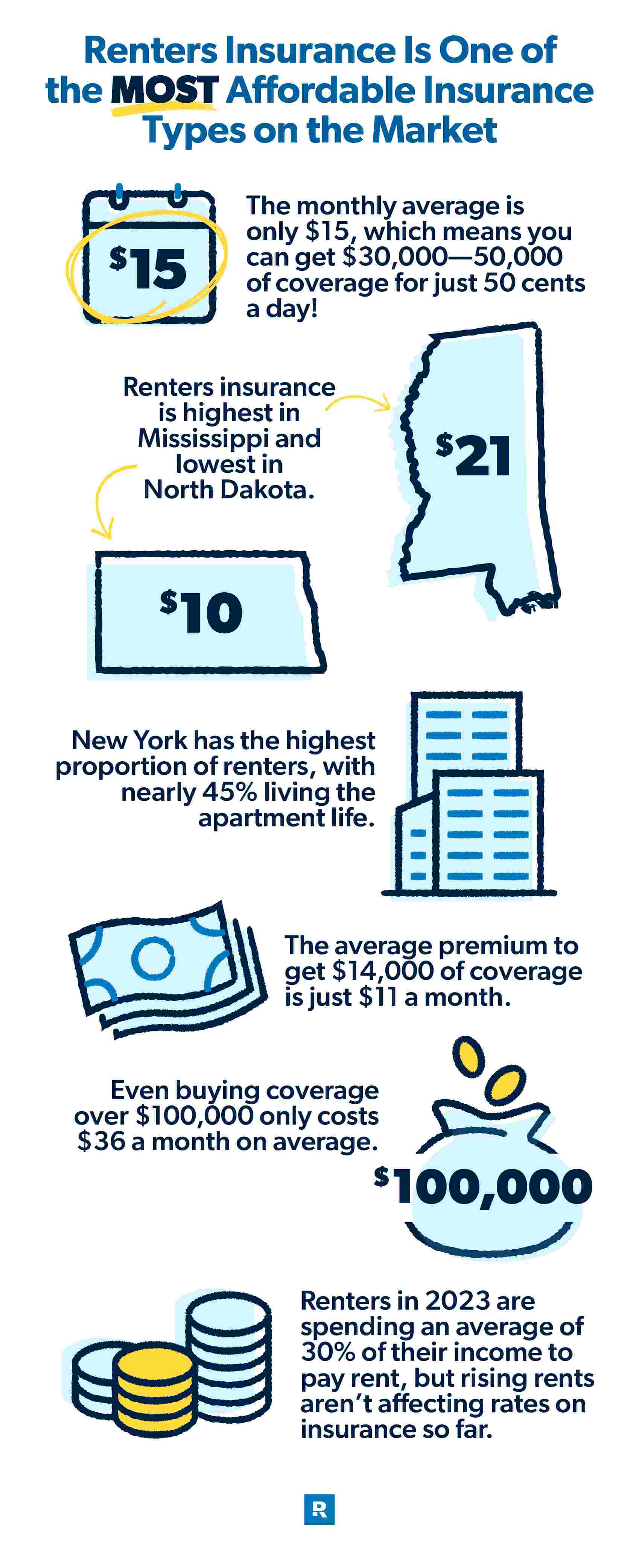
Understanding the value of renters insurance is one thing; knowing how much it will cost in Florida is another. The cost of renters insurance in the Sunshine State can vary significantly, typically ranging from $150 to $300 per year, or roughly $12 to $25 per month. However, this is a broad average, and several factors can influence where your specific premium falls within or even outside this range. Delving into these variables is key to finding an affordable yet comprehensive policy that suits your unique accommodation and lifestyle needs in Florida.
Coverage Levels and Deductibles: Finding Your Sweet Spot
One of the most significant factors determining your renters insurance premium is the amount of coverage you choose. This typically involves two main components:
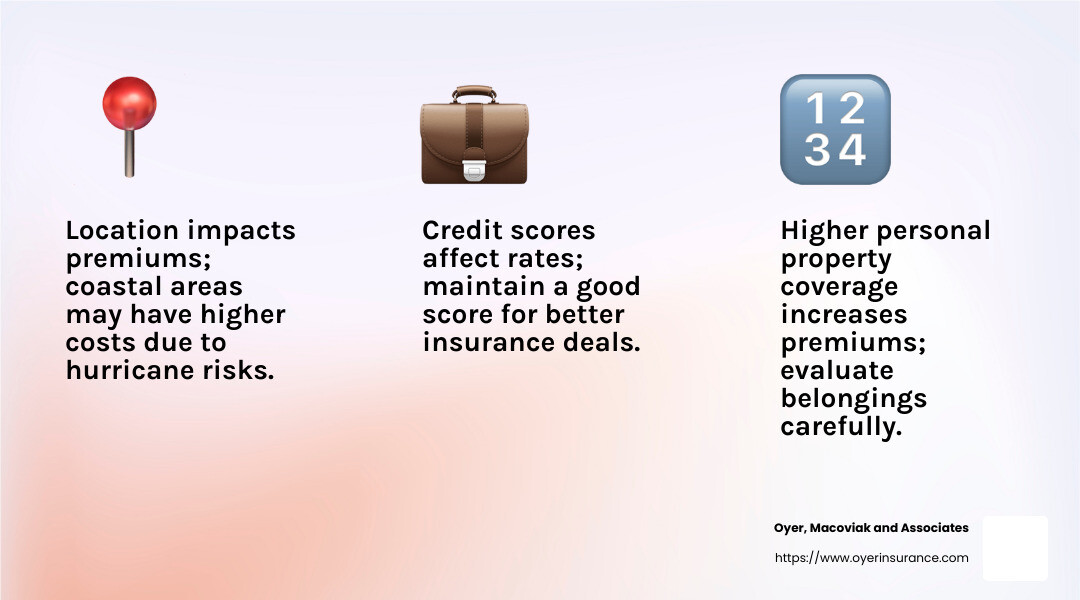
- Personal Property Coverage: This is the maximum amount your insurer will pay to replace or repair your belongings. Higher coverage limits, suitable for those with valuable electronics, extensive wardrobes, or luxury items, will naturally lead to higher premiums. You’ll need to assess the total value of your possessions to determine an appropriate amount, considering whether you want actual cash value (depreciated value) or replacement cost value (new item cost).
- Liability Coverage: This protects you if you’re found responsible for injuries to others in your rental or damage to their property. Standard policies often start at $100,000, but increasing this to $300,000 or more can provide enhanced protection, particularly if you frequently host guests or live in densely populated areas like Orlando or Miami.
The deductible also plays a crucial role. This is the amount you pay out-of-pocket before your insurance coverage kicks in. Opting for a higher deductible (e.g., $1,000 instead of $500) will generally lower your annual premium, but means you’ll pay more if you need to file a claim. It’s a balance between upfront savings and potential future expenses.
Location, Location, Location: Regional Differences Across Florida
Just as property values vary across Florida, so do renters insurance premiums. Certain areas are considered higher risk due to various factors:
- Coastal Regions: Living near the coast, whether it’s Amelia Island or Siesta Key, often means higher premiums due to increased exposure to hurricanes and tropical storms.
- Crime Rates: Areas with higher theft or vandalism rates, particularly in urban centers, may see slightly elevated premiums.
- Population Density: Densely populated areas might have different risk profiles compared to more rural or suburban locales.
Insurance companies analyze localized data to price policies, meaning a renter in Tallahassee might pay a different rate than someone in South Florida for identical coverage.
The Impact of Natural Disasters: A Florida Specific Consideration
Florida’s unique geographical position makes it particularly vulnerable to natural disasters, especially hurricanes and floods. This significantly impacts insurance pricing. While standard renters insurance covers wind damage from hurricanes, specific deductibles for windstorms (often a percentage of your coverage, like 2% or 5%) may apply, which can be considerably higher than your standard deductible. Flood damage, however, is typically excluded from standard renters policies and requires a separate flood insurance policy, usually obtained through the National Flood Insurance Program (NFIP). Given Florida’s flood risk, especially in low-lying coastal areas and near major water bodies, considering flood insurance is a wise decision for many residents.
Your Personal Profile: Credit Score, Claim History, and More
Beyond the policy specifics and location, your individual history also influences your premium:
- Credit Score: In many states, including Florida, insurers use credit-based insurance scores (which are different from credit scores used for loans) to help predict the likelihood of future claims. A higher score generally leads to lower premiums.
- Claim History: If you’ve filed multiple renters insurance claims in the past, insurers may view you as a higher risk, potentially resulting in higher rates.
- Pet Ownership: Some insurers may charge higher premiums or exclude coverage for certain dog breeds considered dangerous due to increased liability risk.
- Building Characteristics: The age and construction of your rental property, as well as the presence of safety features (like sprinklers, alarm systems, or secure entry), can also play a minor role.
By understanding these interwoven factors, you can better anticipate the cost of renters insurance in Florida and make informed decisions about your coverage.
Beyond the Basics: Types of Coverage and Essential Add-ons
While the core purpose of renters insurance is to protect your personal belongings, a comprehensive policy offers much more than just property coverage. Especially in a dynamic state like Florida, where unforeseen events can arise, understanding the full scope of your policy’s protection and considering essential add-ons is critical for a truly secure living experience, whether you’re staying in an apartment near Universal Studios Florida or a quiet villa on the Gulf Coast.
Personal Property Coverage: Protecting Your Valuables
As mentioned, this is the cornerstone of any renters insurance policy. It covers the cost of repairing or replacing your personal items if they are stolen, damaged by fire, smoke, vandalism, or certain natural disasters. It’s crucial to document your belongings with photos or videos and keep a detailed inventory. For high-value items such as jewelry, art, or specialized electronics, you might need to add a “floater” or “scheduled personal property endorsement” to your policy. This provides specific, often broader, coverage for these items, sometimes even covering “mysterious disappearance,” which standard policies usually do not. This is particularly important for those who travel with expensive equipment for photography, diving in Dry Tortugas National Park, or professional tools.
Liability Protection: An Unsung Hero
Perhaps one of the most underrated aspects of renters insurance is its liability coverage. This protects you financially if you are found responsible for:
- Bodily Injury: If a guest slips and falls in your rented apartment and sustains an injury, your liability coverage can help cover their medical expenses and legal fees if they sue you.
- Property Damage: If you accidentally cause damage to someone else’s property—for example, if a cooking fire in your unit spreads to a neighbor’s apartment—your liability coverage can help pay for the repair or replacement costs.
Given the potential for substantial legal and medical costs, having adequate liability coverage, typically starting at $100,000 but often increased to $300,000 or more, is a smart investment. This protection extends beyond your rented premises, sometimes even covering incidents that occur away from your home, offering comprehensive financial security.
Additional Living Expenses (ALE): Your Safety Net During Disruptions
Known as ALE or Loss of Use coverage, this provision is incredibly valuable, especially in a state prone to severe weather. If your rented home becomes uninhabitable due to a covered peril (like a fire or extensive hurricane damage), ALE coverage helps pay for temporary accommodation, food, and other essential living expenses while your rental unit is being repaired or until you find a new permanent residence. This can include hotel stays, meals, and even laundry services, preventing significant out-of-pocket costs during a stressful time. For travelers and digital nomads, this can be a lifeline, ensuring minimal disruption to their lifestyle and work even in the face of unexpected events.
Specialty Coverage: Flood, Wind, and High-Value Items
While standard renters insurance provides broad protection, certain risks common in Florida often require specialized endorsements or separate policies:
- Flood Insurance: As previously mentioned, standard policies do not cover flood damage. Given Florida’s geography, a separate flood insurance policy, typically from the NFIP, is highly recommended or even required in designated flood zones.
- Windstorm Deductibles: While wind damage from hurricanes is often covered, Florida policies frequently include specific windstorm deductibles (often a percentage of your dwelling coverage, which for renters translates to a percentage of your personal property coverage). Be aware of this higher deductible for hurricane-related claims.
- Earthquake Coverage: Though rare, earthquakes are not impossible. This is usually an add-on.
- Sewer Backup/Sump Pump Failure: Damage from these events may not be covered by a standard policy and could require an endorsement.
Carefully reviewing your policy with an insurance agent familiar with Florida’s specific risks is essential to ensure you have all the necessary protection for your lifestyle and accommodation type.
Smart Strategies for Saving on Renters Insurance in Florida
While renters insurance is a vital investment in your peace of mind and financial security, nobody wants to overpay. Fortunately, there are several effective strategies you can employ to reduce your annual premiums in Florida without compromising on essential coverage. By being proactive and informed, you can find a policy that perfectly balances protection with affordability, allowing you to maximize your travel and lifestyle budget.
Bundling Policies: A Common Cost-Saving Tactic
One of the most straightforward ways to save on renters insurance is to “bundle” it with other insurance policies you might already have. If you have car insurance, for example, many insurance providers offer a discount for purchasing both your auto and renters policies from them. This multi-policy discount can often be substantial, sometimes reducing your overall insurance costs by 10-20% or more. It’s worth exploring this option with your current auto insurer or any other provider you are considering. For digital nomads who often travel with a vehicle, this can be a particularly effective strategy.
Enhancing Home Security: Discounts for Safety Features
Insurance companies reward proactive measures that reduce the risk of claims. Installing certain security and safety features in your rented home or apartment can qualify you for discounts on your renters insurance premium. These can include:
- Smoke Detectors and Fire Extinguishers: Basic safety equipment is often a requirement but can sometimes lead to minor discounts.
- Burglar Alarms: Professionally monitored alarm systems, especially those connected directly to law enforcement, can offer significant savings.
- Deadbolt Locks and Secure Entry: Strong locks on doors and windows, or living in a gated community or building with secure access (e.g., a concierge or key fob entry), can also be recognized.
- Sprinkler Systems: If your apartment building has an automatic fire sprinkler system, you might qualify for a discount.
Before installing anything permanent, always check with your landlord for approval. Even small security enhancements can collectively lead to noticeable savings.
Raising Your Deductible: Balancing Risk and Reward
As discussed, your deductible is the amount you pay out-of-pocket before your insurance coverage begins. Opting for a higher deductible typically results in a lower annual premium. For example, increasing your deductible from $500 to $1,000 could shave a significant amount off your yearly cost.
However, this strategy requires careful consideration. You must be comfortable and financially able to cover the higher deductible amount in the event of a claim. If you have a robust emergency fund, a higher deductible might be a sensible way to save money. If not, a lower deductible might offer more immediate financial protection, even if it means a slightly higher premium. It’s about finding the sweet spot that aligns with your personal financial comfort level.
Shopping Around and Comparing Quotes: The Power of Choice
Perhaps the most effective way to ensure you’re getting the best deal on renters insurance in Florida is to shop around and compare quotes from multiple providers. Different insurance companies have varying underwriting processes, risk assessments, and pricing structures. What one insurer considers a higher risk, another might view differently.
Don’t settle for the first quote you receive. Contact at least three to five different insurance companies or work with an independent insurance agent who can compare policies from various carriers on your behalf. Provide accurate information about your desired coverage, your rental property, and your personal profile to ensure comparable quotes. Online comparison tools can also be a good starting point, but often a direct conversation with an agent can uncover specific discounts or tailored policies that suit your unique needs as a Florida resident or long-term visitor.
Finding Your Ideal Florida Accommodation with Confidence
Embracing the Florida lifestyle, whether for a temporary adventure or a permanent relocation, is an exciting prospect filled with endless opportunities for exploration, relaxation, and personal growth. From the thrilling experiences at the Kennedy Space Center Visitor Complex to serene afternoons on the beaches of Clearwater Beach, the state truly offers something for everyone. Ensuring your peace of mind through renters insurance is not just about protecting belongings; it’s about safeguarding your entire experience, allowing you to fully immerse yourself in everything Florida has to offer.
From Miami Apartments to Orlando Villas: Tailoring Your Coverage
The diversity of accommodation options across Florida necessitates a tailored approach to renters insurance. A minimalist studio apartment in downtown Miami will have different coverage needs than a spacious family villa in a gated community near Orlando. The key is to assess your individual situation:
- Inventory Your Possessions: Take stock of everything you own. Consider electronics, furniture, clothing, jewelry, sporting equipment, and any valuable collections. This helps determine the appropriate personal property coverage limit.
- Evaluate Your Lifestyle: Do you host frequent gatherings? Do you own pets? Do you travel often with high-value items? These factors influence your liability needs and potential endorsements.
- Consider Your Location: As discussed, coastal properties and areas prone to specific risks (like flooding) will require additional consideration for specialized coverage.
By carefully evaluating these aspects, you can work with an insurance provider to craft a policy that perfectly matches your accommodation type, lifestyle, and the specific risks associated with your chosen corner of the Sunshine State.

The Role of Renters Insurance in Long-Term Stays and Relocation
For those planning an extended stay or a full relocation to Florida, renters insurance is more than just an optional add-on; it’s a foundational element of responsible planning. Many landlords and property management companies, particularly for longer leases or in high-end complexes, now require tenants to carry renters insurance. This protects not only the tenant but also the property owner from potential liability issues.
Beyond contractual obligations, securing renters insurance before or immediately upon moving into your Florida rental ensures a smooth transition. It eliminates a significant source of potential stress, knowing that your personal assets are protected against unforeseen circumstances. This allows you to focus on the exciting aspects of your new adventure—exploring local culture, finding your favorite spots, and truly making Florida your home, whether temporary or permanent. Ultimately, understanding “How Much Is Renters Insurance In Florida?” is the first step towards a confident and secure living experience in this captivating destination.
LifeOutOfTheBox is a participant in the Amazon Services LLC Associates Program, an affiliate advertising program designed to provide a means for sites to earn advertising fees by advertising and linking to Amazon.com. Amazon, the Amazon logo, AmazonSupply, and the AmazonSupply logo are trademarks of Amazon.com, Inc. or its affiliates. As an Amazon Associate we earn affiliate commissions from qualifying purchases.