
Embarking on a new chapter in life often involves navigating significant changes, and few are as profound as divorce. The thought alone can be daunting, but when coupled with the financial strain of legal fees, it can feel insurmountable. For those contemplating dissolution of marriage in the Sunshine State, the question “How to get a divorce in Florida for free?” isn’t just a hopeful query – it’s a critical consideration for a fresh start. This guide delves into the realities of achieving an amicable, cost-effective divorce in Florida, exploring legal avenues, practical tips for managing the process, and how this major lifestyle transition can be a catalyst for new experiences, even on a budget.

Florida, a state synonymous with vibrant tourism, breathtaking landmarks, and diverse accommodation options, might seem an unlikely backdrop for a discussion on free divorces. However, its legal framework, combined with resources for those facing financial hardship, offers pathways to dissolve a marriage without incurring substantial legal costs. Whether you’re a long-time resident or considering establishing temporary residency to facilitate your case, understanding these mechanisms is key to unlocking a truly “free” divorce.
Understanding the “Free” in Florida Divorce
The term “free divorce” generally refers to minimizing or eliminating the direct monetary costs associated with the legal process. While completely free in every sense might be challenging, Florida’s legal system provides several avenues for individuals who cannot afford an attorney or court fees. These options primarily revolve around legal aid services, pro bono representation, self-representation, and fee waivers. Embracing these strategies requires a proactive approach and an understanding of the state’s requirements for divorce.
Navigating Legal Aid and Pro Bono Services
For individuals with limited income, legal aid organizations across Florida are invaluable resources. These non-profit entities, often supported by federal grants from the Legal Services Corporation and local contributions, provide free or low-cost legal assistance to eligible clients. Organizations like Legal Aid Society of Palm Beach County, Legal Services of Greater Miami, and Bay Area Legal Services in the Tampa area are dedicated to helping those who cannot afford private counsel. Eligibility typically depends on income and asset thresholds, which vary by organization and county.
These services often prioritize cases involving domestic violence, child welfare, or other critical needs, but many also assist with family law matters, including divorce. Applying for legal aid involves submitting an application, providing financial documentation, and attending an interview. If accepted, an attorney or paralegal will guide you through the divorce process, from drafting petitions to attending court hearings. This can transform a potentially expensive ordeal into a manageable, financially unburdening experience, allowing you to focus on the emotional aspects of your new beginning.
Beyond formal legal aid, many private attorneys offer pro bono (for the public good) services. The Florida Bar encourages its members to dedicate a certain number of hours each year to pro bono work. While less structured than legal aid organizations, seeking out pro bono attorneys can sometimes be done through bar association referral services or by directly inquiring with law firms. This often applies to individuals who might not quite meet legal aid’s strict income requirements but still face significant financial hardship. For those exploring a change of scenery, connecting with local bar associations in cities like Orlando or Jacksonville could open doors to these vital services.
The Path of Self-Representation: DIY Divorce
Another significant route to a “free” divorce is self-representation, often referred to as a “Do-It-Yourself” (DIY) divorce. This option is particularly viable for couples who have an uncontested divorce, meaning they agree on all aspects of the separation, including asset division, child custody, and support. In Florida, the court system provides comprehensive forms and instructions for pro se (self-represented) litigants. The Florida Supreme Court website offers a plethora of resources, including standardized forms for various types of divorce petitions, financial affidavits, and final judgments.
Successfully navigating a DIY divorce requires meticulous attention to detail, a willingness to research legal procedures, and a commitment to completing all necessary paperwork accurately. While it eliminates attorney fees, you would still be responsible for court filing fees, unless a fee waiver is granted. This approach empowers individuals to take control of their legal journey, making it an attractive option for those seeking a truly budget-friendly separation. Many county clerk of court offices also offer self-help centers with guidance on form completion, though they cannot provide legal advice. Considering the administrative aspect of such a process, a quiet and accessible base of accommodation can be immensely helpful for managing the paperwork and deadlines.
Fee Waivers and Financial Considerations
Even with self-representation, court filing fees can amount to several hundred dollars. For those unable to afford these fees, Florida law provides for a Petition to Determine Civil Indigent Status (also known as a fee waiver). If approved, this petition exempts the litigant from paying most, if not all, court costs, including filing fees, service of process fees, and some other associated expenses. Eligibility for a fee waiver is determined based on income, assets, and liabilities, typically requiring applicants to be at or below 200% of the federal poverty guidelines.
Applying for a fee waiver involves completing a specific form provided by the clerk of court, detailing your financial situation, and submitting it to the court for review. If granted, your divorce proceedings can move forward without the burden of court costs, making the path to a “free” divorce genuinely accessible. It’s crucial to file this petition at the very beginning of your case to ensure all fees are waived from the outset. This financial relief can significantly reduce stress, allowing individuals to focus on rebuilding their lives and perhaps even planning a modest, restorative travel experience post-divorce.
Essential Florida Residency and Jurisdictional Nuances
Before embarking on any divorce proceedings in Florida, understanding the state’s residency requirements is paramount. This isn’t just a legal formality; for those considering a move or a significant change in their living situation, it ties directly into how and where you can initiate your divorce.
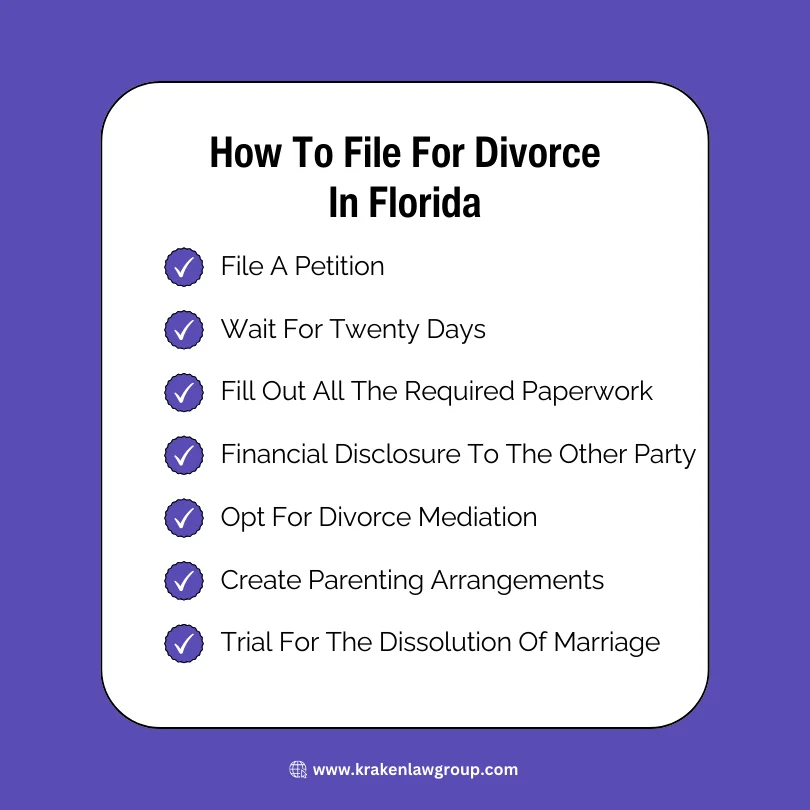
Establishing Residency: More Than Just a Vacation
To file for divorce in Florida, at least one party must have resided in the state for a minimum of six months immediately preceding the filing of the petition. This isn’t simply about having a hotel reservation; it requires demonstrating an intent to make Florida your permanent home. Evidence of residency can include a Florida driver’s license, voter registration, utility bills in your name, or a lease agreement.
For individuals relocating to Florida specifically to pursue a divorce, this six-month period can be an opportune time for personal reflection and preparation. It allows you to explore different areas, understand the local community, and establish new routines. Many see this period as a necessary step toward a new beginning, utilizing the time to secure stable accommodation and perhaps even explore job opportunities. It transforms the legal requirement into a practical phase of transition and new lifestyle development.
Choosing Your Florida Base for the Process
The choice of where to establish residency within Florida can subtly impact your experience. Larger metropolitan areas like Miami, Orlando, and Tampa tend to have more robust legal aid services and larger legal communities, potentially offering more options for pro bono assistance. These cities also provide a wider array of affordable accommodation and public travel options, which can be beneficial if you anticipate needing to commute to court or legal offices.
Conversely, smaller towns might offer a more intimate setting, though legal resources could be more limited. When considering your base, think about proximity to potential legal assistance, court facilities, and personal support networks. A strategic choice can ease the logistical burden of the divorce process, allowing you to settle into your new life with less stress. For instance, living near a public transportation hub in St. Petersburg could make court visits more manageable than in a sprawling rural area.
Practicalities of a Budget-Friendly Divorce in the Sunshine State
Beyond the legal technicalities, undergoing a divorce, even a free one, necessitates careful planning, especially if you’re managing on a tight budget. Integrating travel, accommodation, and lifestyle choices into this process can significantly alleviate financial pressure and provide a sense of stability during an unstable time.
Planning Your Stay: Affordable Accommodation Options
If you’re establishing residency or need a temporary place to stay during the divorce, Florida offers a variety of budget-friendly accommodation options. Instead of expensive resorts or traditional hotels, consider extended-stay hotels or apartments that often come with kitchenettes, reducing food costs. Vacation rentals or short-term apartment leases can also be cost-effective for stays of several months, particularly outside peak tourism seasons. Platforms like Airbnb or VRBO (Vacation Rentals By Owner) often list rooms or private apartments for longer durations at reduced rates.
Exploring different neighborhoods or even cities like Sarasota or Gainesville (which might have lower living costs than Miami or Orlando) can yield significant savings. Some individuals even consider house-sitting opportunities or staying with friends or family if possible, minimizing accommodation expenses entirely. The goal is to secure a stable and comfortable environment that doesn’t add financial strain to an already challenging period.
Leveraging Local Resources and Community Support
Beyond legal aid, Florida’s diverse communities offer a wealth of support systems that can be invaluable during a divorce. Public libraries often provide free internet access and printing services, crucial for managing legal documents. Community centers, churches, and non-profit organizations frequently host support groups for individuals undergoing divorce, offering emotional solace and practical advice. These local connections can be particularly beneficial for those new to the area, helping to build a new support network.
Look into local food banks, thrift stores, and public health services to manage daily living expenses. Florida’s various counties also have social services departments that can connect you with resources for housing assistance, employment support, and child care, if needed. Utilizing these resources not only saves money but also fosters a sense of community and resilience during a tough time, transforming a period of adversity into one of growth and connection.
Exploring Florida on a Budget During a Challenging Time
While a divorce is certainly not a typical vacation, Florida’s natural beauty and numerous free or low-cost attractions can offer much-needed respite. Embracing a budget travel mindset can turn difficult days into opportunities for quiet contemplation or rejuvenation. Many of Florida’s landmarks are its natural wonders: stunning beaches, state parks with hiking trails, and picturesque springs. Spending time at places like South Beach in Miami, the historic downtown of St. Augustine, or the serene waterways of Everglades National Park can provide a sense of escape without costing a fortune.
Local festivals, farmers’ markets, and free museum days (often offered by institutions like the Perez Art Museum Miami or the St. Petersburg Museum of Fine Arts) offer cultural enrichment and distraction. Even a simple picnic by the ocean or a walk through a botanical garden can be profoundly therapeutic. This isn’t about ignoring the gravity of the divorce, but rather about consciously integrating moments of peace and beauty into your journey, reminding yourself that a new, fulfilling lifestyle awaits.
Concluding a marriage, especially when financial resources are limited, presents unique challenges. However, by leveraging Florida’s legal aid systems, understanding self-representation, utilizing fee waivers, and thoughtfully planning your accommodation and daily lifestyle, a “free divorce” is not just a dream but a tangible reality. It’s an opportunity to embark on a new path, not just legally but geographically and personally, with the resilience to build a fresh, independent future in the vibrant landscape of the Sunshine State.
LifeOutOfTheBox is a participant in the Amazon Services LLC Associates Program, an affiliate advertising program designed to provide a means for sites to earn advertising fees by advertising and linking to Amazon.com. Amazon, the Amazon logo, AmazonSupply, and the AmazonSupply logo are trademarks of Amazon.com, Inc. or its affiliates. As an Amazon Associate we earn affiliate commissions from qualifying purchases.