
Florida, often lauded as the Sunshine State for its vibrant beaches, world-class attractions, and unique cultural experiences, attracts millions of visitors and new residents each year. Whether you’re planning an extended stay, considering a permanent relocation to embrace the Florida lifestyle, or simply curious about the nuances of living in this dynamic state, understanding various aspects of local regulations is crucial. For those whose personal lifestyle includes firearm ownership, or for individuals prioritizing personal safety as part of their long-term accommodation planning, navigating the process of obtaining a gun license in Florida is an important consideration.
This comprehensive guide is designed not to advocate for or against firearm ownership, but rather to serve as an informative resource for individuals who, as part of their lifestyle choices or relocation plans, wish to understand the legal framework and practical steps involved in securing a Concealed Weapon or Firearm License (CWFL) in Florida. We’ll explore the eligibility requirements, the application process, and essential considerations that go beyond just securing the license, ensuring you are well-informed for a responsible and compliant experience in the Sunshine State. From exploring new destinations to settling into a new home, understanding local laws is a cornerstone of responsible travel and residency, enhancing your overall experience in Florida.
Understanding Florida’s Stance on Firearm Ownership: A Lifestyle and Legal Perspective
For many, the decision to obtain a firearm license is deeply intertwined with personal lifestyle choices, including considerations for personal safety, recreational shooting, or even as part of a move to a new environment. Florida has specific laws governing firearm ownership and carry, which are important for both its long-term residents and those contemplating an extended stay. Being well-versed in these regulations ensures legal compliance and contributes to a harmonious experience within the community.
The Importance of Knowing State Laws for Residents and Visitors
When planning a long-term stay or considering a relocation to a place like Florida, understanding the local legal landscape is as vital as researching accommodations or local attractions. Firearm laws can vary significantly from state to state, and what might be permissible in one’s home state could be illegal in another. For visitors from other states who hold a firearm license, understanding Florida’s reciprocity agreements is paramount. However, this article primarily focuses on obtaining a Florida license, which is typically sought by those who intend to reside in the state or spend significant periods here, making it an integral part of their new Florida lifestyle.
Florida generally recognizes the right to bear arms for self-defense, and its laws reflect this stance, particularly concerning the concealed carry of firearms. The state has a robust system in place for issuing Concealed Weapon or Firearm Licenses, managed by the Florida Department of Agriculture and Consumer Services (FDACS). This department is responsible for ensuring that all applicants meet the stringent requirements set forth by state statutes. For someone integrating into the Florida community, whether through buying a home in Orlando, retiring to Tampa, or enjoying the vibrant culture of Miami, understanding these legal frameworks is a critical step in responsible residency.
Differentiating Between Open and Concealed Carry
A fundamental distinction in Florida firearm law is between open carry and concealed carry. Generally, Florida is an open-carry state only in very limited circumstances, primarily related to hunting, fishing, or target practice, or when traveling to and from such activities. For general public carry, a Concealed Weapon or Firearm License (CWFL) is required. This license permits individuals to carry certain weapons, including handguns, knives, and other devices, provided they are not openly displayed.
The concept of concealed carry aligns with a lifestyle of discreet personal safety preparedness. It allows individuals to carry a firearm for self-defense while minimizing public visibility, which is often preferred by those who wish to maintain a low profile. Understanding this distinction is crucial for anyone considering applying for a license in Florida. The CWFL is the primary means by which law-abiding citizens can carry firearms in public spaces in Florida, offering a sense of security that many value as part of their everyday life in the Sunshine State. This discreet approach also aligns with respecting the diverse public spaces found across Florida, from bustling theme parks to serene nature trails.
Eligibility and Core Requirements for a Florida Concealed Weapon or Firearm License
Obtaining a Florida Concealed Weapon or Firearm License (CWFL) is a structured process designed to ensure that licenses are issued only to qualified, law-abiding individuals. The requirements are meticulously outlined in Florida Statute 790.06. Before embarking on the application journey, it’s imperative to thoroughly review these prerequisites to ensure you meet all the necessary criteria. This careful preparation is just as important as planning any major travel itinerary or securing the perfect accommodation – it sets the foundation for a successful outcome.
Meeting the Personal Criteria
To be eligible for a CWFL in Florida, applicants must meet several personal criteria, which are primarily related to age, residency, and criminal history. Understanding these upfront can save significant time and effort.
- Age Requirement: Applicants must be 21 years of age or older. There is a limited exception for active duty military personnel and veterans, who may apply at 18 years of age.
- Residency Status: Generally, applicants must be residents of Florida. However, non-residents who meet certain criteria, such as owning property in Florida or possessing a valid concealed carry permit from a state that Florida recognizes, may also be eligible. It’s important to note that specific details for non-residents should be verified directly with the Florida Department of Agriculture and Consumer Services. For those looking at extended stays or vacation rentals, establishing clear residency or understanding non-resident provisions is key.
- Legal Disqualifications: A comprehensive list of disqualifying factors is outlined in Florida law. These typically include:
- Conviction of a felony.
- Conviction of a misdemeanor crime of domestic violence.
- A record of mental illness, involuntary commitment to a mental institution, or being adjudicated as mentally incompetent.
- Being subject to a domestic violence injunction or other protective orders.
- Being a fugitive from justice.
- Dishonorable discharge from the armed forces.
- Renunciation of U.S. citizenship.
- Being a habitual drunkard or unlawful user of marijuana or any other controlled substance.
These are not exhaustive, and applicants are responsible for ensuring they do not fall under any disqualifying categories. The state performs thorough background checks to verify all information. For individuals considering a new lifestyle in Florida, ensuring a clean record is a fundamental aspect of seamlessly integrating into the community and complying with state laws.
The Mandatory Training Requirement
One of the most critical requirements for a Florida CWFL is demonstrating competency with a firearm. This is typically satisfied by completing a certified training course. This requirement underscores Florida’s commitment to responsible firearm ownership, ensuring that license holders possess the necessary skills and knowledge for safe handling.
To fulfill this requirement, applicants must demonstrate competence with a firearm through one of several approved methods, which generally include:
- Completion of any hunter education or safety course approved by the Florida Fish and Wildlife Conservation Commission or a similar state agency.
- Completion of any National Rifle Association (NRA) firearms safety or training course.
- Completion of any firearms safety or training course or class offered by a state-certified instructor, law enforcement agency, junior college, college, or private institution licensed to teach firearms safety.
- Completion of any law enforcement firearms safety or training course or class offered for security guards, investigators, special deputies, or any division or subdivision of a law enforcement or security enforcement agency authorized to carry a firearm in the course of their duties.
- Proof of current or prior service in the armed forces of the United States, including proof of honorable discharge. This is often a significant benefit for veterans looking to settle down in Florida.
The training must involve actual firing of a weapon and must be certified by an instructor. Simply watching a video or reading a book is insufficient. This hands-on experience is crucial for developing safe habits and proficiency, which are essential for any responsible firearm owner. Many licensed instructors and shooting ranges across Florida offer courses specifically designed to meet the CWFL training requirement, making it convenient for new residents or those seeking to enhance their lifestyle with responsible firearm practices.
Required Documentation and Application Steps
Once you’ve confirmed your eligibility and completed the mandatory training, the next step involves gathering the necessary documentation and formally submitting your application. This phase requires meticulous attention to detail to avoid delays.
The standard application package typically includes:

- A completed application form: This form can be obtained from the Florida Department of Agriculture and Consumer Services website or a regional office.
- Proof of training: A copy of the certificate or document demonstrating completion of the required firearm safety course. This is your testament to responsible preparation.
- A passport-style photograph: This photo must meet specific requirements regarding size and background.
- Fingerprints: Live scan fingerprints are typically required and can be obtained at a local law enforcement agency or an approved vendor. These are crucial for the background check process.
- Payment of fees: There is an application fee and a fingerprint processing fee. These fees are non-refundable, regardless of the application outcome.
For applicants with military experience, additional documentation, such as a DD-214 form showing honorable discharge, will be required to verify their training exemption. It’s advisable to create a checklist and ensure all documents are properly filled out and gathered before submission. Many applicants opt to utilize the regional offices of the Florida Department of Agriculture and Consumer Services for an in-person application, as staff can assist with verifying documentation and taking fingerprints and photos on-site, streamlining the process significantly. This convenience is a testament to Florida’s effort to make administrative tasks manageable for its residents.
Navigating the Application Process: From Submission to Approval
After diligently preparing all your documentation and meeting the training requirements, the next phase is the submission of your application to the Florida Department of Agriculture and Consumer Services. Understanding the various submission methods and what to expect post-submission is key to a smooth process. Just as you would meticulously plan every detail of a landmark visit or a complex travel itinerary, attention to these administrative steps ensures a successful outcome for your CWFL.
Submitting Your Application: Online vs. Mail
Florida provides flexibility in how applicants can submit their CWFL applications, offering both online and mail-in options, in addition to the popular in-person submission at regional FDACS offices. Each method has its advantages:
- Online Application: For those comfortable with digital processes, the Florida Department of Agriculture and Consumer Services website offers an online application portal. This method can be convenient as it allows you to upload documents electronically and pay fees securely. However, you will still need to separately complete the fingerprinting requirement at an approved live scan vendor, and a passport-style photo will need to be provided either digitally or via mail as specified. The online system often provides real-time updates on application status, which can be reassuring for those eager to integrate this aspect into their Florida lifestyle.
- Mail-in Application: Applicants can download the application form from the FDACS website, complete it, and mail it along with all supporting documents, including your training certificate, photo, and payment (usually by check or money order), to the department’s headquarters in Tallahassee. Fingerprinting must still be completed separately and submitted, either electronically by the vendor or physically by mail. While potentially slower than other methods, this option works well for those who prefer traditional mail.
- In-person at Regional FDACS Offices: This is often the most recommended method for first-time applicants. Florida has several regional FDACS offices located across the state, including in major cities like Miami, Orlando, and Tampa. At these offices, staff can assist with reviewing your application for completeness, take your fingerprints electronically via live scan, and capture your photograph on-site. This significantly streamlines the process, reduces the chance of errors, and often results in a quicker processing time. It’s essentially a one-stop shop for your application needs, much like a concierge service at a luxury resort simplifies your stay.
Regardless of the chosen method, it is crucial to ensure all information is accurate and consistent across all documents. Any discrepancies can lead to delays or rejection of the application.
What Happens After Submission? Background Checks and Waiting Periods
Once your application is submitted, the process moves into the review and background check phase, which is conducted by the Florida Department of Agriculture and Consumer Services (FDACS). This period involves a thorough verification of all provided information and a comprehensive criminal background check.
- Background Investigations: FDACS works in conjunction with federal, state, and local law enforcement agencies to conduct extensive background checks. This includes reviewing your criminal history records, mental health records (where permissible by law), and other relevant databases to ensure you meet all statutory requirements and do not pose a disqualifying risk.
- Waiting Periods: By Florida law, FDACS has 90 days from the time a complete application is received to either approve or deny the license. However, if the department needs to request additional information from the applicant or other agencies, this 90-day period may be paused until all necessary documentation is received. While this waiting period can feel lengthy, it is a critical part of the due diligence process, ensuring that only eligible individuals receive a CWFL.
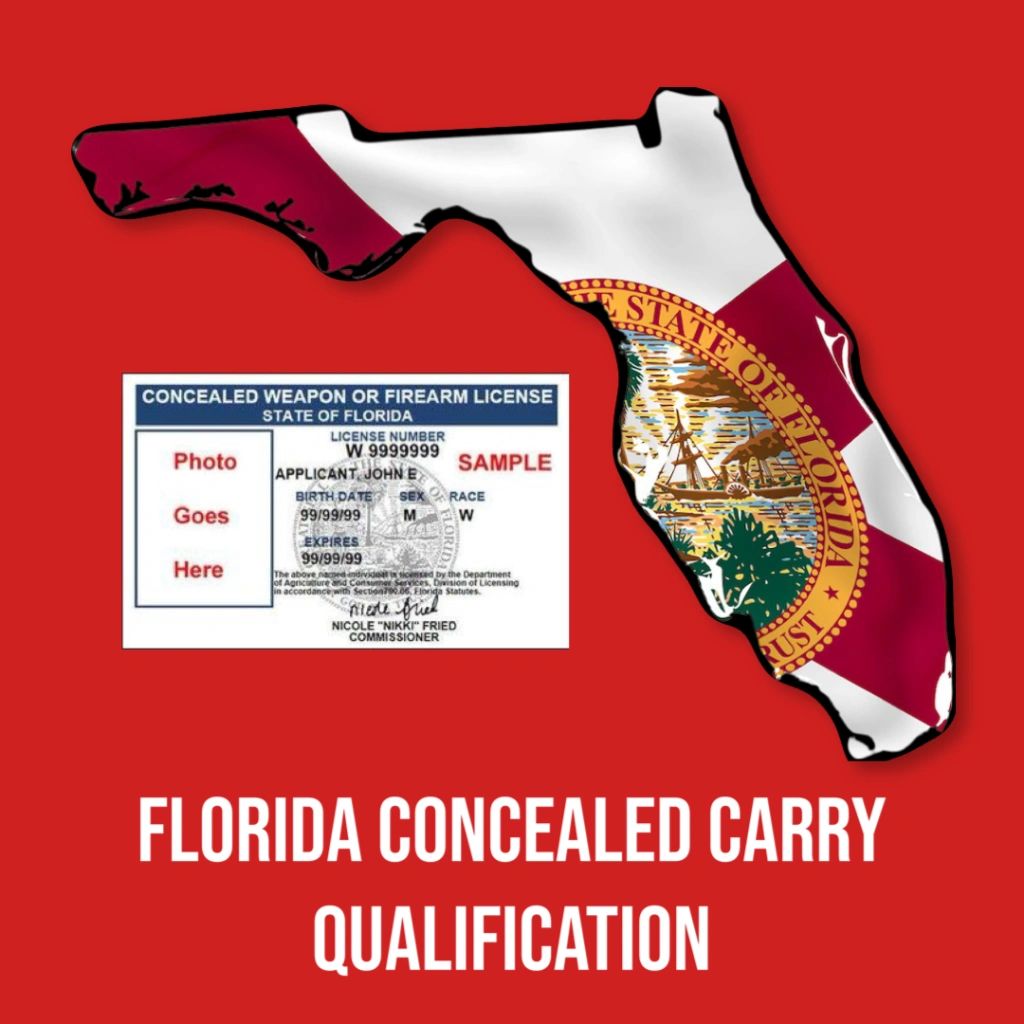
- License Issuance: If your application is approved, your Concealed Weapon or Firearm License will be mailed to you. The license is typically a laminated card, similar to a driver’s license, and is valid for seven years. It is essential to carry your CWFL along with a valid form of identification whenever you are carrying a concealed weapon or firearm.
- Denial of Application: If an application is denied, the FDACS will provide a written notification stating the reason for the denial. Applicants typically have the right to appeal the decision through an administrative hearing process, ensuring fairness and due process.
For those embracing the vibrant Florida lifestyle, patience during this phase is key. The issuance of a CWFL signifies a significant step in exercising personal rights responsibly and safely within the legal framework of the Sunshine State.
Responsible Firearm Ownership in the Sunshine State: Beyond the License
Obtaining a Florida Concealed Weapon or Firearm License (CWFL) is a significant step, but it is just the beginning of responsible firearm ownership. For those who integrate firearm ownership into their lifestyle, particularly in a diverse and populous state like Florida, understanding ongoing responsibilities, legal nuances, and the importance of continuous education is paramount. This commitment to responsibility ensures safety, legal compliance, and a positive contribution to the community, much like being a thoughtful tourist respects local culture and customs.
Understanding Reciprocity with Other States
One of the key considerations for CWFL holders, especially those who travel frequently or have roots in other states, is reciprocity. Florida has reciprocity agreements with many other states, meaning that a Florida CWFL may be recognized in those states, allowing the holder to carry a concealed firearm there, provided they abide by that state’s laws. Conversely, Florida recognizes licenses from many other states.
It is absolutely crucial for individuals to research the specific reciprocity laws of any state they plan to visit or travel through before carrying a firearm. Reciprocity agreements can change, and the laws of the visited state always take precedence. What is legal in Florida might not be in Georgia or Alabama, even with a valid Florida license. Websites like the Florida Department of Agriculture and Consumer Services provide updated information on reciprocity, but independent verification with the relevant state’s attorney general or law enforcement agency is always recommended. This diligence is part of a responsible travel and lifestyle ethic.
Staying Informed: Continuous Legal Compliance
Firearm laws are subject to change. New legislation can be introduced and passed, court rulings can alter interpretations, and administrative rules can be updated. Therefore, responsible firearm owners in Florida must commit to staying informed about any changes to state and federal firearm laws. This ongoing education is as essential as researching new attractions or amenities for your next trip.
Resources for staying informed include:
- Official Sources: Regularly checking the Florida Department of Agriculture and Consumer Services website and the official Florida Statutes.
- Reputable Organizations: Joining or following established firearm rights organizations, which often provide updates on legislative changes and legal interpretations.
- Legal Counsel: Consulting with an attorney specializing in firearm law for specific questions or complex situations.
Ignorance of the law is not a defense, and legal infractions can result in severe penalties, including loss of license, fines, and imprisonment. For residents and long-term visitors enjoying the Florida lifestyle, proactive legal compliance is a non-negotiable aspect of responsible firearm ownership.
Prioritizing Safety and Education
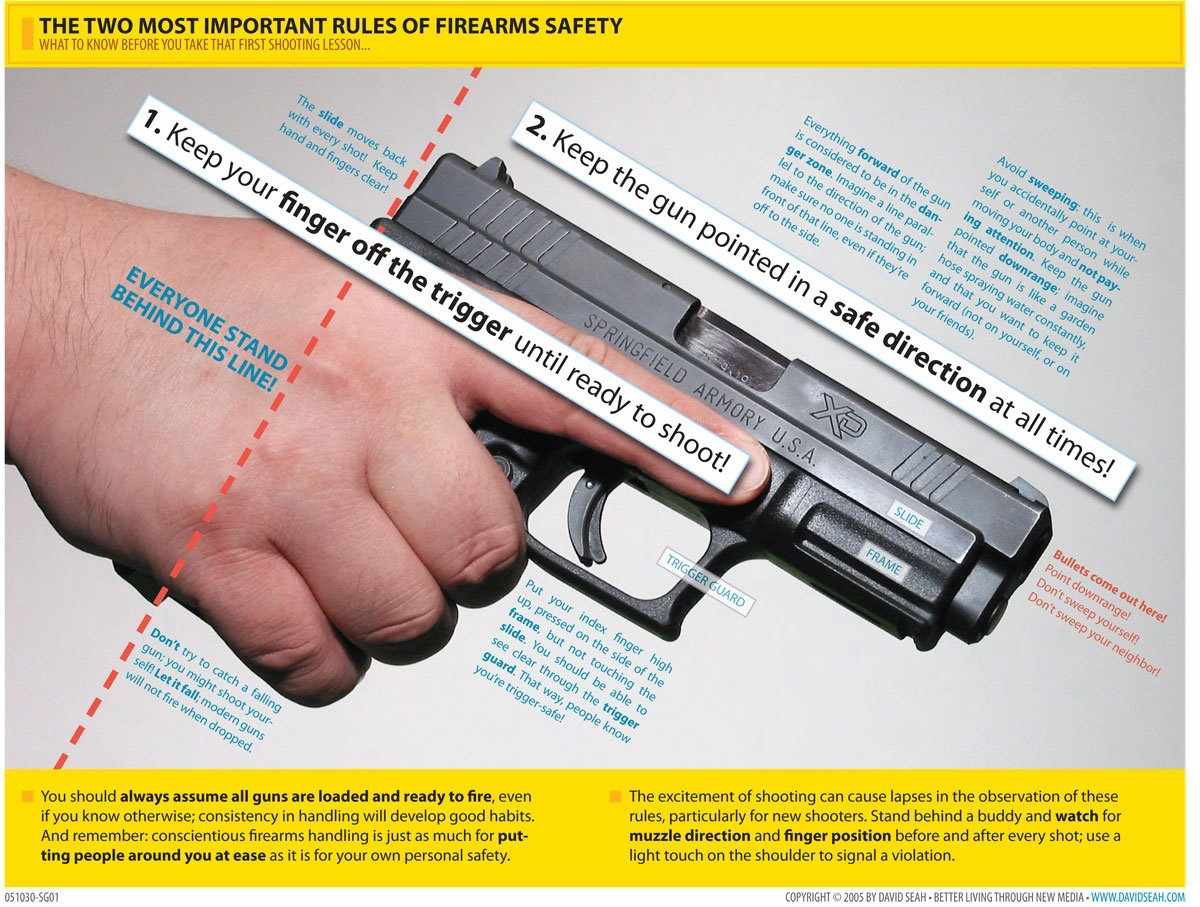
Beyond legal compliance, the cornerstone of responsible firearm ownership is an unwavering commitment to safety and continuous education. The initial training required for a CWFL is a foundational step, but ongoing practice and advanced training are highly recommended.
- Ongoing Training: Consider enrolling in advanced defensive shooting courses, tactical training, or refresher courses. These can enhance proficiency, judgment, and situational awareness, which are critical skills for anyone who chooses to carry a firearm for self-defense. Many ranges and instructors across Florida offer various levels of training, from basic to advanced.
- Safe Storage: Proper and secure storage of firearms is paramount, especially in households with children or in multi-person accommodations. This includes using gun safes, lockboxes, and trigger locks to prevent unauthorized access.
- Practice and Proficiency: Regular practice at a shooting range helps maintain proficiency and familiarity with your firearm. This also ensures that you are comfortable and accurate in handling your weapon under various conditions.
- Mindset and Responsibility: Owning a firearm for self-defense carries immense responsibility. It requires a serious mindset, an understanding of escalation of force, and a commitment to de-escalation whenever possible. The decision to use a firearm in self-defense is a weighty one, and continuous mental preparation and understanding of the legal implications are vital.
For those who have embraced the Florida lifestyle, whether through purchasing a vacation home in Orlando or enjoying the tranquil beaches near Naples, integrating responsible firearm practices into daily life contributes not only to personal safety but also to the safety and well-being of the wider community. It embodies the essence of a responsible citizen in the Sunshine State, ensuring that all aspects of one’s lifestyle, including firearm ownership, are conducted with utmost care and legal adherence. This approach ensures that your experience in Florida remains safe, compliant, and thoroughly enjoyable.
LifeOutOfTheBox is a participant in the Amazon Services LLC Associates Program, an affiliate advertising program designed to provide a means for sites to earn advertising fees by advertising and linking to Amazon.com. Amazon, the Amazon logo, AmazonSupply, and the AmazonSupply logo are trademarks of Amazon.com, Inc. or its affiliates. As an Amazon Associate we earn affiliate commissions from qualifying purchases.