
The allure of the Sunshine State is undeniable, drawing millions of visitors and new residents each year. From the pristine beaches of the Gulf Coast to the vibrant urban centers of Miami and Orlando, Florida offers a diverse tapestry of experiences and opportunities. For many, a visit to this captivating state transforms into a dream of making it a permanent home, a vacation retreat, or a shrewd investment. This constant influx of interest fuels one of the most dynamic real estate markets in the United States. If you’ve ever considered a career that blends entrepreneurial spirit with the excitement of helping people navigate significant life decisions, obtaining a real estate license in Florida could be your gateway to a rewarding professional journey.
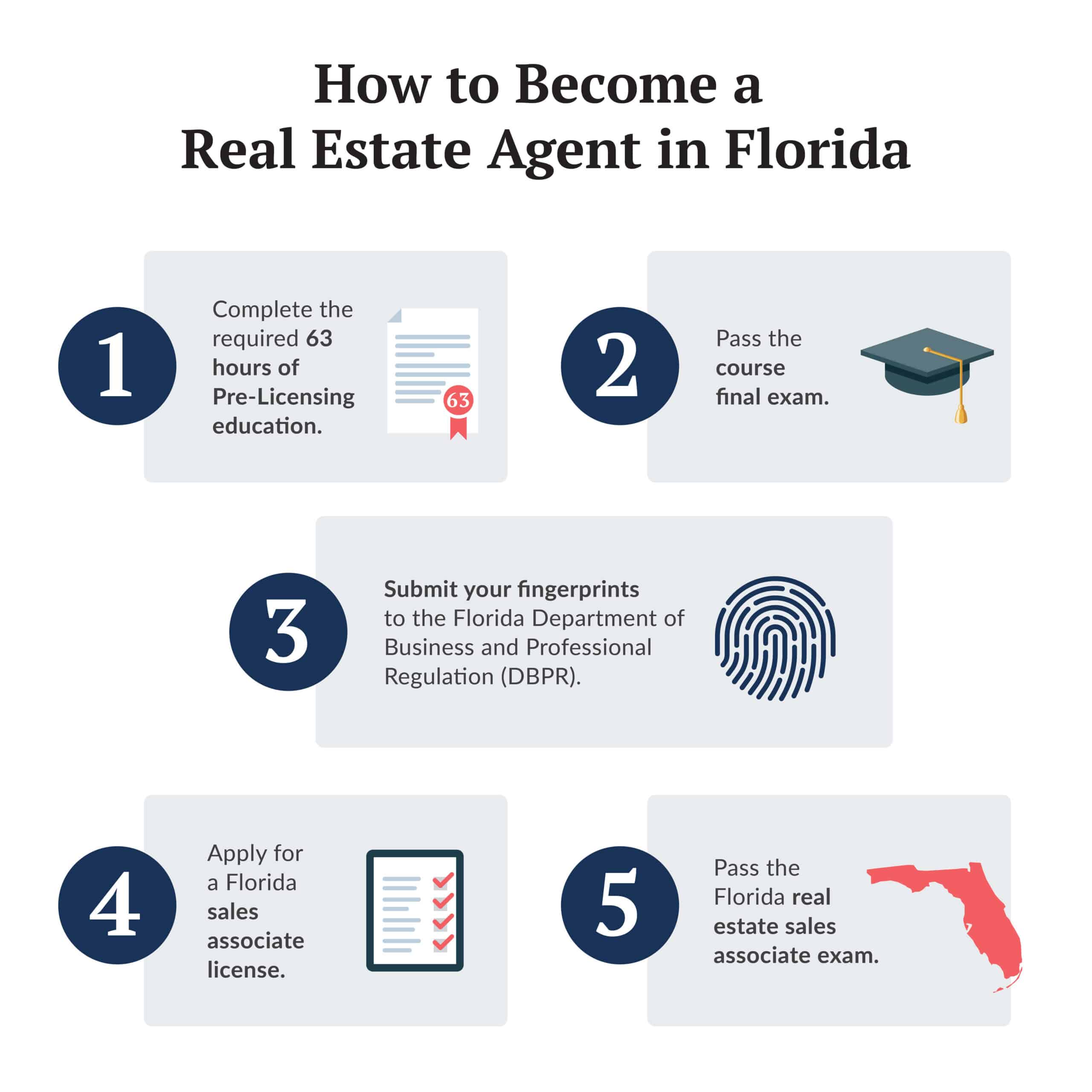
This comprehensive guide will walk you through the essential steps, requirements, and considerations for becoming a licensed real estate sales associate in Florida. Whether you’re a long-time resident looking for a career change, an out-of-state professional eyeing the vibrant Florida market, or an aspiring investor keen to understand the intricacies from an insider’s perspective, understanding this process is crucial. We’ll delve into the initial qualifications, the necessary education, the application process, and the all-important state examination, ensuring you have a clear roadmap to success in Florida’s bustling property landscape.
Why Florida? The Sunshine State’s Real Estate Appeal
Florida’s real estate market is unique, driven by a confluence of factors that align perfectly with the core themes of travel, accommodation, and lifestyle. Understanding these drivers illuminates why a real estate license here is not just a job, but a ticket to participating in a booming sector.
A Magnet for Tourists and Investors
Florida is a global tourism powerhouse. Destinations like Walt Disney World Resort and Universal Orlando Resort in Orlando, the Art Deco district of South Beach in Miami, and the stunning natural beauty of the Florida Keys attract visitors from around the globe. This constant stream of travelers often leads to significant interest in purchasing vacation homes, investment properties, and even commercial ventures like hotels and resorts. For instance, the demand for short-term vacation rentals in popular tourist areas creates a lucrative niche for real estate professionals who can help buyers acquire and manage these types of accommodations. The diverse range of property types, from luxury condos in Bal Harbour to sprawling estates in Palm Beach, caters to a wide spectrum of international and domestic investors.
Lifestyle and Relocation: More Than Just a Home
Beyond tourism, Florida is a top destination for relocation. Its favorable tax environment (no state income tax), warm climate, and diverse lifestyle options—from vibrant city living in Tampa and Jacksonville to tranquil retirement communities in Naples or the active adult communities in The Villages—make it an attractive choice for individuals and families seeking a new chapter. Real estate agents in Florida often become guides to entire lifestyles, helping clients find not just a house, but a community that aligns with their desired way of living, whether it’s a family-friendly neighborhood near top schools or a waterfront condo with immediate access to boating on the Atlantic Coast. This human element of facilitating a dream lifestyle is a deeply rewarding aspect of the profession.
The Essential Steps to Becoming a Licensed Real Estate Sales Associate in Florida
Embarking on a career in Florida real estate requires adherence to specific state regulations and a commitment to education. The journey is structured and designed to ensure that all licensees are knowledgeable, ethical, and capable of serving the public effectively.
Eligibility Requirements: Laying the Foundation
Before you even consider enrolling in a course, it’s important to ensure you meet the fundamental criteria set by the Florida Real Estate Commission (FREC), which is part of the Department of Business and Professional Regulation (DBPR).
- Age: You must be at least 18 years old.
- Education: A high school diploma or its equivalent is required.
- Social Security Number: A Social Security number is mandatory for applying for a real estate license in Florida. This is used for background checks and to comply with federal and state laws regarding child support enforcement.
- Honesty and Character: Applicants must possess good moral character and be honest. This is assessed through a background check during the application process. Disclosures of past criminal history, even misdemeanors, are required and will be reviewed by FREC. Failing to disclose can lead to denial of your application.
Completing the Pre-License Course: Your Foundational Knowledge
The cornerstone of your real estate education in Florida is the completion of a 63-hour sales associate pre-license course. This course is comprehensive, covering a wide array of topics crucial for understanding real estate principles, practices, and law.
- Course Content: The curriculum typically includes subjects such as Florida real estate license law, ethics, contracts, property rights, real estate finance, agency law, valuation, and state and federal laws related to real estate. The aim is to equip you with the foundational knowledge necessary to handle real estate transactions legally and professionally.
- Approved Providers: It’s critical to choose a course provider that is approved by the Florida Department of Business and Professional Regulation (DBPR). These providers offer courses in various formats: traditional classroom settings, online self-paced courses, or live online webinars. For individuals balancing other commitments or those who frequently travel, online options offer significant flexibility, allowing you to complete your studies from anywhere with an internet connection – perhaps even from a beachside resort in Key West or a hotel suite in St. Petersburg.
- End-of-Course Exam: Upon completing the 63 hours of instruction, you must pass an end-of-course exam administered by the school. A score of 70% or higher is typically required to pass and receive your certificate of completion.
Applying to the State: The Formal Submission
With your pre-license course successfully completed, the next step is to formally apply to the state for your license. This involves several critical components that ensure your eligibility and suitability for the profession.
- Application Submission: You’ll submit your application online through the DBPR website. This application will ask for personal information, educational background, and details regarding any criminal history. Be thorough and honest in your responses, as any discrepancies or omissions can lead to delays or rejection.
- Fingerprint and Background Check: As part of the application process, you must submit electronic fingerprints for a statewide and national criminal background check. This is a standard procedure for many licensed professions and is vital for maintaining the integrity of the real estate industry. You will receive instructions on how and where to get your fingerprints taken, usually at approved LiveScan service providers.
- Application Review: The DBPR will review your application and background check. This process can take several weeks, so patience is key. Once your application is approved, you will receive an authorization to take the state licensing examination.
Passing the State Exam: The Final Hurdle
The state licensing exam is the ultimate test of your knowledge and preparedness. It’s a rigorous examination designed to ensure that all licensees meet a minimum standard of competency.
- Exam Content: The exam is administered by a third-party testing service contracted by the DBPR (currently Pearson VUE). It is a multiple-choice exam covering the same topics as your 63-hour pre-license course, with a strong emphasis on Florida-specific real estate law.
- Structure and Scoring: The exam consists of 100 questions. You will typically need to answer 75 questions correctly to pass. You are usually allotted 3.5 hours to complete the exam.
- Preparation: Effective preparation is crucial. Many candidates benefit from additional study aids, practice exams, and review courses offered by real estate schools. Understanding the format and types of questions asked can significantly boost your confidence and chances of success. If you don’t pass on your first attempt, you can retake the exam as many times as needed, though there is a waiting period between attempts and a fee for each retake.

From Sales Associate to Broker: Advancing Your Career
Obtaining your sales associate license is just the beginning. Florida’s real estate career path offers opportunities for growth and specialization, allowing you to expand your expertise and earning potential.
Post-License Education: Solidifying Your Skills
Within the first renewal cycle of your sales associate license (typically two years), you are required to complete a 45-hour post-license course. This is a crucial step that differentiates it from general continuing education.
- Purpose: The post-license course is designed to build upon your foundational knowledge, focusing on practical aspects of real estate practice that you might encounter in your first years as an agent. Topics often include advanced contracts, negotiation strategies, marketing, and ethical considerations in real-world scenarios.
- Consequence of Omission: Failing to complete this 45-hour course before your first license renewal will result in your license becoming null and void, meaning you would have to start the entire licensing process over again.
Continuing Education: Lifelong Learning
After completing your post-license education, all Florida real estate licensees must complete 14 hours of continuing education every two years to maintain their active license.
- Content: This ongoing education ensures that agents stay current with changes in real estate law, market trends, and ethical guidelines. The 14 hours typically include a mandatory 3-hour core law update and 3 hours of ethics and business practices, with the remaining 8 hours being elective subjects.
- Importance: Continuous learning is vital in a dynamic market like Florida, especially with evolving regulations concerning vacation rentals, property management, and commercial real estate, which are all pertinent to the tourism and accommodation sectors.
Becoming a Real Estate Broker: The Pinnacle of Practice
For those seeking to lead their own brokerage, manage other agents, or gain a deeper understanding of real estate business operations, becoming a licensed real estate broker is the next logical step.
- Experience Requirements: To qualify for a broker’s license, a sales associate must have been actively licensed for at least 24 months within the preceding five years. This experience can be gained while working under a licensed broker.
- Broker Pre-License Course: Aspiring brokers must complete a 72-hour broker pre-license course, similar in structure to the sales associate course but with a more advanced curriculum focusing on broker responsibilities, office management, trust accounting, and advanced real estate principles.
- Broker State Exam: After completing the course and applying to the state, candidates must pass a separate and more comprehensive broker state examination.
Practical Considerations and Success Strategies
Having a license is one thing; building a successful career is another. Florida’s competitive yet rewarding market demands strategic thinking and a commitment to professional development.
Choosing a Brokerage: Your Professional Home
Once you pass the state exam, your license will be inactive until you choose a brokerage to work under. This is a critical decision that can significantly impact your early career.
- Mentorship and Support: Look for a brokerage that offers robust training, mentorship programs, and ongoing support. Especially for new agents, having experienced professionals to guide you through your first transactions is invaluable.
- Office Culture and Specialization: Consider the brokerage’s culture. Do they specialize in residential sales, commercial properties, luxury estates, or perhaps vacation rentals? Aligning with a brokerage whose focus matches your interests can provide a strong foundation. For example, a brokerage specializing in properties around Everglades National Park might offer a distinct client base compared to one focused on downtown Orlando condos.
- Location and Resources: The physical location of the brokerage and the resources they provide (marketing tools, administrative support, technology) are also important factors.
Networking and Marketing: Building Your Sphere of Influence
Real estate is a relationship-driven business. Building a strong network and effectively marketing yourself are paramount.
- Local Immersion: Engage with your local community. Attend open houses, join local business associations, and participate in community events. Understanding the local culture, amenities, and hidden gems is crucial when advising clients, especially those new to the area who are seeking a specific lifestyle.
- Digital Presence: In today’s world, a strong online presence is non-negotiable. Develop a professional website, leverage social media, and utilize online listing platforms to showcase properties and your expertise.
- Client Relationships: Focus on building long-term relationships with clients. Referrals from satisfied customers are often the most valuable source of new business.
Specializing: Carving Your Niche
While general real estate practice is common, specializing can help you stand out in a crowded market.
- Residential vs. Commercial: Decide if you want to focus on helping individuals buy and sell homes or if you are more interested in commercial properties like office buildings, retail spaces, or land development.
- Luxury Market: Florida has a significant luxury real estate market. Catering to high-net-worth individuals often requires a different approach to marketing and client service.
- Vacation Rentals and Investment Properties: Given Florida’s tourism industry, specializing in vacation homes or investment properties (including hotels and multi-unit accommodation) can be highly lucrative. This niche often requires a deep understanding of local ordinances, property management, and return on investment analyses.
In conclusion, obtaining a real estate license in Florida is a journey that demands dedication, education, and adherence to state regulations. However, the rewards of navigating this dynamic market are substantial. With its vibrant tourism, diverse lifestyles, and constant demand for accommodation and investment properties, Florida offers an unparalleled environment for real estate professionals. By diligently following the steps outlined, you can unlock a career that not only offers financial independence but also the immense satisfaction of helping individuals achieve their dreams in the beautiful Sunshine State.
LifeOutOfTheBox is a participant in the Amazon Services LLC Associates Program, an affiliate advertising program designed to provide a means for sites to earn advertising fees by advertising and linking to Amazon.com. Amazon, the Amazon logo, AmazonSupply, and the AmazonSupply logo are trademarks of Amazon.com, Inc. or its affiliates. As an Amazon Associate we earn affiliate commissions from qualifying purchases.