
Florida, often hailed as the Sunshine State, is more than just a premier destination for travelers seeking sun-drenched beaches, world-class theme parks, and vibrant cultural experiences. It’s also a bustling hub for entrepreneurs, particularly those looking to establish businesses in the thriving travel, hospitality, and lifestyle sectors. From luxury resorts in Miami to quaint bed and breakfasts in Key West, and from innovative tour operators in Orlando to unique vacation rentals along the Gulf Coast, the opportunities are as vast and varied as the state’s diverse landscapes.
However, turning a brilliant business idea into a tangible reality in Florida requires more than just passion and a solid business plan. It demands a thorough understanding of the state’s regulatory framework, particularly when it comes to obtaining the necessary business licenses and permits. Navigating this labyrinth can seem daunting, but with the right guidance, it’s a manageable and essential step towards legitimate and sustainable operation. This comprehensive guide will walk you through the process of securing a business license in Florida, with a special focus on the nuances relevant to the tourism, accommodation, and lifestyle industries.
Understanding Florida’s Dynamic Business Landscape
Before delving into the specifics of licensing, it’s crucial to appreciate why Florida stands out as an entrepreneurial hotspot, particularly for businesses catering to travelers and residents seeking enriching lifestyle experiences.
Why Florida for Your Travel & Hospitality Business?
Florida’s economy is robust and continuously growing, largely fueled by its colossal tourism industry. Annually, millions of visitors flock to iconic destinations like Walt Disney World Resort and Universal Orlando Resort, the pristine beaches of Sarasota and Naples, and the vibrant nightlife of South Beach. This constant influx creates an unparalleled demand for hotels, resorts, vacation rentals, tour guides, restaurants, and unique experiences.
The state also boasts a favorable tax environment, with no state income tax, making it attractive for businesses aiming to maximize profitability. Furthermore, Florida’s diverse population, ranging from bustling urban centers like Tampa and Jacksonville to tranquil coastal towns, offers a broad spectrum of target markets for various lifestyle businesses. Whether you’re planning a boutique hotel, an adventure tour company, a wellness retreat, or a luxury concierge service, Florida provides fertile ground for growth.
Types of Businesses Needing Licenses and Permits
Virtually every business operating in Florida will require some form of licensing or permitting. The specific requirements, however, vary significantly based on the type of business, its location, and the services it offers. For those in the travel, hospitality, and lifestyle sectors, common businesses requiring specific licenses include:
- Hotels, Resorts, and Motels: Regulated primarily by the Florida Department of Business and Professional Regulation (DBPR) through its Division of Hotels and Restaurants.
- Vacation Rentals (including Airbnb and VRBO properties): Also fall under the DBPR as “transient public lodging establishments” if rented for periods of six months or less.
- Restaurants and Food Service Establishments: Governed by the DBPR and potentially the Florida Department of Health for certain types of operations.
- Bars and Establishments Serving Alcohol: Require licenses from the Florida Department of Business and Professional Regulation, Division of Alcoholic Beverages and Tobacco.
- Travel Agencies and Tour Operators: While some aspects are federally regulated, state and local business licenses are still necessary.
- Spas, Salons, and Wellness Centers: Often require professional licenses for practitioners and facility licenses from the DBPR or Florida Department of Health.
- Transportation Services (e.g., shuttle services for tourists): May require specific vehicle and operational permits.
Understanding which category your business falls into is the first critical step in streamlining your licensing journey.
The Core Steps to Business Licensing in Florida
While the specifics can vary, the general pathway to obtaining a business license in Florida follows a structured, multi-tiered approach involving federal, state, county, and city regulations.
Step 1: Business Registration and Structure
Before you can apply for operational licenses, your business itself needs to be legally recognized.
- Choose a Business Structure: Decide whether your business will be a Sole Proprietorship, Partnership, Limited Liability Company (LLC), C-Corporation, or S-Corporation. Each has different implications for liability, taxation, and administrative burden. Many travel and hospitality businesses opt for an LLC for its balance of liability protection and flexibility.
- Register Your Business Name:
- Fictitious Name (Doing Business As – DBA): If you plan to operate under a name other than your legal personal name (for a sole proprietorship) or your registered corporate name, you’ll need to register a fictitious name with the Florida Department of State.
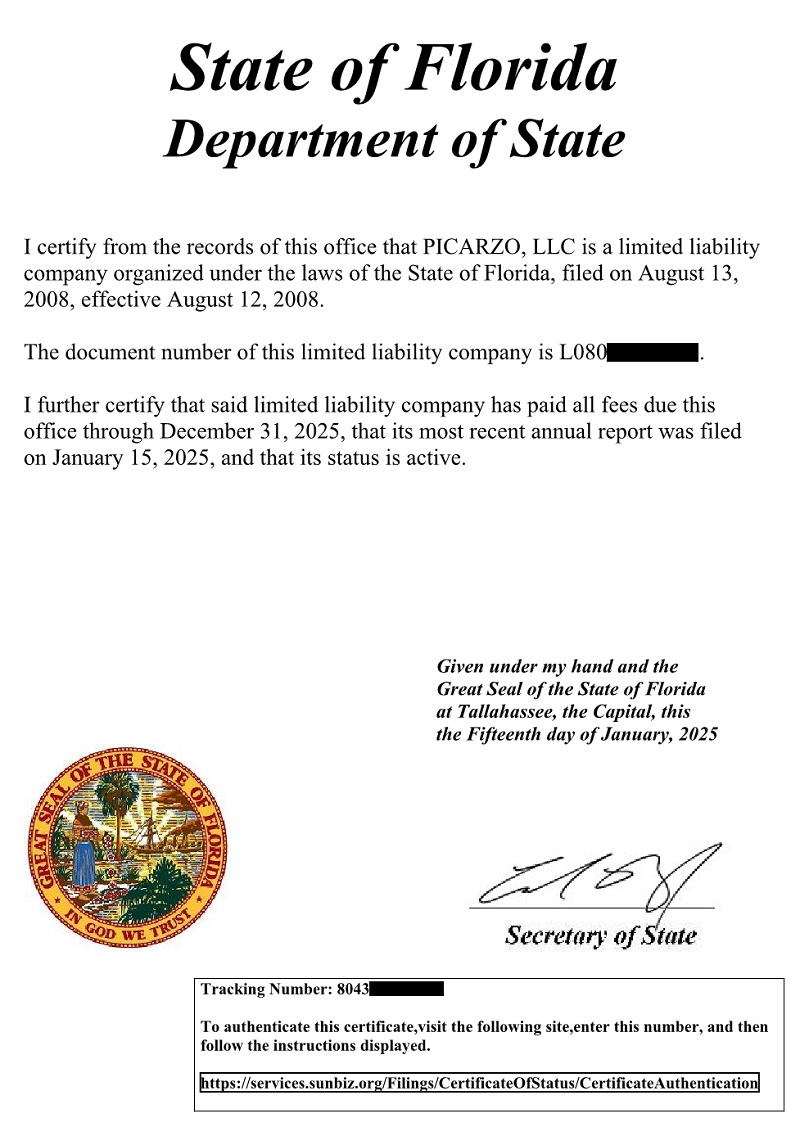
- Entity Registration: If forming an LLC, corporation, or partnership, you must register your entity with the Florida Department of State, Division of Corporations. This typically involves filing Articles of Organization (for LLCs) or Articles of Incorporation (for corporations).
- Obtain an Employer Identification Number (EIN): If you plan to hire employees, operate as a corporation or partnership, or file certain excise taxes, you’ll need an EIN from the Internal Revenue Service (IRS). Even Sole Proprietorships and LLCs without employees often opt for an EIN for banking and other business purposes.
Step 2: Federal and State Licenses/Permits
Beyond basic business registration, many industries, especially those related to travel and hospitality, require specific federal and state-level licenses.
- Federal Licenses: Certain activities, though less common for standard hospitality, might require federal licensing (e.g., operating a drone for aerial photography in a tour business, specific transportation services). Consult the U.S. Small Business Administration for guidance.
- State-Specific Professional and Industry Licenses: This is where the Florida Department of Business and Professional Regulation (DBPR) becomes your primary point of contact for many tourism-related businesses.
- Lodging Establishments: The DBPR’s Division of Hotels and Restaurants licenses hotels, motels, resorts, and vacation rentals (transient public lodging establishments). This involves inspections to ensure compliance with health and safety standards.
- Food Service: Restaurants, cafes, and any establishment serving food to the public are also licensed and inspected by the Division of Hotels and Restaurants.
- Alcoholic Beverages and Tobacco: If your hotel, restaurant, or event venue plans to sell alcohol, you’ll need a license from the DBPR’s Division of Alcoholic Beverages and Tobacco. This process can be complex, involving quota licenses or special restaurant licenses, and often requires local government approval.
- Professional Licenses: If your business offers services requiring professional certification (e.g., real estate agents managing vacation properties, massage therapists in a spa, architects for hotel renovations), ensure all professionals are individually licensed by the relevant DBPR board.
- Sales Tax Permit: All businesses selling goods or taxable services in Florida must register with the Florida Department of Revenue to collect and remit sales tax. This includes hotels, vacation rentals, and restaurants.
Step 3: Local Licenses and Permits (County & City)
Even with state licenses, you’re not done. Counties and cities in Florida have their own distinct requirements. This is a critical area where variations across jurisdictions (e.g., Miami-Dade County vs. Orange County vs. Collier County) become highly apparent.
- Local Business Tax Receipt (Occupational License): Almost every county and city in Florida requires businesses to obtain a Local Business Tax Receipt (formerly known as an occupational license). This is a general license for operating a business within that specific jurisdiction. The fees and application processes vary significantly.
- Zoning and Land Use Permits: Before signing a lease or purchasing property, verify that your chosen location is zoned for your specific business activity. For hotels, restaurants, or even home-based vacation rentals, zoning compliance is paramount. You may need to obtain a Certificate of Occupancy or specific land-use permits, especially if you’re renovating a space or changing its use.
- Building and Fire Safety Permits: Any new construction, renovation, or significant alteration to a commercial property will require building permits and inspections to ensure compliance with local building codes and fire safety regulations. Hotels and public lodging establishments face particularly stringent fire safety requirements.
- Health Permits: While the DBPR handles restaurant licensing, some specialized health services (e.g., mobile food vendors, certain spa services) might also require permits from the local Florida Department of Health office.
- Signage Permits: Even your business sign may require a permit from the city or county planning department.
Always contact the specific county clerk’s office and the city’s permitting or business tax division where your business will be located early in your planning process. Websites for Miami-Dade County, Orange County, Broward County, Hillsborough County, Palm Beach County, Lee County, and popular cities like St. Petersburg, Fort Lauderdale, and St. Augustine provide comprehensive online resources.
Key Considerations for Travel & Hospitality Businesses
The unique nature of the travel and hospitality industry in Florida necessitates attention to specific regulatory areas.
Navigating Vacation Rental Regulations
The rise of platforms like Airbnb and VRBO has made vacation rentals a popular business model. However, Florida has specific regulations that owners must understand.
- State Licensing: Any property rented out for periods of six months or less, whether a single room, an entire home, or an apartment, is generally classified as a “transient public lodging establishment” and must be licensed by the DBPR’s Division of Hotels and Restaurants. This state license ensures basic health, safety, and structural standards are met.
- Local Ordinances: This is where it gets complex. Many cities and counties have enacted their own ordinances restricting short-term rentals, often in residential areas. These can include:
- Zoning Restrictions: Some areas prohibit short-term rentals altogether, while others only allow them in specific commercial or mixed-use zones.
- Permit Requirements: Many jurisdictions require a separate local permit or registration, in addition to the state license, often with fees and additional safety inspections.
- Occupancy Limits: Restrictions on the number of guests allowed.
- Noise and Parking Rules: Specific regulations to minimize disruption to neighbors.
- Tourist Development Taxes: Local governments may require vacation rental operators to collect and remit Tourist Development Tax (TDT), also known as “bed tax” or “resort tax,” on top of state sales tax.
- Homeowners’ Association (HOA) Rules: If your property is part of an HOA or condominium association, check their bylaws, as many prohibit or severely restrict short-term rentals.
Failure to comply with these overlapping state and local rules can result in significant fines, cease and desist orders, and even legal action. Thorough research into the specific regulations of your chosen city and county (e.g., Key West, Orlando, or Panama City Beach) is absolutely essential.
Food Service & Accommodation Licensing Details
The Florida Department of Business and Professional Regulation (DBPR) is central to licensing establishments that provide food and lodging. The Division of Hotels and Restaurants oversees various types of operations, including:
- Public Lodging Establishments: This category encompasses hotels, motels, resorts, bed and breakfasts, and vacation rentals. Licensing involves demonstrating compliance with structural, sanitation, and safety standards outlined in Florida Statutes and administrative code. Regular inspections are part of maintaining compliance.
- Public Food Service Establishments: Restaurants, cafeterias, catering operations, and even temporary food service vendors at events fall under this division. Licenses require adherence to strict food safety guidelines, facility requirements, and hygiene practices. Inspections focus on food handling, storage, preparation, and general sanitation.
New establishments typically undergo a plan review process before construction or renovation to ensure the facility design meets all regulatory requirements. Understanding the specific classification for your business (e.g., a “restaurant” versus a “mobile food dispensing vehicle”) is crucial, as requirements and fees can differ.
Tourist Development Taxes and Beyond
Beyond standard sales tax, businesses in the accommodation sector in Florida must be acutely aware of Tourist Development Taxes (TDT).
- Tourist Development Tax (TDT): Also known as resort tax, bed tax, or transient rental tax, this is an additional tax levied by most Florida counties on the rental amount of accommodations rented for six months or less. The revenue generated funds tourism promotion and infrastructure. Rates vary by county, typically ranging from 2% to 6%. It’s collected by the operator (hotel, vacation rental owner) and remitted to the respective county’s tax collector or the Florida Department of Revenue if the county has an interlocal agreement.
- Sales Tax: The state of Florida imposes a 6% sales tax on the rental of transient accommodations. Many counties also have a discretionary sales surtax, which adds an additional percentage. Operators must register with the Florida Department of Revenue to collect and remit both state sales tax and, if applicable, the discretionary sales surtax.
Properly accounting for and remitting these taxes is a significant ongoing compliance requirement for any lodging business, from a large resort to a single Airbnb unit. Penalties for non-compliance can be substantial.
Maintaining Compliance and Growing Your Florida Business
Obtaining your initial licenses is just the beginning. Long-term success in Florida’s competitive travel and lifestyle market hinges on continuous compliance and leveraging available resources.
Ongoing Requirements and Renewals
Most business licenses and permits in Florida are not one-time applications. They require annual or biennial renewal.
- Renewal Deadlines: Mark your calendar for all renewal dates for state, county, and city licenses. Missing a deadline can result in late fees or even temporary suspension of your operating authority.
- Inspections: Hotels, restaurants, and certain other establishments will undergo regular, unannounced inspections by the DBPR to ensure ongoing compliance with health, safety, and structural standards. Maintaining your property and operations to a high standard is not just good business practice, it’s a legal requirement.
- Tax Filings: Consistent and accurate filing of sales tax, TDT, and other applicable taxes is non-negotiable.
Proactive management of these ongoing requirements will save you headaches and potential penalties down the line, ensuring your business runs smoothly and legally.
Resources and Support for Entrepreneurs
While the licensing process can appear intricate, you don’t have to navigate it alone. Florida offers numerous resources to support new and existing businesses:
- Small Business Development Center (SBDC): Florida has a robust network of SBDCs across the state, offering free or low-cost counseling, training, and resources on everything from business planning to marketing and regulatory compliance. They can often provide specific guidance on local licensing requirements.
- SCORE: This national non-profit organization, with chapters in Florida, provides free mentorship from experienced business professionals.
- Local Chambers of Commerce: Your local chamber of commerce is an invaluable resource for networking, local business information, and often has direct connections to city and county permitting offices.
- Government Websites: The official websites of the Florida Department of State, DBPR, Florida Department of Health, and county/city government portals contain a wealth of detailed information, application forms, and contact numbers.
- Legal and Accounting Professionals: For complex business structures, tax implications, or specific licensing challenges, consulting with a Florida-based business attorney and a Certified Public Accountant (CPA) is highly recommended.
Conclusion
Embarking on a business venture in Florida’s vibrant travel, hospitality, or lifestyle sector offers incredible potential for growth and success. From catering to the families visiting Orlando’s theme parks to providing luxurious stays for discerning travelers in South Florida or eco-adventures in Everglades National Park, the opportunities are abundant. However, securing the proper business licenses and permits is not merely a bureaucratic hurdle; it is the fundamental cornerstone of establishing a legitimate, compliant, and ultimately thriving enterprise.
By meticulously navigating the federal, state, county, and city requirements, paying close attention to industry-specific regulations, and leveraging the plentiful resources available to entrepreneurs, you can confidently obtain your business license in Florida. This diligent approach ensures you can focus on what you do best: creating unforgettable experiences, providing exceptional accommodations, and contributing to the dynamic and welcoming lifestyle that makes Florida truly shine. Start your journey with thorough research, meticulous planning, and a commitment to compliance, and your Florida business dream will be well on its way to reality.
LifeOutOfTheBox is a participant in the Amazon Services LLC Associates Program, an affiliate advertising program designed to provide a means for sites to earn advertising fees by advertising and linking to Amazon.com. Amazon, the Amazon logo, AmazonSupply, and the AmazonSupply logo are trademarks of Amazon.com, Inc. or its affiliates. As an Amazon Associate we earn affiliate commissions from qualifying purchases.