
Florida, often affectionately known as the Sunshine State, beckons millions of travelers each year with its pristine beaches, vibrant cities, and world-class attractions. From the magical theme parks of Orlando to the Art Deco splendor of Miami and the laid-back charm of Key West, there’s an adventure awaiting every kind of visitor. However, a successful and enjoyable trip to this diverse state hinges significantly on understanding its unique climate. The question, “How’s the weather in Florida?” is far more complex than a simple forecast; it delves into seasonal nuances, regional variations, and the specific considerations that can make or break your travel experience, accommodation choices, and daily activities.

For those planning a memorable journey, whether it’s a luxurious resort stay, a family-friendly adventure, a romantic getaway, or a business trip, comprehending Florida’s weather patterns is paramount. This guide will take you through the Sunshine State’s climate, offering insights into what to expect throughout the year, how different regions vary, and practical tips for making the most of your visit, regardless of the season.
Decoding Florida’s Diverse Climate: A Seasonal Breakdown
Florida’s climate is predominantly subtropical in its northern and central regions, transitioning to tropical in the southern parts, including the Florida Keys. This means it generally enjoys mild winters and hot, humid summers, but the details across its four seasons are what truly shape the travel experience. Understanding these seasonal shifts is crucial for planning your itinerary, selecting appropriate accommodations, and packing wisely.
Winter’s Mild Charms (December – February)
Winter in Florida is arguably its peak tourist season, and for good reason. While much of North America shivers, Florida offers a delightful escape.
- Temperatures: Average daily temperatures range from the low 60s Fahrenheit (15-18°C) in North Florida to the mid-70s Fahrenheit (21-24°C) in South Florida. Nights can be cool, especially inland and in northern areas, occasionally dipping into the 40s (4-9°C). Freezes are rare but possible in the northernmost parts.
- Humidity: Significantly lower than in summer, making the temperatures feel even more comfortable.
- Rainfall: This is the driest season, with clear, sunny days being the norm.
- Ideal for: Beach activities (though the ocean might be cool for swimming in North and Central Florida), golf, theme park visits, exploring cities like Miami and St. Augustine, and enjoying outdoor festivals. It’s an excellent time for luxury travel and family trips seeking a warm retreat. Accommodation options, from resorts to villas, are in high demand, so booking well in advance is advisable.
Spring’s Pleasant Transition (March – May)
Spring offers a beautiful transition, maintaining pleasant temperatures before the summer heat fully sets in.
- Temperatures: Gradually warm up, ranging from the high 60s (18-21°C) in March to the low 80s (27-29°C) by May across most of the state. South Florida will be warmer, pushing into the mid-80s (29-30°C).
- Humidity: Starts to increase towards the end of the season, but remains generally comfortable.
- Rainfall: Still relatively low, though afternoon showers become more frequent as May approaches.
- Ideal for: Spring break travelers, beach vacations on the Gulf Coast or Atlantic Coast, nature walks in places like Everglades National Park, and enjoying the vibrant flora. It’s a fantastic time for couples and adventurers before the peak summer crowds and heat.
Summer’s Tropical Embrace (June – September)
Summer in Florida is characterized by its tropical warmth and daily afternoon thunderstorms.
- Temperatures: Consistently hot, with daily averages in the high 80s to low 90s Fahrenheit (31-34°C). Overnight lows typically stay in the 70s (21-26°C).
- Humidity: High, often making the “feels like” temperature much warmer. This is a significant factor for comfort.
- Rainfall: This is the wettest season, dominated by daily, often intense but brief, afternoon thunderstorms. These usually clear quickly, leaving sunshine in their wake, but can disrupt outdoor plans.
- Ideal for: Water activities like swimming, snorkeling, and boating. Theme parks like Walt Disney World Resort and Universal Orlando Resort remain popular, but visitors should plan for early mornings, midday breaks (perhaps in a hotel suite or resort pool), and indoor attractions during the stormiest parts of the day. Budget travelers might find better deals on accommodations during this off-peak season (outside of holidays). This period also marks hurricane season.
Autumn’s Gentle Decline (October – November)
Autumn brings a welcome decrease in heat and humidity, making it another highly desirable time to visit.
- Temperatures: Gradually cool from the low 80s (27-29°C) in October to the low 70s (21-24°C) by November. Nights become pleasantly cool.
- Humidity: Drops considerably, especially in November, providing a refreshing change.
- Rainfall: Decreases significantly, offering more consistent sunshine.
- Ideal for: Outdoor activities, exploring historic sites like St. Augustine, enjoying cooler beach days, and attending various fall festivals. It’s a great time for business stays and those looking to explore local culture and food without the intense summer heat or winter crowds.
Regional Weather Variations: North to South
Florida is a large state, and its climate is not monolithic. There are distinct differences from its northern border down to the southernmost point of Key West. Understanding these regional nuances is essential for tailoring your travel plans.
North Florida & the Panhandle
Cities like Jacksonville, Tallahassee, and the Panhandle (including Pensacola and Destin) experience the most “four-season” weather in Florida.
- Winters: Cooler, with occasional freezes and more frequent cold fronts. While still milder than northern states, jackets are often necessary.
- Summers: Hot and humid, similar to central Florida, but with slightly less intense heatwaves compared to the deep south.
- Best Time to Visit: Spring and Fall offer the most comfortable temperatures for exploring historical landmarks, nature trails, and the beautiful beaches of the Emerald Coast.
Central Florida
Home to Orlando, Tampa, and St. Petersburg, this region represents the classic “Sunshine State” experience.
- Winters: Mild and pleasant, making it ideal for theme park visits and outdoor activities.
- Summers: Hot, humid, and dominated by daily afternoon thunderstorms. These are usually short-lived, clearing the air and making way for spectacular sunsets.
- Best Time to Visit: Late Fall through Spring (October to May) for theme parks, Busch Gardens Tampa Bay, and the stunning Clearwater Beach. Summer can still be enjoyable for families who don’t mind the heat and plan around the rain.

South Florida & the Florida Keys
Encompassing Miami, Fort Lauderdale, Naples, Sarasota, and the Florida Keys, this region boasts a truly tropical or near-tropical climate.
- Winters: Very warm and dry, often feeling like an endless summer for visitors from colder climates. Ocean temperatures remain comfortable for swimming year-round.
- Summers: Extremely hot and humid, with high chances of afternoon downpours. The humidity can be oppressive for those unaccustomed to it.
- Best Time to Visit: Winter and Spring (November to May) offer perfect conditions for beach relaxation, exploring South Beach, diving in the Keys, and enjoying the vibrant nightlife. Summer is still popular, especially for its crystal-clear waters, but requires tolerance for heat and strategic planning around the rain.
Preparing for Florida’s Weather: Practical Tips for Travelers
No matter when or where you decide to visit Florida, being prepared for its specific weather conditions will enhance your trip. From packing essentials to understanding hurricane season, a little foresight goes a long way.
Packing Essentials for Every Season
Your packing list will vary depending on the season, but some items are universally useful:
- Sun Protection: Sunscreen (high SPF!), hats, sunglasses are non-negotiable year-round. The Florida sun is strong, even on cloudy days.
- Lightweight Clothing: Breathable fabrics like cotton or linen are best for comfort in humidity. Even in winter, days can be warm enough for shorts.
- Rain Gear: A lightweight rain jacket or a compact umbrella is a must, especially from May to October. Don’t let a sudden shower catch you off guard at Walt Disney World Resort or on South Beach.
- Comfortable Footwear: You’ll be doing a lot of walking, whether at theme parks, exploring historic districts, or strolling along the beach. Waterproof sandals or walking shoes are ideal.
- Swimsuit: A swimsuit is essential for any Florida trip, year-round, whether for the ocean, a resort pool, or a water park.
- Layers: Particularly important for winter and shoulder seasons, as temperatures can fluctuate from cool mornings to warm afternoons.
Navigating Hurricane Season (June 1st – November 30th)
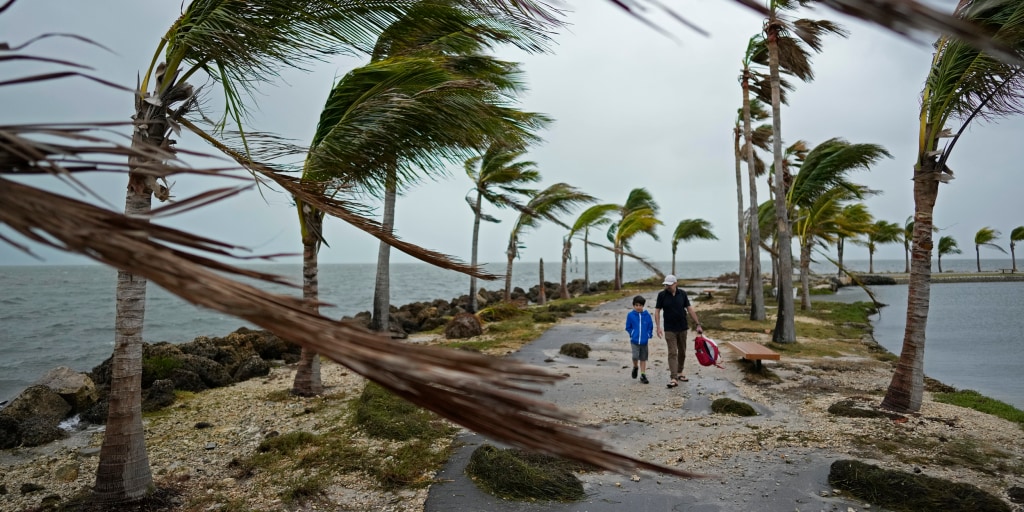
Hurricane season is a critical consideration for anyone planning a summer or fall trip to Florida. While direct hits are relatively rare, the possibility exists, and even distant storms can bring heavy rain, strong winds, and rough surf.
- Peak Season: Historically, the most active months are August, September, and October.
- Preparedness:
- Monitor Forecasts: Stay informed about tropical weather advisories from reliable sources like the National Hurricane Center. Many hotels and resorts will also keep guests updated.
- Travel Insurance: Consider purchasing comprehensive travel insurance that covers hurricane-related cancellations or interruptions. This is especially vital for expensive trips involving resorts or cruises.
- Flexibility: If possible, choose accommodations with flexible cancellation policies, particularly if traveling during the peak months.
- Alternative Plans: Have a backup plan or an idea of alternative indoor activities should a storm impact your outdoor plans. Many attractions, like the Kennedy Space Center Visitor Complex, offer significant indoor experiences.
Weather’s Influence on Travel & Lifestyle in Florida
The weather doesn’t just dictate what you pack; it profoundly influences the entire travel lifestyle in Florida, from your choice of accommodation to the activities you pursue and even the local culture.
Activities and Attractions: Adapting to the Climate
Florida’s diverse attractions are enjoyed differently depending on the season and daily forecast.
- Theme Parks: In summer, arrive early, take midday breaks in air-conditioned shops or restaurants, or return to your resort for a swim. Water rides become a blessing! In winter, enjoy pleasant queues and comfortable walking temperatures.
- Beaches: South Florida’s beaches are perfect year-round for swimming and sunbathing. In North Florida, winter beach days are for strolling and shelling, perhaps with a light sweater. Consider destinations like Sanibel Island for shelling, regardless of temperature.
- Outdoor Adventures: Everglades National Park is best explored in the cooler, drier months to avoid mosquitoes and intense heat. Hiking, biking, and kayaking are more comfortable in spring and fall.
- City Exploration: Strolling through Miami’s Art Deco Historic District or St. Augustine’s historic streets is far more enjoyable when humidity is lower.
Accommodation Choices and Amenities
Weather significantly impacts the kind of accommodation and amenities travelers seek.
- Resorts & Hotels: During hot, humid summers, a resort with multiple pools, indoor activities, and excellent air conditioning becomes a sanctuary. Many luxury resorts and family-friendly hotels offer extensive amenities like water parks, kids’ clubs, and spas, providing alternatives during inclement weather. Look for suites or apartments with balconies that offer shaded outdoor spaces.
- Villas & Vacation Rentals: For longer stays or family trips, a villa with its own private pool can be a game-changer, allowing for flexible water activities even during unexpected showers.
- Budget Travel: Summer, being the off-peak season (outside of major holidays), often sees lower prices for hotels and flights, making it an attractive option for budget travelers who don’t mind the heat.
- Business Stays: For business travelers, proximity to convention centers and reliable indoor connectivity (good Wi-Fi) becomes paramount, especially if travel coincides with less predictable weather.
Local Culture and Food
Florida’s climate also shapes its local culture and food scene. Outdoor dining is a staple, particularly in the cooler months. Many festivals, from music to seafood, are timed for late fall through spring. The abundance of fresh seafood and tropical fruits thrives in the warm climate, influencing local cuisine. Even the laid-back, “island time” vibe, especially prevalent in the Florida Keys, is a direct reflection of a climate that encourages relaxation and outdoor living.
Making the Most of Your Florida Experience
Regardless of the time of year, Florida offers an incredible array of experiences. By understanding its weather patterns, you can plan smarter and enjoy deeper.
- Flexibility is Key: Be prepared to adjust your plans. A sudden afternoon shower in summer might mean shifting from a beach day to exploring a museum or enjoying your hotel’s indoor amenities.
- Hydrate: Drink plenty of water, especially in the warmer months and when engaging in outdoor activities.
- Embrace the Sunshine (and the Rain): Don’t let a quick rain shower dampen your spirits. They are often part of Florida’s charm and can lead to beautiful post-storm skies.
- Leverage Off-Peak Seasons: If you’re willing to brave the heat or take a slight risk with hurricane season, you can find fantastic deals on flights and accommodations, experiencing popular destinations with fewer crowds.
In conclusion, “How’s the weather in Florida?” is a question best answered with a nuanced understanding of its dynamic climate. From the mild, sunny winters that attract snowbirds to the hot, humid, and rainy summers favored by families and water enthusiasts, each season offers a unique facet of the Sunshine State. By considering regional variations, preparing for potential weather events like hurricanes, and packing appropriately, you can ensure your Florida adventure, whether it’s a visit to Amelia Island, a trip to Dry Tortugas National Park, or a relaxing retreat in Naples, is as delightful and comfortable as possible. This vibrant state promises an unforgettable experience, and with a little weather wisdom, you’re all set to soak it all in.
LifeOutOfTheBox is a participant in the Amazon Services LLC Associates Program, an affiliate advertising program designed to provide a means for sites to earn advertising fees by advertising and linking to Amazon.com. Amazon, the Amazon logo, AmazonSupply, and the AmazonSupply logo are trademarks of Amazon.com, Inc. or its affiliates. As an Amazon Associate we earn affiliate commissions from qualifying purchases.