
When planning a trip to the Sunshine State, often famed for its pristine beaches, vibrant cities, and world-renowned theme parks, travelers typically focus on securing the best accommodation, mapping out exciting attractions, and indulging in local cuisine. From the magical allure of Walt Disney World Resort in Orlando to the bustling nightlife of Miami and the historical charm of Key West, Florida offers an unparalleled array of experiences. However, amidst all the excitement, a crucial aspect often overlooked by visitors pertains to the state’s laws regarding recording conversations. In an age where smartphones are ubiquitous and recording capabilities are at our fingertips, understanding whether Florida operates as a “one-party consent” state or an “all-party consent” state is not just a matter of legal compliance but also good practice for any responsible tourist.
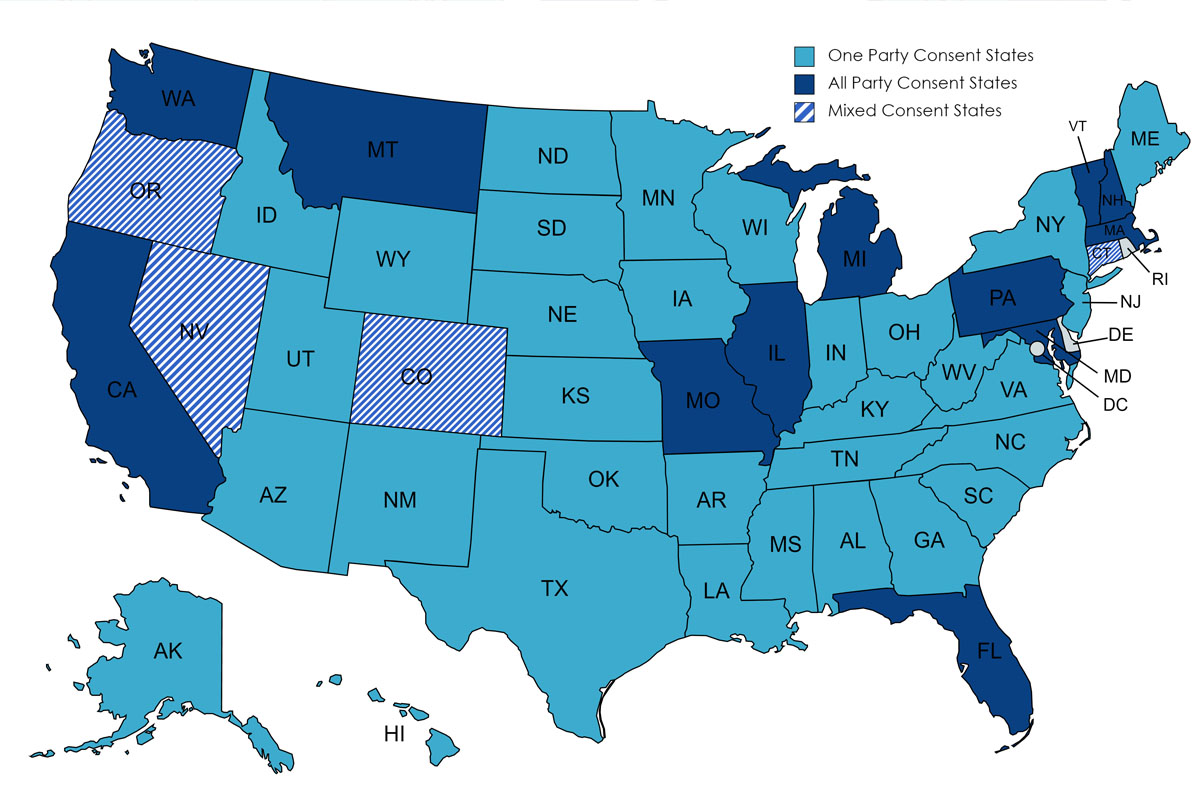
The simple and direct answer to the question “Is Florida a one-party consent state?” is no. Florida is unequivocally an “all-party consent” state, often referred to as a “two-party consent” state. This designation carries significant implications for anyone visiting or residing in the state, particularly concerning privacy and legal repercussions. For travelers, this means that, with very few exceptions, you cannot legally record a conversation without the explicit permission of all parties involved in that conversation. Failing to adhere to this law can lead to severe penalties, ranging from felony charges to substantial civil liabilities. This comprehensive guide will delve into what Florida’s consent laws entail, how they might impact your travels, and best practices to ensure a smooth and compliant visit to the Sunshine State.
Understanding Consent Laws: One-Party vs. All-Party
Before exploring the specifics of Florida’s legal framework, it’s essential to grasp the fundamental difference between one-party and all-party (or two-party) consent laws. This distinction forms the bedrock of privacy statutes across the United States and dictates how individuals can legally record conversations.
What is One-Party Consent?
In states that follow one-party consent laws, only one individual involved in a conversation needs to be aware of and consent to its recording. This means that if you are a participant in a conversation, you can legally record it without informing the other parties. You are the “one party” whose consent is sufficient. This approach is often justified by the idea that individuals should have the ability to protect themselves by documenting conversations, especially in situations where disputes might arise. Many states adopt this rule, making it relatively common across the United States.
What is All-Party (Two-Party) Consent?
Conversely, in all-party consent states, every single person participating in a conversation must give their explicit permission for it to be legally recorded. This rule is rooted in a stronger emphasis on individual privacy, ensuring that no one’s spoken words are captured without their knowledge or agreement. If even one party does not consent, the recording is illegal. Florida falls squarely into this category, requiring comprehensive consent from everyone present in a discussion, whether face-to-face or over the phone. This distinction is paramount for travelers, as assumptions based on laws in their home state or other parts of the country could lead to inadvertent legal issues in Florida.
Florida’s Stance: The Florida Security of Communications Act
Florida’s commitment to all-party consent is enshrined in its legal statutes, primarily under the Florida Security of Communications Act, specifically Florida Statute 934.03. This act makes it a criminal offense to intercept or record any “wire, oral, or electronic communication” without the prior consent of all parties to the communication. The law is comprehensive and stringent, designed to protect the privacy of conversations.
What Constitutes “Interception” or “Recording”?
The statute broadly defines “interception” to include the aural acquisition of the contents of any wire, oral, or electronic communication through the use of any electronic, mechanical, or other device. This encompasses recording devices on smartphones, dedicated voice recorders, and even certain surveillance equipment. The key focus here is on aural communication, meaning the spoken word. While video recording in public places without audio might fall under different legal interpretations (as there’s generally no expectation of visual privacy in public), coupling video with audio without consent is where the law becomes extremely relevant.
Penalties for Violation
The consequences of violating Florida’s wiretapping law are severe. Unlawfully recording a conversation without the consent of all parties is considered a felony offense. A conviction can result in:
- Criminal Charges: Potentially leading to imprisonment and significant fines.
- Civil Liability: Even if criminal charges are not pursued, individuals who have been illegally recorded can sue the recording party for damages. This can include actual damages, punitive damages, and attorney’s fees. Imagine the financial burden if a simple misunderstanding while interacting with hotel staff or a tour guide escalates into a civil lawsuit.
Given these serious ramifications, it is imperative for anyone visiting Florida to be fully aware of and comply with this law. Ignorance of the law is not considered a valid defense.
Implications for Travelers and Tourists
Understanding Florida’s all-party consent law is especially critical for travelers, as many common scenarios could inadvertently lead to a breach of this statute. From managing hotel bookings to navigating tourist attractions, the potential for recording conversations is ever-present.
Recording Conversations in Hotels and Private Settings
When you book accommodation in Florida, whether it’s a luxurious resort, a cozy bed and breakfast, or a short-term apartment rental in Miami Beach or Fort Lauderdale, you enter into a setting where there is a reasonable expectation of privacy. This applies to your interactions with front desk staff, concierge services, housekeeping, or even fellow guests in areas where privacy is expected.
- Customer Service Disputes: If you encounter an issue with your hotel room, amenities, or billing at a Hyatt Regency or Ritz-Carlton, you might be tempted to record a conversation with staff for documentation. However, doing so without their explicit consent would be illegal in Florida.
- Private Gatherings: Conversations within your private hotel suite, an Airbnb rental, or a private dining area of a restaurant are generally considered private. Recording such interactions without consent is a violation.

Public Spaces vs. Private Expectations
The line between public and private expectation of privacy is crucial. While Florida is an all-party consent state for audio recordings, the rules for video recording, especially in genuinely public places, are often different.
- Genuine Public Spaces: On a public street like Ocean Drive in Miami, at a bustling marketplace, or within a public park, there is generally no reasonable expectation of visual privacy. You can typically record video of people without their consent. However, if that video recording also captures audio of private conversations, you could be in violation of the law if all parties to the conversation have not consented.
- Theme Parks and Attractions: At popular landmarks and attractions like Universal Studios Florida, Busch Gardens Tampa Bay, or Epcot, you are free to film and photograph generally, but the same audio recording rules apply. If you’re having a conversation with a family member or a friend, and someone nearby records that conversation without your consent, they could be breaking the law. Theme parks often have their own specific rules regarding filming and photography, which visitors should also respect.
- Transportation: Whether you’re in a taxi, ride-share service, or public transit in Tampa or Jacksonville, conversations held within these vehicles are typically considered to have an expectation of privacy. Recording the driver or other passengers without consent could lead to legal trouble.
Dealing with Disputes
Travelers sometimes face disputes, whether it’s with a vendor, a service provider, or another individual. The natural inclination might be to record the conversation to protect oneself or gather evidence. However, in Florida, this protective measure could land you in legal hot water.
- Vendor Disputes: If you have an argument with a local shop owner, a rental car agency, or a restaurant manager, you must ask for their consent before recording the discussion.
- Police Interactions: While the right to record police officers performing their duties in public is a complex and evolving area of law in the United States, Florida’s all-party consent law generally applies to private conversations. Recording an officer’s direct interaction with you or others, where there’s an expectation of privacy, without their consent, could still be problematic. Always consult legal counsel regarding police interactions.
Best Practices for Visitors to Florida
Given the strict nature of Florida’s consent laws, adopting best practices is essential for a worry-free and legally compliant trip.
Always Ask First
The safest and most straightforward approach is to always seek explicit consent before recording any conversation in Florida. This applies to both in-person and telephonic communications.
- How to Ask: A simple “Do you mind if I record this conversation for my records?” is usually sufficient. If they say no, or hesitate, do not record.
- Documentation of Consent: If possible, it’s best to have their consent recorded at the beginning of the conversation itself. For example, “I’d like to record this conversation; is that okay with you?” and wait for an audible “yes.”
When in Doubt, Don’t Record
If you are unsure whether a situation involves a reasonable expectation of privacy, or if you cannot obtain clear consent from all parties, the safest course of action is to refrain from recording. It’s better to miss an opportunity to record than to face felony charges or civil lawsuits.
Focus on Visual Documentation (Without Audio)
In public settings, you are generally permitted to capture visual content. If your goal is to document an event or interaction for personal memory or potential future reference, focus on video recording without audio, or still photography. This helps you avoid the pitfalls of Florida’s wiretapping laws while still allowing you to capture moments.
Be Mindful of Technology
Modern devices make it incredibly easy to record, often with just a tap. Be aware of your device’s settings and capabilities to avoid accidental recordings. Even passive recording features, if activated, could create legal issues.
Understand it’s Not Legal Advice
This article provides general information for travelers based on widely understood interpretations of Florida’s laws. It is not, and should not be considered, legal advice. If you have specific concerns, are involved in a dispute, or require precise legal guidance, you should always consult with a qualified legal professional licensed to practice in Florida.

Conclusion
Florida is a vibrant and inviting destination, offering countless opportunities for memorable travel experiences. From exploring natural landmarks like the Everglades National Park to enjoying the luxury lifestyle of Palm Beach, there’s something for everyone. However, to ensure your trip remains enjoyable and free from legal complications, it is paramount to remember that Florida is an all-party consent state for recording conversations.
This means that whether you are interacting with hotel staff at a resort in Kissimmee, chatting with fellow tourists at Busch Gardens, or dealing with a vendor in St. Augustine, obtaining explicit consent from everyone involved before recording any audio is not just a recommendation but a legal requirement. By adhering to this principle, and by exercising caution and good judgment, you can fully immerse yourself in all that Florida has to offer, confident that you are navigating its unique legal landscape responsibly. Enjoy your journey through the Sunshine State, making memories that are not only unforgettable but also legally sound.
LifeOutOfTheBox is a participant in the Amazon Services LLC Associates Program, an affiliate advertising program designed to provide a means for sites to earn advertising fees by advertising and linking to Amazon.com. Amazon, the Amazon logo, AmazonSupply, and the AmazonSupply logo are trademarks of Amazon.com, Inc. or its affiliates. As an Amazon Associate we earn affiliate commissions from qualifying purchases.