
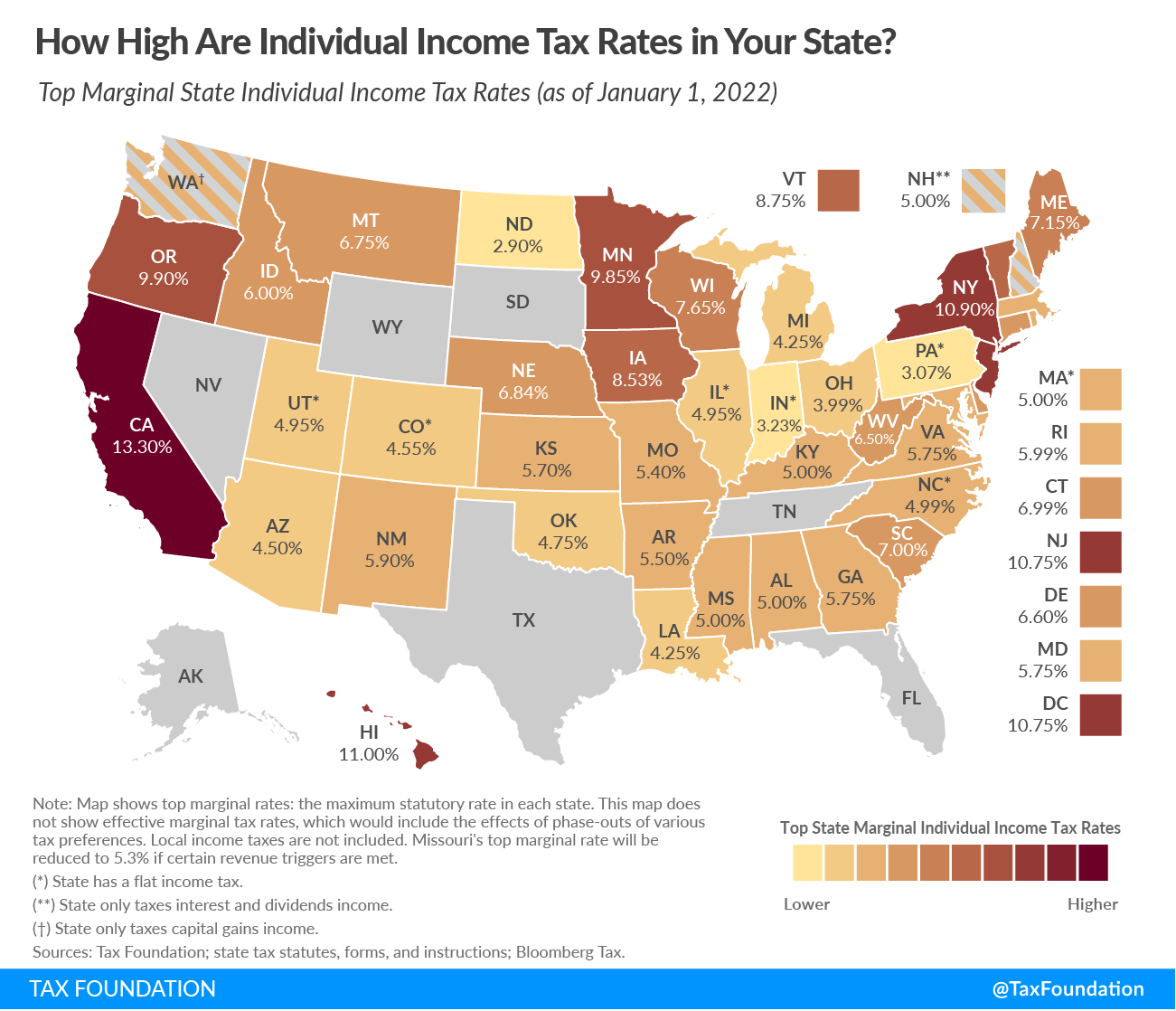
For anyone considering a move, a prolonged stay, or even just a visit to the Sunshine State, one of the most pressing questions often revolves around the cost of living and, more specifically, the tax implications. It’s a common misconception, or at least a frequently asked question, whether Florida levies a state income tax on its residents or those earning income within its borders. The straightforward answer, and one that makes Florida particularly attractive to many, is no, there is no state income tax in Florida.
This unique aspect of Florida’s tax structure plays a significant role in its appeal as a premier destination for retirees, remote workers, entrepreneurs, and anyone seeking a lifestyle change. While the absence of a state income tax is a major draw, it’s crucial to understand the full tax landscape of Florida to make informed decisions about travel, accommodation, and long-term residency. This article delves into the nuances of Florida’s tax system, exploring how it impacts various groups and what visitors and prospective residents need to know.
The Sunshine State’s Approach to Taxation: A Welcome Relief for Many
Florida’s reputation as a tax-friendly state is largely built upon the absence of a personal income tax. This policy decision has far-reaching implications, not just for individual finances but also for the state’s economy and its demographic composition. Understanding this fundamental aspect is key to appreciating why so many are drawn to its shores.
No State Income Tax: A Key Attraction for Residents and Businesses
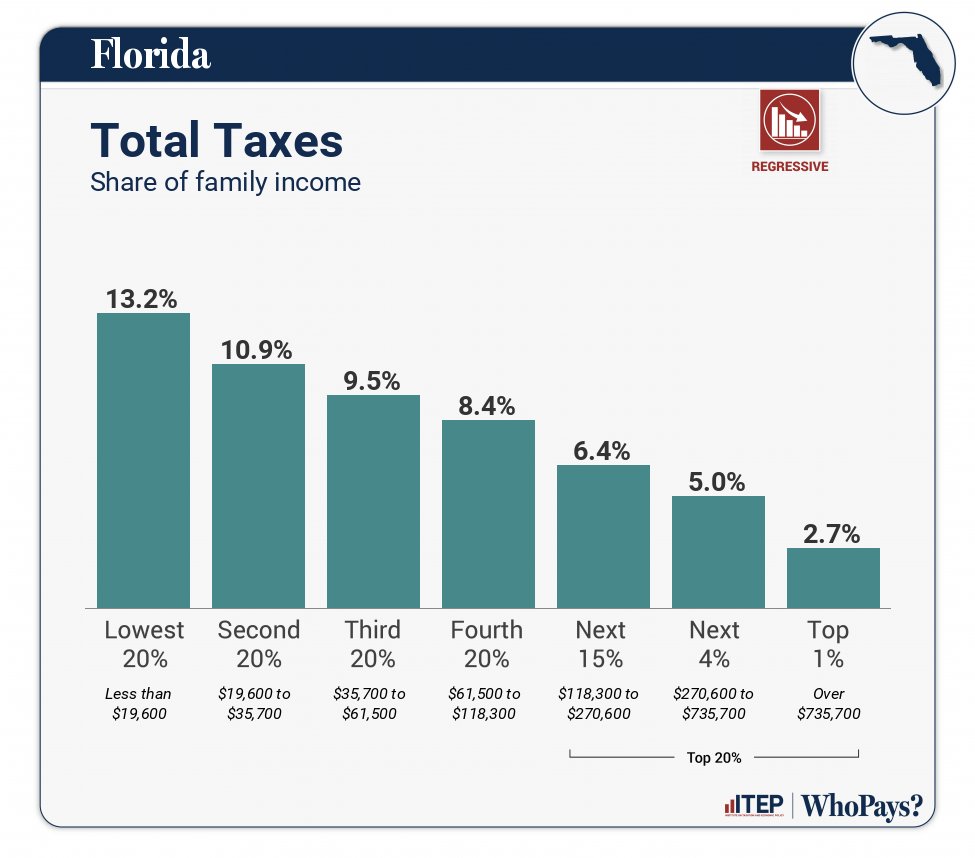
The fact that Florida does not impose a state income tax means that individuals residing in the state do not pay taxes on their wages, salaries, investment income, or retirement benefits to the state government. This is a significant advantage, especially when compared to states like New York or California, which have some of the highest state income tax rates in the United States. For high-income earners, retirees on fixed incomes, or digital nomads whose income isn’t tied to a physical location, this can translate into substantial annual savings.
This tax benefit extends beyond individuals. Businesses operating in Florida also benefit from a more favorable tax environment. While they are subject to a corporate income tax, the overall climate is designed to attract and retain businesses, fostering job growth and economic diversification. This leads to a vibrant job market and ample opportunities for entrepreneurs looking to establish new ventures, from innovative tech startups in Miami to tourism-focused businesses in Orlando.
The absence of state income tax is a cornerstone of Florida’s economic strategy, positioning it as a competitive player in attracting talent and capital. This philosophy underpins much of the state’s growth, contributing to its dynamic tourism sector and its expanding urban centers.
What About Other Taxes? Understanding Florida’s Fiscal Landscape
While the lack of a state income tax is a major headline, it doesn’t mean Florida is a tax-free haven. The state generates revenue through other means, primarily sales tax, property tax, and various excise taxes. Understanding these components is crucial for anyone planning to visit or reside in Florida.
Sales Tax: Florida has a statewide sales tax rate, which applies to most goods and services. This is a significant source of revenue, especially given the state’s massive tourism industry. Local jurisdictions (counties) can also add a discretionary sales surtax, meaning the total sales tax rate can vary slightly depending on where you are in the state. For example, a purchase in Miami-Dade County might have a slightly higher sales tax rate than one in another county. For visitors, this is the most common tax they will encounter, impacting everything from souvenirs to restaurant bills and hotel stays.
Property Tax: For homeowners, property taxes are a significant consideration. These taxes are assessed by local governments (counties, municipalities, and special districts) and are based on the assessed value of the property. While property values can be high in popular areas like South Beach or Palm Beach, Florida does offer a homestead exemption for primary residences, which can help reduce the taxable value of a home, providing some relief to residents. Understanding property tax rates and exemptions is vital for anyone considering purchasing real estate, whether it’s a vacation home in the Florida Keys or a permanent residence near Tampa.
Tourist Development Tax (TDT) / Resort Tax: Often overlooked by visitors, the Tourist Development Tax, also known as resort tax or bed tax, is an additional tax levied on short-term rentals, including hotels, vacation rentals, and timeshares. This tax is collected at the county level and varies by location, typically ranging from 2% to 6% on top of the regular sales tax. Funds from the TDT are generally earmarked for tourism-related expenditures, such as promoting local attractions, funding convention centers, or improving public beaches. This tax directly impacts the cost of accommodation and is a key component of funding Florida’s robust tourism infrastructure.
Other Taxes: Florida also has various excise taxes on specific goods and services, such as gasoline, cigarettes, and alcoholic beverages. There are also specific taxes for certain industries and professions. While these may not directly affect every individual, they contribute to the state’s overall revenue stream and fiscal health.
Florida as a Lifestyle Destination: More Than Just Beaches
Beyond the economic advantages, Florida’s tax structure profoundly shapes its appeal as a lifestyle destination. The savings from not paying state income tax often translate into more disposable income, which can be reinvested into enjoying the state’s myriad attractions, from pristine beaches to world-class theme parks, or simply enhancing one’s quality of life.
Appealing to Retirees and Snowbirds: Financial Advantages of Florida Living
Florida has long been a magnet for retirees, and the absence of state income tax is a primary driver. For individuals living on retirement income, such as pensions, 401(k) distributions, IRAs, and Social Security benefits, not having state income tax means a larger portion of their hard-earned savings goes directly into their pockets. This financial benefit, combined with the warm climate, abundant healthcare facilities, and a strong sense of community for seniors, makes Florida an ideal retirement haven. Areas like Naples, Sarasota, and many communities along the Gulf Coast are particularly popular among this demographic, offering a blend of relaxation, recreation, and financial peace of mind.
“Snowbirds” – individuals who spend their winters in Florida to escape colder climates elsewhere in the United States or Canada – also benefit significantly. While they may maintain residency in a state with income tax, spending a substantial portion of the year in Florida allows them to enjoy the state’s amenities without contributing to a state income tax burden on their earnings during that period, provided they carefully manage their residency status. Many acquire vacation homes or stay in long-term rentals in destinations like Fort Lauderdale or St. Augustine, becoming an integral part of Florida’s seasonal economy.
Remote Work and Digital Nomads: A Tax-Friendly Hub
In the era of remote work, Florida’s tax structure has become incredibly appealing to digital nomads and individuals who can work from anywhere. The ability to live in a beautiful, vibrant state without incurring state income tax on their earnings is a powerful incentive. This has led to a noticeable influx of remote workers, particularly to cities like Miami, Tampa, and Jacksonville, which offer not only a favorable tax environment but also robust infrastructure, co-working spaces, and a thriving social scene.
For those considering a shift to a remote work lifestyle, Florida presents an attractive proposition. It combines financial benefits with an enviable quality of life, offering everything from bustling city centers to tranquil coastal retreats. The state’s diverse accommodation options, from luxury apartments in Brickell to charming villas in Winter Park, cater to various preferences and budgets, making it easy for remote professionals to find their ideal base.
Navigating Florida’s Tourism Economy: Taxes for Visitors and Businesses
Florida’s tourism industry is a powerhouse, attracting millions of visitors annually to iconic destinations like Walt Disney World Resort, Universal Studios Florida, and the natural wonders of Everglades National Park. While visitors don’t pay state income tax, they do contribute significantly to the state’s economy through other taxes.
Sales Tax and Tourist Development Tax: What Visitors Should Know
As mentioned earlier, visitors will primarily encounter sales tax and the Tourist Development Tax (TDT). The sales tax applies to most purchases, including meals, merchandise, and admission to attractions. It’s important for travelers to factor this into their budget when planning their trip. For instance, a family visiting Orlando for a theme park adventure will see sales tax added to their tickets, souvenirs, and dining experiences.
The Tourist Development Tax is specifically relevant to accommodation. When booking a hotel, resort, vacation rental, or even a timeshare, visitors will find this additional percentage added to their bill. This tax is critical for counties to fund tourism marketing, maintain tourist infrastructure, and support cultural events that draw more visitors. Understanding that these taxes exist helps in budgeting for trips and prevents surprises when checking out of a Grand Hyatt Hotel or a charming boutique stay in Key West.
These taxes, while seemingly small individually, accumulate to provide significant funding for the upkeep and enhancement of Florida’s tourism assets, ensuring that attractions like the Kennedy Space Center or Busch Gardens Tampa Bay continue to offer world-class experiences.
Business Taxation: Opportunities for Entrepreneurs
For entrepreneurs and businesses looking to tap into Florida’s dynamic economy, the state offers a generally favorable tax climate. While there is a corporate income tax, the absence of a personal state income tax often translates into a better bottom line for small business owners who structure their businesses as pass-through entities (like sole proprietorships, partnerships, or S-corporations), where profits are taxed at the individual level.
Furthermore, Florida boasts a competitive regulatory environment and various incentives aimed at attracting specific industries, such as aviation, aerospace, life sciences, and manufacturing. The state’s large consumer base, strong tourism sector, and strategic location as a gateway to Latin America also present significant growth opportunities for businesses. From hospitality ventures in Panama City Beach to tech startups in Gainesville, the entrepreneurial landscape is rich with potential.
Maximizing Your Florida Experience: Planning and Financial Considerations
Understanding Florida’s tax structure is more than just a financial exercise; it’s a critical component of planning any move or extended stay in the state. By leveraging the tax advantages and being prepared for other costs, individuals and families can truly maximize their Florida experience.
Choosing Your Base: From Coastal Resorts to Urban Living
The absence of state income tax frees up financial resources that can be strategically allocated to other aspects of life in Florida. This could mean investing in a dream home in a desirable neighborhood, affording more frequent travel within the state (exploring the Atlantic Coast one month, the Gulf Coast the next), or indulging in Florida’s diverse cultural and recreational offerings.
The choice of where to live or stay in Florida is vast. From the bustling metropolitan areas like Miami and Orlando with their vibrant nightlife and extensive entertainment options, to the tranquil beaches of Anna Maria Island or the historic charm of St. Augustine, there’s a perfect spot for every lifestyle. The financial flexibility afforded by no state income tax allows for greater freedom in choosing an accommodation that truly fits one’s desires, whether it’s a luxury beachfront condo, a family-friendly resort, or a quiet suburban home.

Budgeting for Your Florida Adventure: Beyond the Income Tax Savings
While the allure of no state income tax is strong, it’s essential to create a comprehensive budget that considers all potential expenses. For residents, this includes property taxes, sales taxes on daily purchases, and the cost of living (which can vary significantly depending on the region). Utilities, insurance (especially homeowner’s insurance in coastal areas prone to hurricanes), and transportation costs are also key factors.
For visitors, budgeting should account for accommodation costs (including TDT), sales tax on purchases, transportation, attraction tickets, and dining. Researching specific county sales tax rates and TDT percentages for your chosen destination can help in planning an accurate budget. For example, a trip to the Florida Keys might involve different local tax rates and cost-of-living considerations than a stay in Tallahassee, the state capital.
In conclusion, the question “Is there a Florida income tax?” is unequivocally answered with a “no.” This fundamental aspect of the state’s fiscal policy is a major draw for a diverse population, from retirees seeking financial peace of mind to remote workers embracing flexibility and businesses looking for growth opportunities. However, a holistic understanding of Florida’s tax landscape, including sales tax, property tax, and the Tourist Development Tax, is essential for anyone looking to make the most of what the Sunshine State has to offer, whether for a short vacation or a lifetime. By planning wisely and factoring in all tax implications, individuals can truly enjoy the unique blend of economic advantage and unparalleled lifestyle that Florida provides.
LifeOutOfTheBox is a participant in the Amazon Services LLC Associates Program, an affiliate advertising program designed to provide a means for sites to earn advertising fees by advertising and linking to Amazon.com. Amazon, the Amazon logo, AmazonSupply, and the AmazonSupply logo are trademarks of Amazon.com, Inc. or its affiliates. As an Amazon Associate we earn affiliate commissions from qualifying purchases.