
As of this moment, the presence of a hurricane in Florida is a dynamic situation that requires real-time monitoring. While it’s impossible to give a definitive “yes” or “no” answer that remains accurate for more than a few hours, the good news for immediate travelers is that major hurricane threats are typically forecast well in advance. However, the question itself highlights a critical concern for anyone planning a trip to the Sunshine State, especially during specific times of the year. Florida is a premier destination for travel, offering everything from world-class attractions and pristine beaches to vibrant cultural experiences and luxurious accommodations. Understanding the potential for hurricanes and how to navigate related challenges is key to ensuring a safe, enjoyable, and stress-free vacation. This comprehensive guide will equip you with the knowledge needed to stay informed, prepare effectively, and make the most of your Florida adventure, regardless of the season.
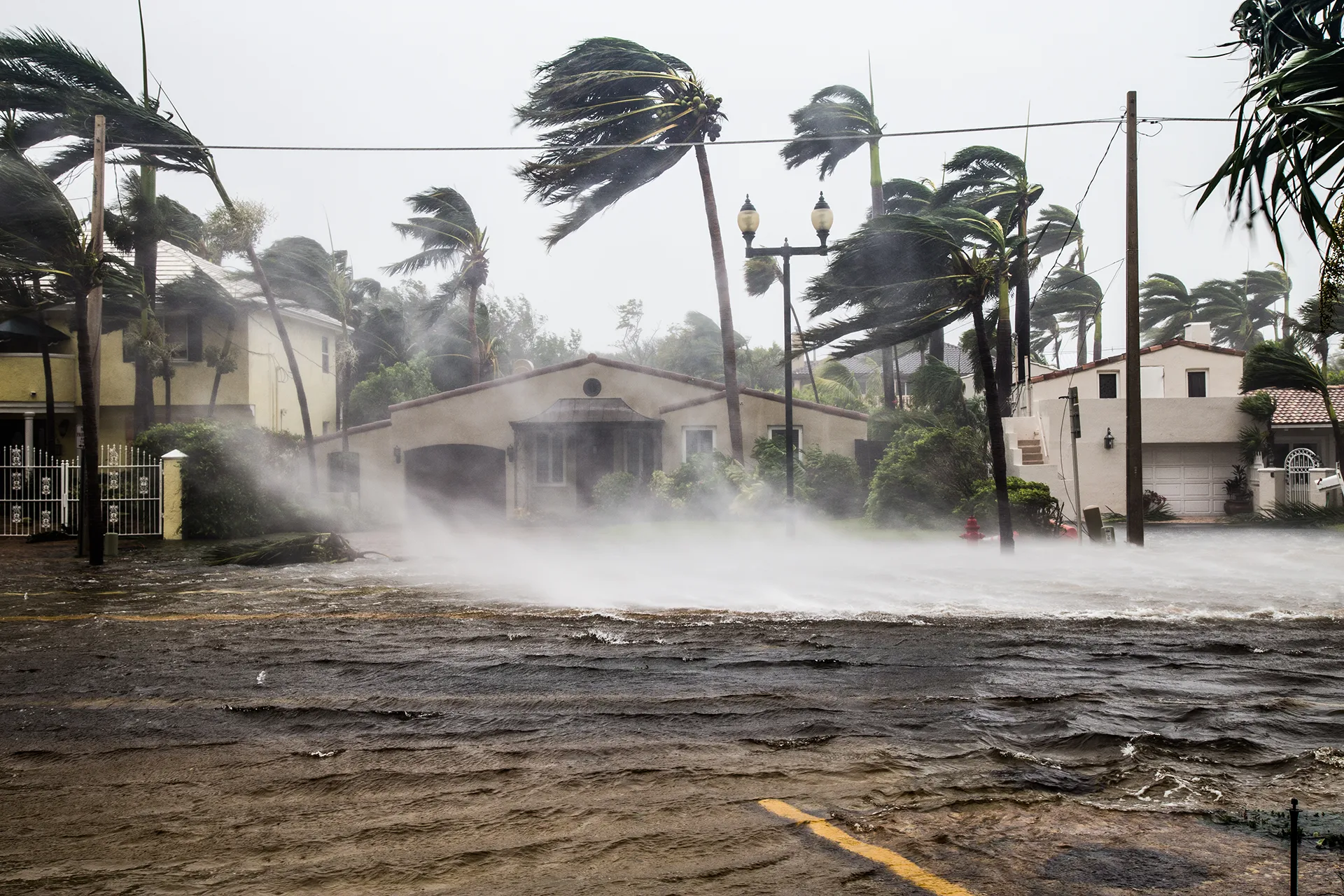
Navigating Florida’s Hurricane Season: What Travelers Need to Know
Florida’s tropical climate, a major draw for tourists seeking sun-drenched escapes, also places it within the path of potential hurricanes. While the state experiences millions of visitors annually without incident, being aware of hurricane season is a crucial aspect of responsible travel planning.
Understanding the Annual Cycle: Peak Times and Risks
The official Atlantic Hurricane Season runs from June 1st to November 30th each year. Within this six-month window, there are distinct periods when the likelihood of storm formation and intensity tends to increase. Historically, the peak of the season occurs between mid-August and late October, with September often being the most active month. During these times, warm ocean waters provide the energy for tropical disturbances to develop into tropical depressions, tropical storms, and potentially powerful hurricanes.
It’s important to differentiate between tropical storms, which bring heavy rain and strong winds, and hurricanes, which are more intense, categorized by wind speeds on the Saffir-Simpson Hurricane Wind Scale. Even a tropical storm can cause significant disruption, including flooding, power outages, and travel delays. While early and late season storms can occur, they are generally less frequent and often less intense than those during the peak. Understanding this annual cycle allows travelers to make informed decisions about when to visit and what precautions to take.
Geographic Vulnerability: Coastal vs. Inland
Florida’s unique geography, a peninsula surrounded by the Atlantic Ocean to the east and the Gulf of Mexico to the west, means that all parts of the state are susceptible to hurricane impacts to varying degrees. Coastal areas, naturally, bear the brunt of storm surges, high winds, and heavy rainfall. Cities like Miami, Fort Lauderdale, Palm Beach on the Atlantic Coast, and Tampa, Sarasota, and Key West along the Gulf Coast are most directly exposed to the immediate effects of a landfalling hurricane. Attractions such as the Kennedy Space Center Visitor Complex are also in coastal zones.
Inland destinations, particularly Central Florida cities like Orlando, home to world-renowned theme parks like Walt Disney World Resort and Universal Orlando Resort, are generally safer from storm surge but are still vulnerable to heavy rainfall, strong winds, and potential tornadoes spawned by hurricanes. The robust infrastructure of these major tourist hubs, including their hotels, resorts, and attractions, is built to withstand significant weather events, and they often have well-practiced emergency procedures in place. However, disruptions like park closures, flight cancellations, and road flooding can still occur. When considering a trip, it’s wise to assess the specific geographic location of your chosen destination and understand its particular risks and emergency protocols.
Real-Time Information: Your Essential Toolkit for Staying Safe
In the face of a potential hurricane threat, access to accurate, up-to-the-minute information is paramount. For travelers, this means knowing where to find reliable weather updates and official advisories to make informed decisions about their safety and travel plans.
Official Sources for Weather Alerts and Advisories
The most authoritative source for hurricane information in the United States is the National Hurricane Center (NHC), a division of the National Oceanic and Atmospheric Administration (NOAA). The NHC continuously monitors tropical weather systems and issues advisories, watches, and warnings.
- Tropical Storm Watch/Warning: Tropical storm conditions are possible/expected within 48/36 hours.
- Hurricane Watch/Warning: Hurricane conditions are possible/expected within 48/36 hours.
These alerts are crucial for understanding the potential impact and timing of a storm. Additionally, the Florida Division of Emergency Management provides state-specific guidance, evacuation orders, and shelter information through its website and various communication channels. Local county emergency management agencies also offer hyper-local updates, which are invaluable for those already in Florida. Many hotels and resorts, particularly those belonging to large chains like Marriott International, Hilton Worldwide, and Hyatt Hotels Corporation, have their own robust communication plans, often directly advising guests via email, in-room TVs, or emergency texts.
Keeping Tabs on Local Conditions
Beyond official hurricane advisories, staying informed about local conditions is equally important. Local news channels (TV and radio), their corresponding websites, and social media feeds often provide detailed reports on specific neighborhood impacts, road closures, power outages, and the status of local attractions. Many airports, such as Miami International Airport or Orlando International Airport, also provide real-time updates on flight cancellations and delays via their websites and apps.
For road travel, the Florida Department of Transportation (FDOT) offers traffic alerts and road closure information, which is critical if evacuation routes are activated. Investing in a weather app with real-time radar and push notifications can also be a proactive step. While it’s tempting to rely on unofficial social media, always cross-reference information with official sources to avoid misinformation during a stressful period.
Proactive Planning: Safeguarding Your Florida Travel Experience
The best defense against hurricane-related travel woes is a solid offensive plan. By taking proactive steps before and during your trip, you can significantly mitigate risks and minimize disruptions, ensuring your Florida vacation remains enjoyable.
The Indispensable Role of Travel Insurance
For any trip during hurricane season, travel insurance is not just an option; it’s a necessity. A comprehensive travel insurance policy can protect your financial investment in case a hurricane impacts your plans. This typically includes coverage for:
- Trip Cancellation: If you have to cancel your trip because of a hurricane warning at your destination.
- Trip Interruption: If a storm forces you to cut your trip short.
- Travel Delay: Costs incurred due to flight delays or cancellations.
- Emergency Medical Care: If you require medical attention during the trip.
- Baggage Loss/Delay: Though less directly related to hurricanes, often included.
When purchasing, always read the fine print regarding “Acts of God” and natural disasters. Some policies, especially “Cancel For Any Reason” (CFAR) policies offered by providers like Travel Guard or Allianz Travel Insurance, offer the most flexibility but come at a higher cost. It’s crucial to purchase insurance before a storm is named or becomes a significant threat, as most policies exclude events that are already “foreseeable.”
Flexible Bookings and Accommodation Policies

When booking flights, hotels, and other accommodations, consider providers with flexible cancellation and rebooking policies. Many airlines, especially during hurricane season, waive change fees if a hurricane is projected to impact your destination. Similarly, hotels often have “hurricane clauses” in their booking terms, allowing guests to cancel or reschedule without penalty during an official weather warning.
Look for hotels that offer free cancellation up to 24 or 48 hours before arrival. Consider booking directly with hotels or airlines, as third-party booking sites can sometimes complicate the modification or cancellation process. Review the terms carefully, and don’t hesitate to call the hotel or airline directly to confirm their specific hurricane policies. This flexibility provides peace of mind and financial security should your plans need to change suddenly.
Alternative Destinations and Resilient Travel
If you are particularly concerned about hurricane season, consider adjusting your travel dates to outside the peak months (e.g., May or November). Alternatively, if travel during the peak season is unavoidable, focus on destinations with inherently lower risk or robust infrastructure. While no part of Florida is immune, inland areas like Orlando tend to be more resilient to the immediate coastal impacts.
Another strategy is to have an alternative destination in mind, perhaps a neighboring state like Georgia, Alabama, or South Carolina, or even a non-coastal region of Florida itself, should your primary plan be disrupted. Embracing “resilient travel” means having backup plans for transportation, accommodation, and activities. This could involve booking flights with multiple options, having a rental car reservation as a contingency, or researching alternative attractions that might be less impacted by certain weather events.
What to Do When a Storm Approaches: Preparedness on the Ground
If you find yourself in Florida and a hurricane threat emerges, immediate action and adherence to official guidance are critical. Preparedness involves not only staying informed but also knowing what practical steps to take.
Emergency Kits and Essential Supplies
While hotels and resorts typically have emergency plans, travelers should still prepare a personal “go-bag” or emergency kit. This doesn’t need to be extensive but should include essentials:
- Important Documents: IDs, passports, insurance policies, booking confirmations, and emergency contact numbers (store digitally and physically in a waterproof bag).
- Medications: Any prescription drugs, plus basic first-aid supplies.
- Cash: ATMs and credit card machines may not function during power outages.
- Chargers and Power Banks: For mobile phones and other devices.
- Basic Toiletries: Travel-sized items.
- Snacks and Water: A small supply for a day or two, especially if you anticipate being confined to your room.
- Comfort Items: A book, small games, or other distractions, especially for families traveling with children.
Many hotels will advise guests to stock up on water and non-perishable snacks if a storm is approaching. Pay attention to their specific instructions.
Evacuation Plans and Shelter Information
If an evacuation order is issued for your area, take it seriously and follow directions immediately. Evacuation orders are not issued lightly and are designed to protect lives. Your hotel will typically provide guidance on designated evacuation routes and potentially offer transport or assistance to official shelters.
Before a storm arrives, familiarize yourself with your hotel’s emergency plan and assembly points. Know the location of the nearest designated public shelter, though these are typically a last resort. If you plan to drive out of the affected area, ensure your vehicle has a full tank of gas and review evacuation maps beforehand, as major roadways can become heavily congested. Always prioritize safety over staying put to protect property or extend a vacation.
Communication Strategies
During a hurricane, power outages and cell tower damage can disrupt communication. Here’s how to maintain contact:
- Inform Loved Ones: Let family and friends know your plans and where you intend to shelter or evacuate.
- Text over Call: Text messages often go through when calls cannot, as they use less bandwidth.
- Conserve Battery: Limit phone usage, dim your screen, and turn off unnecessary apps.
- Emergency Contact List: Keep a written list of important phone numbers in case your phone dies.
- Hotel Communication: Stay tuned to hotel announcements via staff, in-room TVs, or designated emergency channels.
Having a well-charged external power bank is an absolute must for keeping your phone active for as long as possible.
Beyond the Storm: Post-Hurricane Travel and Supporting Recovery
While the immediate threat of a hurricane passes, its aftermath can still affect travel plans. Understanding what to expect post-storm and how to be a responsible tourist during recovery efforts is essential.
Assessing Impact and Reopening Timelines
Following a hurricane, infrastructure can be damaged, leading to power outages, flooded roads, and closures of attractions. Major airports may close for several days. It takes time for communities to assess the damage, restore utilities, and clean up.
- Transportation: Expect delays and cancellations for flights, trains, and buses. Roads, especially those near coastal areas or flood-prone regions, may be impassable. Check airline and airport websites for status updates.
- Accommodation: Hotels and resorts might need time for repairs, cleaning, and power restoration. Some may remain closed for extended periods. Contact your hotel directly for their operational status.
- Attractions and Landmarks: Theme parks, museums, and natural landmarks like Everglades National Park or beaches will often close for safety inspections and clean-up. Reopening timelines vary based on the extent of the damage. For historic cities like St. Augustine, cultural sites might need special attention.
It’s crucial to be patient and flexible. Information on reopenings and conditions will be disseminated through official channels (emergency management, tourism boards) and local news. Do not attempt to travel into heavily damaged areas until they are declared safe and open for visitors.

Responsible Tourism in Recovery Phases
If you’re considering a trip to Florida in the weeks or months following a significant hurricane, your visit can actually play a vital role in supporting the recovery of local economies. However, it’s important to be a responsible and sensitive tourist.
- Respect Local Needs: Understand that local residents are focused on rebuilding their lives. Avoid being a burden on scarce resources or emergency services.
- Support Local Businesses: When you do visit, patronize local restaurants, shops, and tour operators. Your tourism dollars directly contribute to the recovery.
- Be Patient and Understanding: Services might be slower, and some amenities may still be unavailable. Embrace a spirit of understanding and gratitude.
- Volunteer (If Appropriate): If you feel compelled to help, seek out reputable disaster relief organizations like the American Red Cross or the Federal Emergency Management Agency (FEMA) for official guidance on how to volunteer or donate effectively. Do not self-deploy.
- Adjust Expectations: Recognize that the landscape or attractions might look different than before the storm. Focus on the positive aspects of your trip and the resilience of the community.
In conclusion, while the question “Is there a hurricane in Florida right now?” often seeks an immediate answer, the broader context of hurricane preparedness is far more critical for travelers. By staying informed through official sources, investing in travel insurance, making flexible bookings, and understanding what to do if a storm approaches, you can confidently plan your visit to Florida. The state’s vibrant tourism industry and its resilient communities are well-versed in navigating these natural phenomena, ensuring that Florida remains an unparalleled destination year-round for those who travel wisely.
LifeOutOfTheBox is a participant in the Amazon Services LLC Associates Program, an affiliate advertising program designed to provide a means for sites to earn advertising fees by advertising and linking to Amazon.com. Amazon, the Amazon logo, AmazonSupply, and the AmazonSupply logo are trademarks of Amazon.com, Inc. or its affiliates. As an Amazon Associate we earn affiliate commissions from qualifying purchases.