
Florida, known as the Sunshine State, is a perennial favorite for travelers seeking warm weather, stunning beaches, and world-class attractions. From the magical theme parks of Orlando to the vibrant nightlife of Miami and the serene beauty of the Florida Keys, it offers an unparalleled diversity of experiences. However, like any major travel destination, it’s also important for visitors to be aware of local weather phenomena, including the potential for tornadoes. The question, “Is there a tornado in Florida right now?” often arises, especially during certain times of the year, highlighting a common concern for those planning or currently enjoying their Florida vacation.
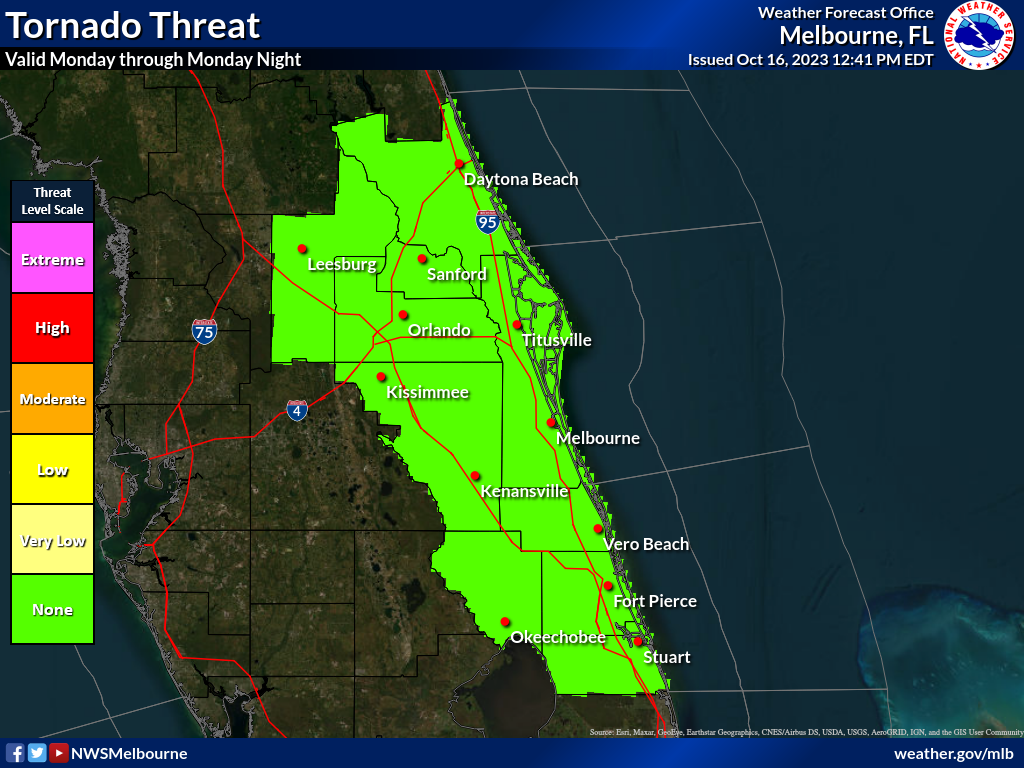
Understanding the likelihood and nature of tornadoes in Florida is crucial for safe and enjoyable travel. While spectacular thunderstorms are a frequent occurrence, actual tornadoes are less common and often localized. This article aims to provide a comprehensive guide for travelers, addressing immediate concerns, outlining essential safety measures, and reinforcing why Florida remains a premier destination despite its dynamic weather. We’ll delve into Florida’s unique meteorological patterns, explain how to stay informed and safe, and offer practical advice for navigating your trip with confidence, ensuring that your focus remains on creating unforgettable memories.
Understanding Tornadoes in Florida
Florida’s geographical position, nestled between the Atlantic Ocean and the Gulf of Mexico, makes its weather patterns distinct and often dramatic. While hurricanes and tropical storms frequently dominate headlines, tornadoes are also a part of the state’s climate, though they differ significantly in their characteristics and impact compared to those in the “Tornado Alley” of the Midwest United States. For any visitor, whether planning a family trip to a theme park or a relaxing resort stay, comprehending these weather nuances is key to a smooth and worry-free journey.
Florida’s Weather Patterns and Tornado Season
Florida experiences its tornado activity in two main periods. The first, and often most significant, occurs during the spring months, from February to May, peaking in March. During this time, cold fronts moving across the southeastern United States interact with the warm, moist air over Florida, creating unstable atmospheric conditions ripe for severe thunderstorms that can spawn tornadoes. These tornadoes are typically stronger and can track for longer distances, similar to their Midwestern counterparts, though less frequent.
The second period of tornado activity is associated with the hurricane season, from June to November. When tropical storms or hurricanes approach or make landfall, their outer bands often produce localized supercells that can generate tornadoes. These tornadoes, often referred to as “tropical tornadoes,” are usually weaker and short-lived, but they can still cause significant damage in their immediate path. Additionally, Florida’s unique sea breeze convergence, where opposing breezes from the Gulf and Atlantic coasts collide inland, can trigger powerful thunderstorms capable of producing less common “landspout” tornadoes, particularly in central Florida during the summer months.
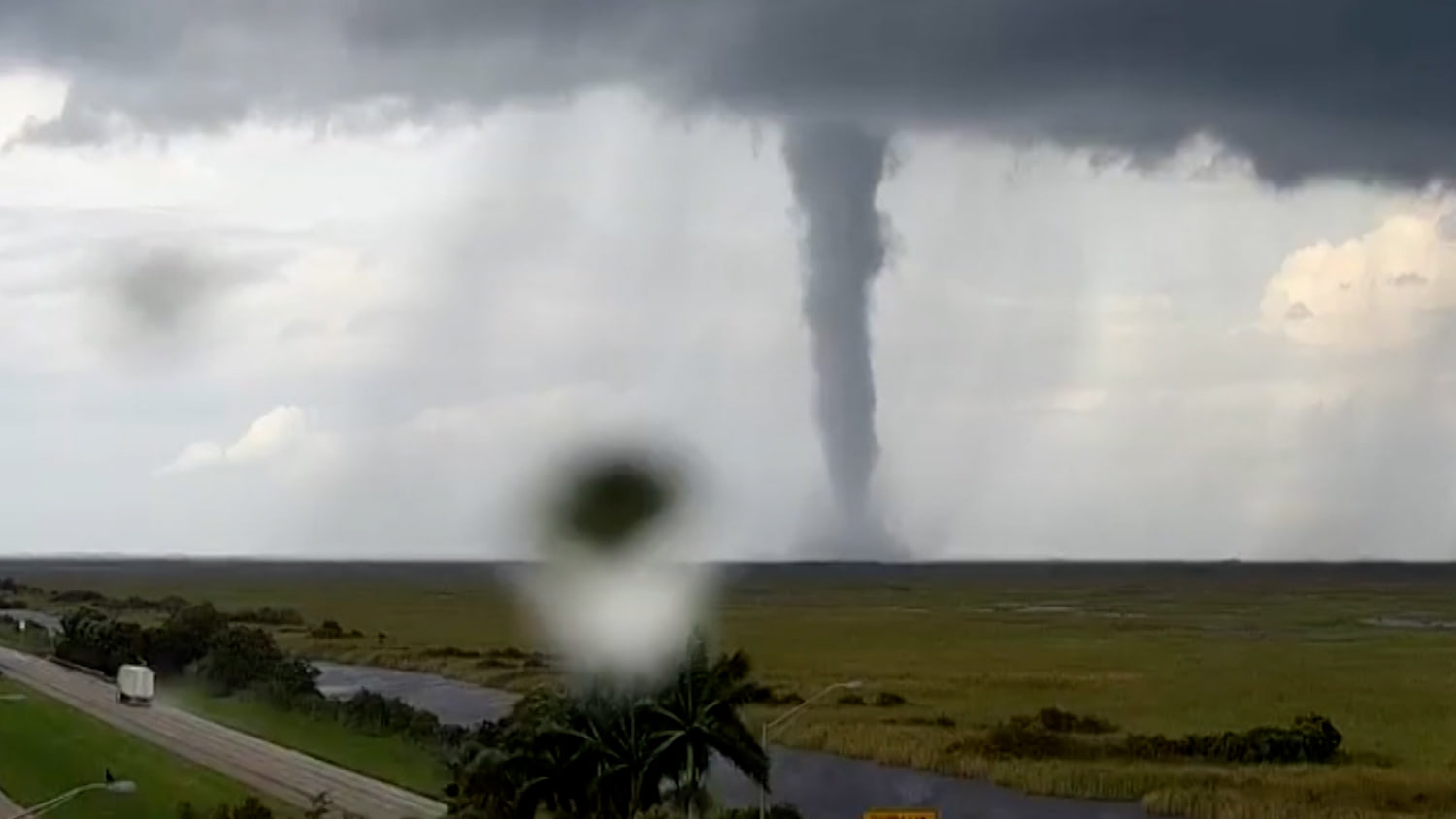
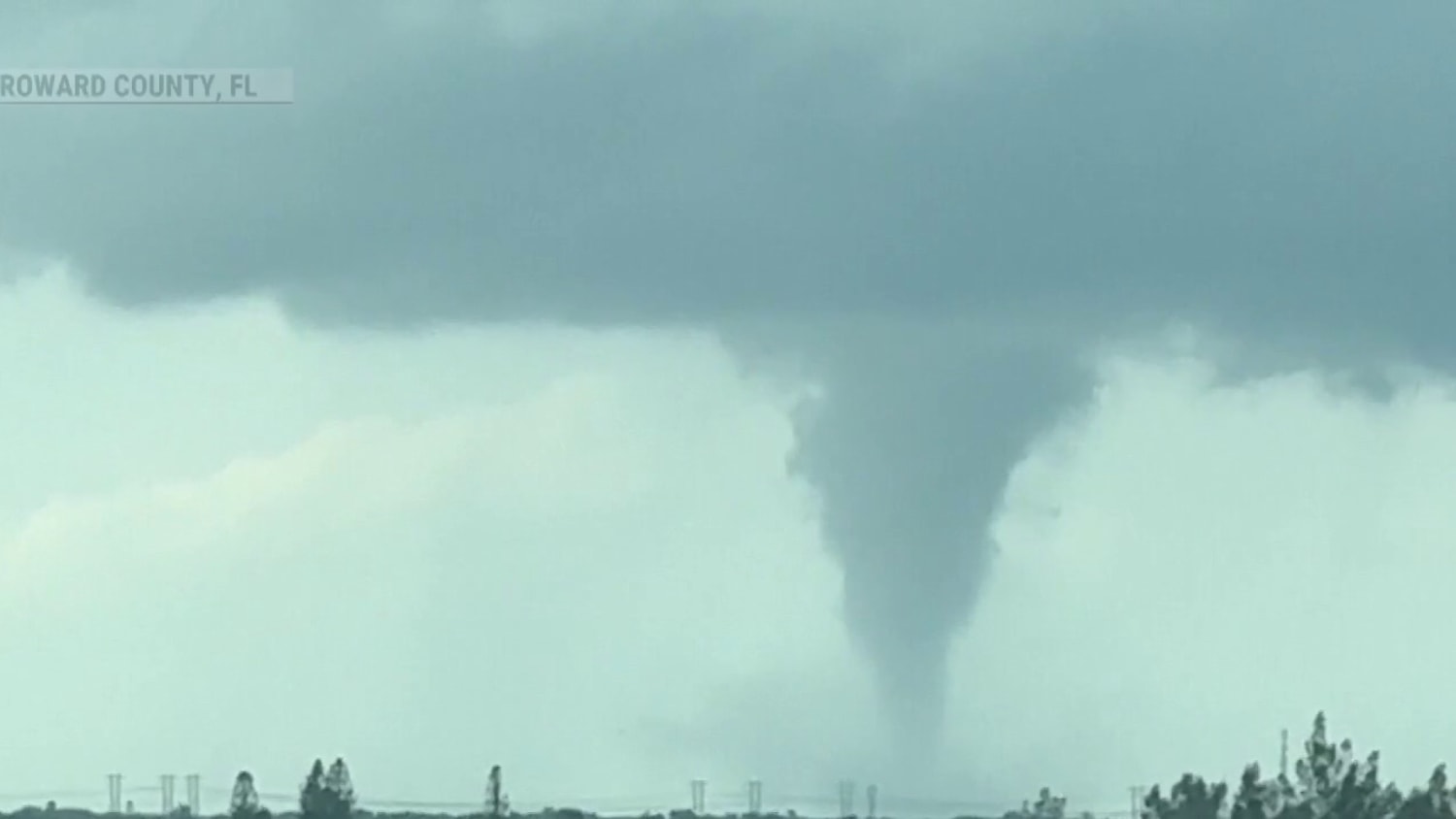
The state also frequently sees waterspouts, which are tornadoes that form over water. While many waterspouts dissipate before reaching land, some can move onshore, becoming tornadoes and posing a risk to coastal areas. Being aware of these distinct weather patterns helps travelers understand when and where the risk might be higher.
Distinguishing Between Tornado Watches and Warnings
For visitors, understanding the difference between a tornado watch and a tornado warning is paramount for personal safety. Official alerts are issued by the National Weather Service (NWS) and are disseminated through various channels, including local news, weather apps, and emergency broadcast systems.
A Tornado Watch means that conditions are favorable for tornadoes to develop in and near the watch area. This is a time for preparedness and increased vigilance. If you are under a tornado watch, it’s advisable to:
- Stay informed by monitoring local weather updates.
- Identify a safe shelter location, whether at your hotel, rental accommodation, or campsite.
- Have a communication plan in place with your travel companions.
- Avoid non-essential outdoor activities or travel.
A Tornado Warning means a tornado has been sighted or indicated by weather radar, posing an imminent threat to life and property in the warned area. This is when immediate action is required. If a tornado warning is issued for your location:
- Seek immediate shelter: Go to the lowest level of a sturdy building, preferably an interior room or a designated shelter area. Avoid windows.
- If outdoors: Seek shelter in the nearest sturdy building. If no shelter is available, lie in a ditch or other low-lying area and cover your head. Do not stay in a vehicle or mobile home.
- At a theme park or attraction: Follow instructions from staff, who are trained to guide guests to safe areas. Major attractions like Walt Disney World Resort and Universal Orlando Resort have extensive emergency protocols.
- Stay informed: Continue monitoring official weather alerts until the warning is lifted.
By understanding these distinctions and knowing how to react, travelers can significantly enhance their safety during their Florida visit.
Staying Safe While Traveling in Florida
Travel safety in Florida extends beyond just knowing about potential weather threats; it encompasses proactive planning and informed decision-making throughout your trip. Given the state’s popularity for everything from luxury travel to budget travel, and hosting millions of visitors annually, comprehensive safety guidelines are vital for all types of travelers. Whether you’re staying at a five-star resort, a cozy apartment, or exploring natural landmarks, being prepared will allow you to focus on the enjoyment of your Florida experience.
Pre-Trip Preparation and Awareness
The foundation of a safe trip begins long before you pack your bags. For any visit to Florida, particularly during the active weather seasons, pre-trip preparation is essential:
- Monitor Weather Forecasts: Begin checking the long-range forecast for your destination several weeks before your departure. Closer to your travel date, consult the NWS and reputable weather apps daily for detailed local forecasts. This can help you anticipate severe weather and make informed decisions about your itinerary.
- Travel Insurance: Consider purchasing travel insurance that covers weather-related disruptions. Policies can often provide compensation for cancelled flights, non-refundable accommodation bookings, or expenses incurred due to unexpected delays. This is especially relevant for those planning longer stays or higher-end experiences, where the financial stakes are greater.
- Emergency Contact Information: Compile a list of important contacts, including family members, your hotel or accommodation provider, and local emergency services. Share your itinerary with a trusted person not traveling with you.
- Communication Plan: Discuss with your travel companions what you will do in case of severe weather. Establish a meeting point if you get separated and ensure everyone knows how to receive emergency alerts on their phones.
- Pack Appropriately: Beyond typical vacation gear, pack essentials like a portable phone charger, a small first-aid kit, and any necessary medications. Comfortable, protective clothing can also be beneficial in various weather conditions.
By taking these proactive steps, travelers can significantly mitigate potential risks and enhance their overall sense of security, ensuring that minor weather disruptions don’t derail their entire trip.
During Your Stay: Hotel and Accommodation Safety
Your choice of accommodation plays a crucial role in your safety during a severe weather event. Whether you’re at a bustling hotel in Miami Beach, a charming villa in Sarasota, or a sleek suite in downtown Tampa, understanding the property’s emergency protocols is vital.
- Check-in Procedures: Upon arrival, inquire about the hotel’s emergency plan for severe weather. Ask where designated shelters are located within the building, such as interior hallways, basements, or conference rooms. Modern resorts and hotels like Caribe Royale Orlando or The Breakers Palm Beach typically have well-practiced protocols and trained staff to guide guests.
- In-Room Safety: Identify the safest part of your room – usually an interior bathroom or closet, away from windows. Avoid rooms on the top floor, as they are more vulnerable to roof damage.
- Stay Connected: Utilize in-room televisions for local news and weather channels. Ensure your phone is charged, and consider downloading local weather apps for real-time alerts. Many hotels offer Wi-Fi access, which is crucial for staying updated.
- Follow Staff Instructions: Hotel staff are your primary resource during an emergency. They are trained to manage guest safety, provide updates, and direct guests to secure locations. Always follow their guidance promptly and calmly.
- Evacuation Routes: Familiarize yourself with emergency exits and evacuation routes posted in your room and common areas, particularly if you’re staying in a multi-story building or a large complex.
For those staying in apartments or villas booked through platforms that facilitate long-term stays, ensure you have direct contact information for the property manager or owner. Discuss emergency procedures upon booking or arrival, especially regarding designated safe areas or community shelters.
Navigating Attractions and Outdoor Activities
Florida’s iconic attractions and abundant outdoor activities are often the main draw for visitors. However, these settings require specific considerations during severe weather.
- Theme Parks: Walt Disney World Resort, Universal Orlando Resort, Busch Gardens Tampa Bay, and SeaWorld Orlando all have comprehensive weather protocols. Rides may close temporarily during lightning or high winds, and guests will be directed to sturdy indoor facilities. Stay calm and follow the instructions of cast members or park staff. They prioritize guest safety above all else.
- Beaches and Water Activities: If you’re enjoying the pristine sands of Clearwater Beach or South Beach, or engaging in watersports, pay close attention to changing sky conditions. Darkening skies, distant thunder, or sudden wind shifts are signs to head indoors immediately. Lifeguards are trained to clear beaches and issue warnings.
- National Parks and Natural Areas: Exploring Everglades National Park or other natural landmarks requires extra caution. Thunderstorms can develop rapidly. Seek sturdy shelter or your vehicle (as a last resort) if a warning is issued. Always check park advisories before heading out on trails or waterways.
- City Exploration: If you’re exploring urban areas like historic St. Augustine or the vibrant streets of Fort Lauderdale, look for public buildings, large stores, or restaurants that can offer temporary shelter during a storm. Avoid standing near large trees or power lines.
By remaining aware of your surroundings and having a plan, you can minimize risks and continue to enjoy Florida’s incredible array of offerings.
Florida’s Resilience and Continued Allure
While weather preparedness is an undeniable aspect of traveling to Florida, it’s equally important to put these concerns into perspective. The state has an incredible capacity for resilience and recovery, and its enduring appeal as a top global destination remains unshaken. Tourists continue to flock to its shores and attractions, drawn by the promise of sun, adventure, and relaxation. Understanding the state’s post-storm capabilities and its ongoing commitment to providing world-class tourism experiences reinforces why Florida consistently ranks high on travelers’ wish lists.
Post-Storm Recovery and Travel Considerations
Florida has a robust emergency management system and extensive experience in responding to and recovering from severe weather events. Following a significant storm, the state and its local communities work tirelessly to restore services and infrastructure.
- Infrastructure Recovery: Roads, bridges, and utilities are prioritized for repair to ensure accessibility and safety.
- Tourism Industry Recovery: Hotels, resorts, and attractions quickly assess damage, make repairs, and reopen as soon as it is safe and practical. The tourism industry is a cornerstone of Florida’s economy, motivating rapid recovery efforts.
- Information and Advisories: Travelers planning a trip after a storm should always check official sources for travel advisories and destination-specific information. The Florida Department of Emergency Management, local tourism boards, and individual accommodation providers will issue updates on conditions.
- Flexibility and Patience: If traveling shortly after a weather event, be prepared for potential changes to your itinerary, and exercise patience as services may still be recovering. Flexible booking options and comprehensive travel insurance become even more valuable during such times.
The speed and efficiency with which Florida rebounds after weather incidents are testaments to its preparedness and determination to welcome visitors year-round.
Beyond the Storm: Why Florida Remains a Premier Destination
Despite the occasional weather challenges, Florida’s fundamental allure is robust and multifaceted. The state offers a lifestyle that caters to every taste, from the high-octane excitement of theme parks to the serene tranquility of nature reserves, making it an ideal destination for various lifestyle preferences.
- Unrivaled Attractions: The concentration of world-famous theme parks, including Walt Disney World Resort, Universal Orlando Resort, Busch Gardens Tampa Bay, and SeaWorld Orlando, continues to draw millions. Beyond Orlando, Kennedy Space Center Visitor Complex offers a unique blend of history and future exploration, standing as a significant landmark.
- Stunning Natural Beauty: From the sugar-white sands of the Panhandle and Clearwater Beach to the vibrant coral reefs off the Florida Keys, Florida’s natural landscapes are breathtaking. Everglades National Park provides an unparalleled opportunity for wildlife viewing and ecological immersion.
- Diverse Cities and Culture: Miami offers a fusion of international culture, art deco architecture, and a lively food scene. Historic St. Augustine, the oldest continuously inhabited European-established settlement in the United States, boasts centuries of history. Tampa, Fort Lauderdale, and Sarasota each offer their unique charms, from vibrant downtowns to sophisticated arts scenes.
- Premier Accommodation Options: Whether you’re seeking the opulence of The Ritz-Carlton, Amelia Island, the convenience of a family-friendly resort with extensive amenities, or the charm of a boutique hotel in Key West, Florida’s accommodation sector is designed to meet every need and budget. The options for booking range from traditional hotels and suites to private villas and apartments, facilitating anything from business stays to extended family holidays.
- Year-Round Appeal: Even outside the peak seasons, Florida’s mild winters and warm autumns make it a popular escape, allowing visitors to enjoy golf, fishing, or simply relaxing by the pool. Destinations like Anna Maria Island offer a tranquil retreat from the hustle and bustle.
In conclusion, while the question “Is there a tornado in Florida right now?” highlights a legitimate safety consideration, it shouldn’t overshadow the immense appeal and enduring charm of the Sunshine State. With proper planning, awareness, and adherence to official advisories, travelers can confidently enjoy all that Florida has to offer. The state’s vibrant tourism sector is committed to guest safety and satisfaction, ensuring that your journey will be filled with unforgettable memories, regardless of the weather forecast. So, pack your bags, stay informed, and prepare to immerse yourself in the magic of Florida.
LifeOutOfTheBox is a participant in the Amazon Services LLC Associates Program, an affiliate advertising program designed to provide a means for sites to earn advertising fees by advertising and linking to Amazon.com. Amazon, the Amazon logo, AmazonSupply, and the AmazonSupply logo are trademarks of Amazon.com, Inc. or its affiliates. As an Amazon Associate we earn affiliate commissions from qualifying purchases.