
For many, Florida represents the quintessential escape: sun-drenched beaches, world-class theme parks, and vibrant cultural scenes. It’s a prime destination for travel, offering an array of accommodations from luxurious resorts in Miami to charming villas in Key West, and boasts landmarks that draw visitors from across the globe. Whether you’re planning a short vacation, an extended stay, or contemplating a permanent move to embrace the Florida lifestyle, understanding the local nuances is paramount. While many focus on booking the perfect hotel or planning their next adventure, an often-overlooked aspect of integrating into any community, especially for those considering a long-term residency or even citizenship, is civic participation.
Beyond the allure of its tourism, Florida is a state with a robust democratic process, and for its residents, the right to vote is a cornerstone of this system. If you’re a new resident, a snowbird contemplating making Florida your permanent home, or simply someone interested in the practicalities of living in the Sunshine State, navigating the state’s voter identification requirements is a crucial step. This guide aims to demystify what identification you need to cast your ballot in Florida, blending practical civic information with insights relevant to those exploring the state’s long-term residential appeal.
The Core Requirements: Photo and Signature Identification
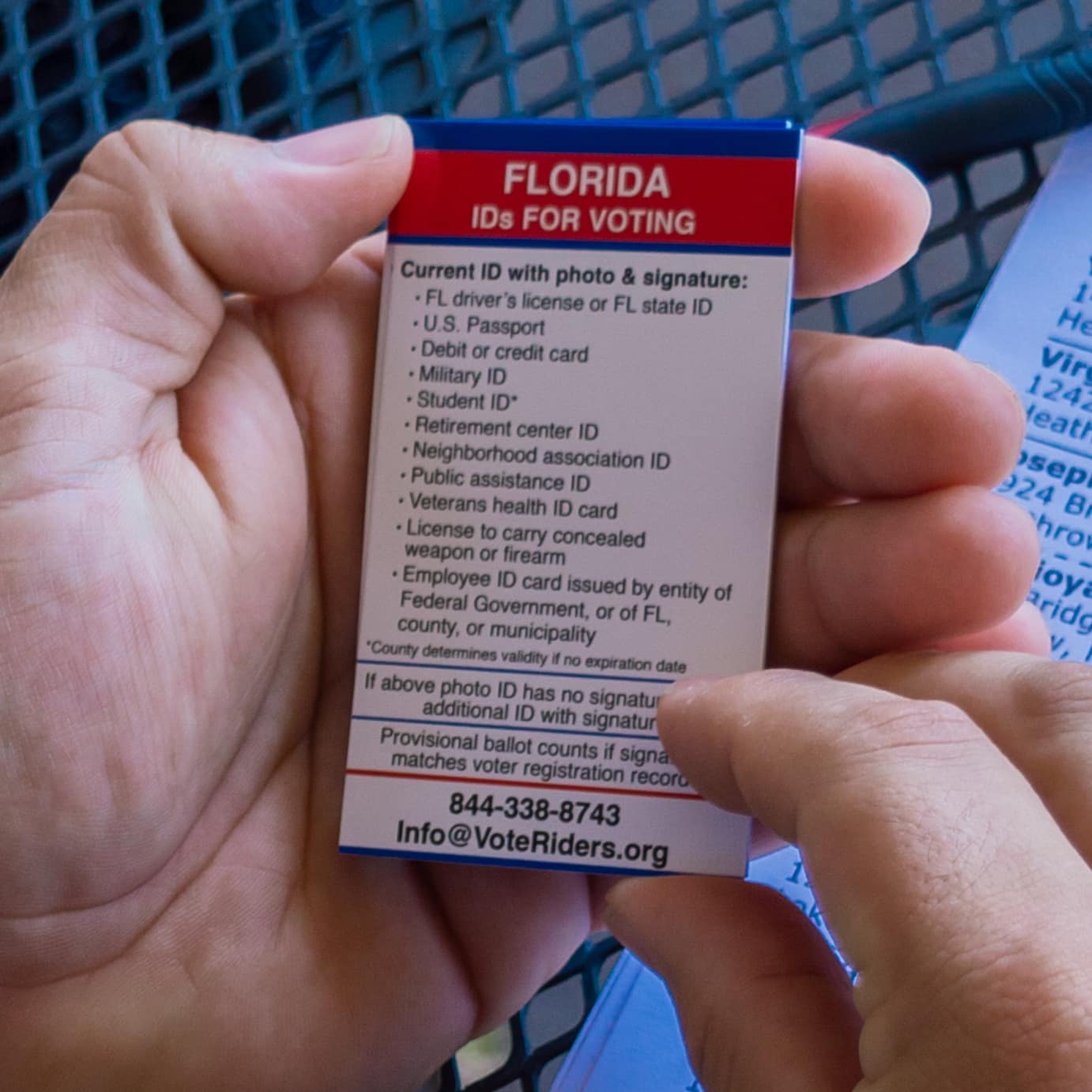
In Florida, the integrity of the election process is upheld through specific requirements for voter identification at the polls. When you arrive to vote in person, election officials are mandated to ask for two key pieces of identification: one that includes your photo and one that includes your signature. This dual requirement helps to confirm your identity and ensure that only eligible, registered voters cast ballots.
It’s important to understand that these requirements are uniform across the state’s 67 counties, from the bustling metropolis of Orlando to the serene landscapes of the Everglades. For individuals who have recently moved to Florida or are in the process of establishing residency, understanding these rules early can save considerable time and potential frustration on election day. Obtaining proper Florida identification is not just beneficial for voting but also essential for various aspects of daily life, from opening bank accounts to renting cars, making it a critical step for anyone settling into the Florida lifestyle.
Acceptable Forms of Photo Identification with Signature
The list of acceptable IDs in Florida is comprehensive, designed to accommodate a wide range of citizens while maintaining security. Ideally, you’ll present a single document that satisfies both the photo and signature requirement. Here’s a breakdown of the most common and widely accepted forms:
- Florida driver’s license: This is perhaps the most common and universally accepted form of identification for Florida residents. It features both your photo and signature. If you’re new to the state, obtaining a Florida driver’s license should be a priority, not just for voting but for all aspects of state residency.
- Florida identification card: For those who do not drive, the state-issued Florida identification card serves the same purpose as a driver’s license in terms of voter identification, featuring both your photo and signature.
- US passport: A valid US passport book or card is an excellent form of identification, containing both your photo and signature. This is particularly convenient for those who travel frequently, linking directly to the lifestyle of a global explorer.
- Debit or Credit Card (with photo): While less common, some debit or credit cards are issued with a photo of the cardholder. If yours includes a photo and signature, it can be used. It’s always best to have a primary form of ID, but this is an option for some.
- Military identification: Active and retired military personnel can use their official military ID cards. These typically include both a photo and a signature.
- Student identification: Many colleges and universities in Florida, such as the University of Florida in Gainesville or the University of Miami, issue student IDs with both photo and signature, which are acceptable.
- Retirement center identification: Certain retirement communities and centers provide identification cards to their residents, which, if they include both required elements, can be used for voting. This is particularly relevant given Florida’s large senior population and numerous specialized communities.
- Neighborhood association identification: Similar to retirement center IDs, some neighborhood associations in planned communities across Florida may issue acceptable IDs.
- Public assistance identification: Identification cards issued for public assistance programs can also be valid if they contain both a photo and a signature.
- Veteran Health ID Card (issued by US Department of Veterans Affairs): This specialized ID card is recognized and accepted.
- License to carry a concealed weapon or firearm (issued pursuant to Florida law): A concealed carry permit issued by the state of Florida that includes a photo and signature is also acceptable.
- Employee identification card: An employee ID issued by any branch, department, agency, or entity of the Federal Government, the State of Florida, a county, or a municipality within Florida, provided it has both a photo and a signature.
What If Your ID Lacks a Signature?
While the ideal scenario is to present one document with both your photo and signature, Florida election law accounts for situations where your photo ID might not include a signature. In such cases, you will need to present a separate document that provides your signature. The election official will then compare the signature on your supplemental document to the signature on your voter registration record.
Examples of acceptable secondary signature identification include:
- Your voter information card (though this does not contain a photo).
- A Social Security card.
- A valid debit or credit card (even without a photo, for signature verification).
- Any other official document that clearly displays your signature.
It’s crucial to remember that the primary requirement is a photo ID. The signature ID is supplementary if your photo ID doesn’t cover both. Always prioritize having a government-issued photo ID.
Navigating the Polls: What Happens Without Acceptable ID?
Life in Florida is often about careful planning, whether it’s booking the perfect accommodation for your trip to Disney World in Orlando or securing tickets for a show in Tampa. The same principle applies to voting. While it’s always best to be prepared with the correct identification, situations can arise where a voter arrives at the polling place without one of the acceptable forms of ID. Florida law has a contingency for this: the provisional ballot.
If you are a registered voter but cannot present the required photo and signature identification at the polls, you still have the right to cast a provisional ballot. This ballot is set aside and not counted immediately. After you cast a provisional ballot, you will be given written instructions on how to provide proof of eligibility to the County Supervisor of Elections office. This “curing” process typically involves presenting the required identification or other proof of eligibility within a specified timeframe, usually by 5 p.m. on the second day after the election.
Failure to provide the necessary identification within this timeframe will result in your provisional ballot not being counted. This highlights the importance of proactive preparation. For new residents, understanding the full scope of their civic responsibilities, including voter ID, is part of becoming fully integrated into their chosen Florida community.
Special Considerations for New Residents and Snowbirds
Florida’s appeal to new residents, retirees, and snowbirds is undeniable, with communities like Naples, Sarasota, and St. Petersburg experiencing continuous growth. For these individuals, transitioning into the Florida electorate involves a few additional steps.
Residency Requirements: To vote in Florida, you must be a citizen of the United States, at least 18 years old, and a legal resident of Florida and the county in which you intend to vote. The deadline to register to vote is 29 days before any election.
Registering to Vote: New residents must register with the Florida Department of State or their local County Supervisor of Elections office. The process is straightforward, requiring basic personal information and proof of residency. When registering, you’ll be asked if you have a Florida driver’s license or Florida identification card number, or the last four digits of your Social Security number.
Updating Voter Registration: If you move within Florida, you must update your voter registration with your new address. This ensures you vote in the correct precinct and that your voter information remains current. This is a common occurrence in a state with high mobility, linking to the themes of accommodation and long-term stays for many.
Obtaining Florida Identification: For anyone planning to reside in Florida for an extended period, obtaining a Florida driver’s license or Florida identification card is highly recommended. These are issued by the Florida Department of Highway Safety and Motor Vehicles and serve as a primary form of identification for nearly all official purposes, including voting. The process typically involves proving your identity, residential address, and Social Security number.
Preparing for Your Vote: Essential Tips for Florida Residents
Whether you’re enjoying the vibrant nightlife of Fort Lauderdale, exploring the historical sites of St. Augustine, or simply relaxing on the beaches of Clearwater, being prepared for election day should be part of your civic checklist if you’re a registered voter. Like planning any trip or significant event, a little foresight can ensure a smooth experience.
- Check Your Voter Registration Status: Before every election, take a moment to confirm your voter registration is active and accurate. You can do this easily online via the Florida Department of State website or by contacting your County Supervisor of Elections office. This is particularly vital if you’ve recently moved or haven’t voted in a while.
- Ensure Your ID is Valid and Up-to-Date: Verify that your chosen photo and signature identification is current, not expired, and that the photo accurately reflects your appearance. If you plan to use a Florida driver’s license or Florida identification card, ensure it’s not suspended or revoked.
- Locate Your Polling Place: Your official polling place is typically listed on your voter information card and can also be found on your County Supervisor of Elections website. Polling places can sometimes change, so it’s wise to double-check before election day, especially if you’re in an area with a lot of new development or tourism infrastructure.
- Consider Vote-by-Mail: Florida offers a convenient vote-by-mail option, allowing registered voters to cast their ballot from home without needing to present ID at a polling place. Instead, your identity is verified by matching the signature on your ballot envelope to the signature on file with the Supervisor of Elections. This is an excellent option for those who travel frequently or have difficulty getting to the polls in person. You can request a vote-by-mail ballot from your County Supervisor of Elections office.
- Stay Informed: Keep abreast of election dates, deadlines, and any potential changes to election laws. Official sources like the Florida Department of State and individual County Supervisor of Elections offices are the most reliable for accurate and up-to-date information.

The Broader Impact: Why Voter ID Matters for a Thriving Florida Community
Beyond the technicalities, understanding voter ID requirements in Florida speaks to a larger commitment to civic engagement and community well-being. Whether you’re a long-time resident of Jacksonville, a new transplant to Tallahassee, or an investor eyeing real estate in Boca Raton or West Palm Beach, active participation in the democratic process shapes the very fabric of the state.
Local elections, often overlooked in favor of national contests, have a profound impact on daily life. They determine leadership for cities and counties, influence decisions on local tourism initiatives, guide infrastructure projects (such as road improvements and public transportation), and shape educational policies. These decisions directly affect the quality of life, the appeal of Florida’s destinations, and the long-term sustainability of its vibrant communities. By ensuring you have the proper identification and fulfilling your civic duty, you contribute to a well-governed state that continues to attract visitors and residents alike with its unique blend of natural beauty, economic opportunity, and dynamic culture.
In conclusion, while the focus of many exploring Florida might initially be on its beautiful beaches, world-class resorts, and exciting attractions, understanding the practicalities of civic life, such as voter identification, is an essential part of a comprehensive Florida experience. For those making Florida their home, even for extended periods, being informed and prepared for election day ensures a seamless process and a meaningful contribution to the community. So, whether you’re planning your next adventure or settling into your new Florida lifestyle, remember to check your ID, understand the rules, and be ready to cast your vote.
LifeOutOfTheBox is a participant in the Amazon Services LLC Associates Program, an affiliate advertising program designed to provide a means for sites to earn advertising fees by advertising and linking to Amazon.com. Amazon, the Amazon logo, AmazonSupply, and the AmazonSupply logo are trademarks of Amazon.com, Inc. or its affiliates. As an Amazon Associate we earn affiliate commissions from qualifying purchases.