
Florida, often referred to as the Sunshine State, is a magnet for travelers, new residents, and those seeking a vibrant lifestyle amidst stunning natural beauty and world-class attractions. From its pristine beaches and bustling cities to its enchanting national parks and iconic theme parks, Florida offers an unparalleled array of experiences. Whether you’re planning a luxurious resort stay in Miami, an adventurous exploration of the Everglades National Park, or a family trip to Orlando’s magical kingdoms, the freedom to navigate this expansive state independently is invaluable. This freedom often hinges on one crucial document: the Florida Class E License.
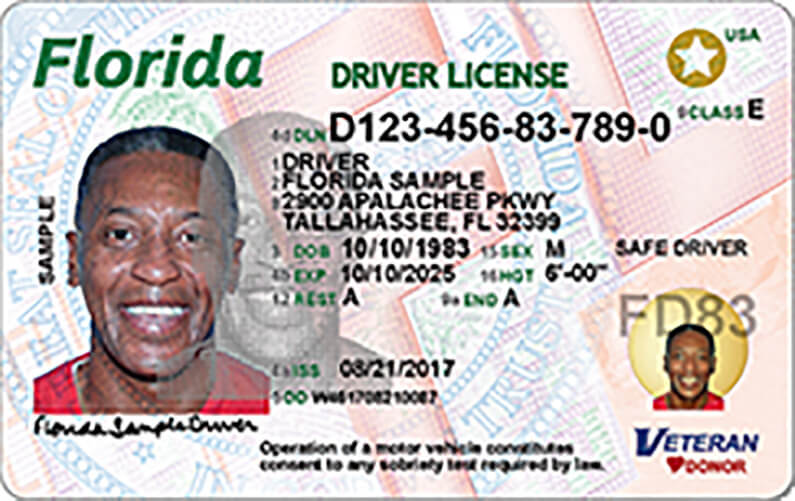
Far more than just a piece of plastic, a Class E License is your official gateway to truly experiencing all that Florida has to offer. It signifies your legal authorization to operate a standard passenger vehicle, granting you the liberty to embark on spontaneous road trips, access remote accommodation options, and immerse yourself in local culture beyond the confines of public transport or guided tours. For many, especially those relocating to the state or planning extended stays, understanding the intricacies of the Class E License is a fundamental step in making Florida feel like home. This comprehensive guide will demystify the Class E License, detailing its significance, the process of obtaining it, and how it empowers your journey through one of the United States‘ most captivating states.
Navigating the Sunshine State: Understanding Your Florida Class E License
For anyone planning to drive a personal vehicle in Florida, whether as a long-term resident or a snowbird enjoying an extended vacation, the Class E License is the fundamental credential. It’s the standard driver’s license that most individuals will obtain, enabling them to explore the state’s diverse landscapes and vibrant communities at their own pace.
The Standard for Drivers: What a Class E License Represents
In Florida, a Class E License is the non-commercial driver’s license issued to individuals who wish to operate any single vehicle with a gross vehicle weight rating (GVWR) of less than 26,001 pounds, provided it’s not used for commercial purposes. This includes the vast majority of personal cars, vans, and small trucks that you’ll encounter on Florida’s roads. It’s distinct from commercial driver’s licenses (CDLs), which are required for larger vehicles like buses or tractor-trailers, and also from motorcycle endorsements, which allow operation of motorcycles. Essentially, if you’re driving your family sedan to Walt Disney World Resort or a rented SUV to a Key West guesthouse, a Class E License is what you need.
Who needs this license? Primarily, any new resident of Florida is required to obtain a Class E License within 30 days of establishing residency. This applies to individuals moving from other states or countries. Even visitors from other nations might find themselves needing a Florida license if their stay extends beyond a certain period or if their home country’s license isn’t recognized for long-term use. Understanding this basic requirement is the first step toward smooth integration into the Florida lifestyle.
Why a Class E License is Crucial for Exploring Florida
The impact of holding a Class E License on your Florida experience cannot be overstated. For travelers, it unlocks unparalleled freedom. Imagine landing in Orlando, picking up a rental car, and effortlessly driving to your chosen resort, bypassing the schedules and costs of shuttles or ride-shares. You can then venture out to Universal Orlando Resort, discover charming local eateries, or even take a day trip to the Kennedy Space Center without logistical headaches.
For residents, the Class E License is synonymous with independence and convenience, deeply influencing their lifestyle. It allows access to employment, healthcare, shopping, and, most importantly, the vast recreational opportunities that define life in Florida. From driving along scenic coastal routes on the Gulf Coast to exploring the historic streets of St. Augustine, your ability to drive is a cornerstone of daily life and leisure.
Moreover, for tourism, a personal vehicle enables deep dives into local culture and off-the-beaten-path attractions that might be inaccessible via standard tourist routes. You can discover quaint Florida towns, visit local markets, or find secluded natural landmarks that offer a more authentic experience. Whether it’s a budget travel adventure or a luxury travel escapade, the flexibility provided by your own transportation, facilitated by a Class E License, is truly indispensable. It’s the key to making Florida your playground, your sanctuary, or your home.
The Path to Obtaining Your Florida Class E License
Securing your Florida Class E License involves a structured process designed to ensure all drivers on the road possess the necessary knowledge and skills. While it might seem daunting, understanding each step can simplify the journey and expedite your ability to cruise Florida’s scenic routes. The primary agency responsible for issuing driver’s licenses is the Florida Department of Highway Safety and Motor Vehicles (or FLHSMV).
Eligibility and Essential Documentation
Before you even think about hitting the road for a test, you must meet certain eligibility criteria and gather a specific set of documents. For a standard Class E License, you generally need to be at least 16 years old. If you’re under 18, you’ll first need to complete a learner’s permit phase, hold it for at least 12 months without major traffic convictions, and complete a minimum of 50 hours of supervised driving practice (including 10 hours at night).
The documentation requirements are crucial and strictly enforced, largely due to the Real ID Act, which mandates enhanced security standards for state-issued driver’s licenses. When visiting a FLHSMV service center, you’ll need:
- Proof of Identity: An original or certified copy of your birth certificate, a valid United States passport, or an equivalent document.
- Proof of Social Security Number: Your Social Security card, a W-2 form, or a pay stub showing your full SSN.
- Proof of Residential Address: Two different documents showing your Florida residential address, such as a utility bill, lease agreement, or car registration.
- Proof of Name Change (if applicable): Marriage certificates or court orders if your current name differs from your birth certificate.
It’s highly recommended to check the official FLHSMV website for the most current and complete list of acceptable documents before your visit to avoid multiple trips. Having all your paperwork in order is the first step toward a smooth application process, enabling you to swiftly move towards booking that ideal accommodation for your Florida adventure.
Mastering the Tests: Knowledge, Vision, and Road Skills
Once your documents are verified, the journey continues with a series of tests designed to assess your readiness to drive safely on Florida’s roads.
- Knowledge Exam: This computer-based test evaluates your understanding of Florida traffic laws and road signs. It typically consists of 50 multiple-choice questions, and you must answer at least 40 correctly (80%) to pass. Many applicants find it beneficial to study the official Florida Driver Handbook, available online and at FLHSMV offices.
- Vision Test: A basic vision screening is administered to ensure you meet the minimum visual acuity requirements to drive safely. If you wear corrective lenses, remember to bring them.
- Road Skills Test: This is the practical driving portion, where a FLHSMV examiner will assess your ability to operate a vehicle safely and competently. You must provide a vehicle that is properly registered, insured, and in safe working condition. The test covers various maneuvers, including turns, lane changes, parking (often parallel parking), stopping, and maintaining proper speed and spacing. Common reasons for failing include not signaling, exceeding the speed limit, making wide turns, or demonstrating a lack of control. Practicing driving in various conditions and familiarizing yourself with standard maneuvers can significantly boost your confidence and chances of passing.
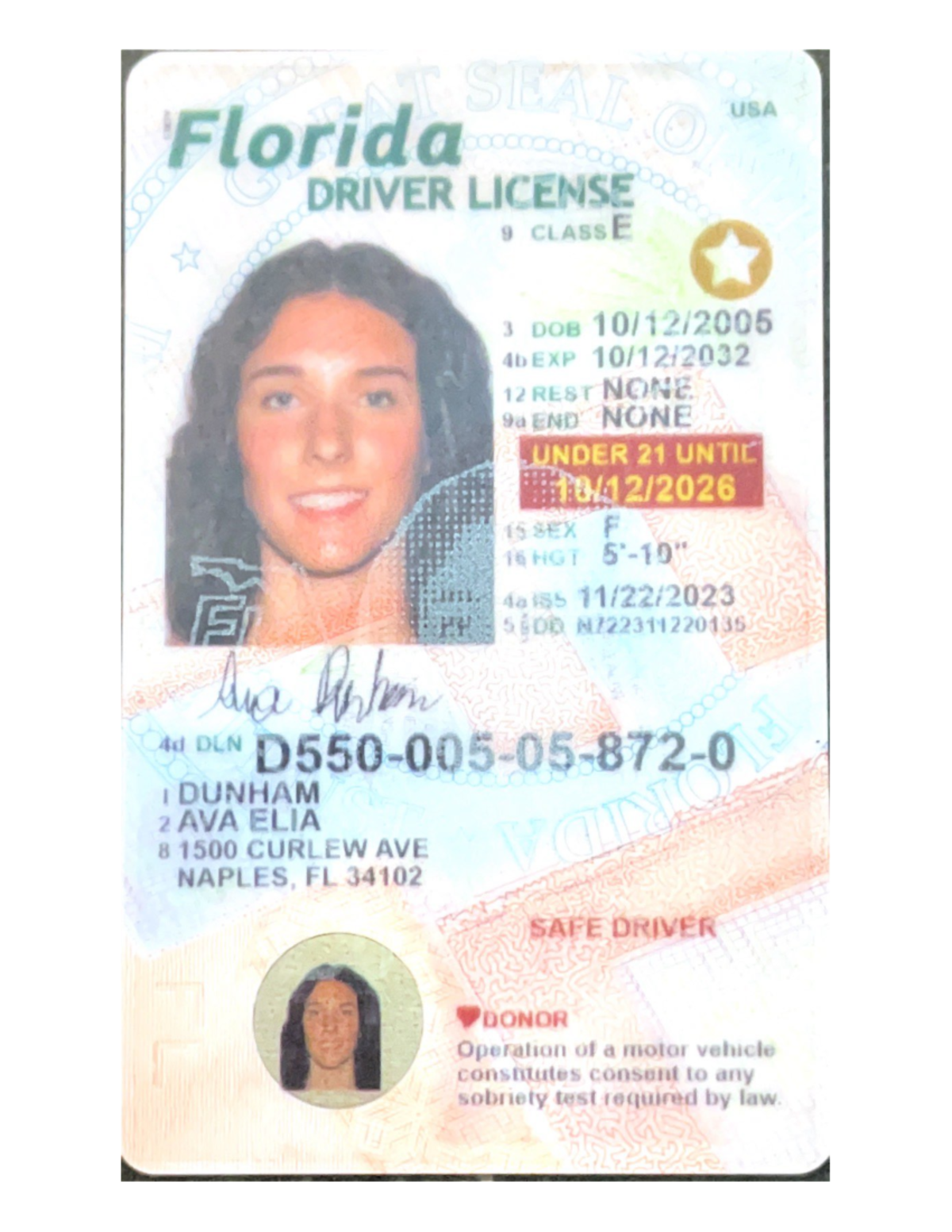
Passing these tests is not just a formality; it’s a demonstration that you are prepared to safely navigate Florida’s diverse roadways, from busy city streets in Tampa to quiet scenic routes leading to historic landmarks.
Fees, Validity, and Renewal: Keeping You on the Road
Obtaining a Class E License involves a standard fee, which typically includes the initial application and testing costs. As of my last update, a standard initial Class E License costs around $48.00, but these fees are subject to change, so always verify the current rates on the FLHSMV website.
Once issued, a Florida Class E License is generally valid for eight years for individuals under 79 years of age. For those 80 and older, the license is typically valid for six years. The expiration date is clearly printed on the license.
Renewing your license is a relatively straightforward process. You usually receive a renewal notice in the mail or via email before your license expires. Renewals can often be completed online, by mail, or in person at a FLHSMV office. You may be required to pass another vision test and, depending on circumstances like age or suspensions, potentially a knowledge or road test. Ensuring your license remains valid is crucial for uninterrupted travel and a hassle-free lifestyle in Florida.
Your Class E License and the Florida Travel Experience
With your Florida Class E License in hand, a world of exploration opens up. The independence of driving transforms your potential for travel and tourism into an enriching, personalized adventure, allowing you to seamlessly integrate with the state’s dynamic lifestyle.
Unlocking Florida’s Iconic Destinations and Hidden Gems
Driving is virtually essential for truly experiencing Florida’s vast and varied attractions. While public transport exists in major cities, it rarely serves the unique destinations or connects distinct regions in the way a personal vehicle does. Your Class E License enables you to:
- Theme Park Hopping: Orlando is the undisputed theme park capital, home to Walt Disney World Resort and Universal Orlando Resort. Having a car means you can easily navigate between parks, restaurants, and your hotel or villa without relying on expensive ride shares or inconvenient shuttle schedules.
- Coastal Drives: Cruise down the legendary Overseas Highway to Key West, stopping at charming towns and breathtaking viewpoints across the Florida Keys. Or explore the diverse beaches of the Atlantic Coast or the tranquil shores of Sarasota on the Gulf Coast.
- Historic Exploration: Delve into the rich history of St. Augustine, the nation’s oldest city, and discover its Spanish colonial landmarks. Your car allows you to explore beyond the main plaza, finding hidden courtyards and lesser-known historical sites.
- Nature Escapes: Journey into the wild heart of Florida at Everglades National Park, where you can embark on airboat tours or ranger-led hikes. Access to such natural wonders, including Dry Tortugas National Park (which requires a boat/seaplane but you still need to drive to the departure point) or springs like those near Gainesville, is significantly easier with personal transportation.
- Urban Adventures: Experience the vibrant nightlife and cultural scene of South Beach in Miami, or explore the artistic districts and diverse culinary offerings of Tampa, visiting Busch Gardens Tampa Bay for an extra thrill.
From the sun-drenched beaches of Naples to the charming streets of Amelia Island, your Class E License is the key to unlocking the full spectrum of Florida’s destinations.
Seamless Accommodation and Lifestyle: Beyond the Tourist Traps
The freedom of movement provided by your license profoundly impacts your choices in accommodation and your overall lifestyle in Florida. You aren’t limited to hotels or resorts that are directly on a public transit line or within easy walking distance of major attractions. Instead, you can:
- Discover Diverse Stays: Explore cozy apartments tucked away in residential areas, sprawling villas perfect for family trips, or charming bed-and-breakfasts in historic towns. Your ability to drive means you can consider options offering better value, more space, or unique amenities that are slightly off the main tourist grid.
- Experience Local Food and Culture: Venture out to local farmers’ markets, authentic seafood shacks, or neighborhood festivals that might be inaccessible without a car. This allows for a deeper immersion into Florida’s true essence, moving beyond typical tourist menus and experiences.
- Enhance Long-Term Stays: For those enjoying a long-term stay or relocating, a car is practically a necessity. It provides the convenience for daily errands, commutes, and exploring new hobbies or communities, significantly improving the quality of life and making Florida feel truly home. Whether you’re planning a budget travel experience or indulging in luxury travel, the flexibility of having your own vehicle is a consistent advantage.
Driving Responsibly: Tips for Florida Roads
While the Class E License grants immense freedom, it also comes with the responsibility of safe driving. Florida’s roads have unique characteristics that drivers should be aware of:
- Weather Conditions: Sudden, heavy rain showers (often daily in summer) can drastically reduce visibility and make roads slick. Always reduce speed and use headlights during adverse weather.
- Tourist Traffic: Many areas, particularly around Orlando, Miami, and coastal towns, experience high volumes of tourist traffic, which can lead to unpredictable driving behaviors. Patience and defensive driving are key.
- Wildlife: Especially in rural areas or near natural preserves, watch out for deer, alligators, bears, and other wildlife that may cross roads.
- Toll Roads: Florida has numerous toll roads, bridges, and express lanes. Familiarize yourself with how they operate (e.g., SunPass, pay-by-plate options) to avoid fines.
- Lane Discipline: Pay attention to lane markings, especially on multi-lane highways and interstates, and be aware of aggressive drivers.
- Alcohol and Drug Impairment: Florida has strict laws against driving under the influence. Never drink and drive.
Adhering to traffic laws and practicing common sense driving tips will ensure your Florida adventures are not only thrilling but also safe and enjoyable for everyone.
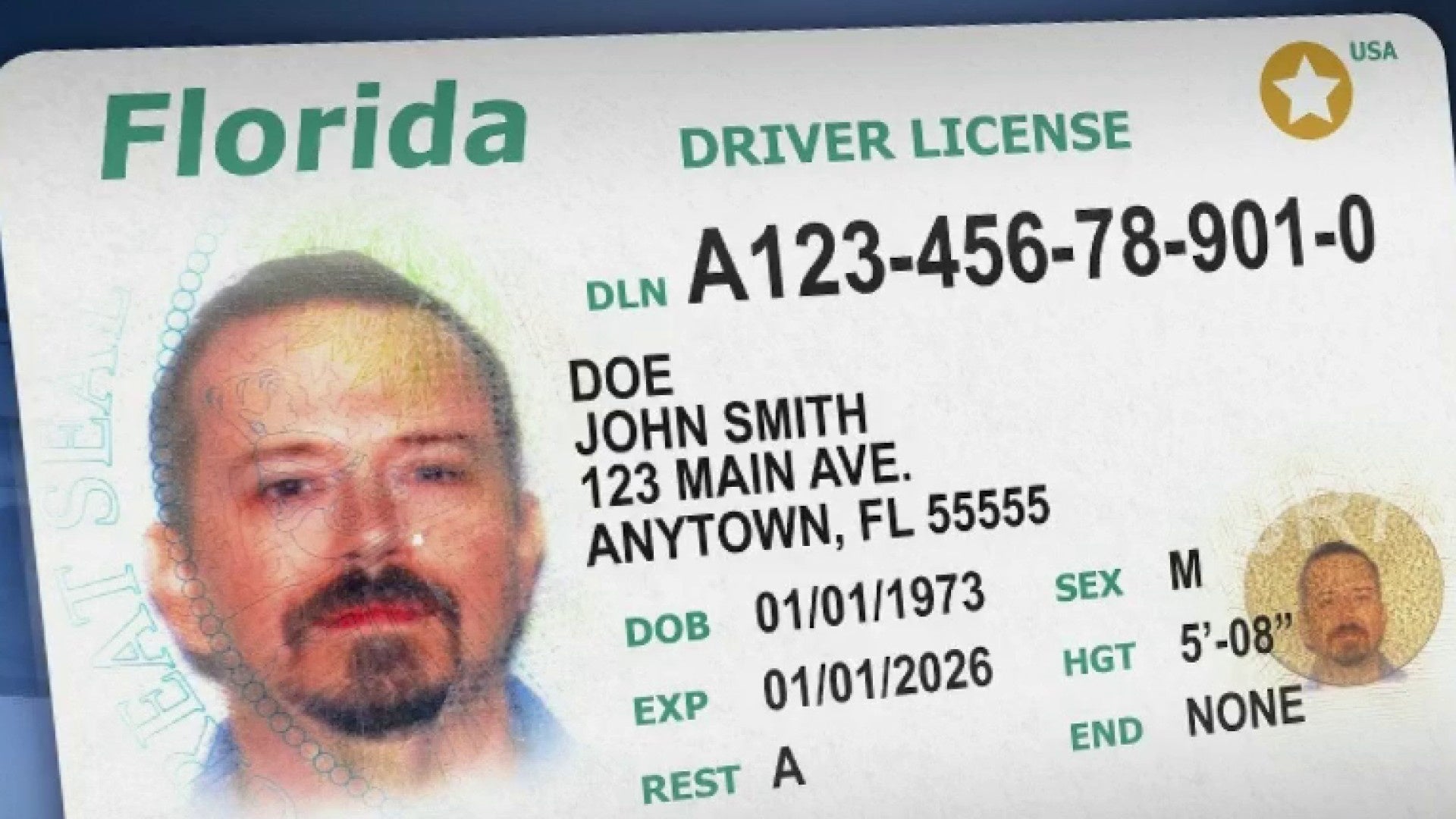
Your Passport to Florida Freedom
The Florida Class E License is more than just a legal requirement for operating a passenger vehicle; it is your passport to unparalleled freedom and exploration within the Sunshine State. For those seeking unforgettable travel experiences, considering various accommodation options, or embracing a new lifestyle in this vibrant state, understanding and obtaining this license is an essential first step.
From the enchanting theme parks of Orlando and the lively beaches of Miami to the serene natural beauty of the Everglades National Park and the historic charm of St. Augustine, having the ability to drive independently unlocks a tapestry of destinations and attractions. It empowers you to delve deeper into local tourism, discover hidden landmarks, and truly craft your own unique Florida story.
The process of securing your Class E License — from gathering the necessary documents and passing the knowledge test to demonstrating your skills on the road — is a worthy investment. It’s an investment in independence, flexibility, and the countless adventures that await you on Florida’s open roads. So, prepare your documents, study the rules, and get ready to embark on your unforgettable journey through the heart of the Sunshine State, confident and empowered behind the wheel.
LifeOutOfTheBox is a participant in the Amazon Services LLC Associates Program, an affiliate advertising program designed to provide a means for sites to earn advertising fees by advertising and linking to Amazon.com. Amazon, the Amazon logo, AmazonSupply, and the AmazonSupply logo are trademarks of Amazon.com, Inc. or its affiliates. As an Amazon Associate we earn affiliate commissions from qualifying purchases.