
Florida, often affectionately known as the Sunshine State, beckons millions of travelers each year with its pristine beaches, vibrant cities, world-class theme parks, and diverse cultural experiences. From the thrilling rides of Walt Disney World Resort and Universal Orlando Resort in Orlando, to the art deco charm of Miami Beach, the historic streets of St. Augustine, or the serene beauty of the Everglades National Park, there’s an endless array of destinations and attractions to explore.
Whether you’re planning a luxurious getaway, a budget-friendly family trip, a long-term stay, or even considering a permanent move, understanding the tax landscape in Florida is crucial for effective budgeting and enjoying your experience without unexpected costs. While Florida is known for its favorable tax environment, especially for residents, there are several taxes that visitors and locals alike will encounter. This comprehensive guide delves into Florida’s tax rates, focusing on what matters most for travel, accommodation, tourism, and lifestyle choices within the state.

Navigating Florida’s Sales Tax: The Core for Consumers
The most common tax you’ll encounter during your visit or stay in Florida is the sales tax. This tax is levied on the sale of goods and certain services, and it’s a fundamental part of budgeting for any trip or lifestyle in the state. Understanding how it works is key to managing your expenses, from dining out to souvenir shopping.
The State Sales Tax
Florida imposes a statewide sales tax rate of 6%. This rate applies to a vast majority of retail purchases you make. Think about your daily expenditures: that refreshing drink at a café, the new swimsuit you bought for South Beach, a memorable souvenir from a theme park, or even the cost of admission to most attractions – all will have this 6% sales tax added to the sticker price.
However, there are notable exceptions. Essential groceries, for instance, are generally exempt from sales tax, which can be a relief for those planning self-catering stays in apartments or villas. Services like medical consultations or professional legal advice are also typically exempt. But for almost everything else that contributes to a vibrant travel experience – from restaurant meals in Tampa to tickets for the Kennedy Space Center – that 6% will be added to your bill. For travelers, this means a $100 meal will actually cost you $106, or a $500 shopping spree turns into $530. It’s a critical detail for maintaining a realistic budget.
Local Option Sales Surtaxes
Adding a layer of complexity to the sales tax landscape are the local option sales surtaxes. While the state sets the base rate, individual counties in Florida have the authority to impose additional sales taxes, known as discretionary sales surtaxes. These surtaxes are typically used to fund local initiatives, infrastructure projects, or specific public services within the county.
The result is that the combined sales tax rate can vary significantly from one county to another. For example:
- In Orange County, home to much of Orlando’s theme park magic, the combined sales tax rate is 6.5% (6% state + 0.5% local).
- In Miami-Dade County, encompassing the bustling metropolis of Miami, the combined rate rises to 7% (6% state + 1% local).
- For those exploring Tampa and Hillsborough County (a name I can’t link without adding it to the approved list, so I’ll avoid linking it), the rate can be as high as 8.5% (6% state + 2.5% local).
- Even in popular destinations like Key West within Monroe County, you’ll find a combined rate of 7.5% (6% state + 1.5% local).
This variation means that your shopping spree in Fort Lauderdale might have a different tax implication than a similar one in Sarasota. It’s always advisable to be aware of the specific rate in the county you are visiting, especially if you plan on making significant purchases. For luxury travelers, this might be a minor detail, but for budget-conscious explorers, every percentage point counts when calculating the total cost of their Florida adventure.
Accommodation Taxes: Beyond the Sticker Price
When booking hotels, resorts, vacation rentals, or even long-term apartment stays in Florida, you’ll encounter taxes and fees that go beyond the standard sales tax. These can significantly impact the final price of your accommodation and are crucial for anyone planning their stay, from a weekend escape to an extended relocation.
Tourist Development Tax (TDT)
One of the most significant taxes impacting accommodation costs is the Tourist Development Tax (TDT), often referred to as a “bed tax” or “tourist tax.” This local tax is levied by counties on transient rentals – essentially, any rental for six months or less. The revenue generated from TDT is specifically earmarked to promote tourism, maintain tourist-related infrastructure, and fund convention centers, sports facilities, and beach renourishment projects. This means the money you pay contributes directly to enhancing the very attractions and amenities that draw visitors to Florida.
The TDT rate varies widely by county, typically ranging from 1% to 6% of the rental amount. For instance:
- Orange County (home to Orlando) applies a TDT of 6%.
- Miami-Dade County (covering Miami) also has a TDT that can reach 6%.
- Monroe County (including Key West) also has a TDT, contributing to the upkeep of its unique environment.
When you factor in both the state sales tax (6%) and the local TDT, your effective tax rate on accommodation can be substantial. For example, a hotel room in Orlando could face a combined tax rate of 12.5% (6% state sales tax + 0.5% local sales surtax + 6% TDT). In Miami, it could be 13% (6% state sales tax + 1% local sales surtax + 6% TDT). This means a $200 per night hotel room can quickly become over $225 once taxes are applied. For a week-long stay, these charges can add hundreds of dollars to your overall accommodation budget.
Resort Fees and Other Charges
Beyond the mandatory government taxes, many hotels and resorts in Florida also impose their own mandatory charges, often referred to as “resort fees” or “destination fees.” While not a tax in the traditional sense, these fees are compulsory and can add a significant amount to your total bill. Resort fees are typically charged per night, per room, and are meant to cover amenities such as Wi-Fi access, use of the fitness center, pool towels, shuttle services, or even local phone calls.
These fees are particularly prevalent in popular tourist hubs like Orlando, Miami Beach, and Palm Beach. The challenge with resort fees is that they are often not included in the initial quoted room rate and are only disclosed during the booking process or upon check-in. This can lead to unwelcome surprises for unsuspecting travelers. For instance, a hotel room advertised at $150 might come with a $35 resort fee, pushing the nightly rate to $185 before any taxes are even applied.
When planning your accommodation, it is highly recommended to always inquire about the total cost, including all taxes and mandatory fees, before finalizing your booking. Reputable booking platforms often provide a “total price” breakdown, but it’s always wise to double-check directly with the hotel or vacation rental provider, especially if you are on a tight budget. Understanding these charges is crucial for accurate budgeting, whether you’re splurging on a luxury resort or finding a cozy apartment for a longer stay.
Long-Term Stays and Exemptions
For individuals considering an extended stay in Florida, such as “snowbirds” escaping colder climates or digital nomads seeking a vibrant base, there’s a valuable exemption to be aware of. Generally, stays that exceed six months in a single location are considered residential and are typically exempt from the Tourist Development Tax and sometimes even the sales tax on rentals. This can result in significant savings for those opting for long-term apartment rentals, villas, or extended-stay hotels. This exemption makes Florida an even more attractive option for seasonal residents or those planning a lifestyle change, allowing them to enjoy the state’s amenities without the added burden of transient rental taxes.
Other Taxes Shaping Your Florida Lifestyle and Travel
While sales and accommodation taxes are the most direct financial considerations for visitors, other taxes in Florida can subtly or significantly impact your overall lifestyle and travel experiences, especially for those considering a longer stay or relocation.
The Absence of State Income Tax
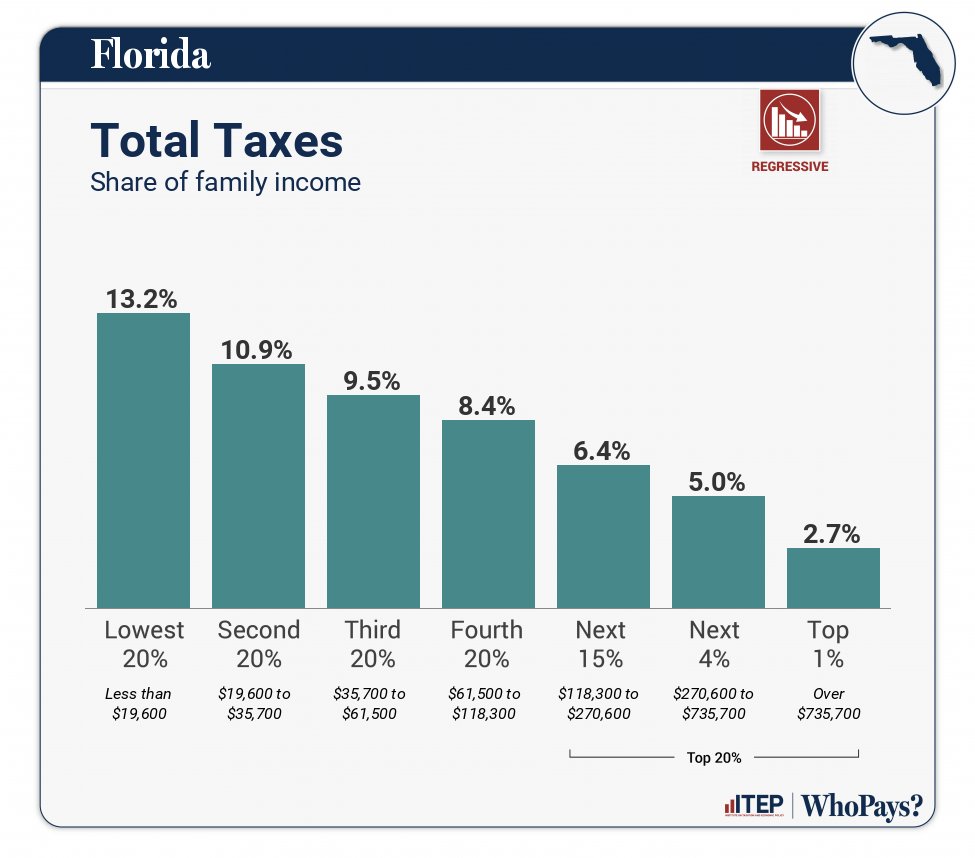
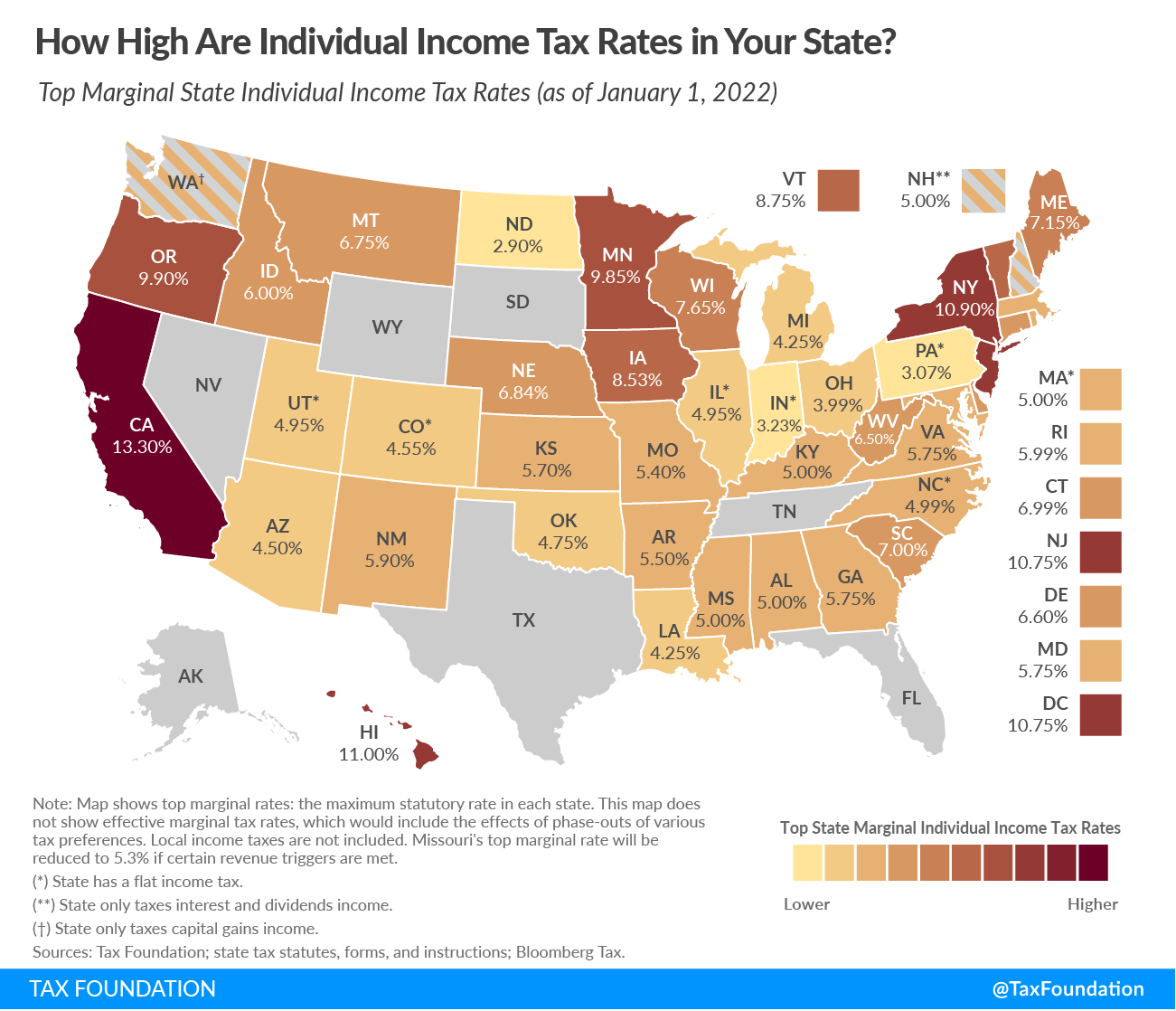
One of Florida’s most famous and appealing tax features is the absence of a state income tax. This means that individuals do not pay state taxes on their wages, salaries, or other personal income. This is a significant draw for residents, retirees, and businesses alike, making Florida a financially attractive place to live and work compared to many other states in the U.S.
For travelers, while this doesn’t directly impact your vacation spending, it contributes to the overall economic vitality and attractive lifestyle of the state. It can influence the pricing of local services, the prosperity of businesses, and the availability of job opportunities, indirectly shaping the tourism landscape by fostering a robust local economy. For those contemplating a long-term stay or even residency, the lack of state income tax is often a primary motivator, offering substantial savings on personal earnings over time.
Property Taxes
Property taxes in Florida are levied at the local level by counties and cities, and they vary widely based on property value, specific location, and local millage rates. While tourists don’t directly pay property taxes, they do have an indirect effect on the cost of travel and accommodation. Property taxes contribute to the operating costs of hotels, resorts, and vacation rental properties, which are then often factored into the nightly rates. High property taxes in popular areas like Miami, Orlando, or Palm Beach can contribute to higher rental costs for both short-term visitors and long-term residents.
For potential residents, understanding property taxes is paramount. Florida does offer a Homestead Exemption for primary residents, which can reduce the taxable value of their home by up to $50,000, offering some relief from these local taxes. This makes homeownership more accessible and manageable for permanent residents.
Fuel Taxes and Transportation Costs
If your Florida adventure involves exploring by car, perhaps taking a road trip down to Key West or traversing the state from the Atlantic Coast to the Gulf Coast, you’ll encounter fuel taxes. Both state and federal taxes are included in the price you pay at the pump. These taxes fund road maintenance, construction, and other transportation infrastructure projects.
While the fuel tax itself is usually a small component of the overall price per gallon, it adds up over a long road trip. Additionally, if you rent a car, you may also encounter various rental car surcharges and fees, which are often subject to sales tax as well. Budgeting for transportation, including fuel and potential rental car charges, is an important aspect of planning your travel within the vast and beautiful landscapes of Florida.
Specific Excise Taxes and Fees
Beyond the major taxes, Florida also imposes various excise taxes on specific goods and services. For example, there are taxes on alcohol and tobacco products. While these might not be central to every traveler’s budget, they contribute to the overall cost of certain lifestyle choices. Similarly, some specific services or activities might have their own small fees or taxes levied at the local level. These are generally less impactful on a tourist’s overall budget but are part of the broader tax ecosystem in the state.
Budgeting for Your Florida Adventure: Practical Tax Tips
Effective budgeting is a cornerstone of any successful trip or extended stay. Armed with knowledge about Florida’s tax rates, you can now approach your financial planning with greater confidence and accuracy.
Research Before You Go
One of the most valuable pieces of advice is to research specific county and city tax rates for both sales and accommodation before you embark on your journey. As highlighted, these rates can vary considerably, impacting your costs in different destinations like Orlando versus Miami. Utilize online resources, official county tourism websites, and reputable booking platforms that offer clear breakdowns of total costs. When booking accommodation, always check for the “total price” option, which should include all applicable taxes and mandatory fees. Don’t be shy about contacting hotels or vacation rental owners directly to confirm all charges. This proactive approach can prevent unpleasant surprises upon arrival or checkout.
Factor Taxes into Your Spending
It’s easy to look at a listed price of an item or service and assume that’s what you’ll pay. However, in Florida, that extra percentage for sales tax and potentially tourist development tax will always be added. For larger purchases, substantial dining bills, or expensive attraction tickets, this can add up quickly. For example, if you budget exactly $2,000 for theme park tickets in Orange County, you’ll actually need $2,000 + 6.5% sales tax, totaling $2,130. Always remember to add the relevant tax percentage to your estimated costs for goods, prepared food, and services. This practice is vital for both luxury travelers who want to maintain a precise overview of their spending and budget travelers who need to account for every dollar.
Dining and Shopping Smart
When it comes to food, remember that prepared meals from restaurants, cafes, and even hot deli items from grocery stores are subject to sales tax. However, most basic groceries purchased from supermarkets are exempt. Strategic shopping can lead to savings: consider preparing some of your own meals if your accommodation has kitchen facilities. Exploring local farmers’ markets in cities like St. Augustine or Sarasota not only offers a taste of local culture but also allows you to purchase fresh produce without sales tax. For shopping, be mindful of where you’re making your purchases; a luxury boutique in Palm Beach will have the same sales tax applied as a souvenir shop near Universal Orlando Resort, but the higher base price means the tax amount will be proportionally greater.
Understanding Long-Term Stay Savings
For those fortunate enough to plan a stay exceeding six months, understanding the Tourist Development Tax exemption is a game-changer. By qualifying as a non-transient resident, you can avoid the TDT on your accommodation, which often represents a significant percentage of the nightly rate. This makes Florida an incredibly appealing destination for “snowbirds” seeking winter sun, remote workers looking for a dynamic temporary base, or anyone exploring a potential relocation. Always confirm the specific requirements for this exemption with your accommodation provider or local tax authorities to ensure you meet the criteria. This can lead to substantial savings, making extended stays more affordable and practical.
Conclusion
Florida’s tax structure, characterized by its favorable lack of state income tax, is a significant draw for many. However, for visitors and residents alike, a clear understanding of the state and local sales taxes, particularly those applied to accommodation, is essential for informed budgeting and a stress-free experience. From the bustling streets of Miami to the tranquil shores of the Gulf Coast, every transaction and booking will involve these tax considerations.
By proactively researching local rates, factoring taxes into all your spending, being strategic with dining and shopping choices, and leveraging exemptions for long-term stays, you can effectively manage your finances. This knowledge empowers you to fully immerse yourself in everything the Sunshine State has to offer, from its pristine beaches and world-class theme parks to its vibrant cultural experiences and diverse culinary scenes, without any unwelcome financial surprises. Enjoy your meticulously planned Florida adventure!
LifeOutOfTheBox is a participant in the Amazon Services LLC Associates Program, an affiliate advertising program designed to provide a means for sites to earn advertising fees by advertising and linking to Amazon.com. Amazon, the Amazon logo, AmazonSupply, and the AmazonSupply logo are trademarks of Amazon.com, Inc. or its affiliates. As an Amazon Associate we earn affiliate commissions from qualifying purchases.