
Planning a trip to the Sunshine State involves meticulous preparation, from scouting the perfect accommodation and mapping out must-see landmarks to crafting an itinerary that maximizes every moment. Yet, one crucial detail often overlooked until the last minute can throw a wrench into even the most carefully laid plans: understanding Florida’s time zones. Unlike many states that observe a single time zone, Florida uniquely straddles two, creating a fascinating dynamic that travelers, residents, and businesses alike must navigate. This intricate temporal landscape means that while most of the state operates on one schedule, a significant portion, particularly in its western Panhandle region, follows another. For anyone journeying to this vibrant corner of the United States, comprehending this dual-zone system isn’t just a matter of trivia; it’s essential for seamless travel, timely appointments, and a genuinely enriching experience of Florida’s diverse offerings.
The Sunshine State’s Dual Time Zones
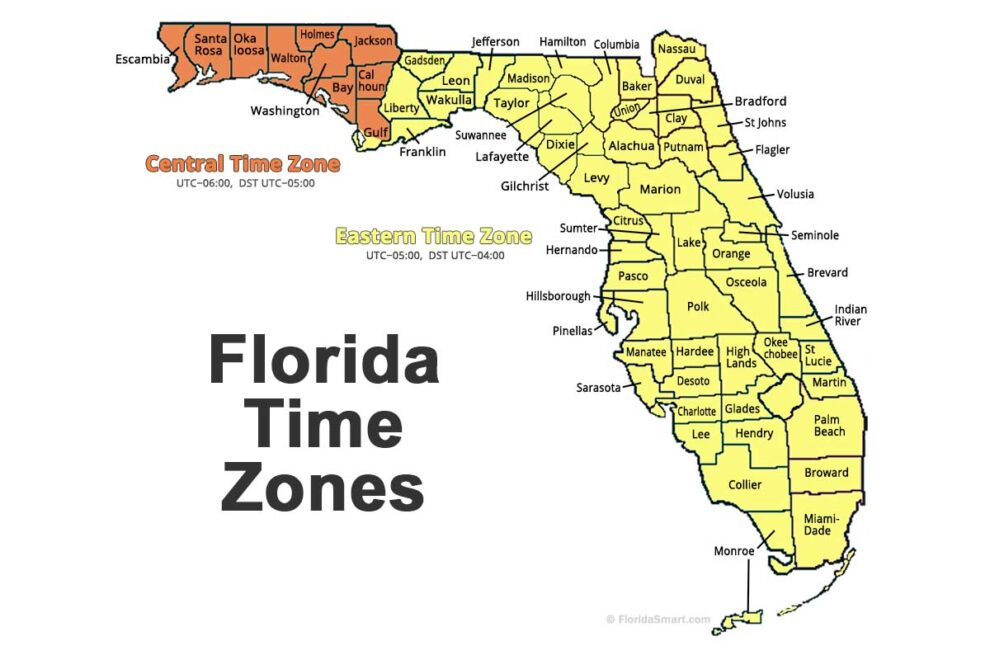
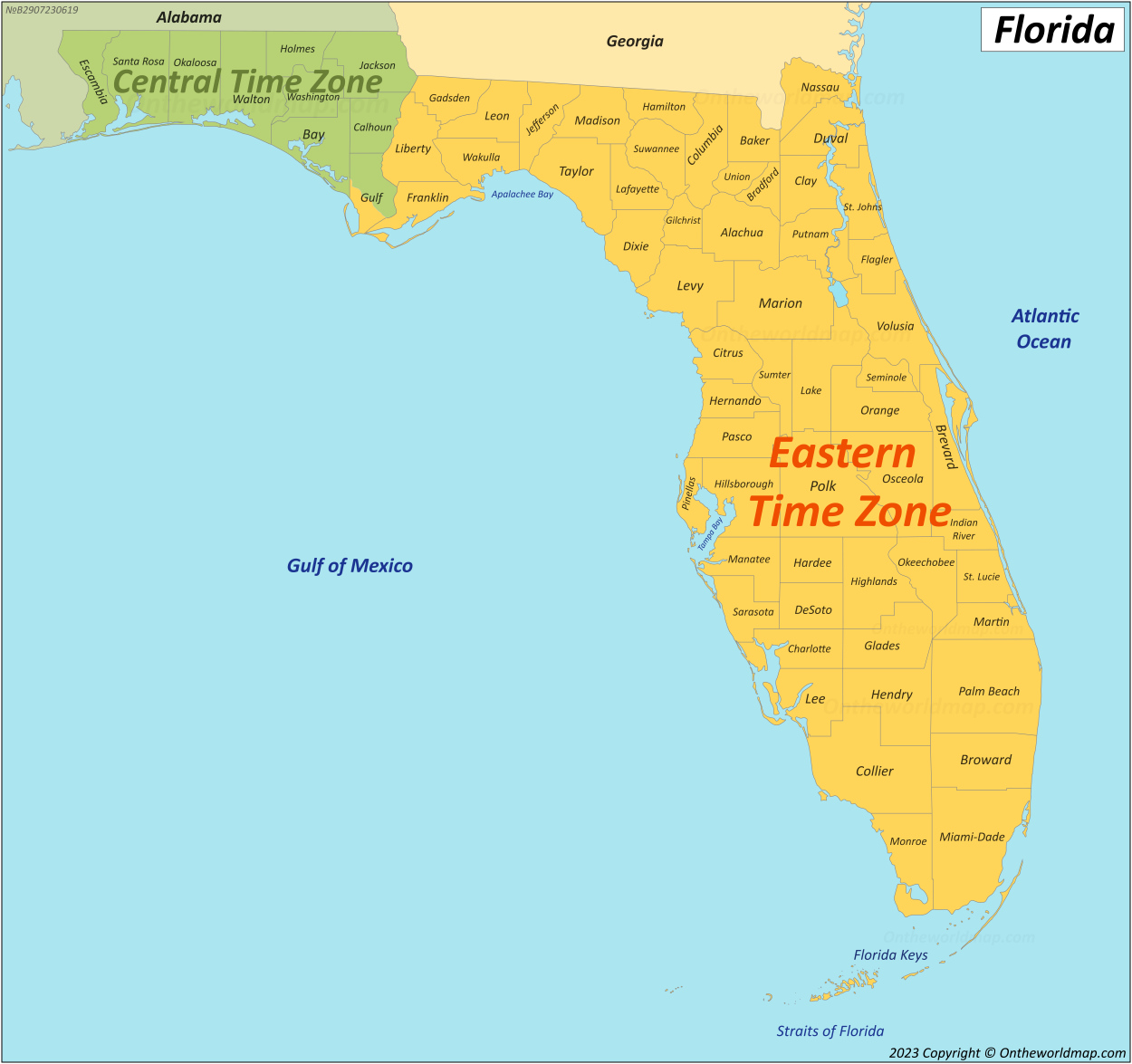
Florida’s geographic expanse, stretching over 700 miles from its northern border to the tip of Key West, contributes to its unique time zone situation. The vast majority of the state, including its most populous cities and iconic tourist destinations, observes the Eastern Time Zone. However, as you venture westward into the Panhandle along the Gulf of Mexico, you’ll cross an invisible line into the Central Time Zone. This transition, though seemingly minor, can have significant implications for planning and logistics.
Eastern Standard Time (EST) / Eastern Daylight Time (EDT)
The predominant time zone across Florida is the Eastern Time Zone. During standard time, this is referred to as Eastern Standard Time (EST), which is UTC-5 hours. When Daylight Saving Time is in effect, typically from early March to early November, it switches to Eastern Daylight Time (EDT), which is UTC-4 hours. This means clocks are moved forward by one hour in the spring and back one hour in the fall.
Nearly all of the Florida Peninsula and a substantial eastern portion of the Panhandle adhere to the Eastern Time Zone. This encompasses virtually all of the state’s major metropolitan areas and top travel destinations. Cities such as Miami, the vibrant hub of South Florida known for its Art Deco Historic District and bustling South Beach, operate on Eastern Time. The theme park capital of the world, Orlando, home to Walt Disney World Resort, Universal Studios Florida, Epcot, Magic Kingdom, Hollywood Studios, and Animal Kingdom, also falls within this zone, as do major port cities like Jacksonville and Tampa, which boasts attractions like Busch Gardens Tampa Bay. Even the historic charm of St. Augustine, the space exploration marvels at Kennedy Space Center Visitor Complex, and the laid-back beauty of The Florida Keys are all firmly in the Eastern Time Zone. For those seeking luxury travel, world-class resorts and hotels from Palm Beach to Naples adhere to these hours, dictating everything from check-in times to dinner reservations.
Central Standard Time (CST) / Central Daylight Time (CDT)
Conversely, a smaller, yet significant, portion of Florida observes the Central Time Zone. This applies primarily to the westernmost counties of the Florida Panhandle. During standard time, it’s known as Central Standard Time (CST), which is UTC-6 hours. When Daylight Saving Time is in effect, it becomes Central Daylight Time (CDT), or UTC-5 hours. This means that these areas are consistently one hour behind the rest of Florida.
The major cities and popular beaches of the Panhandle fall within this zone, offering a distinct cultural and temporal experience. Pensacola, with its rich history and beautiful Gulf Coast beaches, observes Central Time. The lively shores of Panama City Beach, famous for its vibrant tourism and family-friendly attractions, also operate an hour behind the Peninsula. Similarly, the picturesque town of Destin, known for its emerald waters and world-class fishing, adheres to the Central Time Zone. For those planning family trips or a budget travel getaway to these western beaches, keeping the time difference in mind is crucial for scheduling activities and ensuring smooth transitions.
The Time Zone Divide
The geographical line that demarcates these two time zones in Florida is fascinating and can be a source of confusion for the unprepared traveler. The primary dividing line follows the Apalachicola River up to the Jackson County line, then heads westward along the northern borders of Gulf County, Bay County, and Walton County.
More specifically, the following counties are entirely within the Central Time Zone:
- Escambia County (including Pensacola)
- Santa Rosa County
- Okaloosa County (including Destin and Fort Walton Beach)
- Walton County
- Holmes County
- Washington County
- Bay County (including Panama City Beach)
However, a unique quirk exists: parts of Gulf County and Calhoun County are split. Historically, the city of Port St. Joe in Gulf County observed Eastern Time, while the rest of the county was Central Time. This created scenarios where driving just a few miles could mean a time change. For instance, Mexico Beach (in Bay County) is in Central Time, but a short drive east to Port St. Joe would traditionally put you into Eastern Time. While recent legislation has aimed to simplify this, making Port St. Joe also Central Time for local convenience, travelers should always double-check, especially in these transitional areas. This historical split highlights the potential for confusion and the importance of verifying local time.
Navigating Time Across Florida: Tips for Travelers
Understanding Florida’s dual time zones is particularly vital for travelers and those planning extended stays or business trips within the state. A missed connection, a late arrival for a crucial meeting, or even a reservation mishap can easily occur if the time zone difference isn’t accounted for.
Planning Your Itinerary
When drawing up your travel guide for Florida, especially if your journey involves crossing the time zone boundary, consider the following:
- Flights and Transportation: Pay close attention to arrival and departure times for flights, trains, or buses, as they are typically listed in local time. A flight departing Pensacola (CST) at 9:00 AM and arriving in Orlando (EST) at 11:00 AM means a two-hour flight, not a two-hour time change. Similarly, a 9:00 AM departure from Orlando might arrive in Pensacola at 9:00 AM local time, even after an hour’s flight. Always confirm local times for all legs of your journey.
- Accommodation Bookings: Check-in and check-out times for hotels, resorts, apartments, or villas are always based on the local time zone of the property. If you’re driving from Tallahassee (EST) to Panama City Beach (CST) for a 3:00 PM check-in, remember you gain an hour upon arrival.
- Attractions and Events: Theme parks, museums, historical sites, concert venues, and local activities will always list their operating hours in their respective local time zones. A 7:00 PM dinner reservation in Destin (CST) will feel like 8:00 PM to someone coming from Gainesville (EST). Double-check showtimes for Walt Disney World Resort fireworks or a fishing charter departure from Clearwater Beach to avoid disappointment.

Local Customs and Schedules
Beyond official bookings, daily life and local culture in Florida are intrinsically linked to the time zone. Businesses open and close according to local hours, and community events follow suit. If you’re traveling for business, coordinating meetings across the time zone divide requires careful planning. A 9:00 AM conference call with colleagues in Miami means starting at 8:00 AM if you’re in Pensacola. Similarly, if you’re enjoying Florida’s diverse food scene, a restaurant in Panama City Beach might close earlier by Eastern Time standards. Being mindful of this helps you fully immerse yourself in the local rhythm without temporal missteps.
Technology as Your Ally
In today’s interconnected world, technology is your best friend in navigating Florida’s time zones.
- Smartphones and Devices: Most modern smartphones automatically update their time zone based on your location, a feature that is incredibly useful when crossing the Apalachicola River. However, it’s always wise to manually check or set a secondary clock for the other time zone if you’re frequently commuting between them.
- Weather Apps and Online Maps: Reputable weather apps and mapping services (e.g., Google Maps) usually display local time prominently, which can serve as a quick reference.
- Booking Confirmations: Always review your flight, hotel, and attraction booking confirmations carefully. They typically state the local time zone for each specific event, ensuring clarity.
A Deeper Dive into Florida’s Regions and Time Zones
To truly appreciate the nuances of Florida’s time zones, it’s helpful to consider the distinct characteristics of the regions they govern. Each area offers a unique flavor of the Sunshine State, from bustling metropolises to serene coastal retreats.
Iconic Destinations in Eastern Florida
The vast majority of Florida lies within the Eastern Time Zone, making it home to some of the state’s most famous and frequently visited destinations.
- Orlando: Beyond the magic of Walt Disney World Resort and the thrills of Universal Studios Florida, Orlando offers a vibrant lifestyle with diverse dining, shopping, and entertainment. Planning your day here means adhering to EST/EDT, whether you’re making a reservation at a fine-dining establishment or catching a sunrise hot air balloon ride. Many suites and family-friendly hotels cater to international and domestic visitors, all operating on Eastern Time.
- Miami & Fort Lauderdale: The cosmopolitan allure of South Florida, extending from Miami’s South Beach to Fort Lauderdale’s canals, runs entirely on Eastern Time. This region is a melting pot of cultures, offering everything from luxurious resorts and high-end shopping to vibrant nightlife and exquisite food. For business stays or leisurely vacations, all scheduled activities, from chartering a yacht to exploring the Art Deco Historic District, will be on EST/EDT.
- Tampa & St. Petersburg: On Florida’s Gulf Coast, these cities offer a blend of urban sophistication and pristine beaches like Clearwater Beach and St. Pete Beach. Attractions such as Busch Gardens Tampa Bay and vibrant downtown areas operate on Eastern Time. Here, planning activities or making dinner reservations follows the same temporal rhythm as the rest of peninsular Florida.
- The Florida Keys: Stretching southwest into the Atlantic Ocean, this tropical paradise, culminating in Key West, remains firmly in the Eastern Time Zone. Whether you’re diving in Key Largo, enjoying the sunset celebration at Mallory Square, or embarking on a trip to Dry Tortugas National Park, all operations align with EST/EDT.
Exploring the Florida Panhandle’s Central Time Zone
The Florida Panhandle, with its sugar-white sands and emerald waters, offers a different pace and experience, largely within the Central Time Zone.
- Pensacola: As one of Florida’s oldest settlements, Pensacola boasts a rich history, a beautiful historic downtown, and stunning beaches. All local attractions, from the National Naval Aviation Museum to Pensacola Beach, run on CST/CDT. For those interested in local culture and relaxed coastal living, this is a prime destination where the clock runs an hour behind much of the state.
- Destin & Fort Walton Beach: Known as the “World’s Luckiest Fishing Village,” Destin and its neighboring city, Fort Walton Beach, are popular for their fishing charters, pristine beaches, and vibrant watersports. Whether you’re booking a boat trip, reserving a table at a seafood restaurant, or checking into your resort, all times will be Central Time.
- Panama City Beach: A bustling hub for tourism, particularly for family trips and spring breakers, Panama City Beach offers numerous attractions like Pier Park and extensive beach activities. Every activity and accommodation here will operate on CST/CDT, a key consideration for visitors driving in from points east.
The Impact on Travel and Tourism
The dual time zone system in Florida has tangible effects on the state’s robust travel and tourism industries, necessitating careful coordination among various service providers and a heightened awareness from visitors.
Logistics and Coordination
For airlines, bus services, and tour operators that connect the Panhandle with the rest of Florida, managing schedules across time zones is a daily reality. Flight departure and arrival times are always stated in local time, which means a flight from Orlando (EST) to Pensacola (CST) will show a departure and arrival in different time zones. For instance, a flight leaving Orlando at 10:00 AM EDT might arrive in Pensacola at 10:00 AM CDT, indicating a two-hour flight duration. Similarly, bus schedules for routes crossing the Apalachicola River will explicitly mention the time zone changes. Tour operators arranging multi-day excursions across the state will factor in these time shifts to ensure seamless transitions and accurate scheduling of stops, activities, and meal times, enhancing the overall experience for their clients.
Business and Remote Work Implications
For those traveling to Florida for business or engaging in remote work while on vacation, the time zone difference can present a unique set of challenges and opportunities. Coordinating virtual meetings or conference calls with colleagues in other parts of Florida or across the wider North America requires precision. For example, a business professional staying in Destin (CST) might need to start their workday an hour earlier to align with headquarters in Miami (EST). Conversely, it could offer a strategic advantage, allowing for an earlier start or a later end to the workday compared to those on the East Coast. Businesses operating across the time zone divide, particularly in areas like Tallahassee (EST), which is relatively close to the time zone border, often have to coordinate extensively to ensure clients and staff are on the same page.
Seasonal Changes: Daylight Saving Time
Both the Eastern and Central Time Zones in Florida observe Daylight Saving Time. This means that clocks are moved forward by one hour in spring (usually the second Sunday in March) and back by one hour in fall (usually the first Sunday in November). The relative difference between the two zones (one hour) remains constant throughout the year. While some states have debated or even implemented year-round Daylight Saving Time, Florida currently adheres to the conventional twice-yearly change. The only exception would be if the United States Congress were to pass national legislation making Daylight Saving Time permanent across the country. Until then, travelers and residents alike must remember to “spring forward” and “fall back,” adding another layer of temporal awareness to their Florida experience.
In conclusion, Florida’s dual time zone system is a unique aspect of its geography and a vital piece of information for anyone planning to travel or reside in the state. By understanding where the Eastern Time Zone ends and the Central Time Zone begins, visitors can avoid common pitfalls and ensure their vacation, business trip, or long-term stay is as seamless and enjoyable as possible. Always check local times for bookings, flights, and activities, and let your smartphone be your guide. With a little foresight, you can easily navigate the temporal landscape of the Sunshine State and make the most of every precious moment.
LifeOutOfTheBox is a participant in the Amazon Services LLC Associates Program, an affiliate advertising program designed to provide a means for sites to earn advertising fees by advertising and linking to Amazon.com. Amazon, the Amazon logo, AmazonSupply, and the AmazonSupply logo are trademarks of Amazon.com, Inc. or its affiliates. As an Amazon Associate we earn affiliate commissions from qualifying purchases.