
Miami, Florida, often referred to as the “Magic City,” is a captivating blend of vibrant culture, stunning architecture, and world-class entertainment, drawing millions of visitors from across the globe each year. From the sun-kissed sands of South Beach to the historic charm of the Art Deco Historic District and the pulsating rhythms of Little Havana, there’s an endless array of attractions to explore. However, to truly unlock the full potential of a trip to this dynamic metropolis, understanding its unique climate is paramount. The weather in Miami plays a pivotal role in shaping travel experiences, influencing everything from the ideal time to visit to the type of clothing to pack and the outdoor activities one can enjoy.
As a premier destination for travel, tourism, and lifestyle experiences, Miami’s weather patterns are distinct and can significantly impact your plans. Whether you’re seeking a luxurious escape at a five-star resort or a budget-friendly adventure exploring local culture, knowing what to expect from the climate will help you make the most informed decisions. This comprehensive guide delves into Miami’s weather year-round, offering insights into seasonal variations, their impact on tourism, and practical advice for planning your perfect Florida getaway.
Understanding Miami’s Tropical Climate
Miami boasts a tropical monsoon climate, a characteristic that sets it apart from many other destinations in the United States. This classification means the city experiences distinct wet and dry seasons, rather than the four traditional temperate seasons. Its geographical location, nestled on the southeastern tip of Florida and bordering the warm Atlantic Ocean, is a major determinant of its consistently warm temperatures and high humidity levels. The proximity to the Gulf Stream, a powerful ocean current, further contributes to its balmy conditions throughout the year, ensuring that even in the “cooler” months, temperatures rarely dip to uncomfortable lows.
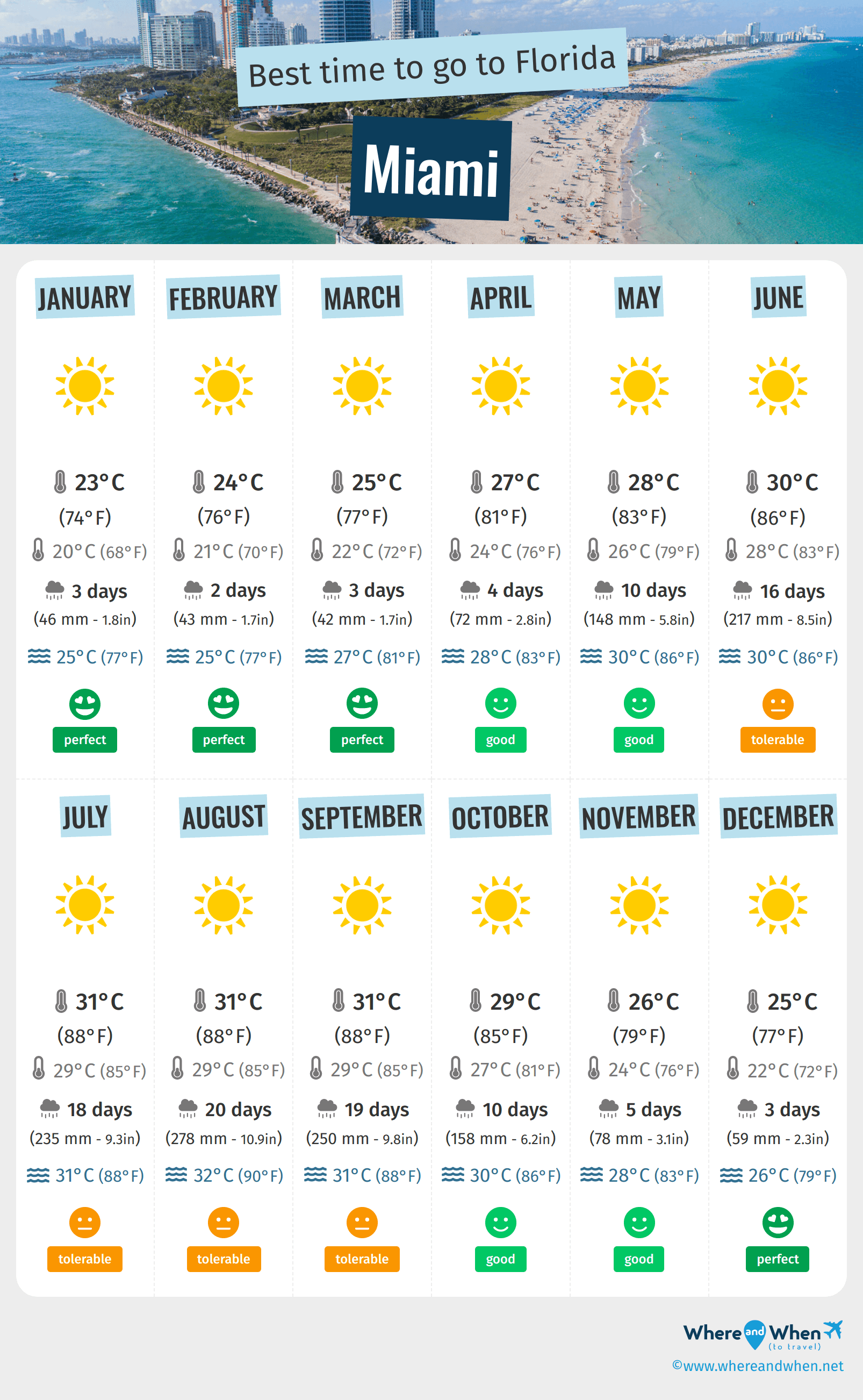
The defining features of Miami’s climate are its abundant sunshine, high humidity, and susceptibility to tropical systems during specific times of the year. Daily temperatures are generally warm to hot, with average highs ranging from the mid-70s Fahrenheit (24-26°C) in winter to the low 90s Fahrenheit (32-34°C) in summer. The constant warmth allows for year-round enjoyment of outdoor activities, although the intensity of the heat and the prevalence of rain vary significantly between seasons. Understanding these nuances is crucial for any visitor planning their travel itinerary and accommodation choices.
A Seasonal Guide to Miami’s Weather
To truly appreciate Miami, it’s essential to break down its weather patterns by season, or more accurately, by its wet and dry periods. Each “season” offers a different facet of the city, catering to various lifestyle preferences and travel goals, from luxury travel to budget travel.
The Peak Season: Warm and Dry Winters (December to April)
For many, the period from December through April represents the quintessential Miami experience. This is the city’s dry season, characterized by delightful weather that makes it the peak of the tourism calendar. Temperatures during these months are remarkably pleasant, with average highs hovering in the mid-70s to low 80s Fahrenheit (24-29°C) and comfortable lows in the 60s Fahrenheit (15-21°C). The humidity is noticeably lower than in the summer, and rainfall is minimal, making for consistently sunny days perfect for exploring.
This ideal climate is why so many flock to Miami for winter escapes, making it an incredibly popular destination for those fleeing colder climates further north. The conditions are perfect for extended lounging on Miami Beach’s pristine sands, indulging in watersports, or strolling through the historic Art Deco Historic District. Outdoor dining becomes a truly magical experience, with numerous restaurants offering al fresco seating along Ocean Drive or overlooking Biscayne Bay. It’s also an excellent time for day trips to natural landmarks like Everglades National Park for airboat tours or Biscayne National Park for snorkeling and diving adventures. Many cruise lines also depart from the Port of Miami during this time, offering convenient voyages to the Caribbean and Bahamas.
Given the high demand, accommodation during these months tends to be at its most expensive. Hotels, resorts, and suites often book up quickly, especially leading up to and during major holidays like Christmas, New Year’s, and Spring Break. If you plan to visit during the peak season, it’s highly recommended to book your flights and hotels well in advance to secure the best rates and availability. Luxurious properties like the Fontainebleau Miami Beach or Faena Hotel Miami Beach are particularly sought after for their premium amenities and direct beach access.
The Shoulder Seasons: Spring (May) and Autumn (November)
The months of May and November serve as transitional periods, often referred to as shoulder seasons. These times can offer a fantastic balance of pleasant weather and fewer crowds, making them ideal for visitors seeking a slightly more relaxed pace and better value.
In May, the dry season begins to give way to the wet season. While temperatures remain warm, typically in the high 80s Fahrenheit (30-32°C), humidity levels start to climb. Afternoon thunderstorms become more frequent, though they are usually brief and bring a welcome cooling effect. It’s a great time to enjoy the beaches before the intense summer heat fully sets in, and many festivals and outdoor events still take place. Exploring vibrant neighborhoods like Wynwood Walls for its street art or savoring the Cuban culture in Little Havana are excellent choices before the peak summer humidity.
November, on the other hand, marks the transition from the wet season back to the dry. Hurricane season officially ends, and the air begins to dry out, making for increasingly comfortable conditions. Temperatures are still warm, typically in the low to mid-80s Fahrenheit (27-29°C), with sunshine becoming more consistent and rainfall less frequent. This month is particularly appealing for those looking for budget travel opportunities before the holiday rush drives up prices. It’s an excellent time for leisurely strolls through Bayfront Park, enjoying the outdoor Bayside Marketplace, or taking advantage of slightly lower airfares and hotel rates compared to the peak winter months.
These shoulder seasons provide a sweet spot for visitors who want to experience Miami’s charms without the absolute peak season crowds or the full intensity of summer. They offer a great opportunity to explore the city’s local culture, food scene, and attractions with a bit more breathing room and often more attractive accommodation deals.
The Off-Peak Season: Hot, Humid, and Rainy Summers (June to October)
Miami’s summer, from June to October, represents the wet season and is considered the off-peak period for tourism for good reason. The weather during these months is characterized by intense heat, very high humidity, and frequent afternoon thunderstorms. Average daily highs consistently reach the upper 80s and low 90s Fahrenheit (31-34°C), but with the humidity, the “feels like” temperature can often exceed 100°F (38°C). The city experiences significant rainfall, usually in the form of heavy, but often brief, afternoon downpours that can last anywhere from 30 minutes to a couple of hours.
This period also falls within the Atlantic Ocean hurricane season, which officially runs from June 1st to November 30th, with the peak activity typically occurring from August through October. While direct hurricane strikes are relatively rare, the threat is present, and visitors should monitor weather forecasts closely if traveling during these months. Major hotels and resorts often have hurricane policies in place, which is something to consider when booking your stay.
Despite these challenges, visiting Miami in the summer has its advantages, primarily significantly lower accommodation prices and fewer crowds at popular attractions. It’s an excellent time for budget travel and exploring Miami’s rich indoor offerings. Landmarks such as the historic Vizcaya Museum & Gardens (though the gardens can be hot, the mansion offers cool respite), the contemporary Pérez Art Museum Miami (PAMM), or the interactive Phillip and Patricia Frost Museum of Science are perfect for escaping the heat and rain. Shopping at air-conditioned malls like Brickell City Centre or Aventura Mall is another popular pastime.
When planning a summer visit, it’s crucial to prioritize hotels with excellent air conditioning, refreshing pools, and potentially indoor amenities like spas or fitness centers that offer a break from the elements. Staying hydrated is non-negotiable, and planning outdoor activities for the early morning or late afternoon can help avoid the midday sun. Many locals and seasoned visitors embrace the afternoon showers as a natural rhythm of the tropical climate, using them as an excuse for a siesta or an indoor activity before the evening cools down slightly.
Beyond the Forecast: How Miami’s Weather Shapes Your Experience
Understanding Miami’s weather is more than just checking a forecast; it’s about anticipating how the climate will influence your entire travel experience. From your packing list to your daily itinerary, the sun, heat, and rain will be constant companions.
Packing Essentials for Any Season
Regardless of when you visit, certain items are crucial for comfort in Miami’s tropical environment. Lightweight, breathable clothing made from natural fabrics like cotton or linen is always a good choice. Even in winter, long sleeves can be beneficial for sun protection, especially if you plan to spend extended periods outdoors. Swimwear is essential year-round, as is high-SPF sunscreen, a wide-brimmed hat, and sunglasses. The Florida sun is powerful, and sunburn can quickly derail a trip.
For the wet season, a compact umbrella or a light rain jacket is indispensable for navigating sudden downpours. Comfortable, waterproof sandals or shoes are also advisable, as streets can get wet quickly. While evening temperatures can dip slightly in winter, a light cardigan or jacket is usually sufficient. In summer, the evenings remain warm and humid, so heavy outerwear is rarely needed.
Activities and Attractions by Weather
Miami’s diverse range of attractions means there’s always something to do, regardless of the weather. On bright, sunny days, particularly during the dry season, the city truly shines. This is the perfect time for beach activities, exploring the historic streets of Coconut Grove, or taking a thrilling airboat ride through the Everglades National Park. Boat tours of Biscayne Bay and fishing charters are also popular.
When the weather turns rainy or excessively hot and humid, Miami offers a wealth of indoor options. Dive into the art scene at institutions like the Pérez Art Museum Miami (PAMM) or the Phillip and Patricia Frost Museum of Science. Indulge in retail therapy at upscale shopping districts like the Design District orventura Mall. Enjoy a culinary journey through Miami’s acclaimed dining scene, from casual food trucks to Michelin-starred restaurants. The city also offers numerous vibrant nightlife venues, from rooftop bars to dance clubs, that are perfect for any evening, rain or shine.
Choosing Your Accommodation Wisely
Your choice of accommodation in Miami should also be influenced by the weather. During the peak dry season, many visitors prioritize hotels and resorts with extensive outdoor amenities: sprawling pools, private beach access, and spacious balconies to enjoy the perfect weather. Properties like The Biltmore Hotel in Coral Gables or W South Beach offer luxurious outdoor spaces that come alive in cooler, drier months.
In the summer, strong air conditioning becomes a non-negotiable amenity. Consider hotels that also offer excellent indoor facilities, such as a great spa, a well-equipped gym, or appealing lobby areas where you can relax during afternoon downpours. Many hotels provide covered walkways or direct access to indoor attractions, which can be a significant convenience during the wet season. For longer stays, opting for apartments or villas with private cooling systems and indoor entertainment options can enhance comfort. Always check reviews regarding the effectiveness of AC, especially if traveling during the hotter months.
In conclusion, while Miami’s weather is predominantly warm and sunny, understanding its seasonal variations is key to a successful trip. Whether you’re chasing the perfect winter sun, seeking shoulder-season value, or braving the humid summer for incredible deals, a little preparation goes a long way. By aligning your expectations and planning your activities and accommodation around Miami’s unique tropical rhythm, you are guaranteed to enjoy the magic of this unparalleled Florida destination, no matter the forecast.
LifeOutOfTheBox is a participant in the Amazon Services LLC Associates Program, an affiliate advertising program designed to provide a means for sites to earn advertising fees by advertising and linking to Amazon.com. Amazon, the Amazon logo, AmazonSupply, and the AmazonSupply logo are trademarks of Amazon.com, Inc. or its affiliates. As an Amazon Associate we earn affiliate commissions from qualifying purchases.