
Florida, the “Sunshine State,” is renowned for its inviting climate, a significant draw for millions of tourists and new residents each year. This temperate haven boasts a unique weather profile shaped by its geographical position, extensive coastlines, and proximity to tropical systems. Understanding Florida’s weather is crucial for anyone planning a visit, from those seeking sun-drenched beaches to adventurers exploring its diverse landscapes. This guide delves into the distinct climatic patterns that define the Sunshine State, offering insights into seasonal variations, potential weather phenomena, and how to best prepare for them.
Understanding Florida’s Climate Zones
While Florida is a single state, its climate is not monolithic. Two primary climate zones dictate regional weather patterns: the humid subtropical climate found in the northern and central parts, and the tropical monsoon climate prevalent in South Florida. This division significantly influences temperature ranges, humidity levels, and rainfall distribution throughout the year.
Northern and Central Florida: Humid Subtropical Charm
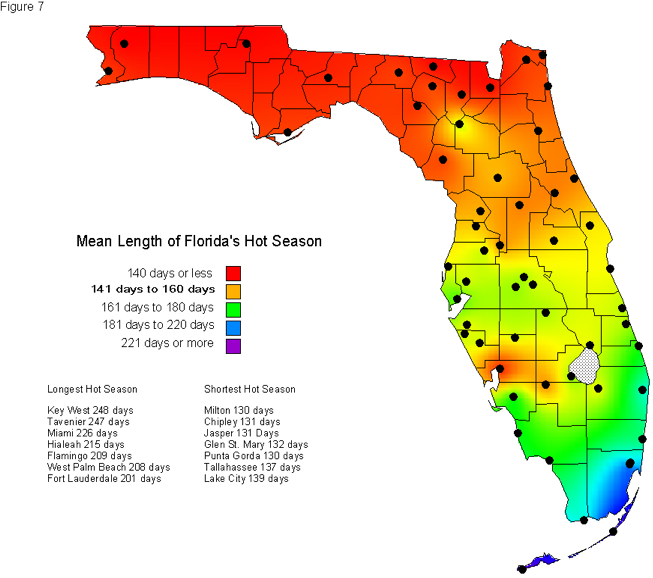
The northern and central regions of Florida, roughly north of an invisible line stretching from around Tampa Bay to Daytona Beach, experience a humid subtropical climate. This zone is characterized by four distinct seasons, although the transitions can be gradual. Summers are typically hot and humid, with average temperatures soaring into the high 80s and low 90s Fahrenheit (around 31-34°C). Afternoon thunderstorms are a common occurrence, providing temporary relief from the heat and humidity. Winters are generally mild and pleasant, with average temperatures in the 50s and 60s Fahrenheit (around 10-20°C). Freezing temperatures are rare but can occur on some winter nights, particularly in the panhandle region. Spring and autumn are considered the most idyllic seasons, offering warm, sunny days with lower humidity and comfortable evening temperatures, making them ideal for outdoor activities and exploring destinations like Orlando or the historic streets of St. Augustine.
South Florida: Tropical Paradise Year-Round
South Florida, including major hubs like Miami, Fort Lauderdale, and the Florida Keys, operates under a tropical monsoon climate. This means it experiences two primary seasons: a hot, wet season and a warm, dry season. The wet season, typically from May through October, is marked by high temperatures often exceeding 90°F (32°C) and substantial rainfall, often in the form of intense, short-lived thunderstorms. Humidity levels are consistently high throughout this period. The dry season, from November through April, offers a welcome respite with warm, sunny days and lower humidity. Temperatures are more moderate, averaging in the 70s and 80s Fahrenheit (around 21-29°C). This makes the dry season the most popular time for tourists seeking to escape colder climates and enjoy the pristine beaches of South Beach or the unique ecosystem of the Everglades National Park.
Seasonal Weather Patterns in Florida
Florida’s weather is best understood by examining its distinct seasons. Each season brings its own set of conditions, influencing everything from the types of activities best suited for the time of year to the potential for severe weather.
Summer (June – August): The Peak of Heat and Humidity
Summers in Florida are synonymous with heat and humidity. Temperatures across the state frequently reach the high 80s and 90s Fahrenheit (31-37°C), with the heat index often making it feel even hotter. The primary characteristic of Florida summers is the daily occurrence of thunderstorms, particularly in the afternoon. These storms can be intense, bringing heavy rain, lightning, and occasional gusty winds, but they are typically short-lived and often followed by sunshine. The Atlantic hurricane season officially begins in June and runs through November, with the peak activity generally occurring from August to October. While not every summer sees a major hurricane, the possibility necessitates awareness and preparation for those living in or visiting coastal areas like Clearwater Beach or the Florida Panhandle.
Autumn (September – November): A Transition to Milder Conditions
As summer wanes, Florida’s weather begins a graceful transition into autumn. September can still feel very much like summer, with lingering heat and humidity, and this is often the most active month for hurricanes. However, as October progresses, temperatures gradually cool, and humidity levels begin to decrease. The chance of daily thunderstorms diminishes, replaced by clearer skies and more comfortable daytime temperatures. This period, especially late October and November, is highly favored by many for its pleasant weather, ideal for exploring theme parks in Tampa or enjoying outdoor festivals. The hurricane threat also lessens significantly as the season draws to a close.
Winter (December – February): The “Cool” Season
Florida’s winters are a significant draw for those seeking an escape from colder climates. While “cold” is a relative term, the winter months offer the mildest temperatures of the year. Northern Florida can experience occasional dips below freezing, especially in the panhandle, and frosts are not uncommon. However, most of the state enjoys daytime temperatures in the 60s and 70s Fahrenheit (15-26°C). Humidity is at its lowest during this season, and the skies are often clear and sunny. This is a prime time for outdoor activities, from visiting attractions like Walt Disney World Resort to enjoying a round of golf or exploring the natural beauty of the Ocala National Forest. The Florida Keys, in particular, offer near-perfect weather during the winter months.
Spring (March – May): A Vibrant Prelude to Summer

Spring in Florida is a delightful season, characterized by consistently pleasant weather. Temperatures gradually warm throughout March, April, and May, but the oppressive humidity of summer has not yet arrived. Daytime highs are typically in the 70s and 80s Fahrenheit (21-29°C), with comfortable evenings. Rainfall increases as spring progresses, especially in late April and May, hinting at the upcoming wet season. This period is excellent for enjoying Florida’s beaches, such as those in Naples, and exploring its numerous state parks and gardens. The blooming of flowers adds an extra layer of beauty to the landscape, making it an ideal time for nature enthusiasts.
Notable Weather Phenomena in Florida
Beyond the regular seasonal patterns, Florida is susceptible to specific weather phenomena that can significantly impact its environment and the experiences of its visitors and residents. Being aware of these occurrences is key to a safe and enjoyable time in the Sunshine State.
Hurricanes and Tropical Storms: The Threat from the Atlantic
The most significant weather concern for Florida is its vulnerability to hurricanes and tropical storms. The state’s extensive coastline and position in the Atlantic basin make it a frequent target. Hurricane season, from June 1 to November 30, requires vigilance. These powerful storms can bring devastating winds, torrential rainfall, and dangerous storm surge, particularly to coastal areas. Residents and visitors are advised to stay informed about hurricane forecasts, heed evacuation orders, and have emergency plans in place. Cities like Jacksonville and Pensacola have experienced the impact of these storms. Preparation is paramount when it comes to hurricane season.
Thunderstorms and Lightning: A Daily Summer Reality
As previously mentioned, thunderstorms are an almost daily occurrence during the summer months, especially in the afternoons. While these storms can bring welcome relief from the heat, they also pose a significant risk due to lightning. Florida experiences more lightning strikes than any other state in the U.S. Visitors are advised to seek shelter indoors immediately when thunder is heard, as lightning can strike miles away from the storm’s core. Water activities should be suspended during thunderstorms.
Rip Currents: A Hidden Danger at the Beach
Florida’s beautiful beaches, such as those on Sanibel Island or Clearwater Beach, are a major attraction. However, swimmers should be aware of the danger of rip currents. These powerful, narrow channels of water moving away from the shore can quickly pull even strong swimmers out to sea. Lifeguards are typically present on popular beaches and will hoist flags to indicate the presence of rip currents. If caught in a rip current, the advice is to swim parallel to the shore until out of the current, then swim back to land.
Tornadoes: An Unforeseen Threat
While not as common as hurricanes or thunderstorms, Florida does experience tornadoes, often associated with the strong thunderstorms and squall lines that move through the state. These can occur at any time of year but are more frequent during the spring and summer months. Tornadoes can form quickly and with little warning, making it essential to be aware of shelter procedures during severe weather.
Preparing for Florida’s Weather
Regardless of the season, adequate preparation is key to enjoying Florida’s diverse weather. Understanding the typical patterns and potential hazards allows travelers to pack appropriately and plan their activities with confidence.
Packing Essentials for Every Season
When packing for a trip to Florida, versatility is essential. For the hot and humid summer months, lightweight, breathable clothing is a must, along with high-SPF sunscreen, a wide-brimmed hat, and sunglasses. Insect repellent is also advisable, particularly for evening excursions. Even during the summer, a light rain jacket or poncho can be useful for unexpected downpours. For the milder winter and spring seasons, layers are recommended. While daytime temperatures are often warm, evenings can be cooler, especially in northern Florida. Comfortable walking shoes are essential for exploring the numerous attractions and natural areas across the state.
Staying Informed and Flexible
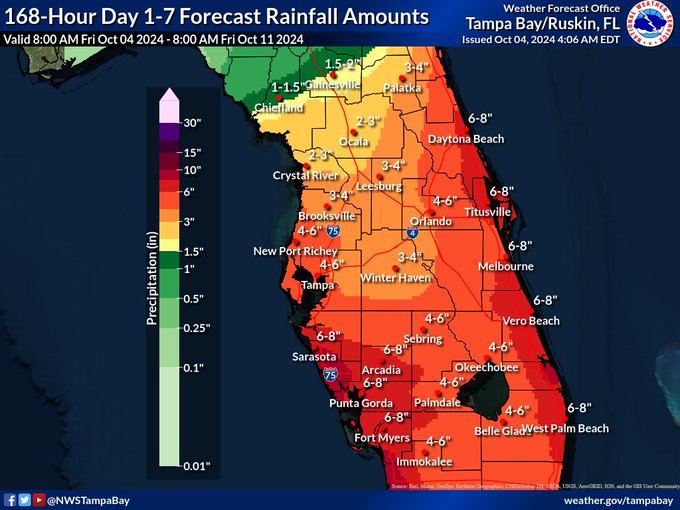
The most crucial aspect of preparing for Florida’s weather is to stay informed and remain flexible with your plans. Before and during your trip, monitor weather forecasts from reliable sources. This is particularly important during hurricane season. Be prepared to adjust your itinerary if severe weather is anticipated. For instance, if a tropical storm is approaching, postponing outdoor excursions and opting for indoor activities at places like the Kennedy Space Center Visitor Complex or museums might be wise. Many attractions offer flexibility with ticketing, allowing for rescheduling when necessary. Embracing Florida’s weather, with its sunshine and occasional dramatic displays, is part of the unique charm of this vibrant state.
LifeOutOfTheBox is a participant in the Amazon Services LLC Associates Program, an affiliate advertising program designed to provide a means for sites to earn advertising fees by advertising and linking to Amazon.com. Amazon, the Amazon logo, AmazonSupply, and the AmazonSupply logo are trademarks of Amazon.com, Inc. or its affiliates. As an Amazon Associate we earn affiliate commissions from qualifying purchases.