
Florida, often affectionately known as the “Sunshine State,” is a premier destination that captivates millions with its pristine beaches, vibrant cities, world-class theme parks, and rich cultural tapestry. However, to truly unlock the best of what Florida offers, understanding its unique climate is paramount. The weather here is a dynamic force, shaping everything from travel itineraries and accommodation choices to daily activities and overall lifestyle experiences. Far from being a monolithic sunny paradise year-round, Florida experiences distinct seasonal shifts, tropical influences, and occasional dramatic weather events that savvy travelers must consider.
This comprehensive guide delves into the intricacies of Florida’s weather patterns, providing invaluable insights for planning your perfect trip. Whether you’re dreaming of a luxurious winter escape, a budget-friendly family adventure, or an immersive cultural exploration, knowing what to expect from the skies above can make all the difference. From the bustling streets of Miami to the enchanting theme parks of Orlando and the serene shores of the Gulf Coast, preparing for Florida’s climate is the first step towards an unforgettable experience.
Florida’s Distinct Seasons: A Climatic Overview
Florida’s geographical position, primarily a peninsula bordered by the Atlantic Ocean to the east and the Gulf of Mexico to the west, grants it a humid subtropical climate in its northern and central regions, transitioning to a tropical climate in the southern parts, including Miami and the Florida Keys. This diversity leads to noticeable variations in weather across the state, but generally, Florida experiences two primary seasons: a hot, wet summer and a mild, dry winter, flanked by pleasant transitional periods of spring and autumn.
The Warm Embrace of Summer (June – September): Heat, Humidity, and Hurricanes
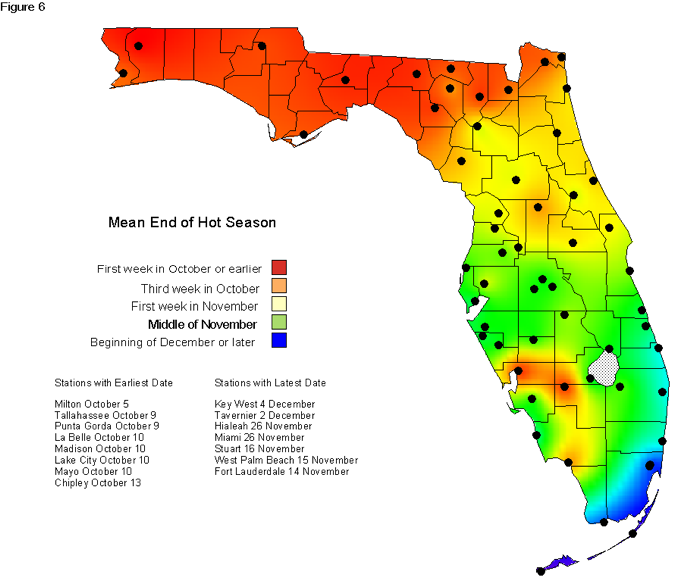
Summer in Florida is characterized by intense heat, high humidity, and frequent, albeit often brief, afternoon thunderstorms. Average daily temperatures across the state typically hover in the upper 80s to low 90s Fahrenheit (around 30-35°C), with the “feels like” temperature often significantly higher due to the moisture in the air. This period, from June 1st to November 30th, also marks hurricane season, a critical factor for anyone planning a visit during these months. While direct hurricane strikes are relatively infrequent, tropical storms and depressions can bring heavy rains, strong winds, and travel disruptions.
For travelers, the summer climate means prioritizing activities that offer respite from the heat. Theme parks like Walt Disney World Resort in Orlando and Universal Studios Florida are popular, but visitors should plan for early mornings, midday breaks, and ample hydration. Water parks, air-conditioned indoor attractions, and coastal activities are highly favored. Coastal cities such as Miami and Fort Lauderdale experience similar conditions, with cooling sea breezes offering some relief. Hotels and resorts across Florida are well-equipped with powerful air conditioning, expansive pools, and often offer indoor entertainment options to cater to summer guests.
Mild Winters and the “Snowbird” Season (December – February): Sunshine and Serenity
Florida’s winter is its peak tourist season, drawing visitors from colder climates seeking sunshine and warmth. During these months, temperatures are delightfully mild, averaging in the 60s and 70s Fahrenheit (15-25°C), with significantly lower humidity than summer. Rainfall is minimal, and clear, sunny days are the norm, making it ideal for outdoor activities. The threat of hurricanes is nonexistent. This period is famously known as the “snowbird” season, as countless individuals from northern states and Canada temporarily relocate to enjoy the pleasant weather.
Destinations like Sarasota, Naples, and the Florida Keys become particularly vibrant, offering perfect conditions for golfing, fishing, boating, and beach relaxation without the oppressive summer heat. Cities such as St. Augustine, with its rich history, become a joy to explore on foot. This increased demand means that accommodation, from luxury resorts like The Breakers Palm Beach to cozy vacation rentals, tends to be more expensive and requires advanced booking. Travelers during this season often seek properties with heated pools, outdoor dining options, and easy access to walking trails and cultural events.
Transitional Beauty: Spring and Autumn (March – May, October – November)
The shoulder seasons of spring and autumn offer some of Florida’s most pleasant weather, blending the best aspects of both summer and winter. Spring (March-May) sees temperatures gradually rise from the comfortable 70s into the 80s Fahrenheit, with relatively low humidity and minimal rainfall, especially in March and April. This is an excellent time for visiting natural attractions like Everglades National Park or enjoying the beaches of Clearwater Beach before the summer crowds and heat arrive. The threat of severe weather is low, making it ideal for outdoor festivals and events.
Autumn (October-November) presents a similar window of opportunity, with temperatures cooling down from summer highs into the comfortable 70s and 80s Fahrenheit. Humidity decreases, and while October is still officially part of hurricane season, the risk generally lessens towards November. This period is fantastic for exploring cities like Tampa, enjoying outdoor dining, or visiting attractions without the peak season crowds. Accommodation during these shoulder seasons can offer better value than winter, with more availability and competitive pricing, making it a great option for budget-conscious travelers or those seeking a more relaxed pace.
Tailoring Your Florida Travel Experience to the Forecast
Understanding Florida’s climate is crucial for making informed decisions about where to go, what to do, and how to prepare. By aligning your travel plans with the seasonal weather, you can maximize enjoyment and minimize potential disruptions.
Selecting Destinations and Activities for Every Climate
For those drawn to the excitement of theme parks like Walt Disney World Resort or Busch Gardens Tampa Bay, the cooler, drier months of winter and early spring are generally preferred. Less heat means more comfortable walking and shorter lines, though crowds can be significant due to holiday periods. Summer visits require a strategy: plan indoor rides during the hottest parts of the day, utilize water rides to cool off, and embrace the afternoon downpours as a chance to duck into a shop or restaurant.

Beach enthusiasts will find that Florida’s vast coastline offers year-round appeal. The pristine sands of South Beach in Miami or Clearwater Beach are inviting in winter for sunbathing and strolling. In summer, the warm Atlantic Ocean and Gulf of Mexico waters are perfect for swimming, snorkeling, and water sports, though afternoon thunderstorms might interrupt beach time. For nature and wildlife explorations, such as visiting Everglades National Park or Biscayne National Park, the drier winter months reduce mosquito activity and make for more comfortable hiking and airboat tours. Historical sites like St. Augustine and cultural attractions such as the Kennedy Space Center Visitor Complex are enjoyable throughout the year, with indoor exhibits providing refuge from any adverse weather.
Essential Packing and Preparation Tips
No matter the season, sun protection is non-negotiable in Florida. Pack high-SPF sunscreen, wide-brimmed hats, and UV-protective clothing. Hydration is also key; always carry a reusable water bottle.
- Summer: Light, breathable clothing (cotton, linen), swimsuits, waterproof sandals, and an umbrella or light rain jacket for sudden downpours. Mosquito repellent is also advisable, especially if planning evening outdoor activities or visiting natural areas.
- Winter: Layers are your best friend. While days are mild, evenings can be cool, especially in northern Florida. Pack long-sleeved shirts, light sweaters or jackets, and comfortable walking shoes. Swimsuits are still useful for heated pools.
- Spring/Autumn: A mix of summer and winter essentials. Light clothing for warm days, a sweater or light jacket for cooler evenings, and comfortable footwear. Always have an umbrella handy, particularly in autumn as hurricane season tapers off.
Navigating Hurricane Season: Planning for Peace of Mind
Traveling during hurricane season (June-November) requires a bit more foresight. While most visits during this period are uneventful, being prepared is crucial.
- Monitor Forecasts: Stay updated on weather advisories from reliable sources like the National Hurricane Center.
- Flexible Bookings: Consider booking flights and accommodations with flexible cancellation policies.
- Travel Insurance: Investing in comprehensive travel insurance that covers weather-related cancellations or interruptions can offer significant peace of mind.
- Communication: Inform friends and family of your travel plans and have a communication plan in case of emergency.
- Emergency Kit: Although unlikely you’ll need one for a typical vacation, knowing the basics (water, non-perishable food, flashlight) is wise if staying in a remote area or for an extended period. Many hotels provide guidance during adverse weather.
Accommodation and Lifestyle: Finding Your Perfect Florida Stay
The choice of accommodation and the desired lifestyle during your Florida trip are intimately linked to the state’s diverse weather patterns and seasonal dynamics. From luxurious beachfront resorts to budget-friendly apartments and family-centric villas, the optimal choice often depends on the time of year and your specific priorities.
Choosing Hotels, Resorts, and Alternative Accommodations
Florida boasts an incredible array of lodging options, catering to every taste and budget.
- Peak Season (Winter): During the popular winter months, demand for high-end properties like The Don CeSar on St. Pete Beach or boutique hotels in Key West is at its highest. Expect premium pricing and book well in advance, especially for holiday periods. Many “snowbirds” opt for long-term rentals in apartments, condos, or villas, offering home-like amenities for extended stays. Properties with heated pools, proximity to golf courses, and comfortable outdoor lounging areas are particularly sought after.
- Off-Peak Season (Summer): While still busy, summer can offer better deals on luxury hotels and resorts, particularly outside of the Orlando theme park corridor. Many resorts focus on providing excellent indoor entertainment, expansive water parks, and shaded pool areas to combat the heat. Air conditioning is a non-negotiable amenity. Family-friendly resorts often provide children’s programs and activities that are suitable for all weather conditions.
- Shoulder Seasons (Spring & Autumn): These periods often present the sweet spot for value and availability. You might find excellent rates at premium hotels, or enjoy more choice in charming vacation rentals, allowing for a more authentic local experience. Boutique hotels in historic districts, like those found in St. Augustine, are particularly enjoyable when the weather is mild.
When booking, consider the amenities that align with the season. For summer, look for properties with large, inviting pools, proximity to indoor attractions, and perhaps even covered parking. In winter, an outdoor patio or balcony to enjoy the pleasant weather, or a hotel near walking paths and cultural sites, can enhance your stay.
Experiencing Florida’s Local Culture and Cuisine Year-Round
Florida’s vibrant local culture and diverse culinary scene can be enjoyed throughout the year, with a few seasonal nuances. In the cooler months, outdoor dining and al fresco festivals truly shine. Cities like Sarasota and Naples host art shows and food festivals that leverage the beautiful weather. Seafood is a staple, and winter is a prime time for stone crab season, particularly in southern Florida.
During the hotter, wetter summer, many restaurants adapt by offering comfortable indoor seating and extensive bar areas. Farmers’ markets might shift to early morning hours, and indoor attractions like museums (e.g., Vizcaya Museum & Gardens in Miami or Salvador Dalí Museum in St. Petersburg) become popular ways to immerse in local culture while escaping the heat or rain. The state’s diverse population also ensures a constant stream of cultural events and dining experiences, from Cuban influences in Miami to Southern charm in northern Florida.
Luxury, Budget, Family, and Business Travel: Adapting to the Climate
The weather also plays a significant role in tailoring specific travel lifestyles:
- Luxury Travel: Winter is the prime season for luxury travel in Florida, with exclusive resorts in Palm Beach and private villas in the Florida Keys offering unparalleled experiences in ideal weather. Summer luxury might involve private yacht charters or stays at resorts with exceptional indoor amenities.
- Budget Travel: The shoulder seasons, especially late spring and late autumn, offer the best opportunities for budget travelers. Lower flight and accommodation costs, combined with pleasant weather, make it an attractive time to explore state parks like Bahia Honda State Park or visit attractions with fewer crowds.
- Family Trips: Florida is a family-friendly haven year-round. In summer, theme park visits require careful planning to manage heat, while water parks and resort pools are essential. Winter offers comfortable conditions for all outdoor activities, though theme parks can be very busy during school breaks. Many family resorts, like those near Orlando, are designed to offer entertainment regardless of the weather.
- Business Stays: For business travelers, Florida’s major cities like Tampa, Miami, and Orlando offer state-of-the-art conference centers and hotels equipped for all seasons. Climate-controlled environments ensure comfort during meetings and events. During hurricane season, businesses often have contingency plans in place, and major hotels are adept at managing guest safety and comfort.

Beyond the Forecast: Florida’s Year-Round Appeal
While Florida’s weather is undoubtedly a central character in any travel narrative, it’s the state’s resilience and diversity that truly shine. Despite the summer heat, Florida thrives with vibrant energy. Even during hurricane season, the vast majority of days are sunny and beautiful, and advanced warning systems ensure safety. The mild winters offer a luxurious escape, and the shoulder seasons present an ideal balance for those seeking pleasant weather without the peak season crowds.
Ultimately, Florida’s weather is an integral part of its identity, contributing to its unique charm and character. By understanding its rhythms and planning accordingly, visitors can ensure that their experience in the Sunshine State is nothing short of magical, no matter when they choose to arrive. From soaking up the rays on Clearwater Beach to exploring the historic streets of St. Augustine or marveling at the wonders of Walt Disney World Resort, Florida promises a memorable adventure, perfectly attuned to the skies above.
LifeOutOfTheBox is a participant in the Amazon Services LLC Associates Program, an affiliate advertising program designed to provide a means for sites to earn advertising fees by advertising and linking to Amazon.com. Amazon, the Amazon logo, AmazonSupply, and the AmazonSupply logo are trademarks of Amazon.com, Inc. or its affiliates. As an Amazon Associate we earn affiliate commissions from qualifying purchases.