
Florida, a jewel in the southeastern United States, beckons millions of travelers each year with its sun-drenched beaches, vibrant cities, and unparalleled theme parks. From the magical realm of Orlando to the Art Deco splendor of Miami, and the historic charm of St. Augustine to the tranquil shores of the Florida Keys, the Sunshine State offers an incredible diversity of experiences. However, one common question often arises for those planning their escape: “What time is Florida in?” While seemingly straightforward, understanding Florida’s time zones is crucial for seamless travel planning, coordinating itineraries, and ensuring you make the most of every precious moment in this captivating destination.
This comprehensive guide will delve into the intricacies of Florida’s time zones, highlight their practical implications for visitors, and explore how to expertly navigate the state’s diverse offerings, from its world-class accommodations to its iconic landmarks and unique lifestyle opportunities. Prepare to synchronize your watches and embark on an unforgettable journey through the Sunshine State.
The Geographic Tapestry: Understanding Florida’s Time Zones
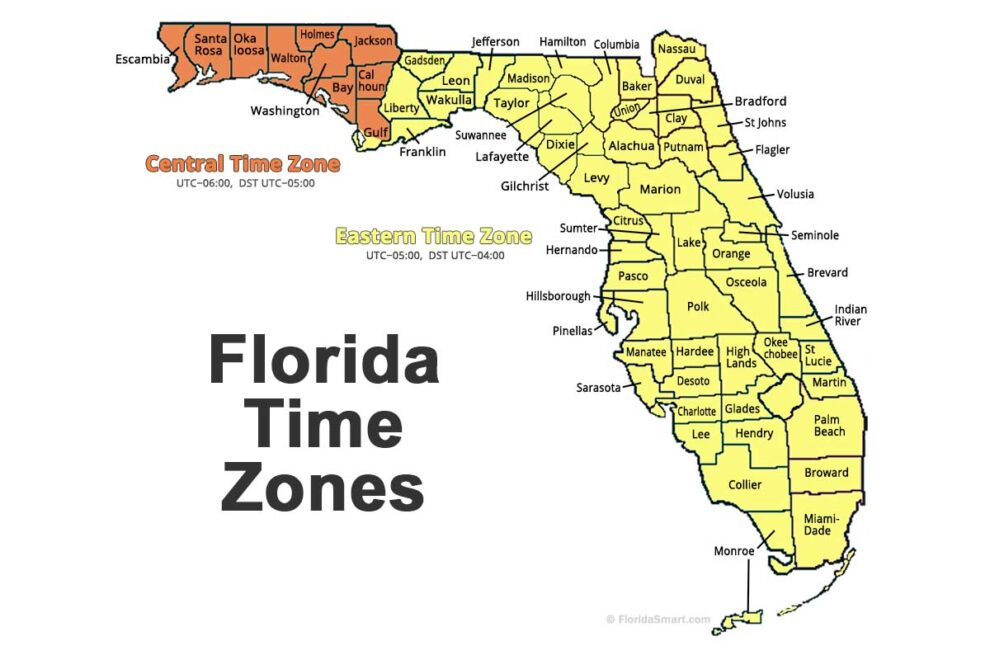
Florida’s unique geographical shape, stretching far south into the Caribbean and west along the Gulf Coast, means that it actually spans two distinct time zones. While the vast majority of the state observes one, a significant portion of its western Panhandle adheres to another, a detail that can easily trip up unsuspecting travelers.
Eastern Standard Time (EST) / Eastern Daylight Time (EDT)
The predominant time zone across Florida is the Eastern Time Zone. This includes all of peninsular Florida, from Jacksonville down to Key West, and most of the Panhandle east of the Apalachicola River. This means iconic destinations like Orlando, Miami, Tampa, Fort Lauderdale, Naples, Sarasota, and the state capital, Tallahassee, all operate on Eastern Standard Time (EST) during the winter months and Eastern Daylight Time (EDT) during the spring, summer, and fall. EDT is observed from the second Sunday in March until the first Sunday in November, during which clocks are moved forward by one hour. This aligns Florida with major East Coast cities like New York City and Washington D.C..
For the majority of visitors, especially those heading to the theme parks, beaches, or metropolitan areas, their entire trip will likely remain within the Eastern Time Zone. This simplifies planning considerably, as there’s no need to adjust for internal time changes within their primary travel area.
Central Standard Time (CST) / Central Daylight Time (CDT)
The westernmost counties of the Florida Panhandle fall into the Central Time Zone. This region includes popular destinations like Pensacola, Destin, and Panama City Beach. These areas observe Central Standard Time (CST) in winter and Central Daylight Time (CDT) during the warmer months, making them one hour behind the rest of Florida. For instance, if it’s 3 PM in Orlando, it will be 2 PM in Pensacola.
This time zone split is particularly relevant for travelers who plan to explore both the central or southern parts of Florida and then venture westward along the Panhandle, or for those driving into Florida from states like Alabama or Mississippi, which are predominantly in the Central Time Zone. Awareness of this change is paramount to avoid missing flights, appointments, or check-in times.
Why Time Zones Matter for Travelers
Understanding Florida’s time zones is not just an academic exercise; it has real-world implications for a stress-free travel experience.
- Flight Schedules: When booking connecting flights or coordinating arrivals and departures, always confirm the local time zone for each airport. A flight from Miami International Airport to Pensacola International Airport will involve a time change, which must be factored into your itinerary.
- Hotel Check-ins/Check-outs: If your itinerary involves staying in both Eastern and Central Time Zone areas, ensure your accommodation bookings align with the correct local times. Missing a check-in window or arriving late can lead to complications.
- Event Planning: Concerts, sporting events, restaurant reservations, and attraction opening hours are always listed in local time. Double-checking the time zone prevents confusion and ensures you arrive on time for your planned activities.
- Business Meetings: For business travelers, being mindful of the time difference when scheduling calls or meetings with contacts across the state is crucial for professionalism and punctuality.
- Road Trips: As you drive across the state, particularly across the Apalachicola River into the Central Time Zone, your phone or GPS might automatically adjust, but it’s wise to have a backup watch or mentally prepare for the shift. Signage typically indicates time zone changes, but vigilance is key.
Beyond the Clock: Maximizing Your Florida Experience
Once you’ve mastered the nuances of Florida’s time zones, the real adventure begins. The Sunshine State offers an incredible array of experiences, catering to every type of traveler, from thrill-seekers and history buffs to nature lovers and culinary enthusiasts.
Iconic Destinations and Must-See Landmarks
Florida is synonymous with world-famous attractions. In Orlando, the Walt Disney World Resort, encompassing Magic Kingdom, Epcot, Hollywood Studios, and Animal Kingdom, stands as a beacon of family fun. Nearby, Universal Orlando Resort thrills visitors with its Wizarding World of Harry Potter and adrenaline-pumping rides. For space enthusiasts, the Kennedy Space Center Visitor Complex near Cape Canaveral offers an inspiring glimpse into space exploration.
Beyond the theme parks, Florida boasts natural wonders like the Everglades National Park, a unique wetland ecosystem teeming with wildlife. The pristine beaches of South Beach in Miami are legendary, while the historical streets of St. Augustine, home to the Castillo de San Marcos, transport visitors back to colonial times. In Tampa, Busch Gardens Tampa Bay combines thrilling rides with exotic animals, and the Salvador Dalí Museum in St. Petersburg houses an impressive collection of the surrealist artist’s works. Don’t forget the captivating drive along the Florida Keys Scenic Highway to Key West, culminating in a visit to Dry Tortugas National Park.
Culinary Journeys and Local Culture
Florida’s diverse cultural tapestry is reflected in its eclectic culinary scene. From fresh seafood straight from the Gulf of Mexico or the Atlantic Ocean to vibrant Cuban cuisine in Miami’s Little Havana, and Southern comfort food in the Panhandle, there’s a flavor for every palate. Indulge in stone crab claws, key lime pie, and fresh citrus. Explore farmers’ markets for local produce and artisanal goods, or embark on a food tour to uncover hidden gastronomic gems.

The state’s culture is a rich blend of Spanish, Caribbean, and Southern influences. Attend a local festival, like Art Basel Miami Beach or a small-town seafood festival, to truly immerse yourself. Visit the Vizcaya Museum & Gardens in Miami for a glimpse into Florida’s opulent past, or explore the quaint art galleries of Sarasota.
Adventure and Relaxation: Tailoring Your Trip
Whether you crave adrenaline or tranquility, Florida delivers. Seek thrills with airboat rides through the Everglades, parasailing off the coast of Clearwater Beach, or experiencing the roller coasters at Busch Gardens. For relaxation, unwind on the sugar-white sands of Siesta Key, kayak through serene mangroves, or enjoy a rejuvenating spa day at one of Florida’s many luxury resorts.
The Florida Springs offer unique opportunities for swimming, snorkeling, and diving in crystal-clear waters year-round. Golf enthusiasts will find an abundance of championship courses, while fishing charters provide opportunities to reel in a prize catch. Florida truly is a playground for all ages and interests.
Where to Stay: Accommodation Across Florida’s Time Zones
Finding the perfect place to stay is paramount to any successful trip, and Florida’s accommodation options are as diverse as its landscapes. From sprawling luxury resorts to cozy boutique hotels and private vacation rentals, there’s something to suit every budget and travel style, regardless of the time zone.
Luxury Resorts and Boutique Stays
For those seeking an indulgent escape, Florida is home to some of the world’s most opulent resorts. In Orlando, properties like the Four Seasons Resort Orlando at Walt Disney World Resort and the Waldorf Astoria Orlando offer exquisite amenities, gourmet dining, and unparalleled service. Along the coast, cities like Naples, Miami Beach, and Palm Beach boast legendary establishments such as The Ritz-Carlton, St. Regis Bal Harbour Resort, and The Breakers Palm Beach. These offer everything from private beach access and championship golf courses to world-class spas and fine dining.
Boutique hotels, often found in historic districts or trendy neighborhoods like South Beach and St. Augustine, provide a more intimate and personalized experience, reflecting local charm and unique design aesthetics. Regardless of whether you’re in the Eastern or Central Time Zone, you’ll find top-tier hotels from brands like Hilton, Marriott, and Hyatt, ensuring consistent quality and service.
Family-Friendly Options and Vacation Rentals
Families flock to Florida, and the state caters to them with an abundance of family-friendly accommodations. Resorts within or near Walt Disney World and Universal Orlando offer themed rooms, kid-centric activities, and convenient transportation to parks. Many hotels, such as the Hard Rock Hotel Orlando, feature expansive pool complexes with lazy rivers and waterslides.
Vacation rentals, from condos in Panama City Beach to villas near Disney and charming cottages in Key West, provide space, privacy, and amenities like full kitchens, making them ideal for longer stays or larger groups. They offer a “home away from home” experience, allowing travelers to immerse themselves more deeply in the local lifestyle. Booking platforms offer a wide range of options, making it easy to compare and find the perfect fit, always ensuring to note the local time for check-in.
Planning Your Perfect Florida Getaway
Effective planning is the cornerstone of any memorable trip, especially to a destination as expansive and varied as Florida. By considering the practicalities and leveraging available resources, you can ensure a seamless and enriching experience.
Best Time to Visit and Event Planning
Florida enjoys a subtropical to tropical climate, making it a year-round destination. However, the “best” time to visit often depends on your priorities.
- Fall (September-November): Offers pleasant temperatures, fewer crowds after the summer rush, and lower humidity. It’s also prime time for events like the Epcot International Food & Wine Festival.
- Winter (December-February): Features mild, sunny weather perfect for beach holidays and outdoor activities, though it’s peak season with higher prices and larger crowds, particularly around holidays and at theme parks.
- Spring (March-May): Brings warm weather, vibrant flora, and spring break energy. It’s an excellent time for water activities before the peak summer heat.
- Summer (June-August): Hot and humid with frequent afternoon thunderstorms, but perfect for theme park visits (with water parks!) and enjoying the beaches. It’s also hurricane season, so travel insurance is highly recommended.
When planning your trip, consult local event calendars for specific cities or regions. The Miami International Boat Show, various music festivals, and sporting events occur throughout the year. Always confirm event times and dates, particularly if they span different time zones.

Seamless Travel: From Flights to Local Transportation
Booking flights well in advance, especially during peak seasons, is advisable. Florida is served by numerous international and regional airports, including Orlando International Airport (MCO)), Miami International Airport (MIA)), Fort Lauderdale-Hollywood International Airport (FLL)), and Tampa International Airport (TPA). Remember to factor in potential time zone changes for arrivals and departures in areas like Pensacola.
Once on the ground, rental cars offer the most flexibility for exploring the state at your own pace. For inter-city travel, particularly between Miami and Orlando, the Brightline high-speed rail offers a comfortable and efficient alternative. Within cities, ride-sharing services, taxis, and public transportation options are readily available. Always allocate sufficient travel time between destinations, considering traffic and potential time zone adjustments if you’re crossing the boundary.
By understanding Florida’s time zones and strategically planning your itinerary around its diverse offerings, you’re set to unlock an unforgettable journey through the Sunshine State. From the thrill of its attractions to the tranquility of its natural beauty, Florida promises an experience that will leave you refreshed, inspired, and already dreaming of your next visit.
LifeOutOfTheBox is a participant in the Amazon Services LLC Associates Program, an affiliate advertising program designed to provide a means for sites to earn advertising fees by advertising and linking to Amazon.com. Amazon, the Amazon logo, AmazonSupply, and the AmazonSupply logo are trademarks of Amazon.com, Inc. or its affiliates. As an Amazon Associate we earn affiliate commissions from qualifying purchases.