
Embarking on a journey to the Sunshine State brings with it a kaleidoscope of vibrant experiences, from the sun-drenched beaches of Miami to the magical theme parks of Orlando. However, before you dive headfirst into your Florida adventure, understanding the local time is more than just a matter of setting your watch; it’s a crucial component of seamless travel planning, ensuring you maximize every precious moment. While the question “What time is now in Florida, USA?” seems straightforward, the answer reveals a fascinating geographical nuance that impacts everything from flight schedules to dinner reservations across this diverse state.
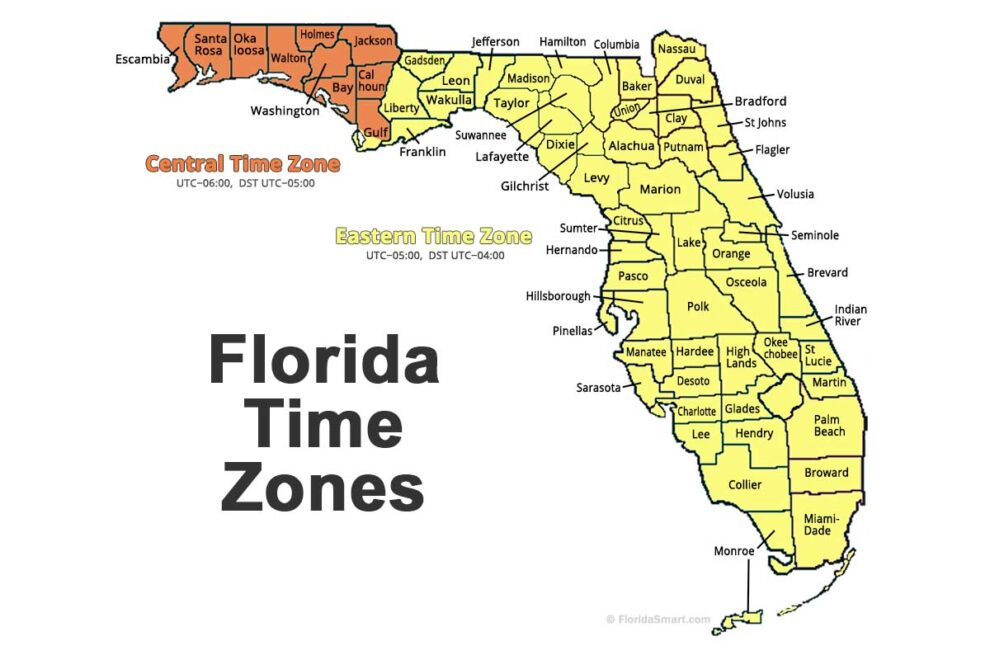
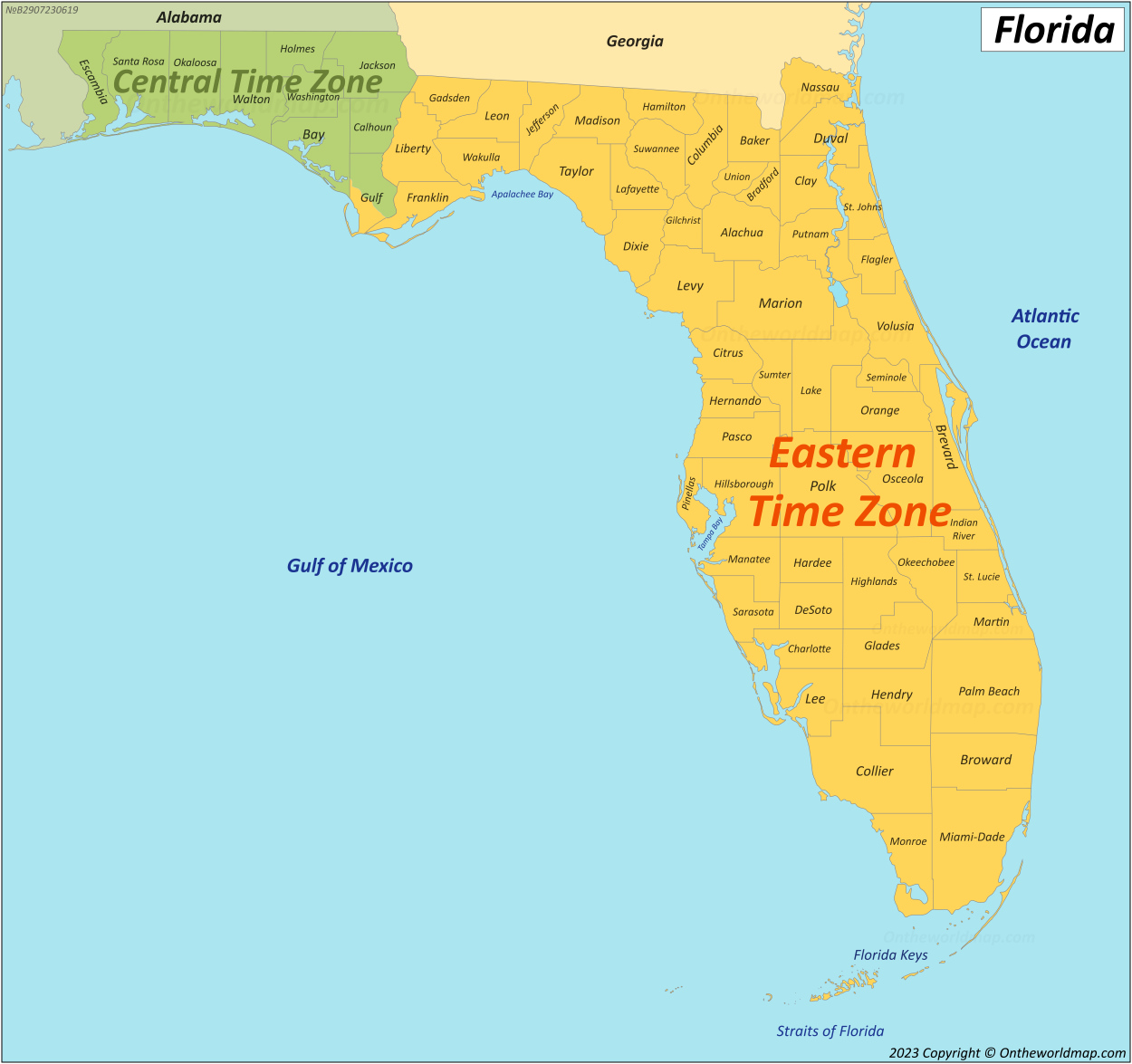
At its core, Florida is primarily situated within the Eastern Time Zone. This means that the vast majority of the state observes Eastern Standard Time (EST) during the winter months and Eastern Daylight Time (EDT) during the summer, aligning with cities like New York and Washington D.C.. However, a significant portion of the western Florida Panhandle operates on the Central Time Zone, observing Central Standard Time (CST) and Central Daylight Time (CDT). This geographical split introduces an hour difference, a detail often overlooked by travelers which can lead to missed appointments, delayed check-ins, or simply a moment of confusion.
This article serves as your comprehensive guide to navigating Florida’s time zones, offering insights into how these temporal distinctions can influence your tourism plans, accommodation bookings, and overall lifestyle experience. Whether you’re chasing thrills at a world-renowned landmark, unwinding at a luxury resort, or savoring the local culture, understanding Florida’s time landscape is your first step towards an impeccably planned and thoroughly enjoyable getaway.
Navigating Florida’s Time Zones: A Traveler’s Guide
Florida’s unique geographical sprawl across two time zones is a key consideration for any visitor. While the majority of the state marches to the beat of Eastern Time, the western Panhandle offers a slight temporal shift that can significantly alter your plans if not accounted for. Let’s delve into the specifics of each zone and highlight the key areas within them.
Eastern Standard Time (EST) / Eastern Daylight Time (EDT): The Sunshine State’s Primary Pulse
The vast majority of Florida, including its most famous destinations and bustling urban centers, falls within the Eastern Time Zone. This means that for much of your journey through the state, you’ll be operating on the same time as major East Coast cities. This consistency simplifies planning for many, but it’s still crucial to be aware of how Daylight Saving Time affects the clocks.
When observing Eastern Standard Time (EST), clocks are set five hours behind Coordinated Universal Time (UTC-5). When Eastern Daylight Time (EDT) is in effect, typically from mid-March to early November, clocks spring forward by an hour, aligning four hours behind Coordinated Universal Time (UTC-4). This shift, while common across much of the United States, is important to remember, especially when coordinating with international flights or connecting with people in different time zones.
Major cities and popular destinations within the Eastern Time Zone include:
- Miami and Miami Beach: Famous for their vibrant nightlife, stunning Art Deco Historic District, and pristine sands of South Beach. Here, the time dictates early morning jogs, lively brunch scenes, and late-night revelries. Luxury accommodations like the Fontainebleau Miami Beach operate on this schedule, catering to guests looking for both relaxation and excitement.
- Orlando: Home to world-renowned theme parks such as Walt Disney World Resort (including Magic Kingdom, Epcot, Hollywood Studios, and Animal Kingdom), Universal Studios Florida (with its popular Wizarding World of Harry Potter in Islands of Adventure), and SeaWorld Orlando. Park opening and closing times, as well as show schedules, are meticulously set by the Eastern Time Zone, making timely arrival crucial for maximizing your experience. Many top hotels like the Four Seasons Resort Orlando at Walt Disney World Resort and the Waldorf Astoria Orlando align their services to this schedule.
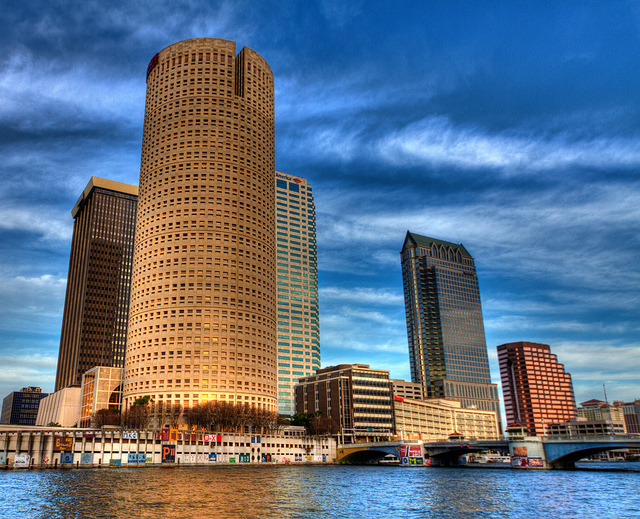
- Tampa and St. Petersburg: Gateway to the Gulf Coast’s beautiful beaches like Clearwater Beach, and home to attractions like Busch Gardens Tampa Bay and the Salvador Dalí Museum. These vibrant cities also follow Eastern Time, influencing everything from the timing of sunset strolls along the St. Pete Pier to reservations at popular waterfront restaurants. The historic The Don CeSar resort exemplifies luxury on Eastern Time.
- Fort Lauderdale: Known as the “Venice of America” with its extensive canal system, beautiful beaches, and vibrant arts scene. The city’s dynamic social calendar, from yachting events to beach festivals, all adhere to Eastern Time. The Margaritaville Hollywood Beach Resort offers a laid-back experience firmly on EDT/EST.
- Key West and the Florida Keys: While geographically further west, these iconic islands along the Overseas Highway still maintain Eastern Time, aligning their famed sunset celebrations at Mallory Square with the rest of South Florida. Resorts like Hawks Cay Resort offer a slice of paradise operating on this schedule.
- Jacksonville and St. Augustine: Representing North Florida’s rich history and natural beauty. St. Augustine, the nation’s oldest continuously inhabited European-established settlement, with landmarks like the Castillo de San Marcos and the charming Historic St. George Street, operates on Eastern Time, dictating its tour schedules and historic reenactments.
Central Standard Time (CST) / Central Daylight Time (CDT): The Panhandle’s Unique Rhythm
Venturing into the westernmost reaches of Florida’s Panhandle introduces a shift into the Central Time Zone. This area aligns with states like Alabama and Mississippi, placing it one hour behind the majority of Florida. For travelers crossing this invisible line, particularly those on road trips, it’s a detail that demands attention.
During Central Standard Time (CST), clocks are six hours behind Coordinated Universal Time (UTC-6). When Central Daylight Time (CDT) is observed, clocks advance by an hour, becoming five hours behind Coordinated Universal Time (UTC-5). The changeover dates for Daylight Saving Time are consistent across both zones, so the one-hour difference between them remains constant.
Key cities and attractions in the Central Time Zone include:
- Pensacola: A historic city known for its beautiful Gulf Islands National Seashore and the National Naval Aviation Museum. Its schedule, from museum hours to dining experiences, runs on Central Time.
- Panama City and Panama City Beach: Famous for their sugar-white sands and emerald waters. Vacationers here enjoy the sun and surf on Central Time, which affects everything from boat tours to evening entertainment.
- Destin and Fort Walton Beach: Popular family vacation spots with stunning beaches and excellent fishing. Resorts and villas in this area, like the Hilton Sandestin Beach Golf Resort & Spa, operate on Central Time, shaping the rhythm of visitors’ stays.
It’s important to note that the exact dividing line can sometimes feel ambiguous, particularly around cities like Tallahassee, Florida’s capital. While the city itself is in Eastern Time, venturing just a short distance west can place you in the Central Time Zone. Always verify the local time, especially if you are traveling between these regions or have appointments set in both areas.
The Impact of Time on Your Florida Travel Experience
Understanding Florida’s time zones is far from a mere academic exercise; it has practical implications that can significantly affect the smooth execution of your travel plans. From the moment you book your flight to the last sunset you witness, time plays a pivotal role.
Planning Your Itinerary: Flights, Check-ins, and Park Hours
The primary impact of time zones on travel manifests in scheduling. Flights, especially those crossing the Eastern/Central Time line, will always list departure and arrival times in local time. This means a one-hour flight from Atlanta (Eastern Time) to Pensacola (Central Time) might appear to take two hours on your itinerary if you’re not paying attention to the time zone difference. Conversely, flying east from Panama City to Orlando could seemingly shorten your travel time. Always double-check the time zone for both your departure and arrival airports to avoid confusion.
Hotel check-in and check-out times are strictly enforced based on the local time of your accommodation. Arriving an hour late due to a time zone miscalculation might result in a delay in getting your room, or worse, a missed reservation if you’ve booked a late check-in. Conversely, checking out too early because you mistakenly thought it was later can cut short your precious vacation time. Reputable establishments like The Ritz-Carlton or JW Marriott Miami Turnberry Resort & Spa will always clearly state their local times for such procedures.
For those visiting Florida’s world-famous theme parks and attractions, time is of the essence. Walt Disney World Resort, Universal Studios Florida, and LEGOLAND Florida Resort all operate on Eastern Time. Their opening and closing hours, show schedules, parade times, and even ride queue cut-offs are non-negotiable. Missing a crucial FastPass+ window or a coveted dining reservation because of a time zone error can be incredibly frustrating. Likewise, those exploring the Kennedy Space Center Visitor Complex need to be acutely aware of launch windows and tour times, which are all set to Eastern Time.
Dining and Nightlife Across Time Zones
Florida’s diverse culinary scene and vibrant nightlife also demand an awareness of local time. A 7:00 PM dinner reservation in Sarasota (Eastern Time) is a very different hour from a 7:00 PM reservation in Pensacola (Central Time). If you’re driving across the state, consider that restaurant closing times, particularly for smaller, independent eateries, will also shift by an hour. This can be critical if you’re planning a late dinner after a long day of travel.
Nightlife experiences, from the dance clubs of South Beach to the live music venues of Ybor City in Tampa, are intrinsically tied to local time. Last call for drinks and club closing times will differ between the Eastern and Central Time Zones. For those enjoying the lifestyle aspects of their trip, misjudging the time can lead to a premature end to an evening out or, conversely, arriving too late to enjoy the peak hours. Even attractions like the Ringling Museum of Art or the Salvador Dalí Museum have timed entry slots that are strictly Eastern Time based.
Embracing Florida Time: Tips for a Seamless Trip
Despite the complexities of two time zones, planning a trip to Florida can be seamless with a few proactive measures. The key is awareness and preparation, allowing you to fully immerse yourself in the local culture, stunning natural beauty, and exciting attractions without a temporal hitch.
Be Mindful of Daylight Saving Time (DST)
Florida, like most of the United States, observes Daylight Saving Time. Clocks “spring forward” one hour on the second Sunday in March and “fall back” one hour on the first Sunday in November. While the change occurs simultaneously across both Eastern and Central Time Zones, maintaining the one-hour difference, it’s a significant date to remember if your travel coincides with these periods.
The shift can temporarily disrupt sleep patterns (a phenomenon often called “jet lag light”) and can throw off initial arrival plans. If you arrive on the day DST begins or ends, confirm all your scheduled activities, particularly flights and hotel check-ins, to ensure you’re adhering to the new local time. Many modern smartphones and smartwatches automatically adjust, but it’s always wise to manually double-check, especially if you’re relying on older devices or have a packed schedule.
Staying Connected: Communication Across Time Zones
For travelers needing to stay in touch with family, friends, or colleagues outside of Florida, time zone differences become even more pronounced. If your home base is in a different time zone, factor in the difference when scheduling calls, video chats, or important work communications. A 9:00 AM meeting in Los Angeles (Pacific Time) would be noon in Eastern Florida and 11:00 AM in the Panhandle’s Central Time Zone.
Similarly, if you’re coordinating with other travelers who might be arriving from different parts of the country or world, ensure everyone is aware of the local Florida time for meet-ups and shared activities. This is especially true for large family trips or business stays where precise coordination is essential for group harmony and productivity. Many resorts and vacation apartments offer amenities like high-speed internet, making it easier to stay connected and coordinate.
Practical Tips for Travelers:
- Set Your Devices to Automatic Time Zone Updates: Most smartphones and smartwatches automatically adjust to the local time zone when you arrive. Ensure this setting is enabled.
- Confirm All Bookings with Local Times: When making reservations for flights, hotels, tours, or dining, always confirm the time zone for the booking. Many online booking platforms specify this, but it doesn’t hurt to double-check.
- Utilize World Clock Apps: Keep a world clock app handy on your phone to quickly compare Florida’s time with your home time zone or other relevant locations.
- Allow Buffer Time: Especially when transitioning between the Eastern and Central Time Zones within Florida, build in extra buffer time. An hour’s difference can quickly eat into travel plans or lead to missed connections.
- Inform Your Contacts: If you’re conducting business or have family expecting updates, remind them of Florida’s time zones (and the split, if relevant to your location within the state) to manage expectations for communication.
- Embrace the Pace: While time zones are important, remember that you’re on vacation! Part of the experiences of travel is adjusting to local rhythms. The slightly slower pace of the Panhandle or the vibrant, always-on energy of South Florida are part of the charm.
In conclusion, understanding “what time is now in Florida, USA” extends beyond a simple glance at a clock. It’s about recognizing the state’s unique temporal geography, particularly the division between its Eastern and Central Time Zones, and how this impacts every facet of a well-planned trip. By being mindful of Daylight Saving Time, confirming local times for all bookings, and setting your devices accordingly, you can ensure your Florida adventure is as smooth and enjoyable as the state’s legendary sunshine. From the historic streets of St. Augustine to the serene shores of Siesta Key Beach and the untamed wilderness of Everglades National Park, every moment in Florida can be savored to its fullest, perfectly in sync with local time.
LifeOutOfTheBox is a participant in the Amazon Services LLC Associates Program, an affiliate advertising program designed to provide a means for sites to earn advertising fees by advertising and linking to Amazon.com. Amazon, the Amazon logo, AmazonSupply, and the AmazonSupply logo are trademarks of Amazon.com, Inc. or its affiliates. As an Amazon Associate we earn affiliate commissions from qualifying purchases.