
Planning a trip to Orlando, Florida invariably involves checking the weather forecast. As one of the world’s premier travel destinations, renowned for its theme parks, vibrant culture, and diverse attractions, understanding Orlando, Florida’s climate is crucial for an unforgettable experience. Whether you’re dreaming of sun-drenched days at Walt Disney World Resort, thrilling rides at Universal Orlando Resort, or exploring the local charm, the weather plays a pivotal role in shaping your itinerary, packing list, and overall enjoyment. This guide delves deep into Orlando, Florida’s climate, offering insights to help you navigate its seasons like a seasoned traveler, ensuring your accommodation is perfect, and your tourism experiences are maximized.

Understanding Orlando’s Climate: A Traveler’s Perspective
Orlando, Florida boasts a humid subtropical climate, characterized by hot, humid summers and mild, relatively dry winters. The sunshine state lives up to its name, with plenty of sunny days throughout the year, making it an attractive destination even during its cooler months. However, the distinct seasons bring varying conditions that travelers should be aware of, especially when considering the intensive outdoor activities that define much of the Orlando, Florida experience.
Seasonal Breakdown: What to Expect When
Navigating Orlando, Florida’s weather is all about understanding its seasonal nuances. Each period offers a unique ambiance, influencing everything from crowd levels to the types of activities best enjoyed.
Summer (June-August): Heat, Humidity, and Afternoon Showers
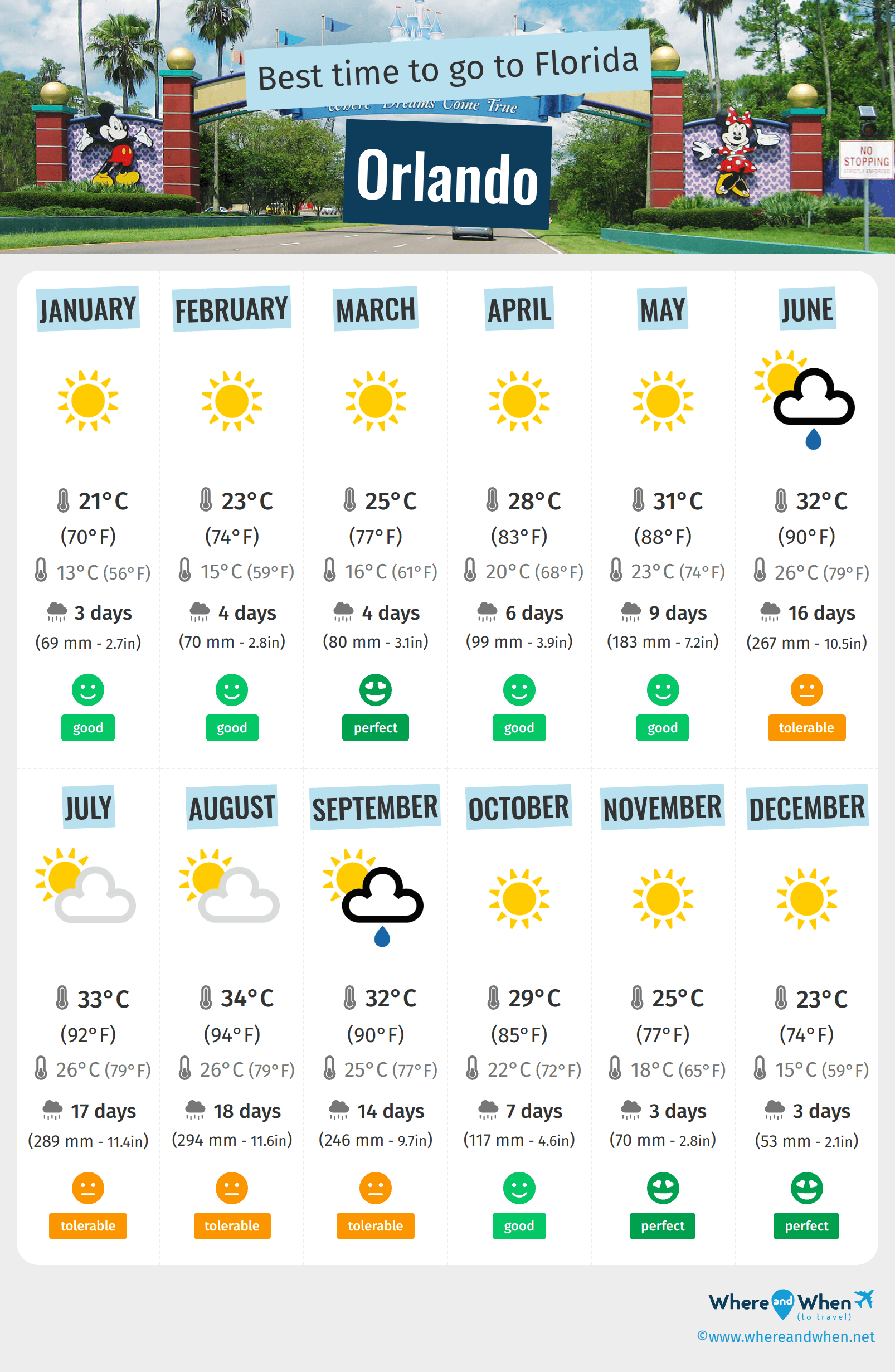
Summer in Orlando, Florida is undeniably hot and humid, with average daily temperatures often soaring into the low 90s Fahrenheit (32-34°C) and nighttime lows rarely dropping below 75°F (24°C). The humidity can be intense, making the “feels like” temperature even higher. This season is also marked by frequent afternoon thunderstorms. These storms typically roll in quickly, deliver a heavy downpour for an hour or so, and then dissipate, leaving behind refreshed air, though still warm.
Traveler’s Tip: For those visiting during these months, plan your major outdoor activities, like exploring Magic Kingdom or Islands of Adventure, for the mornings. The mid-afternoon, when temperatures peak and storms are most likely, is ideal for indoor attractions, museum visits, or enjoying your resort’s amenities. Water parks like Volcano Bay or Discovery Cove are exceptionally popular for good reason, offering a refreshing escape from the heat. When booking accommodation, ensure excellent air conditioning and perhaps a suite with extra space for indoor relaxation during peak heat. Many Orlando, Florida hotels, from luxury resorts to budget-friendly apartments, are designed with summer comfort in mind, often featuring expansive pool areas and shaded outdoor spaces.
Autumn (September-November): Transition and Pleasant Conditions
As summer gives way to autumn, Orlando, Florida experiences a gradual but welcome shift. September still retains much of the summer heat and humidity, along with a higher chance of tropical activity (though direct hurricane hits are rare, tropical storms can bring several days of rain). However, by October and especially November, temperatures become much more pleasant, with daytime highs in the high 70s to low 80s Fahrenheit (25-29°C) and humidity levels decreasing significantly. Nights become comfortably cool, often dipping into the 60s Fahrenheit (15-20°C). This is often considered one of the best times to visit.
Traveler’s Tip: Autumn offers fantastic conditions for exploring. The milder weather makes long days at Epcot’s festivals or Hollywood Studios’ attractions more comfortable. This is an excellent time for outdoor activities beyond the theme parks, such as visiting Lake Eola Park in downtown Orlando, Florida or exploring the charming streets of Winter Park. Hotel prices might see a slight increase during popular festival periods, but overall, it’s a superb season for family trips and those looking for a balanced travel experience.
Winter (December-February): Mild Temperatures and Sunny Skies
Orlando, Florida’s winter is a stark contrast to most of the United States. Expect delightful, mild conditions with abundant sunshine. Daytime temperatures typically range from the low 70s to low 60s Fahrenheit (15-22°C). While cold fronts can occasionally bring temperatures down into the 40s or 30s Fahrenheit (4-9°C) overnight, these periods are usually short-lived, and bright sunshine quickly returns to warm things up. Rainfall is minimal during these months.
Traveler’s Tip: Winter is prime season for comfortable tourism and outdoor exploration. The cooler, drier air makes walking around Animal Kingdom or enjoying a round of golf a true pleasure. It’s also a busy time, especially around the holidays, so booking accommodation and attractions well in advance is essential. While you might not need a heavy coat, a light jacket or sweater for evenings and early mornings is advisable. For those seeking a long-term stay to escape colder climates, Orlando, Florida in winter is an ideal choice, offering a relaxed lifestyle and plenty of amenities to enjoy.
Spring (March-May): Ideal Weather for Exploration
Spring is arguably the sweet spot for weather in Orlando, Florida. Temperatures gradually warm from the mid-70s to mid-80s Fahrenheit (24-29°C), with relatively low humidity. Rainfall is still infrequent compared to summer, though afternoon showers become slightly more common as May approaches. The days are long, bright, and perfect for virtually any outdoor activity.
Traveler’s Tip: This season offers the perfect balance for all types of travelers, from families to couples seeking a romantic getaway. The comfortable temperatures allow for full days at the theme parks, exploring International Drive’s attractions, or taking day trips to nearby coastal areas like Cocoa Beach on the East Coast or Clearwater Beach on the Gulf Coast. Accommodation during spring break and Easter can be at a premium, so securing your hotel or villa early is crucial for the best rates and availability.
Preparing for Orlando’s Weather: Packing and Planning
Regardless of when you visit, a few universal packing and planning tips apply to Orlando, Florida:
- Sun Protection: Sunscreen, hats, and sunglasses are non-negotiable year-round. The Florida sun is strong, even on cloudy days.
- Hydration: Always carry water, especially during warmer months. Dehydration can quickly set in.
- Layering: Even in summer, indoor attractions can be heavily air-conditioned. In cooler months, layers are essential for managing temperature fluctuations between day and night.
- Rain Gear: A lightweight rain poncho or compact umbrella is a smart addition to your bag, particularly from June to September. Don’t let a sudden shower dampen your spirits!
- Comfortable Footwear: You’ll be doing a lot of walking, whether at theme parks or exploring landmarks. Prioritize comfortable, broken-in shoes.
Maximizing Your Orlando Experience: Weather-Driven Choices
The weather significantly influences how you can best enjoy Orlando, Florida. Smart planning allows you to leverage the climate to your advantage, ensuring a smoother and more enjoyable trip.
Attractions & Activities: Indoor vs. Outdoor Considerations
Orlando, Florida offers a vast array of attractions, many of which are specifically designed to be enjoyed regardless of the weather.
- Theme Parks: While largely outdoor, all major parks like Walt Disney World Resort and Universal Orlando Resort have numerous indoor shows, rides, and dining options. On hot or rainy days, these become invaluable sanctuaries. For instance, exploring the shops along Diagon Alley or enjoying a long meal at a themed restaurant can be perfect during an afternoon downpour.
- Water Parks: SeaWorld Orlando’s Aquatica, Volcano Bay, and Disney’s Typhoon Lagoon or Blizzard Beach are fantastic for beating the summer heat. They are typically open from March through October, with some operating year-round depending on demand and ambient temperatures.
- Indoor Entertainment: Beyond the big parks, Orlando, Florida offers numerous indoor attractions. ICON Park on International Drive features the SEA LIFE Orlando, Florida Aquarium and Madame Tussauds, providing excellent climate-controlled fun. Shopping centers like Disney Springs and Universal CityWalk offer covered walkways and a plethora of shops, restaurants, and entertainment venues. For a truly unique experience, a day trip to the Kennedy Space Center Visitor Complex near the Atlantic Ocean provides fascinating indoor exhibits, perfect for any weather.
- Outdoor Activities (Cooler Months): Golf, airboat rides through the swamps (think a taste of the Everglades National Park), exploring botanical gardens, or simply strolling around the charming towns of Winter Park or Celebration are best enjoyed when temperatures are mild.
Accommodation & Comfort: Choosing the Right Stay
Your choice of accommodation can significantly enhance your comfort, especially when dealing with Orlando, Florida’s weather.
- Resorts with Extensive Amenities: During hot summers, a resort with a lazy river, multiple pools, and indoor activities (like arcades, kids’ clubs, or spas) can be a lifesaver. Properties such as The Ritz-Carlton Orlando, Grande Lakes or Four Seasons Resort Orlando at Walt Disney World Resort offer luxurious escapes from the elements.
- Villas and Apartments: For families or longer stays, a villa or apartment in areas like Kissimmee or Lake Buena Vista can offer more space, private pools (which are fantastic in summer), and kitchen facilities, allowing you to prepare meals and retreat from the heat or rain on your own terms. These options often provide better value for budget travel as well.
- Proximity to Parks: Staying at a hotel directly on Walt Disney World Resort or Universal Orlando Resort property, such as Disney’s Grand Floridian Resort & Spa or Universal’s Hard Rock Hotel, means less travel time and the ability to easily return to your room for a mid-day break during the hottest or wettest parts of the day. Many even offer water taxi or bus services, avoiding parking woes.
- Air Conditioning is Key: While seemingly obvious, verify that your chosen accommodation has reliable and powerful air conditioning. It’s a non-negotiable amenity in Florida.
Beyond the Forecast: Lifestyle and Long-Term Considerations
Orlando, Florida’s weather not only dictates daily plans but also deeply influences the local lifestyle, culture, and even long-term considerations for those contemplating a move or extended stay.
Local Culture and Events Influenced by Climate
The climate has shaped much of Orlando, Florida’s unique local culture.
- Outdoor Dining & Patios: Many restaurants, especially those in areas like Winter Park or along Restaurant Row on International Drive, feature beautiful patios that are heavily utilized during the cooler months. In summer, misters and fans often make these spaces bearable, but indoor seating remains popular.
- Festivals and Events: Fall and spring are prime festival seasons due to the comfortable weather. Epcot’s International Food & Wine Festival (fall) and Flower & Garden Festival (spring) are massive draws. Downtown Orlando, Florida often hosts outdoor concerts, art shows, and markets in Lake Eola Park during these pleasant periods. Major sporting events, from Orlando City SC soccer matches at the Amway Center to various collegiate tournaments, thrive in the mild winter weather.
- Indoor Arts and Culture: On hot or rainy days, Orlando, Florida offers a rich tapestry of indoor cultural experiences, from performances at the Dr. Phillips Center for the Performing Arts to art galleries and museums, offering respite and enrichment.

Making the Most of Any Weather
Ultimately, Orlando, Florida’s weather is part of its charm and challenge. Rather than letting a forecast dictate your mood, embrace flexibility and a positive attitude.
- Flexibility is Key: Have a backup plan for outdoor activities, especially during summer. If a storm hits, pivot to an indoor show, a shopping spree, or a relaxing spa treatment at your resort. Many theme parks offer indoor queuing, and even some rides are entirely enclosed, such as Space Mountain or Harry Potter and the Escape from Gringotts.
- Embrace the Rain: A summer shower can sometimes clear out crowds, leading to shorter wait times once it passes. Pack good waterproof shoes and a sense of adventure!
- Stay Informed: Keep an eye on local forecasts from trusted sources. Many resorts and attractions provide real-time weather updates.
- Consider Travel Insurance: For larger investments, especially during hurricane season (June 1 – November 30), travel insurance can provide peace of mind in case of significant weather disruptions, though direct impacts on Central Florida are less common than on coastal areas like Miami or Tampa.
In conclusion, understanding “Orlando, Florida weather” is far more than just checking a temperature. It’s about recognizing the distinct patterns of each season and how they influence your travel choices, from selecting the ideal accommodation to planning your daily adventures. With thoughtful preparation and a flexible mindset, every trip to Orlando, Florida can be a magical experience, regardless of what the skies might bring. So pack smart, stay hydrated, and get ready to enjoy everything this incredible destination has to offer!
LifeOutOfTheBox is a participant in the Amazon Services LLC Associates Program, an affiliate advertising program designed to provide a means for sites to earn advertising fees by advertising and linking to Amazon.com. Amazon, the Amazon logo, AmazonSupply, and the AmazonSupply logo are trademarks of Amazon.com, Inc. or its affiliates. As an Amazon Associate we earn affiliate commissions from qualifying purchases.