
The memory of Hurricane Irma remains vivid for many, particularly those who call Florida home or were planning a visit to its sun-drenched shores in the late summer of 2017. As a formidable Category 5 storm, Irma carved a destructive path through the Caribbean before setting its sights on the Sunshine State, triggering one of the largest evacuations in U.S. history. The question of “when” Irma struck Florida is central to understanding the preparation, impact, and remarkable recovery of a state heavily reliant on its vibrant tourism industry.
Hurricane Irma made its initial Florida landfall on September 10, 2017, at approximately 9:10 AM EDT, near Cudjoe Key in the iconic Florida Keys as a powerful Category 4 hurricane. From there, it continued its relentless journey up the Florida peninsula, leaving a trail of devastation and widespread disruption to travel, accommodation, and daily life. This article delves into the precise timeline of Irma’s impact, the proactive measures taken by the state, the immediate aftermath, and the inspiring resilience that defines Florida’s approach to natural challenges, offering insights for both future travelers and residents.

The Calm Before the Storm: Florida’s Preparedness for Irma
The days leading up to Hurricane Irma’s arrival were marked by an atmosphere of intense preparation and apprehension across Florida. Having witnessed the storm’s catastrophic effects in the Caribbean and Bahamas, authorities, residents, and the state’s expansive tourism sector sprang into action. This period showcased the logistical challenges and community spirit required to brace for a major hurricane, impacting everything from travel itineraries to the operational strategies of hotels and resorts.
Evacuation Efforts and Travel Disruptions
With Irma’s projected path initially threatening both the Atlantic and Gulf of Mexico coasts, mandatory evacuation orders were issued for coastal areas, barrier islands, and low-lying communities across a vast swathe of the state. This led to an unprecedented exodus, with an estimated 6.5 million people ordered to evacuate – roughly a third of Florida’s population. Major arteries like Interstate 75 and Florida’s Turnpike became one-way flows north, choked with traffic as residents and visitors sought refuge inland. Gas stations ran dry, and supermarket shelves were emptied as people stocked up on essential supplies.
For travelers, this meant immediate and widespread disruption. Airlines canceled thousands of flights, and major hubs like Miami International Airport and Orlando International Airport ceased operations. Cruise lines rerouted ships or canceled sailings, leaving many vacation plans in limbo. Understanding the critical importance of safety, tourists were advised to comply with evacuation orders, leading to last-minute changes for those hoping to enjoy Florida’s attractions or business stays. The experience underscored the necessity of robust travel insurance and flexible booking options when planning trips to hurricane-prone regions during the Atlantic Hurricane Season.
Securing Hotels and Accommodations
The hospitality industry in Florida faced a dual challenge: ensuring the safety of remaining guests and staff, while also securing their properties against the impending storm. Hotels like those under the Marriott, Hilton, and Hyatt banners, along with countless independent resorts and vacation rentals, implemented emergency protocols. This included boarding up windows, moving outdoor furniture indoors, and securing essential infrastructure.
For hotels located outside of mandatory evacuation zones, many became havens for evacuees, offering shelter and amenities to those unable or unwilling to travel further north. These establishments often operated on skeleton crews, providing limited services but focusing on guest safety and comfort. Cancellation policies were relaxed across the board, with many properties offering full refunds or the ability to reschedule without penalty, recognizing the extraordinary circumstances. This period truly tested the resilience and preparedness of Florida’s accommodation sector, highlighting the importance of clear communication, adaptable policies, and a strong sense of community support in times of crisis. Guests were advised to check directly with their hotels for the latest updates on closures, amenities, and reservation status.
Irma’s Arrival: Tracking the Storm’s Path Across Florida
After its devastating sweep through the Caribbean, including Cuba, Irma made its highly anticipated entry into Florida. The storm’s precise path dictated the varying degrees of impact across the peninsula, from the extreme battering of the Florida Keys to significant wind and flood damage further north. Understanding this trajectory is key to appreciating the comprehensive nature of the event and its far-reaching consequences for different regions, impacting tourism, infrastructure, and local landmarks distinctly.
Landfall in the Florida Keys
The initial and most severe impact of Hurricane Irma in Florida occurred in the beloved Florida Keys. As previously noted, the eye of the storm made its first landfall at 9:10 AM EDT on Sunday, September 10, 2017, over Cudjoe Key as a Category 4 hurricane with maximum sustained winds of 130 mph. This narrow chain of islands, a quintessential Florida travel destination renowned for its relaxed atmosphere, vibrant marine life, and unique culture, bore the brunt of Irma’s fury.
Communities like Big Pine Key, Marathon, and the historic city of Key West experienced catastrophic wind damage and significant storm surge, particularly on the Gulf of Mexico side. Mobile homes were obliterated, infrastructure was severely compromised, and the Overseas Highway, the lifeline connecting the Keys to mainland Florida, was rendered impassable in several sections due to debris and flooding. Many iconic landmarks, such as the Key West Lighthouse and Hemingway Home, sustained damage, though thankfully many historic structures withstood the winds. The immediate aftermath saw the Keys cut off from the mainland, necessitating massive rescue and recovery efforts, underscoring the vulnerability of these low-lying islands to powerful hurricanes.
The Mainland’s Ordeal: From Southwest to Northeast
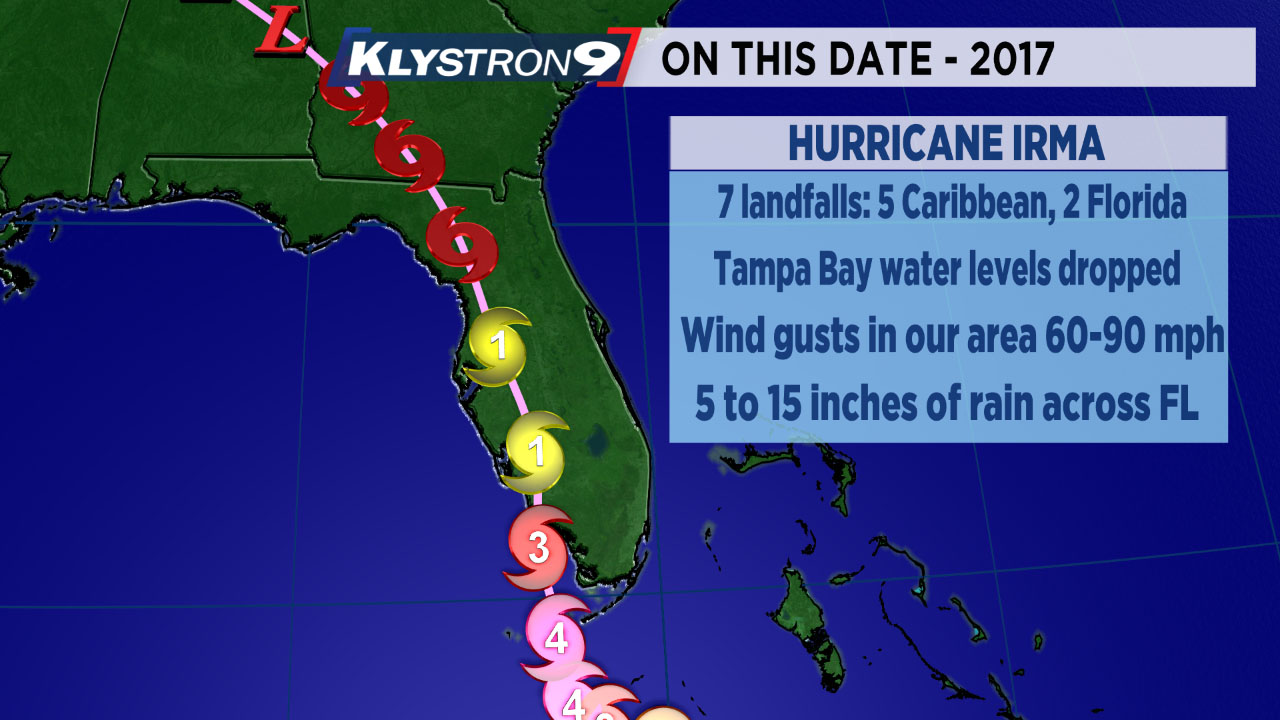
After striking the Keys, Irma’s eye moved northwest, making a second landfall on mainland Florida near Marco Island at approximately 3:35 PM EDT on September 10, 2017, as a Category 3 hurricane with 115 mph winds. From there, the storm tracked directly up the Florida peninsula, weakening as it moved inland but still delivering destructive winds and widespread flooding.
- Southwest Florida: Cities like Naples, Fort Myers, and surrounding Lee County and Collier County experienced significant damage from wind and surge. The high-rises of Naples faced intense winds, and coastal communities endured severe flooding. Islands like Pine Island, Sanibel Island, and Captiva Island suffered extensive damage to vegetation and structures.
- Central Florida: As Irma moved northward, it continued to weaken but still brought tropical storm-force and hurricane-force winds to major metropolitan areas. Tampa Bay was spared a direct hit from the eye, but still experienced significant wind damage and unexpected storm surge as waters were initially pulled out from the bay before rushing back in. Orlando, home to world-famous attractions like Walt Disney World and Universal Orlando Resort, felt the effects of strong winds and torrential rain, leading to power outages and property damage, though the theme parks’ robust infrastructure largely protected the main attractions.
- Southeast and Northeast Florida: While the eye passed to the west, major cities like Miami and Fort Lauderdale on the southeast coast still experienced significant hurricane-force winds and considerable flooding, particularly in downtown areas and coastal neighborhoods. Further north, cities like Jacksonville saw historic flooding from the St. Johns River due to heavy rainfall and storm surge pushing water upstream, a testament to Irma’s massive size and reach.
By the time Irma crossed into southern Georgia on September 11, it had weakened to a tropical storm, but not before delivering a crippling blow to Florida’s entire peninsula.
The Aftermath and Road to Recovery

In the immediate wake of Hurricane Irma, Florida faced a daunting landscape of destruction and disruption. However, the state’s resilience, coupled with swift recovery efforts, quickly set it on the path to rebuilding, particularly for its vital tourism sector. This phase not only tested logistical capabilities but also highlighted the enduring spirit of Florida’s communities and businesses.
Immediate Challenges and Humanitarian Efforts
The most pervasive challenge in the days following Irma’s departure was the staggering number of power outages. At its peak, nearly 6.7 million homes and businesses across Florida were without electricity, representing over two-thirds of the state’s residents. Restoration efforts by utility companies like Florida Power & Light were monumental, involving crews from across the country working around the clock. Access to basic necessities like food, water, and gasoline was also severely constrained in many areas, particularly in the hardest-hit Florida Keys.
Federal agencies like FEMA, alongside state organizations such as the Florida Department of Emergency Management, mobilized extensive resources for search and rescue, medical aid, and distribution of supplies. Volunteers poured into the state, assisting with debris removal, feeding programs, and supporting displaced families. The initial focus was on restoring critical infrastructure – roads, power, and communication networks – to allow residents to return safely and to begin the long process of damage assessment and repair. The challenges were immense, but the coordinated response demonstrated the strength of emergency preparedness networks.
Rebuilding Florida’s Tourism Industry
Given that tourism is the engine of Florida’s economy, generating billions in revenue and supporting countless jobs, the rapid recovery of this industry was paramount. Following the storm, destinations across the state, from the battered Keys to the largely intact theme park resorts, embarked on concerted efforts to reassure potential visitors.
- Attractions Reopening: Iconic attractions like Walt Disney World and Universal Orlando Resort were among the first major venues to reopen, some within days of the storm’s passing, signaling a return to normalcy and providing a much-needed morale boost. Their rapid recovery highlighted their robust infrastructure and emergency planning.
- Infrastructure Restoration: Airports like Miami International Airport and Orlando International Airport quickly resumed operations, gradually increasing flight schedules. Roads were cleared, and bridges were inspected and reopened, allowing for the flow of goods and people.
- Promotional Campaigns: Visit Florida, the state’s official tourism marketing corporation, launched aggressive campaigns to communicate that much of Florida was open for business and ready to welcome guests. These campaigns often highlighted specific destinations that had recovered quickly and focused on the safety and enjoyment of a Florida vacation.
- Hotel and Accommodation Resilience: Hotels, resorts, and vacation rentals that sustained damage underwent rapid repairs and renovations. Many used the opportunity to upgrade facilities, ensuring that when guests returned, they would find improved amenities and refreshed properties. The Florida Keys, while facing a longer recovery timeline, emphasized their determination to rebuild and retain their unique charm, with many businesses reopening within weeks or months.
The speed and effectiveness of Florida’s tourism recovery after Irma served as a testament to the industry’s importance and the collective will to bounce back. It reinforced the message that while natural disasters can temporarily disrupt travel, the allure and spirit of Florida as a premier destination remain undiminished.
Lessons Learned and Future Preparedness for Travelers
Hurricane Irma served as a powerful reminder of Florida’s vulnerability to tropical storms and hurricanes, especially during the peak of the Atlantic Hurricane Season. For both residents and prospective travelers, the experience underscored the critical importance of preparedness and informed decision-making. These lessons have led to enhanced protocols and greater awareness, making future travel safer and more manageable even amidst adverse weather.
Planning Ahead: Travel Insurance and Emergency Kits
One of the most significant takeaways for travelers is the absolute necessity of comprehensive travel insurance, particularly when visiting Florida or other hurricane-prone regions between June 1 and November 30. Travel insurance can cover non-refundable expenses such as flights, hotel bookings, and tour packages in the event of cancellations, evacuations, or medical emergencies related to a storm. It offers a crucial safety net, mitigating financial losses and providing peace of mind. Travelers should carefully review policy details, paying close attention to clauses related to natural disasters and “named storms.”
Furthermore, while often overlooked by tourists, carrying a small, personalized emergency kit can be incredibly beneficial. This might include:
- Important Documents: Copies of passports, IDs, insurance policies, and reservation confirmations.
- Medications: A supply of any prescription medications.
- Chargers and Power Bank: For electronic devices.
- Basic First Aid: Small kit with band-aids, antiseptic wipes, pain relievers.
- Cash: Small bills in case ATMs are down or credit card systems are inoperative.
- Flashlight: With extra batteries.
For those staying in vacation rentals or camping, extending this to include bottled water, non-perishable snacks, and a weather radio is also advisable. These simple preparations can significantly improve comfort and safety during unexpected disruptions.
Understanding Hurricane Season and Travel Advisories
Understanding the rhythm of the Atlantic Hurricane Season is fundamental for any Florida travel planning. While hurricanes can occur throughout the season, the peak months are typically August, September, and October. While the odds of a direct hit on any specific location are still relatively low, being aware of the potential is key.
Travelers should diligently monitor weather forecasts from reliable sources like the National Hurricane Center and the National Weather Service leading up to and during their trip. Reputable news outlets and official state tourism websites, such as Visit Florida, also provide real-time updates and advisories.
- Official Advisories: Pay close attention to tropical storm watches, hurricane watches, tropical storm warnings, and hurricane warnings. A “watch” means conditions are possible within 48 hours, while a “warning” means conditions are expected within 36 hours.
- Evacuation Orders: Always comply with any local evacuation orders immediately. These are issued for public safety and should not be ignored.
- Flexible Bookings: When traveling during hurricane season, consider booking flights and accommodations that offer flexibility for changes or cancellations, even if it means a slightly higher upfront cost.
Despite the challenges posed by events like Irma, Florida’s commitment to safety and recovery ensures that it remains a premier destination. By integrating these preparedness measures, travelers can confidently enjoy the state’s diverse attractions, stunning landscapes, and vibrant culture year-round.
Hurricane Irma was a pivotal event in Florida’s recent history, marking its initial landfall near Cudjoe Key at 9:10 AM EDT on September 10, 2017. This powerful storm carved a destructive path across the entire peninsula, leaving a lasting impact on infrastructure, communities, and the state’s critical tourism industry. The days leading up to its arrival were characterized by massive evacuation efforts and extensive preparations by hotels, businesses, and residents, highlighting the logistical complexities of safeguarding a populous state.
In the aftermath, Florida faced immense challenges, from widespread power outages to severe property damage, particularly in the Florida Keys and Southwest Florida. However, the state’s remarkable resilience shone through, with rapid recovery efforts led by government agencies, volunteer groups, and the swift reopening of key attractions like Walt Disney World and Universal Orlando Resort. The experience provided invaluable lessons for travelers and residents alike, underscoring the importance of travel insurance, emergency preparedness, and staying informed about weather advisories during the Atlantic Hurricane Season. Today, Florida continues to thrive as a top global destination, its landscapes beautiful, its attractions vibrant, and its people ever-ready to welcome the world.
LifeOutOfTheBox is a participant in the Amazon Services LLC Associates Program, an affiliate advertising program designed to provide a means for sites to earn advertising fees by advertising and linking to Amazon.com. Amazon, the Amazon logo, AmazonSupply, and the AmazonSupply logo are trademarks of Amazon.com, Inc. or its affiliates. As an Amazon Associate we earn affiliate commissions from qualifying purchases.