
Florida, often celebrated as the Sunshine State, beckons millions of travelers each year with its pristine beaches, world-class theme parks, vibrant cities, and unique natural landscapes. From the magical realms of Orlando to the art deco charm of Miami and the bohemian spirit of Key West, Florida offers an unparalleled array of experiences. However, for those planning a visit, understanding the state’s hurricane season is crucial for a smooth and enjoyable trip. While the thought of a hurricane might seem daunting, informed planning and awareness can ensure your vacation remains a dream, not a disaster. This comprehensive guide will delve into the intricacies of Florida’s hurricane season, offering insights, travel tips, and essential preparedness advice to help you navigate your journey with confidence.
Understanding Florida’s Hurricane Season: Dates, Peaks, and What to Expect
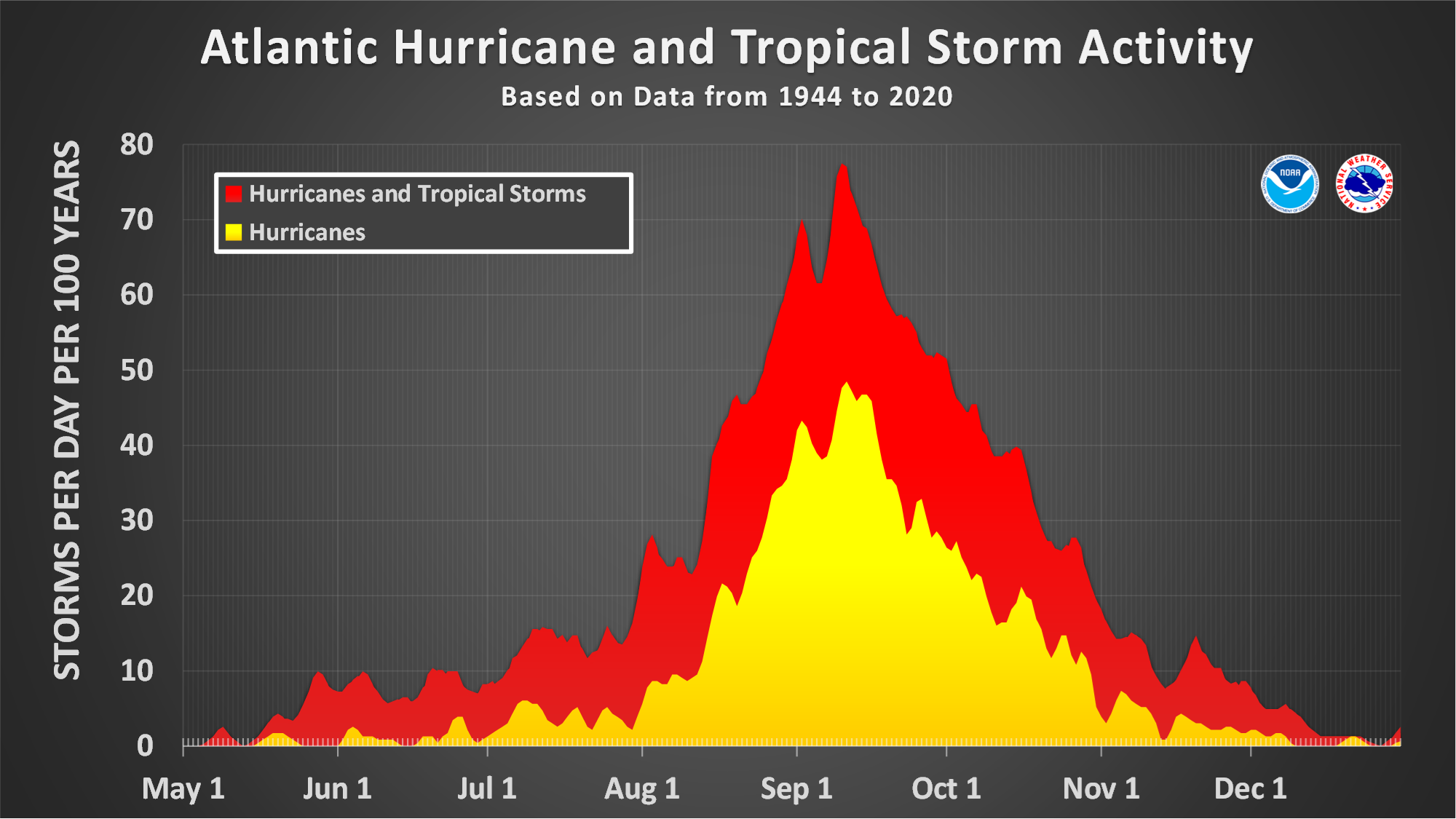
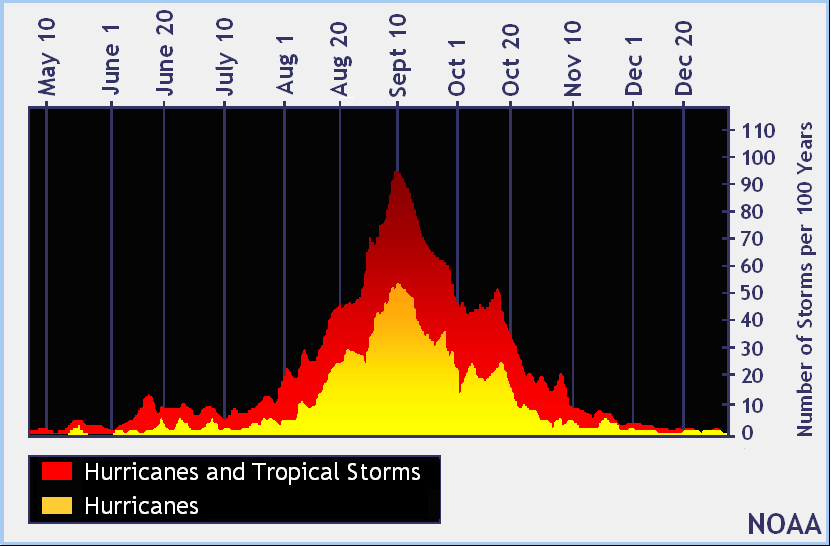
Officially, the Atlantic Hurricane Season runs from June 1st to November 30th each year. This six-month window covers the period when conditions in the Atlantic Ocean, Gulf of Mexico, and Caribbean Sea are most conducive to tropical storm and hurricane formation. Warm ocean waters, low wind shear, and moist atmospheric conditions converge to create the perfect breeding ground for these powerful weather systems.
While the season spans half the year, activity isn’t evenly distributed. The peak months for hurricane activity in Florida typically fall between mid-August and late October. During this period, the ocean temperatures are at their highest, providing ample energy for storms to develop and strengthen. This doesn’t mean every day within these months will be stormy, far from it. In fact, many days during hurricane season are still bright, sunny, and perfect for exploring Florida’s countless attractions. It simply means that travelers should be more vigilant about monitoring weather forecasts and having contingency plans in place if visiting during this time.
Hurricanes are categorized using the Saffir-Simpson Hurricane Wind Scale, which classifies them from Category 1 (minimum sustained winds of 74 mph) to Category 5 (sustained winds of 157 mph or higher). Understanding these classifications helps in assessing the potential impact and seriousness of a storm. Beyond wind speed, hurricanes bring other significant threats, including heavy rainfall, storm surge (an abnormal rise of water generated by the storm, often the most dangerous aspect), and tornadoes. For this reason, staying informed through reliable sources like the National Hurricane Center (NHC) and the NOAA (National Oceanic and Atmospheric Administration) is paramount for any traveler heading to the United States during these months.
Advantages of Traveling During the Off-Peak Season
Despite the potential for storms, traveling to Florida during hurricane season, particularly during the shoulder months of June, early July, and November, can offer distinct advantages, especially for budget-conscious travelers or those seeking a more relaxed experience.
Firstly, fewer crowds are a significant draw. While Orlando’s theme parks like Disney World and Universal Studios are popular year-round, you’ll often find shorter wait times and more breathing room during the late summer and fall compared to the bustling spring break or winter holiday seasons. Beaches like South Beach in Miami Beach might feel less congested, allowing for a more serene experience of Florida’s stunning coastline.
Secondly, you can often find lower prices for flights, hotels, and other accommodations. Airlines and hotels frequently offer discounted rates and special packages to attract visitors during what is traditionally considered the slower travel period. This means you might be able to afford a stay in a luxury resort that would be out of reach during peak season, or secure an excellent deal on a family-friendly villa or apartment, allowing for a longer stay or more lavish experiences within your budget. From boutique hotels in Key West to sprawling resorts in Naples or the Four Seasons Resort Orlando at Walt Disney World Resort, reduced rates can make exclusive amenities and services more accessible.
Moreover, even outside of active storm periods, the weather can be wonderfully warm, perfect for swimming, sunbathing, and enjoying outdoor activities. While humidity can be high, afternoon thunderstorms are common and usually brief, often providing a refreshing break from the heat. This allows for excellent opportunities to explore Florida’s diverse destinations and attractions, from airboat tours in Everglades National Park to rocket launches at Kennedy Space Center or the historical streets of the St. Augustine Historic District.
Essential Preparedness and Safety Tips for Travelers
For those who decide to visit Florida during hurricane season, smart planning and proactive measures are key to a stress-free trip.
- Monitor Weather Forecasts Religiously: Before and during your trip, make it a habit to check weather updates from reputable sources like NOAA, the National Hurricane Center, and local news channels. Many hotels and resorts, such as The Breakers Palm Beach or the Loews Miami Beach Hotel, also provide guests with regular updates and guidance.
- Invest in Travel Insurance: This is perhaps the most crucial tip. Look for policies that offer “cancel for any reason” coverage or specific hurricane clauses. This can protect your financial investment in flights, accommodation bookings, and prepaid activities if your trip is disrupted or canceled due to a storm. Read the fine print carefully to understand what is covered.
- Opt for Flexible Bookings: Whenever possible, choose flights and hotels that offer free cancellation or allow for easy date changes without hefty penalties. Many airlines and hotels become more flexible with their policies if a named storm threatens the area. Consider booking directly with hotels for potentially more lenient cancellation terms than third-party sites.
- Assemble a Basic Emergency Kit: While on vacation, a simplified emergency kit can be invaluable. This might include a portable power bank for your phone, a first-aid kit, copies of important documents (passports, insurance policies), any necessary prescription medications, and a small amount of cash. These items can be critical if power outages occur.
- Know Evacuation Routes: If you are staying in a coastal area, familiarize yourself with designated evacuation routes for your specific location. These are typically well-marked and available on local government websites or through your accommodation.
- Maintain Communication: Keep your family and friends aware of your travel plans and location. Have emergency contact numbers readily accessible. If traveling with family, discuss a communication plan in case you get separated. Many resorts and hotels have comprehensive emergency plans, and knowing these upon arrival can provide peace of mind.
- Stay Informed by Your Accommodation: Resorts, suites, and apartment rentals in Florida are generally well-versed in hurricane preparedness. They will often have procedures for guests during a storm, including securing outdoor amenities, providing bottled water, and offering shelter-in-place instructions. Pay attention to any communications from their staff.
What to Do If a Hurricane Threatens Your Florida Trip
Despite meticulous planning, sometimes a storm develops or changes course, directly impacting your travel plans. Knowing how to react can significantly reduce stress and ensure your safety.
Before You Depart
If a hurricane is forecast to impact your destination in Florida within a week of your planned arrival, it’s time to take action:
- Check Advisories and Warnings: Follow updates from the National Hurricane Center and local authorities. Pay attention to advisories for the specific regions you plan to visit, be it South Florida (like Miami or Fort Lauderdale), Central Florida (like Orlando or Tampa), or North Florida (like Jacksonville or Tallahassee).
- Contact Airlines and Hotels: Reach out to your airline, hotel, or booking agency. Many will have specific hurricane policies in place, offering waivers for flight changes or cancellations, or allowing you to reschedule your accommodation without penalty. Discuss your options, including refunds or rebooking dates.
- Consider Rescheduling: If the forecast indicates a direct hit or significant disruption, the safest and often wisest decision is to reschedule your trip. Even if the storm isn’t severe, disruptions to power, transportation, and attraction closures can severely diminish your vacation experience. Your travel insurance might kick in at this point.
While You’re There
If you are already in Florida when a hurricane threat emerges:
- Follow Local Authorities’ Instructions: This is paramount. If an evacuation order is issued for your area, leave immediately. Do not delay. Local emergency services are trained to guide residents and visitors to safety.
- Know Your Hotel’s Emergency Plan: Most hotels, resorts, and even private villas or apartments will have a designated plan. This might include instructions for sheltering in place, securing belongings, or moving to designated safe areas within the property. Familiarize yourself with these procedures upon arrival.
- Stay Indoors and Away from Windows: If sheltering in place, stay in an interior room, away from windows and glass doors, which can shatter from high winds or flying debris.
- Have Your Emergency Kit Ready: Keep your pre-packed emergency kit accessible. In case of power outages, having battery-operated lights, a charged phone, and some non-perishable snacks can make a big difference.
- Stay Calm and Patient: Hurricanes can be frightening, but staying calm and following official guidance is crucial. Remember that emergency services and hotel staff are there to help ensure your safety. Post-storm, be patient as recovery efforts begin, which may affect transportation and services.

Beyond the Storm: Enjoying Florida Year-Round
It’s vital to remember that a vast majority of days during Florida’s hurricane season are beautiful and clear. Florida’s diverse appeal means there’s always something to do, regardless of the season or occasional weather disruptions.
- Theme Park Thrills: Orlando remains a top destination, with Disney World’s Magic Kingdom, Epcot, Hollywood Studios, and Animal Kingdom offering endless entertainment. Universal Studios and its Islands of Adventure, along with SeaWorld Orlando and Busch Gardens Tampa Bay, provide thrilling rides and immersive experiences for all ages. These parks have robust weather contingency plans, often resuming normal operations quickly after minor disruptions.
- Beach Bliss: From the sugary white sands of the Emerald Coast to the lively shores of Daytona Beach and the historic charm of Sarasota, Florida’s coastline is legendary. Even during hurricane season, many days are perfect for swimming, sunbathing, and water sports.
- Cultural Exploration: If outdoor activities are temporarily limited, Florida boasts a rich cultural scene. Explore the vibrant art galleries and street murals of Miami’s Wynwood Arts District, visit the stunning Vizcaya Museum & Gardens, or immerse yourself in surrealism at the Salvador Dalí Museum in St. Petersburg. Historic cities like St. Augustine offer centuries of history, perfect for indoor exploration.
- Diverse Accommodation and Lifestyle: Florida caters to every lifestyle and budget. Whether you’re seeking luxury travel in a five-star resort along the Treasure Coast, a budget-friendly family trip in a spacious suite, or a long-term stay in a charming apartment, the options are endless. Many establishments offer excellent amenities, from pools and spas to fine dining, ensuring your comfort even if the weather outside isn’t perfect. Engaging in local culture through culinary experiences, festivals (often scheduled outside peak hurricane times), and unique activities remains a core part of the Florida experience.
In conclusion, while Florida’s hurricane season from June 1st to November 30th requires careful consideration, it shouldn’t deter you from experiencing the magic of the Sunshine State. With diligent planning, comprehensive travel insurance, and a proactive approach to weather monitoring, you can enjoy the many benefits of off-peak travel—fewer crowds, better deals on hotels and accommodation, and the same stunning attractions. By prioritizing safety and staying informed, your Florida vacation during hurricane season can be just as memorable, perhaps even more so, allowing you to discover the true resilience and beauty of this incredible destination.
LifeOutOfTheBox is a participant in the Amazon Services LLC Associates Program, an affiliate advertising program designed to provide a means for sites to earn advertising fees by advertising and linking to Amazon.com. Amazon, the Amazon logo, AmazonSupply, and the AmazonSupply logo are trademarks of Amazon.com, Inc. or its affiliates. As an Amazon Associate we earn affiliate commissions from qualifying purchases.