
The prospect of a major weather event can cast a long shadow over travel plans, particularly in a destination as beloved and vibrant as Florida. As Hurricane Milton makes its way across the warm waters of the Atlantic, an air of anticipation and concern grips both residents and prospective visitors. For those planning a vacation, a business trip, or simply residing in the Sunshine State, understanding the trajectory and potential impact of such a powerful storm is paramount. This comprehensive guide aims to provide clarity on Milton’s projected timeline, its potential ramifications for Florida’s thriving tourism and hospitality sectors, and essential advice for travelers navigating this uncertain period. From assessing the risks to adapting your itinerary, we delve into how Hurricane Milton could redefine the travel landscape in the coming days and weeks, ensuring you’re well-informed to make the best decisions for your safety, well-being, and travel experience.
Tracking Milton: Understanding the Path and Timing
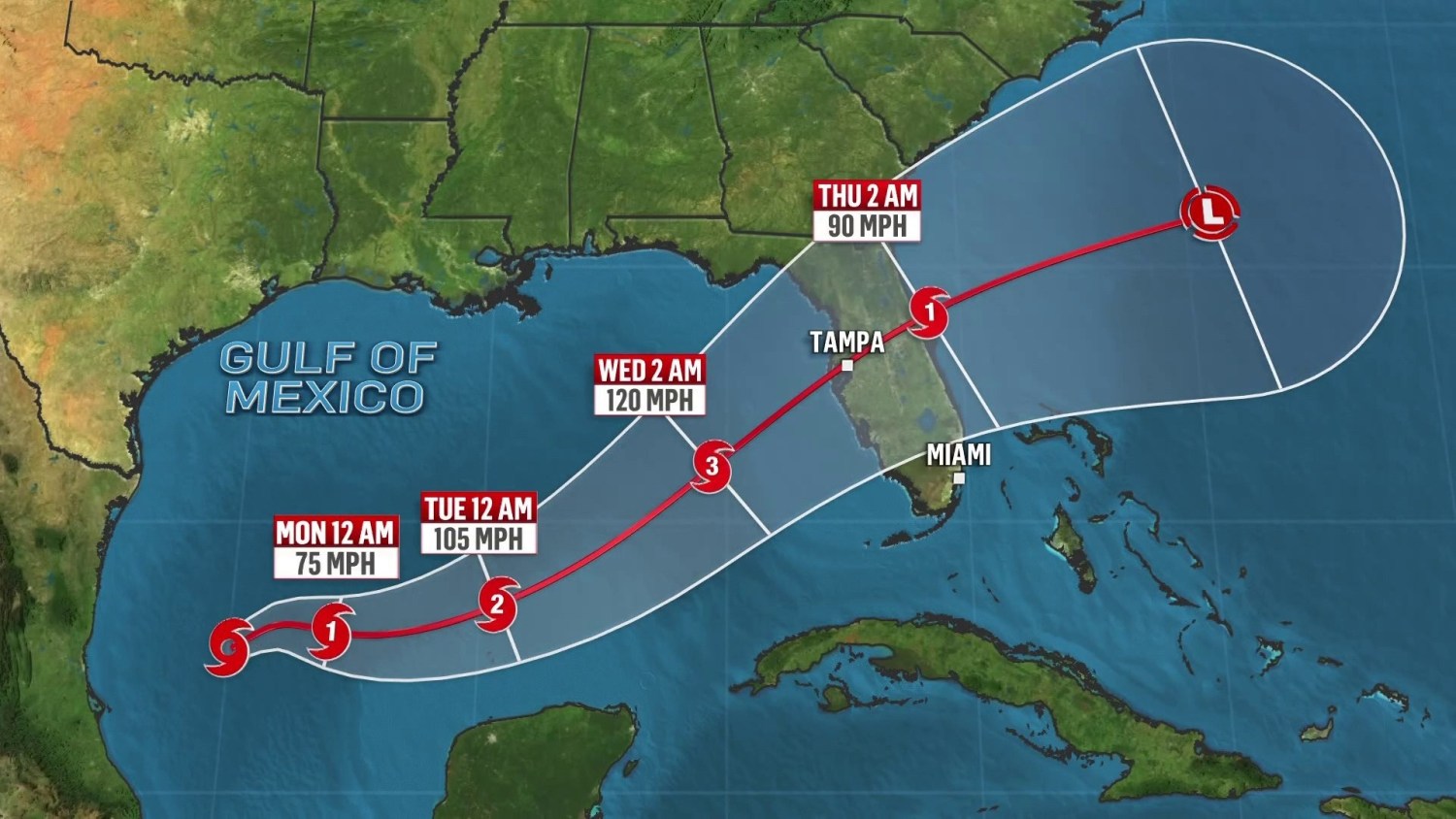
As meteorologists intently monitor the swirling patterns of Hurricane Milton, the central question on everyone’s mind is its exact path and when it will make landfall in Florida. The dynamics of tropical systems mean forecasts can shift, sometimes rapidly, but the National Hurricane Center (NHC) provides the most reliable projections, constantly updating models that guide public safety and emergency management decisions. Staying abreast of the latest information from these official sources is crucial for anyone with travel or accommodation plans in the region.
Current Projections and Landfall Scenarios
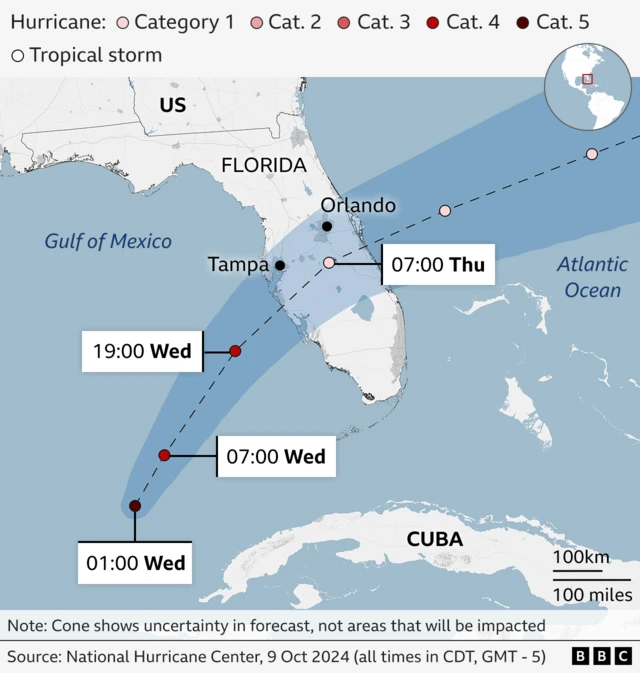
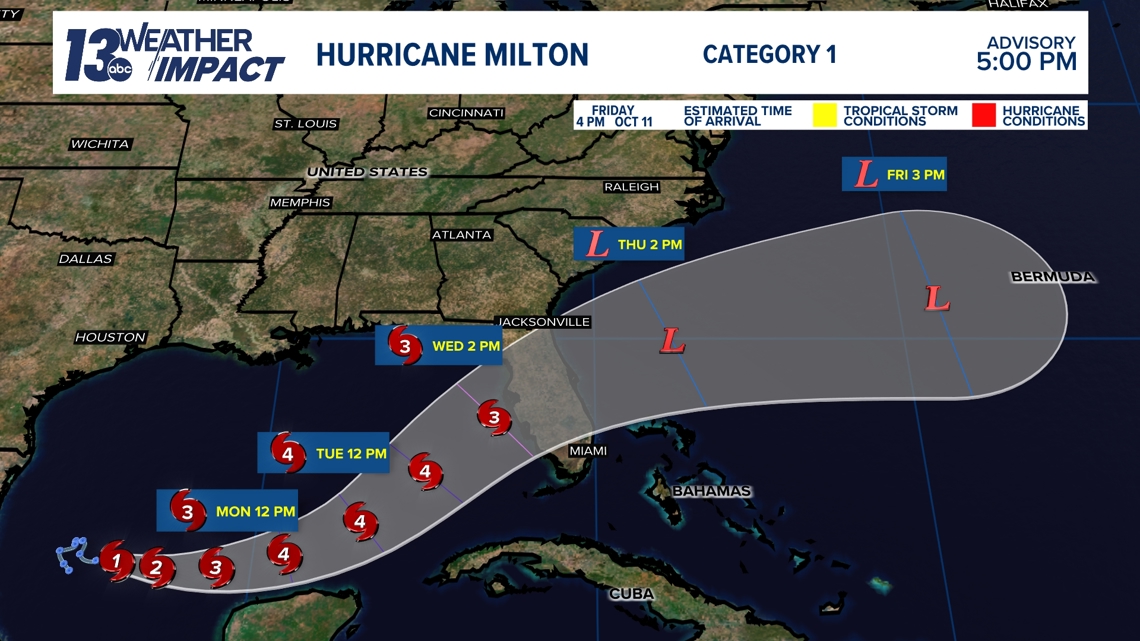
Currently, Hurricane Milton is a formidable storm, with its strength fluctuating as it interacts with various atmospheric conditions in the Caribbean Sea and Gulf of Mexico. The latest advisories indicate a high probability of Milton approaching Florida’s coastline, with potential landfall scenarios ranging widely. While early models might point to the Florida Panhandle, subsequent shifts could pivot the storm towards the Southwest Florida coast, or even curving up the Atlantic Coast towards Central Florida.
Predicting the exact point of impact remains challenging until closer to the event, but the general consensus points to a timeframe within the next 48 to 72 hours for initial tropical storm force impacts to begin, intensifying to hurricane conditions shortly thereafter. Travelers should pay close attention to the NHC’s “cone of uncertainty,” which represents the probable track of the storm’s center. It’s vital to remember that even if the eye doesn’t directly hit a specific area, widespread effects like heavy rainfall, destructive winds extending far from the center, dangerous storm surge, and isolated tornadoes are possible well outside this cone, impacting a much broader geographical area. These impacts can severely disrupt travel, close attractions, and affect accommodation options.
Key Florida Destinations at Risk
Depending on Milton’s final trajectory and intensity, several popular Florida destinations, known for their tourism appeal, stand within the potential impact zone.
- South Florida (e.g., Miami, Fort Lauderdale, Florida Keys): These areas are particularly vulnerable to significant storm surge and torrential rainfall, given their low elevation and extensive coastal exposure. The Florida Keys, with their fragile infrastructure, are often among the first regions to issue mandatory evacuation orders due to their unique geography and limited escape routes. Hotels and resorts here, from luxury villas in Key West to bustling city hotels in Miami Beach, will activate their emergency plans.
- Southwest Florida (e.g., Naples, Fort Myers, Sarasota): Communities along the Gulf Coast could face significant storm surge, especially within bays and inlets, alongside powerful wind damage. This would impact pristine beaches, waterfront properties, and popular attractions known for their natural beauty.
- Central Florida (e.g., Orlando, Tampa, St. Petersburg): While often spared the direct brunt of coastal landfalls, the interior cities like Orlando and surrounding areas can still experience torrential rains, dangerous inland flooding, and strong winds capable of disrupting power and causing property damage. Tampa, situated on Tampa Bay, is highly susceptible to storm surge funneling into the bay, affecting its downtown and coastal districts.
- North Florida and the Panhandle (e.g., Jacksonville, Tallahassee, Panama City Beach): Should Milton track northward or across the Gulf of Mexico, these regions would prepare for high winds, heavy rain, and coastal flooding, affecting popular tourist beaches, historical sites, and major cities.
Immediate Impact on Florida’s Travel and Hospitality Sector
The impending arrival of Hurricane Milton inevitably triggers a ripple effect across Florida’s vast travel and hospitality ecosystem. From major international airports to quaint boutique hotels and world-famous theme parks, preparedness measures are swiftly put into action, impacting current and future travel plans and creating significant disruption for both residents and visitors.
Air Travel and Airport Operations
Airports are typically among the first to feel the effects of a looming hurricane, often initiating operational changes days in advance. Major hubs like Miami International Airport (MIA), Orlando International Airport (MCO), Tampa International Airport (TPA), and Southwest Florida International Airport (RSW) in Fort Myers have robust hurricane protocols. This often includes:
- Flight Cancellations and Delays: Airlines proactively cancel flights into and out of affected regions to ensure passenger and crew safety, and to move aircraft out of harm’s way. Travelers should check their flight status directly with their airline before heading to the airport.
- Airport Closures: In severe scenarios, airports may temporarily close entirely, halting all operations. This can lead to significant disruptions, leaving travelers stranded or forcing them to seek alternative routes.
- Waivers and Rebooking Options: Many airlines, including American Airlines, Delta Air Lines, and Southwest Airlines, offer flexible rebooking policies during hurricane threats, allowing passengers to change their travel dates without penalty. It’s crucial to understand these policies and act swiftly.
Beyond air travel, ground transportation networks are also affected. Major arteries such as Interstate 75, Interstate 95, and the Florida Turnpike may experience severe congestion due to evacuation orders, or even full closures due to flooding, downed debris, or damaged infrastructure. Cruise lines operating out of ports like PortMiami, Port Everglades, and Port Canaveral will reroute ships, delay departures, or cancel cruises entirely to ensure passenger safety and avoid the storm’s path.
Hotel Bookings and Resort Safety
Florida’s diverse array of hotels, resorts, apartments, and vacation rentals are central to its tourism appeal, and they play a critical role during hurricane events.
- Evacuation Orders: Properties located in mandatory evacuation zones must comply with state and local orders, requiring guests to depart. This is particularly relevant for coastal resorts, hotels in the Florida Keys, and those in low-lying areas of cities like Naples or Miami Beach.
- Cancellation and Refund Policies: Most reputable hotels, resorts, and booking platforms have specific hurricane policies that allow for full refunds or rebooking options during declared states of emergency or when travel advisories are issued. Guests with upcoming reservations should contact their accommodation provider directly – whether it’s a luxury resort like The Ritz-Carlton, Naples or a budget-friendly apartment rental.
- On-site Preparedness: For guests who remain in non-evacuation zones or inland shelters, hotels like the Hyatt Regency Orlando or Hilton Orlando Bonnet Creek implement comprehensive safety plans. These include securing outdoor furniture, boarding up windows, ensuring backup power and water supplies, and preparing staff to assist guests. They often provide guests with emergency information and regular updates throughout the storm.
Attractions and Landmarks on Alert
Florida’s iconic attractions are also preparing for Milton. Theme parks, museums, cultural sites, and natural landmarks prioritize the safety of their visitors and staff above all else.
- Theme Park Closures: World-renowned parks such as Walt Disney World Resort, Universal Orlando Resort, Busch Gardens Tampa Bay, and SeaWorld Orlando have well-established hurricane protocols. These often involve phased closures, beginning with outdoor attractions and eventually encompassing entire parks if conditions warrant. Guests with tickets or upcoming reservations should monitor park websites and official social media channels for the latest operational updates, as these closures can significantly impact family vacations.
- Beach and Park Closures: All Florida state parks, national parks like Everglades National Park, and public beaches will likely close well in advance of the storm’s arrival due to dangerous surf, rip currents, and high winds, making natural experiences impossible for the duration.
- Historical Sites and Museums: Many cultural institutions, such as the Vizcaya Museum & Gardens in Miami, the St. Augustine Lighthouse & Maritime Museum, or Kennedy Space Center Visitor Complex, will close to the public to protect their collections, facilities, and, most importantly, their visitors.
Navigating Travel Plans and Ensuring Safety
For travelers caught in the path of Hurricane Milton or those with upcoming trips to Florida, making informed decisions is paramount. This involves proactive planning, understanding emergency procedures, and prioritizing personal safety above all else, especially considering the diverse travel lifestyles, from luxury explorers to budget adventurers and family groups.
Essential Emergency Information
Staying informed is the most critical step for any traveler or resident.
- Official Sources: Rely solely on official sources for storm updates: the National Hurricane Center (NHC), the Florida Division of Emergency Management, and local county emergency operations centers. Avoid speculative information from unverified social media posts.
- Emergency Alerts: If you are in Florida, sign up for local emergency alerts. Many counties offer opt-in text or email services to provide real-time updates and instructions.
- Evacuation Routes and Orders: If an evacuation order is issued for your area, comply immediately. Know your designated evacuation routes, which are usually well-marked. Be prepared for extremely heavy traffic during evacuations, making early departure crucial. The Florida Department of Transportation provides real-time traffic updates via its FL511 system.
Communication and Staying Informed
Before, during, and after the storm, maintaining communication is vital, especially for those traveling with family or for business.
- Emergency Contact List: Keep a physical and digital list of important phone numbers, including family, friends, your accommodation provider, airline, travel insurance, and local emergency services.
- Battery Power: Ensure all your electronic devices are fully charged. Consider investing in portable power banks for phones and other essential gadgets.
- Communication Plan: Discuss a communication plan with your travel companions or family members, including a designated out-of-state contact who everyone can check in with if local communication lines are down or cell service is spotty.
Rebooking and Cancellation Policies
Understanding the specifics of your bookings is essential for mitigating financial losses and stress, a key concern for budget and luxury travelers alike.
- Airlines: As mentioned, most airlines issue waivers during hurricane threats. Review these policies carefully on your airline’s website. Be prepared for potentially long wait times if you need to call customer service due to high call volumes.
- Hotels and Vacation Rentals: Contact your specific hotel, resort, or rental agency directly. Many will offer full refunds or credit for future stays if a state of emergency is declared or if the property is directly impacted. Third-party booking sites may have their own procedures; always check both.
- Travel Insurance: This is where comprehensive travel insurance proves invaluable. Policies often cover cancellations, interruptions, and medical emergencies due to hurricanes, provided you purchased it before the storm was named and became a known threat. Review your policy thoroughly to understand what specific situations are covered.
Adapting Your Florida Vacation
If you have a trip planned during or immediately after Milton’s passage, consider these strategies, tailored to various travel lifestyles:
- Postpone, Don’t Cancel: If possible, consider postponing your trip to Florida rather than canceling entirely. This supports the local tourism industry, which will undoubtedly need visitors once the storm passes and recovery efforts begin. This approach is beneficial for both budget-conscious travelers seeking deals later and luxury travelers who can easily reschedule.
- Flexibility is Key: If you must travel, be prepared for last-minute changes, closures, and potential inconveniences. Embrace flexibility in your itinerary, understanding that some planned attractions or experiences might be unavailable. This adaptability is particularly important for family trips where rigid schedules can quickly become stressful.
- Consider Inland Alternatives (Post-Storm): Once the immediate danger has passed, if coastal areas are heavily impacted, consider destinations further inland that might be less affected. For example, Orlando and its theme parks often recover quickly. However, always verify current conditions before changing your plans.
- Pack Smart: If you are already in Florida, have an emergency kit ready, including sufficient water, non-perishable food, necessary medications, a first-aid kit, flashlights, and copies of important documents. This preparation is critical for all travelers, regardless of their usual lifestyle preferences.
The Road to Recovery: Florida’s Resilience and Future Tourism
While the immediate focus is undeniably on safety and preparedness, Florida has a long and proven history of resilience in the face of natural disasters. The aftermath of Hurricane Milton, irrespective of its intensity, will invariably initiate a phase of recovery, impacting how and when tourists can confidently return to enjoy the state’s offerings. This period also presents unique opportunities for travelers to contribute positively to the communities they visit.
Supporting Local Businesses and Tourism
Following a hurricane, the recovery process is often a massive, community-wide effort, with the tourism sector playing an incredibly vital role in economic revitalization. Many businesses, from small, family-owned restaurants and souvenir shops to large hotel chains, rely heavily on tourist dollars.
- Return When Ready: After official declarations deem areas safe, returning to Florida for your vacation can be a powerful and direct way to support local economies and aid in the recovery process. However, it’s crucial to respect recovery efforts and avoid traveling to areas still actively engaged in cleanup or experiencing significant infrastructure damage. Check local tourism board websites, such as Visit Florida, and city-specific tourism sites for updated information on reopenings, available services, and ways you can help.
- Book Directly: Whenever possible, consider booking directly with hotels, resorts, and local businesses rather than through third-party aggregators. This often means more of your money goes directly to the local economy, helping businesses rebuild and sustain their operations.
- Patience and Understanding: Be prepared for some lingering effects of the storm. Certain services or attractions might have reduced hours, or some areas might still be undergoing repairs. Infrastructure like roads or public transport might be temporarily affected. Exhibiting patience and understanding for local residents and service workers goes a long way in fostering a positive recovery environment.
Long-Term Outlook for Florida Tourism
Florida’s allure as a premier travel destination is deeply ingrained, and its ability to rebound from storms is well-documented. While initial impacts might cause a temporary dip in visitor numbers and some cancellations for hotels and attractions, the state’s diverse offerings ensure its enduring appeal. From the pristine sands of South Beach to the thrilling rides of Universal Studios Florida, and the natural beauty of its state parks and Everglades National Park, Florida offers unparalleled experiences for every lifestyle, whether it’s luxury travel, family adventures, or budget-friendly getaways.
Furthermore, significant investment in resilient infrastructure and a strong community spirit further bolster the state’s capacity for recovery. Lessons learned from past storms continually enhance preparedness and response capabilities, making Florida increasingly robust. For those eyeing future trips, Florida remains an excellent choice, perhaps with a newfound appreciation for its incredible natural beauty and the unwavering determination of its residents and the hospitality industry.
Conclusion
The approach of Hurricane Milton presents a significant challenge for Florida and its countless visitors. While the exact timing and location of landfall remain subject to change, the potential for disruption to travel, accommodation, attractions, and leisure activities is clear. By staying diligently informed through official channels, understanding your travel options and associated policies, and prioritizing personal safety above all else, you can navigate this turbulent period effectively. Ultimately, Florida’s vibrant spirit, its commitment to welcoming tourists, and the resilience of its communities will shine through, ensuring that once Milton passes, the Sunshine State will once again be ready to offer unforgettable experiences to travelers worldwide. Stay safe, stay informed, and remember the enduring resilience that defines this extraordinary destination.
LifeOutOfTheBox is a participant in the Amazon Services LLC Associates Program, an affiliate advertising program designed to provide a means for sites to earn advertising fees by advertising and linking to Amazon.com. Amazon, the Amazon logo, AmazonSupply, and the AmazonSupply logo are trademarks of Amazon.com, Inc. or its affiliates. As an Amazon Associate we earn affiliate commissions from qualifying purchases.