
Understanding the educational landscape of a state is a crucial component for families considering relocation, particularly those with school-aged children. While the allure of sunshine, theme parks, and beautiful beaches often draws people to the Sunshine State, the quality of its K-12 education system is a paramount concern for many. This exploration delves into Florida’s standing in national education rankings, examining the metrics used to assess its performance and the factors contributing to its position. For prospective residents and those invested in the future of Florida, a clear picture of its educational strengths and areas for development is essential.
Navigating the Educational Metrics: How States Are Judged
The evaluation of K-12 education systems is a complex undertaking, involving a multifaceted approach that considers various indicators of student achievement, school quality, and system efficiency. National rankings, while often debated, provide a standardized framework for comparing states. These rankings typically draw upon data from federal agencies, educational research organizations, and private foundations. Key performance indicators often include standardized test scores, graduation rates, per-pupil spending, student-teacher ratios, and college readiness metrics. Understanding these underlying metrics is vital to appreciating where Florida stands and why it achieves its particular ranking.
Standardized Test Performance: A Snapshot of Academic Achievement
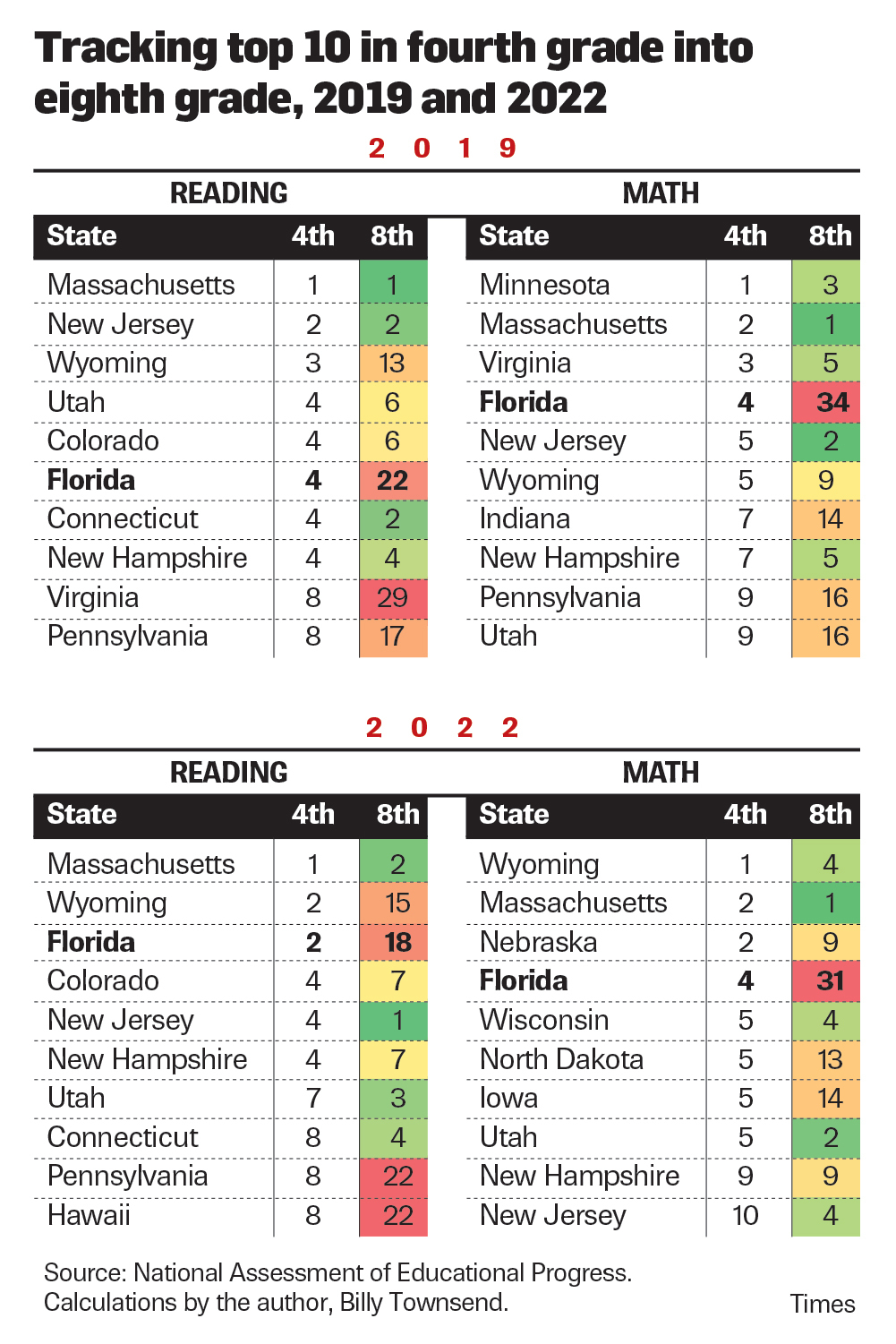
Standardized tests, such as the National Assessment of Educational Progress (NAEP), often referred to as the “Nation’s Report Card,” serve as a crucial benchmark for assessing student proficiency in core subjects like reading and mathematics. These tests offer a consistent measure across states, allowing for direct comparisons. When examining Florida’s performance on NAEP, trends can reveal areas of strength and those requiring more attention. Factors influencing these scores include curriculum effectiveness, teacher quality, resource allocation, and socioeconomic demographics of the student population. While Florida may exhibit variations in performance across different grade levels and subjects, its overall standing on these national assessments provides an important, albeit incomplete, picture of its educational output.
Graduation Rates and Beyond: Measuring Long-Term Success
Beyond standardized test scores, graduation rates are a critical indicator of a school system’s ability to keep students engaged and successfully complete their secondary education. High graduation rates suggest that students are not only acquiring knowledge but also completing the necessary requirements to move on to post-secondary education or enter the workforce. Furthermore, rankings often consider metrics that look beyond high school completion, such as the percentage of students enrolling in college, earning advanced degrees, or demonstrating readiness for higher education through measures like AP or IB course completion. These broader metrics offer a more comprehensive view of the long-term impact and effectiveness of a state’s K-12 education.
Florida’s Position in National Rankings: A State-by-State Analysis
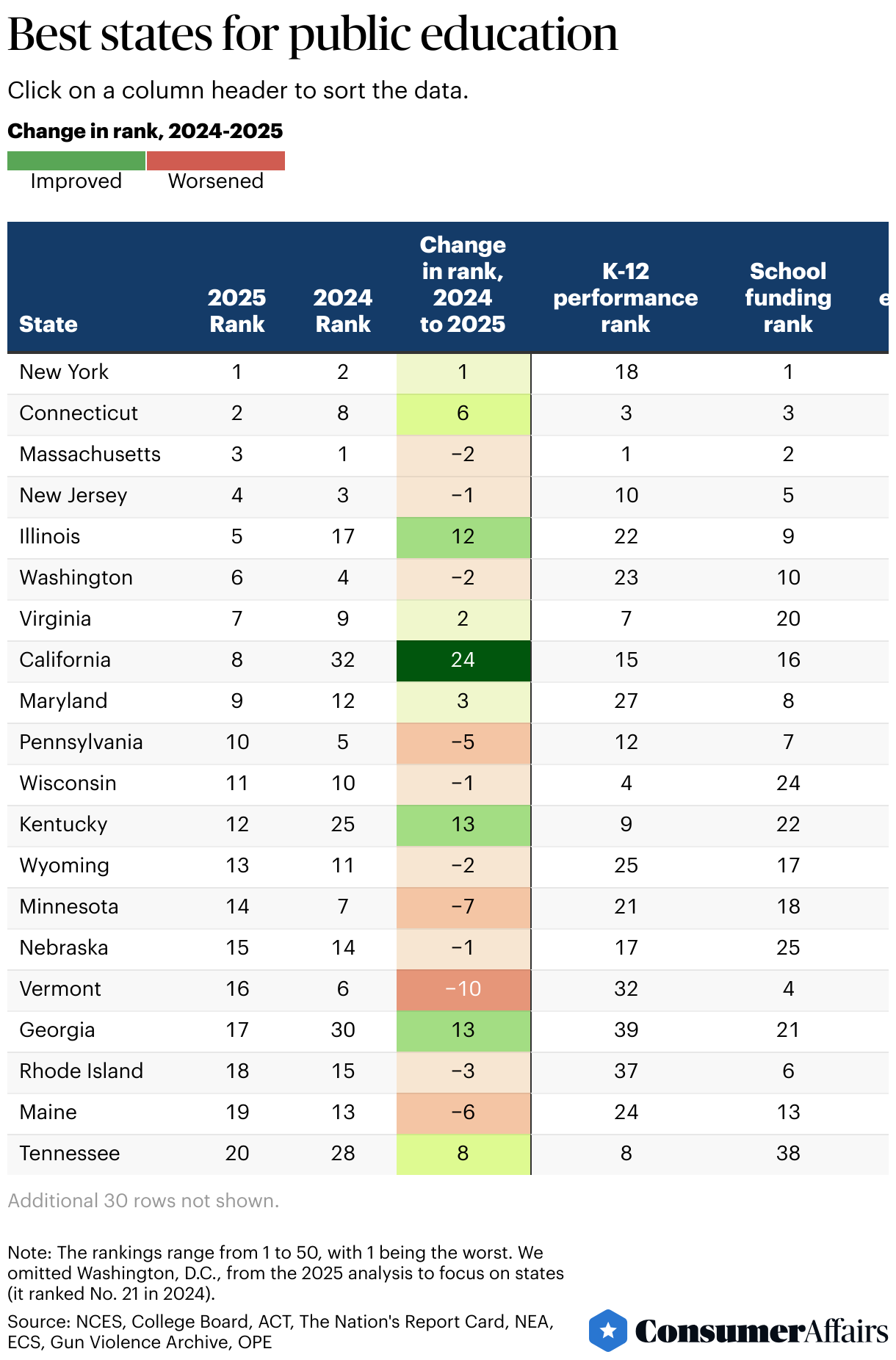
To understand where Florida ranks, it’s essential to consult reputable sources that conduct annual evaluations of state education systems. These rankings are not static and can fluctuate year to year based on changes in methodologies and performance data. Various organizations, from WalletHub to U.S. News & World Report, compile these rankings, each employing slightly different criteria. Generally, Florida has shown a consistent presence in the middle to upper-middle tier of national education rankings. This placement reflects a dynamic system that, while excelling in certain areas, also faces challenges common to many large, diverse states.
Examining the Factors Influencing Florida’s Rank
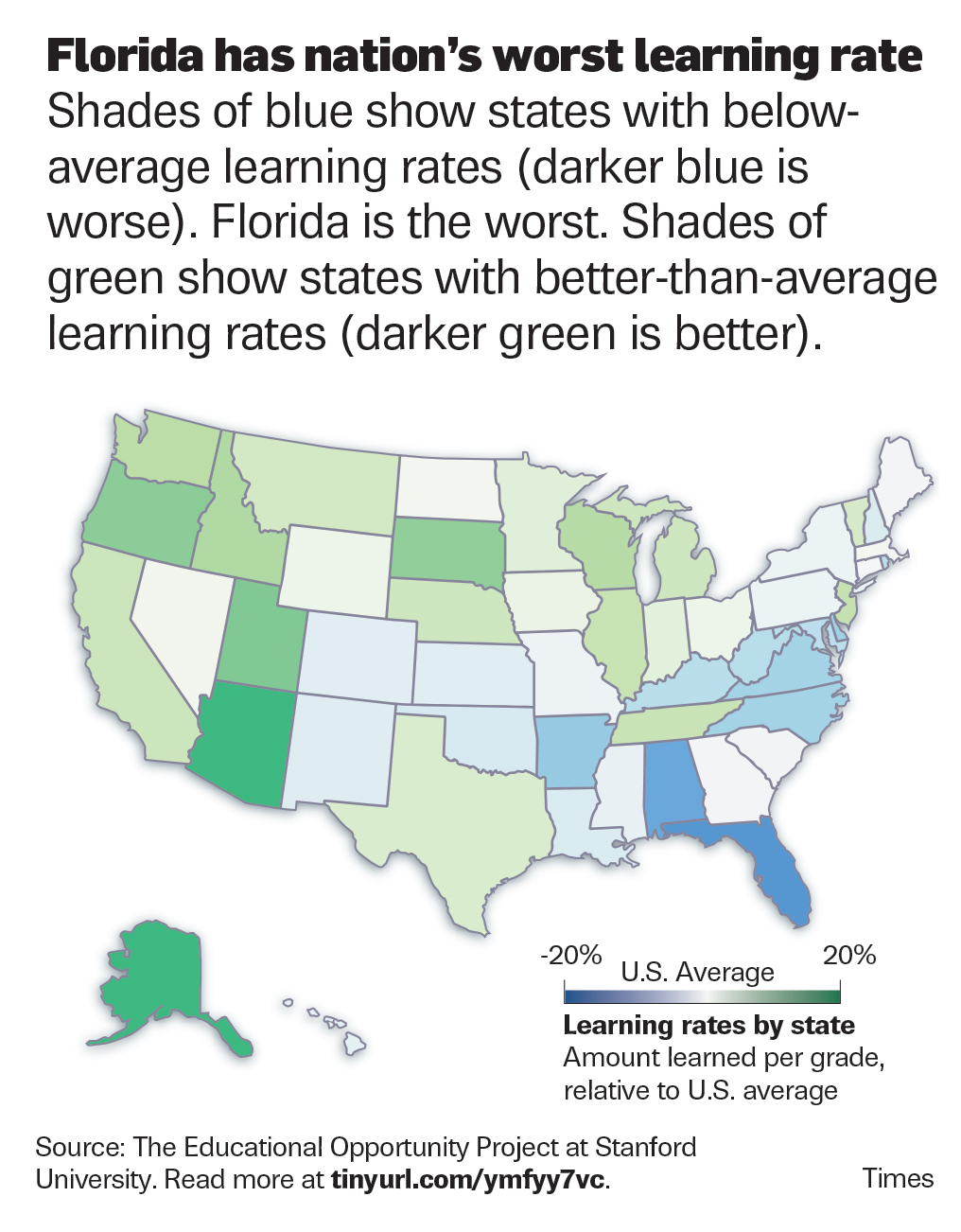
Several interconnected factors contribute to Florida’s position in educational rankings. The state’s significant population growth and the transient nature of some of its residents can present unique challenges in maintaining consistent educational outcomes. Moreover, the vast differences in socioeconomic conditions across Florida’s counties can lead to disparities in school resources and student support. Initiatives aimed at improving teacher training, curriculum development, and early childhood education are ongoing efforts to bolster the state’s educational standing. The focus on specific educational policies, such as school choice programs and accountability measures, also plays a role in shaping its overall ranking.
Strengths and Areas for Improvement
Florida has demonstrated notable strengths in certain aspects of its K-12 education. For instance, the state has often been recognized for its efforts in improving graduation rates and has made strides in providing educational opportunities for diverse student populations. The emphasis on STEM education and the expansion of charter schools are examples of policy directions aimed at enhancing educational offerings. However, like many states, Florida faces challenges in ensuring equitable access to high-quality education across all districts. Addressing achievement gaps, enhancing teacher retention, and increasing per-pupil funding in underserved areas are areas that continue to be subjects of focus and debate.
The Impact of Rankings on Families and Policy
The ranking of a state’s K-12 education system has tangible implications for various stakeholders. For families, these rankings can be a significant factor in deciding where to live, influencing their choice of communities and school districts. A higher ranking often signifies a more robust and effective educational environment, which can be a major draw for those seeking to provide the best possible opportunities for their children. Prospective residents might research specific school districts within Florida, looking beyond the state-wide average to find areas that align with their educational priorities.
Informed Decisions for Relocation and Investment
When considering a move to Florida, understanding its educational standing allows families to make more informed decisions. It encourages a deeper dive into the specific needs of their children and the resources available within different regions of the state. For example, a family prioritizing gifted programs might research districts known for their specialized offerings, regardless of the overall state ranking. Conversely, those concerned about early intervention for learning differences would seek out districts with strong support services. This granular approach to educational research empowers families to find the best fit for their unique circumstances.
Driving Educational Reform and Innovation
Beyond individual families, state education rankings serve as a catalyst for policy discussions and educational reform. Policymakers and educators often use these rankings to identify areas where improvement is needed and to advocate for necessary changes. A lower-than-desired ranking can spur initiatives to increase funding, revise curricula, or implement new teaching methodologies. Conversely, strong performance can highlight successful strategies that can be replicated in other areas. The ongoing pursuit of educational excellence in Florida is a continuous process of evaluation, adaptation, and innovation, driven in part by the desire to improve its standing and, more importantly, the educational outcomes for all its students.
LifeOutOfTheBox is a participant in the Amazon Services LLC Associates Program, an affiliate advertising program designed to provide a means for sites to earn advertising fees by advertising and linking to Amazon.com. Amazon, the Amazon logo, AmazonSupply, and the AmazonSupply logo are trademarks of Amazon.com, Inc. or its affiliates. As an Amazon Associate we earn affiliate commissions from qualifying purchases.