
Florida, often hailed as the “Sunshine State” for its abundant warmth and vibrant attractions, beckons millions of visitors each year. From the pristine shores of Miami and Orlando‘s thrilling theme parks to the historic charm of St. Augustine and the natural wonders of the Everglades National Park, Florida offers an unparalleled travel experience. However, for those curious about the legal status of cannabis, particularly recreational weed, the landscape is nuanced and critical to understand before planning a trip or considering a move to this popular destination. While medical marijuana has been legalized, recreational cannabis remains prohibited under state law, a fact that holds significant implications for both residents and tourists.
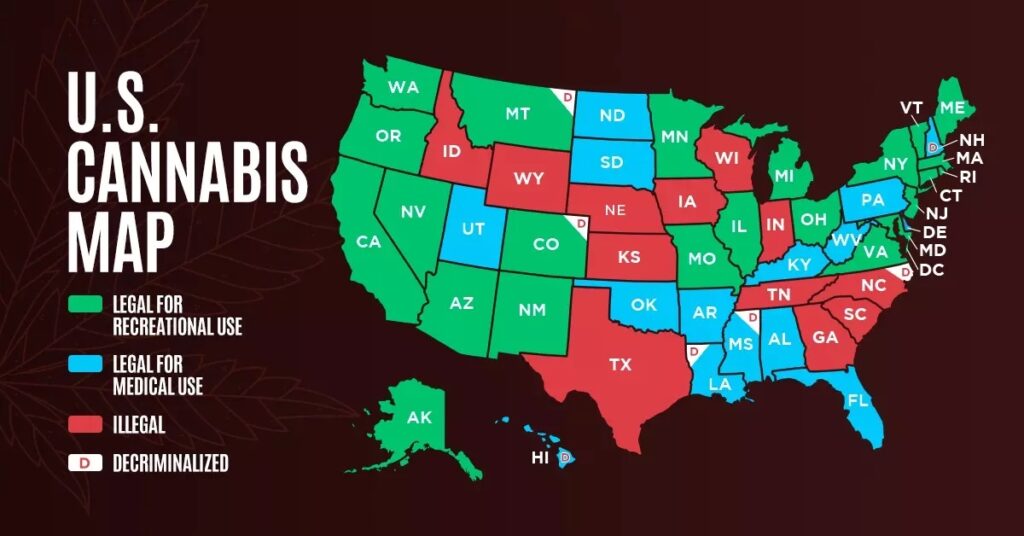
This comprehensive guide aims to shed light on the current legal status of cannabis in Florida, explain the complexities of its medical marijuana program, discuss the concept of decriminalization, and provide essential insights for travelers. Furthermore, we will delve into the exciting potential changes on the horizon, with a significant constitutional amendment poised to go before voters in November 2024. Understanding these regulations is paramount for anyone looking to enjoy the Sunshine State responsibly and legally, ensuring their focus remains on creating unforgettable travel memories rather than navigating legal woes.
The Current Legal Landscape in Florida: A Closer Look at Cannabis Laws
The state of Florida maintains a strict stance on recreational cannabis, setting it apart from a growing number of states across the United States that have embraced broader legalization. While the aroma of orange blossoms and sea salt permeates the air, the scent of burning cannabis could lead to serious legal repercussions if it’s not within the strict confines of the state’s medical program. This section dissects the current legal framework, differentiating between medical and recreational use and outlining the penalties associated with illegal possession.
Medical Marijuana: A Brief Overview
The journey towards cannabis reform in Florida began in earnest with the passage of Amendment 2 in 2016. This landmark decision established a comprehensive medical marijuana program, allowing qualifying patients to legally access cannabis for therapeutic purposes. The program is carefully regulated by the Florida Department of Health and requires a multi-step process for patient eligibility.
To qualify, individuals must be diagnosed with one of several debilitating medical conditions, which include, but are not limited to, cancer, epilepsy, glaucoma, HIV/AIDS, post-traumatic stress disorder (PTSD), amyotrophic lateral sclerosis (ALS), Crohn’s disease, Parkinson’s disease, multiple sclerosis (MS), or chronic non-malignant pain. Physicians, specifically those who have completed a state-mandated training course, are authorized to recommend medical cannabis to eligible patients. Following a recommendation, patients must register with the Florida Department of Health’s Medical Marijuana Use Registry and obtain a state-issued medical marijuana identification card.

Once approved, patients can purchase various forms of medical cannabis, including oils, tinctures, edibles, capsules, and smokable flower, from state-licensed dispensaries. These dispensaries are regulated to ensure product safety, quality, and accurate labeling. It’s crucial to note that while medical marijuana is legal for registered patients, public consumption, especially smoking, is generally prohibited. The program is designed for medicinal use within private settings, respecting the public’s perception and ensuring responsible use.
Recreational Cannabis: The Present Reality
Despite the progress in medical cannabis, recreational marijuana remains strictly illegal across the state of Florida. This means that for anyone without a valid Florida medical marijuana card, possession, sale, cultivation, or distribution of cannabis is a criminal offense with potentially severe consequences. The penalties vary significantly depending on the quantity of cannabis involved:
- Possession of less than 20 grams: This is classified as a misdemeanor offense. While seemingly minor, it can carry a jail sentence of up to one year, a fine of up to $1,000, and critically, an automatic suspension of the offender’s driver’s license for a period of one year. For a tourist, this can severely disrupt travel plans, leading to unexpected legal costs and a criminal record.
- Possession of more than 20 grams: This crosses the threshold into a felony offense, carrying much harsher penalties. Individuals found with more than 20 grams can face up to five years in state prison and a fine of up to $5,000.
- Cultivation, Sale, or Trafficking: Engaging in these activities, regardless of the quantity, is treated as a serious felony. Depending on the amount and specific circumstances, these charges can lead to lengthy prison sentences, substantial fines, and long-term criminal records that impact future travel, employment, and housing opportunities.
It’s clear that Florida’s current laws are designed to deter recreational use, emphasizing the importance of understanding and adhering to these regulations.
Decriminalization vs. Legalization: A Key Distinction
Adding another layer of complexity to Florida’s cannabis landscape is the concept of decriminalization, which some local municipalities have adopted. It is essential to distinguish decriminalization from full legalization, as they are fundamentally different.
- Decriminalization: In cities that have decriminalized small amounts of cannabis – such as Miami, Orlando, Tampa, Key West, and Gainesville – possession of a small quantity (typically under 20 grams) may result in a civil citation and a fine, similar to a traffic ticket, rather than an arrest and criminal charges. This reduces the burden on the criminal justice system and prevents individuals from receiving criminal records for minor offenses.
- Legalization: Legalization, on the other hand, means that state law permits the possession, sale, and use of cannabis for adults, typically regulated similarly to alcohol. This often involves state-licensed businesses, tax revenue generation, and defined rules for consumption and purchase.
Crucially, even in cities with decriminalization policies, state law still considers recreational cannabis illegal. Local ordinances cannot override state statutes. This means that while local law enforcement might issue a civil citation, individuals could still technically face state charges depending on the specific circumstances, the officer’s discretion, or if the case is handled by a different jurisdiction (e.g., county sheriff or state police). For visitors, relying solely on a city’s decriminalization policy without understanding state law is a risky proposition.
Navigating Cannabis Laws as a Visitor to Florida
For the millions who flock to Florida’s sunny shores annually, understanding the state’s cannabis laws is not just about legal compliance but also about ensuring a smooth, enjoyable, and uninterrupted vacation. The rules apply equally to residents and visitors, making awareness critical for anyone exploring Florida’s diverse attractions.
Understanding the Risks for Tourists
Tourists, especially those coming from states where recreational cannabis is legal, might mistakenly assume similar laws apply in Florida. This assumption can lead to serious consequences. As outlined above, even minor possession of recreational marijuana can lead to arrest, fines, jail time, and a criminal record. For a traveler, an arrest can instantly derail an entire trip, leading to:
- Immediate detention: Potentially missing flights, hotel bookings, and planned activities.
- Legal fees and fines: Unexpected and substantial financial burdens.
- Driver’s license suspension: If traveling by car, this can severely impact mobility.
- Reputational damage: A criminal record, even for a misdemeanor, can have long-lasting effects.
- Deportation risks: For non-U.S. citizens, drug-related offenses can lead to serious immigration consequences, including denial of future entry into the United States.
Furthermore, bringing cannabis across state lines, even from a state where it’s legal, is a federal offense. Federal law classifies cannabis as a Schedule I controlled substance, and federal statutes govern interstate commerce and transportation. Therefore, flying with cannabis into Orlando International Airport, Miami International Airport, or Fort Lauderdale-Hollywood International Airport, or driving it across state borders, is illegal and can lead to severe federal penalties.
Medical Marijuana for Out-of-State Patients
A common question among medical marijuana patients visiting Florida is whether their out-of-state medical marijuana card is recognized. The unequivocal answer is no. Florida’s medical marijuana program is exclusively for residents who have gone through the state’s specific registration process. There is no reciprocity for out-of-state medical cannabis cards. This means that even if you possess a valid medical marijuana card from another state, you cannot legally purchase or possess medical cannabis in Florida under the state’s current laws. Attempting to do so would subject you to the same penalties as any other individual possessing recreational cannabis.
Public Consumption and Designated Areas
Even for registered Florida medical marijuana patients, the rules surrounding consumption are strict. Public consumption of smokable cannabis is generally prohibited. While medical patients can use other forms of cannabis (edibles, tinctures, vapes) in private settings, discretion is paramount. There are no designated “cannabis cafes” or public consumption lounges like in some other legal states. Hotels and other accommodations typically have strict no-smoking policies, which extend to cannabis, and violating these policies could lead to fines or eviction. It’s always best to consume only in private residences where it’s explicitly permitted, or to avoid consumption altogether if unsure. Driving under the influence of cannabis is also strictly illegal and carries penalties similar to drunk driving, regardless of medical status.
The Road Ahead: Potential Changes and Future Outlook
The legal landscape surrounding cannabis in Florida is not static. A significant shift could be on the horizon, with a proposed constitutional amendment to legalize recreational marijuana for adults 21 and older slated for the November 2024 ballot. This initiative represents a potential turning point for the Sunshine State and its millions of residents and visitors.
The Push for Recreational Legalization
The movement to legalize recreational cannabis in Florida has gained considerable momentum. Spearheaded by the political committee Smart & Safe Florida, the proposed constitutional amendment seeks to allow adults aged 21 and older to possess, purchase, and use cannabis and cannabis accessories. If passed, the amendment would permit existing licensed medical marijuana treatment centers and potentially new licensees to sell cannabis products to adults.
A critical aspect of the proposed amendment is what it does not allow: home cultivation of cannabis. Unlike some other states where personal growing is permitted, Florida’s initiative focuses on a commercial, regulated market. This approach is common in states where the existing medical infrastructure is leveraged for the recreational market, allowing for a relatively swift transition and established regulatory oversight.
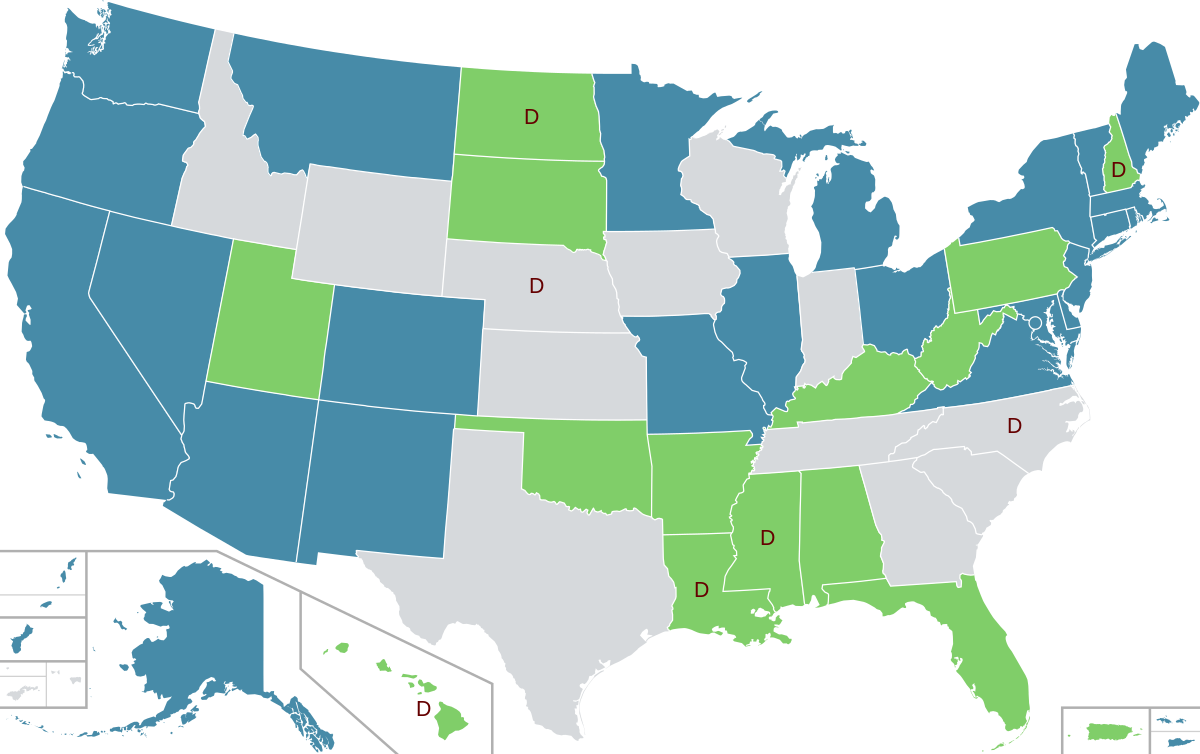
The journey to the ballot was not without its hurdles. The proposed amendment faced scrutiny from the Florida Supreme Court, which ultimately approved its language, clearing the way for voters to decide its fate. For the amendment to pass and become law, it requires a supermajority of 60% approval from voters in November 2024. Public opinion polls often show significant support for cannabis legalization in Florida, but achieving a 60% threshold can be challenging.
Economic and Social Impacts of Legalization
Should the amendment pass, the economic and social impacts on Florida could be profound. Economically, legalization is projected to generate substantial tax revenue for the state, which could be allocated to public services, infrastructure, or other state initiatives. It would also create a new industry, leading to job creation in cultivation, processing, distribution, and retail, potentially boosting the state’s economy beyond its traditional tourism and agriculture sectors. For the tourism industry, it could present a new facet of attraction, drawing visitors who seek destinations with legal recreational cannabis, similar to the phenomenon seen in states like Colorado or California.
Socially, legalization could lead to a decrease in cannabis-related arrests, freeing up law enforcement resources and reducing the number of individuals entangled in the criminal justice system for minor offenses. It might also shift public perception of cannabis, gradually normalizing its use among adults. However, it would also necessitate robust public health campaigns to educate residents and visitors about responsible consumption, potential health risks, and the importance of preventing impaired driving. The lifestyle implications could be significant, with shifts in social dynamics and a broader range of legal adult activities.
Preparing for a Shifting Landscape
For residents and prospective visitors, staying informed about the progress of the amendment is crucial. While the outcome of the November 2024 vote remains uncertain, the potential for change underscores the dynamic nature of cannabis laws. If the amendment passes, there would likely be an implementation period during which regulations are developed, licenses are issued, and the retail market is established. This means that even if voters approve legalization, recreational cannabis would not be immediately available the next day.
Travelers considering a future trip to Florida should continue to monitor reliable news sources and official state government websites for updates. For those planning a visit before the November 2024 vote, or during any subsequent implementation phase, the current laws remain in effect, and exercising caution and adherence to existing regulations is the safest approach. The overarching advice is to assume recreational cannabis is illegal until explicitly and officially stated otherwise, with clear guidelines for purchase and consumption.
Exploring Florida Beyond Cannabis: What to Enjoy Legally
While the discussion around cannabis legality is important, it should not overshadow the myriad legal attractions and experiences that make Florida a world-class destination. The Sunshine State offers an incredible array of activities, from thrilling adventures to serene escapes, catering to every type of traveler. Focusing on these legal pursuits ensures a memorable and hassle-free trip.
Iconic Destinations and Experiences
Florida is synonymous with iconic landmarks and unparalleled experiences. No visit would be complete without immersing oneself in the magic of Walt Disney World or the cinematic thrills of Universal Studios Florida in Orlando. Beyond the theme parks, the state boasts some of the world’s most beautiful beaches. Imagine relaxing on the vibrant sands of South Beach in Miami, enjoying the family-friendly atmosphere of Clearwater Beach, or witnessing stunning sunsets from Siesta Key Beach and St. Pete Beach. For those who prefer a more adventurous coastal experience, the surf-ready waves of Daytona Beach or the tranquil shores of Amelia Island offer diverse options.
Nature lovers can explore the unique ecosystem of the Everglades National Park, home to alligators, panthers, and diverse bird species. A scenic drive down the Florida Keys to Key West offers breathtaking ocean views, charming towns, and opportunities for snorkeling, diving, and fishing. History buffs will appreciate the cobblestone streets and centuries-old architecture of St. Augustine, the nation’s oldest continuously inhabited European-established settlement, or the vibrant Art Deco Historic District in Miami Beach. For a truly out-of-this-world experience, the Kennedy Space Center Visitor Complex offers a fascinating glimpse into space exploration. Animal enthusiasts will find delight at Busch Gardens Tampa Bay, combining thrilling rides with a world-class zoo. Other beautiful cities like Sarasota, Naples, and Palm Beach offer cultural attractions, upscale shopping, and pristine golf courses.
Culinary Delights and Local Culture
Florida’s diverse cultural tapestry is reflected in its culinary scene. From fresh seafood straight from the Gulf and Atlantic to vibrant Latin influences, particularly in South Florida, there’s a taste for every palate. Indulge in stone crab claws, Key lime pie, or authentic Cuban sandwiches. Explore local farmers’ markets, food festivals, and upscale dining establishments that celebrate the state’s bounty. Beyond food, Florida offers a rich array of cultural experiences, including art galleries, live music venues, dance performances, and historical museums that tell the story of its vibrant past. Whether you’re interested in the vibrant nightlife of Miami, the artistic enclaves of St. Petersburg, or the laid-back charm of the Gulf Coast, Florida’s local culture is diverse and welcoming.
Accommodation and Travel Tips
When planning your Florida adventure, selecting the right accommodation is key to a comfortable and convenient stay. The state offers a wide range of options, from luxurious resorts and boutique hotels to family-friendly apartments and secluded villas. Whether you’re seeking a beachfront escape, a city-center hub, or a tranquil retreat, researching and booking accommodations that align with your travel style and budget is essential. Many hotels and resorts offer incredible amenities, from expansive pools and spas to fine dining and direct beach access, enhancing the overall lifestyle experience.
For efficient travel, flying into major hubs like Orlando International Airport (MCO), Miami International Airport (MIA), or Fort Lauderdale-Hollywood International Airport (FLL) often provides the best access to different regions. Renting a car is highly recommended for exploring the state at your own pace, especially if you plan to visit multiple destinations. Always remember to prioritize safety, respect local laws and customs, and embrace the legal experiences that make Florida such a captivating destination.
In conclusion, while the topic of recreational weed in Florida is evolving, the current legal status prohibits its use for recreational purposes. Travelers and residents must adhere strictly to existing laws to avoid legal complications. The upcoming vote in November 2024 presents a potential future where recreational cannabis may become legal, but until then, visitors should focus on enjoying the countless legal attractions, diverse culture, and stunning natural beauty that Florida so generously offers. Stay informed, stay safe, and savor the sunshine!
LifeOutOfTheBox is a participant in the Amazon Services LLC Associates Program, an affiliate advertising program designed to provide a means for sites to earn advertising fees by advertising and linking to Amazon.com. Amazon, the Amazon logo, AmazonSupply, and the AmazonSupply logo are trademarks of Amazon.com, Inc. or its affiliates. As an Amazon Associate we earn affiliate commissions from qualifying purchases.