
Florida, the Sunshine State, beckons millions of travelers each year with its pristine beaches, world-famous theme parks, vibrant cities, and unparalleled natural beauty. But beyond the immediate question of “What time is it right now in Florida?” lies a deeper, more crucial inquiry for any discerning traveler: What is the best time in Florida – for me? This question extends far beyond a simple clock check, encompassing everything from optimal travel seasons, event timings, and daily itineraries to the rhythm of local life, all vital for crafting an unforgettable journey. Understanding the various temporal dimensions of a Florida visit is key to unlocking its full potential, ensuring your trip aligns perfectly with your desires for relaxation, adventure, culture, or family fun.
This comprehensive guide will delve into every aspect of timing your Florida adventure, from navigating its distinct time zones to pinpointing the ideal seasons for specific activities, and even mastering the day-to-day rhythm of popular destinations. Whether you’re planning a luxurious escape, a budget-friendly family vacation, an adventurous outdoor expedition, or a relaxing long-term stay, grasping the nuances of “what time in Florida” will empower you to make informed decisions and curate an experience that truly suits your lifestyle.
Understanding Florida’s Time Zones: A Crucial First Step
Before diving into the seasonal intricacies and daily rhythms of the Sunshine State, it’s essential to address the most fundamental aspect of “what time in Florida”: its actual time zones. Unlike many states that adhere to a single time zone, Florida straddles two, a detail that can significantly impact travel logistics and scheduling, especially for those venturing across the state.
Eastern vs. Central: Where the Line is Drawn
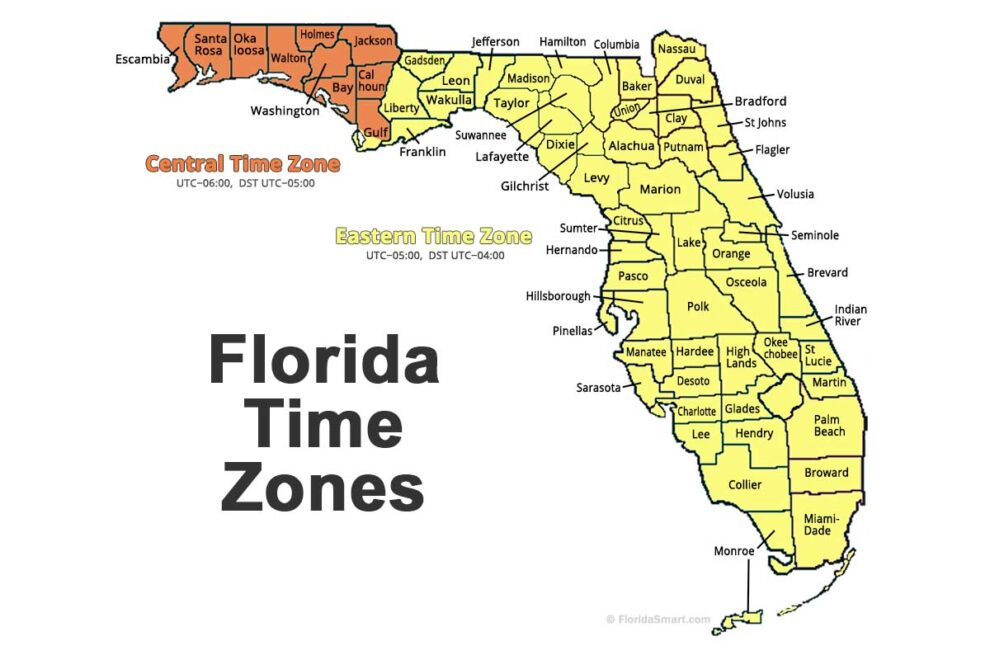
The vast majority of Florida operates on Eastern Time Zone (ET), which observes Eastern Standard Time (EST) during the winter months (UTC-5) and Eastern Daylight Time (EDT) during the summer (UTC-4). This includes major hubs like Orlando, Miami, Tampa, Jacksonville, and Key West, encompassing the bustling theme park corridors of Central Florida, the vibrant beaches of South Florida, and the historic charm of North Florida.
However, a significant portion of Florida’s Panhandle observes the Central Time Zone (CT), specifically Central Standard Time (CST) during winter (UTC-6) and Central Daylight Time (CDT) during summer (UTC-5). This region includes popular destinations such as Pensacola, Panama City Beach, and Destin. The time zone boundary is generally drawn along the Apalachicola River, running south from the Georgia border. It’s a subtle but crucial distinction that can catch unprepared travelers off guard.
Practical Implications for Travelers
Understanding these time zones is paramount for seamless travel planning. If your itinerary involves flying into a Panhandle airport and then driving to Orlando, or vice-versa, be mindful of the one-hour time difference. Missing a flight or a critical reservation due to a simple time zone oversight can be a frustrating hiccup in an otherwise perfect trip.
Furthermore, Florida observes Daylight Saving Time, meaning clocks spring forward by one hour in March and fall back in November. This shift can affect flight schedules and the operating hours of attractions, so always double-check local times, especially if your travel dates fall around these transitions. For business travelers, coordinating meetings across time zones, even within the state, requires careful attention. When booking accommodations or planning activities, always confirm the local time of the specific location you intend to visit. Reputable hotels and resorts will always list their local time, but it’s a detail worth verifying for peace of mind.

Timing Your Visit: Seasons, Crowds, and Costs
Beyond the ticking clock, the “best time” to visit Florida is highly subjective, influenced by personal preferences for weather, crowd levels, desired activities, and budget. Florida’s climate varies significantly throughout the year, dictating everything from comfortable beach days to peak theme park experiences. Understanding these seasonal shifts is crucial for optimizing your tourism and travel experience.
The Allure of Winter and Spring: High Season Highlights
December to April generally marks Florida’s high season. During these months, the weather is often described as near-perfect: warm, sunny days with low humidity and cooler, pleasant evenings. This makes it an ideal time for enjoying the state’s outdoor attractions, including its world-famous beaches, golfing, fishing, and exploring natural landmarks like Everglades National Park without the intense summer heat.
- Winter (December-February): Escape the cold northern winters to enjoy mild temperatures perfect for beach holidays in Miami Beach, exploring the Art Deco Historic District, or experiencing the holiday magic at Walt Disney World Resort and Universal Orlando Resort. Events like Christmas and New Year’s Eve celebrations draw massive crowds, requiring significant advance accommodation bookings, often at premium rates.
- Spring (March-April): This period sees increasingly warmer temperatures, ideal for aquatic activities, exploring St. Augustine’s historic streets, or catching a spring training baseball game. However, it also coincides with Spring Break for many schools and universities, leading to extremely high crowd levels, particularly in coastal areas like Fort Lauderdale and the theme parks. Prices for flights and hotels are typically at their peak during these months. For those seeking luxury travel, booking well in advance at resorts like The Breakers Palm Beach is essential.
Summer’s Sunshine and Family Fun
May to August ushers in Florida’s summer: hot, humid, and prone to afternoon thunderstorms. Despite the heat, this is another incredibly popular time for family trips, largely due to school holidays. Theme parks, like Busch Gardens Tampa Bay and Kennedy Space Center Visitor Complex, are bustling, with long lines and extended operating hours.
While the heat can be intense, it’s also perfect for enjoying water parks, splashing at the beaches of the Gulf of Mexico or the Atlantic Ocean, and indoor attractions. Accommodation prices remain high, especially at major resorts like the Walt Disney World Swan and Dolphin Resort. Savvy travelers often plan early morning activities to beat the heat and crowds, reserving afternoons for indoor entertainment or relaxing by the pool.
Fall’s Festivals and Favorable Weather: The Shoulder Season Sweet Spot
September to November is often considered a “shoulder season” and a fantastic time to visit for those who prefer fewer crowds and more moderate temperatures, particularly in late October and November. The intense summer heat begins to wane, and humidity drops, making outdoor exploration much more comfortable.
- Early Fall (September-October): While still warm, the weather improves steadily. This period sees many fantastic festivals, such as the EPCOT International Food & Wine Festival at Walt Disney World and Halloween Horror Nights at Universal Orlando, offering unique tourism experiences. Prices for hotels and flights generally decrease from summer highs, making it a great option for budget travel or those seeking more value.
- Late Fall (November): Approaching the winter high season, November offers some of the best weather, with comfortable temperatures across the state. The crowds are typically manageable until the week of Thanksgiving, which sees a surge. This is an excellent time for visiting places like Clearwater Marine Aquarium or enjoying the vibrant Duval Street in Key West.
Hurricane Season Considerations
It’s crucial to acknowledge that June 1st to November 30th marks Atlantic Hurricane Season. While direct hits are rare, tropical storms and hurricanes can impact travel plans, leading to delays, cancellations, and temporary closures of attractions. Travel insurance is highly recommended during this period. However, many travelers still visit during these months, often finding excellent deals on accommodation and experiencing fewer crowds, especially in the absence of storm activity. Modern weather forecasting provides ample warning, allowing for adjustments if necessary.
Day-to-Day: Mastering Your Florida Itinerary
Beyond selecting the optimal season, effective daily time management is paramount to maximize your Florida experience. Each type of attraction and activity demands a different approach to scheduling.
Theme Parks and Major Attractions: When to Go
Florida’s world-renowned theme parks, like those in Orlando and Tampa, require strategic timing.
- Early Bird Advantage: Arriving at park opening (“rope drop”) is almost always the best strategy to experience popular rides with minimal wait times. Many parks, including those at Walt Disney World Resort and Universal Orlando Resort, offer early entry benefits for guests staying at official resorts, providing a significant advantage.
- Mid-day Heat & Crowds: The middle of the day (11 AM – 3 PM) typically sees the highest crowds and hottest temperatures, making it a good time for indoor shows, air-conditioned dining, or a mid-day break back at your hotel.
- Evening Entertainment: Parks often come alive in the evening with parades, fireworks, and special nighttime shows. Staying until closing can also offer shorter wait times as some families with young children head out.
- Specific Events: For events like Halloween Horror Nights or EPCOT International Food & Wine Festival, check event-specific hours and consider purchasing express passes or special event tickets to maximize your time.

Dining and Entertainment: Savory Moments and Vibrant Nights
Florida’s diverse culinary scene and bustling nightlife also have their rhythms.
- Dining: For popular restaurants, especially those in tourist hotspots or upscale dining establishments, making reservations well in advance is highly recommended, particularly during peak seasons. Many establishments offer early bird specials, allowing you to dine before the dinner rush and potentially at a lower cost. Experiencing Cuban culture and cuisine in Miami’s Little Havana or savoring fresh seafood along the coast can be enjoyed throughout the day, but dinner offers a livelier atmosphere. Don’t forget to time your dessert for a taste of authentic Key Lime Pie!
- Nightlife: From the vibrant clubs of South Beach to the casual bars of Key West’s Duval Street or Orlando’s International Drive, Florida offers abundant evening entertainment. Most venues typically open in the late afternoon or early evening and come alive after 9 PM, extending well into the early morning hours, particularly on weekends.
Embracing Nature and Relaxation: Beaches, Parks, and Sunsets
Florida’s natural landmarks and outdoor activities also benefit from mindful timing.
- Beaches: Early mornings offer serene conditions, cooler temperatures, and fewer crowds, perfect for a peaceful stroll or sunrise photography. Late afternoons are ideal for swimming and sunbathing as the sun begins to set, leading to spectacular sunsets over the Gulf of Mexico or the Atlantic Ocean.
- National Parks & Wildlife: Visiting places like Everglades National Park early in the morning or late in the afternoon increases your chances of spotting wildlife when temperatures are cooler and animals are more active. Airboat tours often operate throughout the day, but the light can be magical during the “golden hours” around sunrise and sunset.
- Historic Sites: Exploring outdoor historic sites like Castillo de San Marcos in St. Augustine is best done in the cooler parts of the day, especially during the warmer months. Many historical attractions have specific operating hours, so check their websites before visiting.
Beyond the Clock: Lifestyle and Long-Term Planning
“What time in Florida?” also refers to the broader temporal aspects of planning your entire trip and understanding the state’s unique lifestyle. This encompasses booking strategies, pacing your adventure, and adapting to the local flow.
Booking Ahead: Securing Your Dream Accommodation
The timing of your accommodation bookings can significantly impact both availability and price, particularly for popular destinations and during peak seasons.
- Peak Season (Winter/Spring): For travel between December and April, especially if you’re targeting specific resorts or villas in high-demand areas, booking 6-12 months in advance is not uncommon, particularly for luxury travel experiences or large family trips. This ensures you secure your preferred options and often the best rates.
- Shoulder & Low Season (Fall/Summer): While still advisable to book a few months out, you might find more flexibility and better deals with 3-6 months advance notice. Last-minute deals on hotels or apartments can sometimes be found during the true low season (late August/September), but this strategy carries more risk regarding choice.
- Long-Term Stays: If you’re considering a long-term stay in Florida, especially for snowbirds, it’s common to book winter rentals a year or more in advance due to high demand for specific properties and locations. Reviewing available options on various booking platforms and comparing reviews is crucial regardless of the booking window.
Balancing Adventure and Relaxation: Crafting Your Pace
The “time” you allocate to different activities defines the rhythm of your Florida vacation.
- Fast-Paced Adventure: For travelers seeking to pack in as many attractions and experiences as possible, particularly those on a business stay with limited free time or energetic family trips, careful itinerary planning is essential. Utilize mobile apps for wait times, consider express passes, and prioritize key activities.
- Relaxed Exploration: For those prioritizing lifestyle and relaxation, perhaps a longer stay at a resort with extensive amenities, allowing ample time for leisurely beach days, spa treatments, and unhurried dining. The unhurried pace of Key West or the tranquil beaches of Sarasota or Naples lends itself well to this approach. Remember, sometimes the best moments are those unplanned, soaking in the atmosphere of a destination.
Florida’s Rhythmic Lifestyle: Adapting to the Flow
Finally, embracing the local rhythm enriches any travel experience. Florida’s pace can vary significantly from the bustling energy of Miami or Orlando to the laid-back island vibes of the Keys or the historic tranquility of St. Augustine.
- Early Mornings & Late Evenings: Floridians often start their days early to beat the heat, enjoying outdoor activities before the midday sun. Similarly, evenings are a popular time for socializing, dining, and enjoying the cooler air.
- Patience is a Virtue: In major tourist areas, expect occasional delays or crowds, especially during peak season. A relaxed attitude and a willingness to adapt will significantly improve your experience.
- Local Events & Culture: Take time to explore local markets, cultural events, and festivals. These often happen on specific days or times and offer unique insights into Florida’s diverse local culture, food, and activities. Checking local event calendars is a great way to discover these gems.
In conclusion, “What time in Florida?” is a multifaceted question that goes beyond a simple glance at a clock. It’s about understanding the state’s geographical time zones, strategically planning your visit around its distinct seasons, mastering the daily flow of its diverse attractions, and aligning your travel lifestyle with the state’s unique rhythm. By considering all these temporal elements, you can ensure your Florida getaway is not just timely, but truly unforgettable.
LifeOutOfTheBox is a participant in the Amazon Services LLC Associates Program, an affiliate advertising program designed to provide a means for sites to earn advertising fees by advertising and linking to Amazon.com. Amazon, the Amazon logo, AmazonSupply, and the AmazonSupply logo are trademarks of Amazon.com, Inc. or its affiliates. As an Amazon Associate we earn affiliate commissions from qualifying purchases.