
For anyone planning a trip, making a business call, or simply curious about the rhythm of one of the world’s most dynamic travel destinations, knowing the current time in Orlando, Florida, is paramount. Nestled in the heart of the Sunshine State, Orlando operates on Eastern Time. This means it follows Eastern Standard Time (EST) during the colder months and switches to Eastern Daylight Time (EDT) during the warmer period. Currently, if it’s daylight saving time, Orlando is on EDT, which is UTC-4. If it’s standard time, it’s on EST, which is UTC-5. This seemingly simple piece of information is the cornerstone of effective travel planning, from coordinating flights and hotel check-ins to maximizing every magical moment in this vibrant city.
Understanding Orlando’s time zone is more than just knowing what to set your watch to; it’s about optimizing your entire experience. For travelers arriving from different parts of the United States or international destinations, managing the time difference is crucial for a smooth transition, avoiding jet lag, and hitting the ground running. For businesses, it dictates meeting schedules and communication flows. And for anyone dreaming of Orlando’s theme parks, dining experiences, or leisurely activities, the clock truly is your guide to a perfectly orchestrated adventure.
Understanding Time Zones: The Heart of Travel Planning
The United States observes several time zones, and Florida itself spans two: Central Time in its panhandle and Eastern Time for the majority of the state, including Orlando. This geographical detail is vital for travelers, especially those embarking on road trips across state lines or connecting flights within Florida. Knowing which time zone applies to your specific destination ensures that all your bookings, from hotel reservations to attraction tickets, are aligned with local time, preventing missed appointments or frustrating delays.
Eastern Standard Time (EST) and Eastern Daylight Time (EDT)
Orlando consistently follows the Eastern Time Zone. During the non-Daylight Saving Time months, typically from early November to mid-March, Orlando operates on Eastern Standard Time (EST). This means it is five hours behind Coordinated Universal Time (UTC) (UTC-5). When Daylight Saving Time begins, usually on the second Sunday in March, clocks “spring forward” one hour, and Orlando switches to Eastern Daylight Time (EDT). During this period, which lasts until the first Sunday in November, Orlando is four hours behind UTC (UTC-4).
This twice-yearly adjustment is a routine aspect of life in Orlando and across much of America. While locals are accustomed to it, it can be a source of confusion for visitors. It’s always a good practice to verify the current date and whether Daylight Saving Time is in effect when making your travel plans or confirming schedules. Digital devices typically adjust automatically, but analog clocks or manual itinerary checks might require a personal update.

The Impact of Daylight Saving Time on Your Florida Trip
The shift to Daylight Saving Time can have a subtle yet significant impact on a traveler’s experience. Gaining an hour of daylight in the evening is often seen as a benefit, allowing for longer days at the theme parks, more time for outdoor dining, or extended exploration of local attractions. For families, this can mean enjoying an extra ride or show before bedtime. For those interested in Orlando’s natural beauty, such as exploring the springs or playing a round of golf, the extended daylight hours provide more flexibility.
However, the “lost” hour when clocks spring forward can also contribute to jet lag, particularly for those arriving from western time zones. It’s essential to factor this into your arrival day planning. Scheduling lighter activities or allowing for a relaxed pace on your first day can help your body adjust. Conversely, when clocks “fall back” in November, visitors gain an hour, which can feel like a bonus, offering an extra hour of sleep or an early start to the day without feeling rushed. Always confirm your flight times and accommodation check-in/check-out policies in relation to these time changes.

Beyond the Clock: Why Time Matters in Orlando
In a destination as packed with attractions and experiences as Orlando, time is truly of the essence. Every minute counts when you’re trying to fit in a thrilling roller coaster, a character meet-and-greet, a world-class meal, and a spectacular fireworks show. A solid understanding of local time allows you to craft an itinerary that flows seamlessly, minimizes waiting, and maximizes enjoyment.
Maximizing Your Theme Park Adventures
Orlando is world-renowned for its theme parks, including the sprawling Walt Disney World Resort and the adventurous Universal Orlando Resort. Each park, from Magic Kingdom and Epcot to Universal Studios Florida and Islands of Adventure, operates on strict schedules for opening, closing, parades, shows, and ride queues. Knowing the exact local time is critical for:
- Rope Drop: Arriving at the park gates before opening (known as “rope drop”) allows you to experience popular attractions with minimal wait times.
- Showtimes and Parades: Missing a scheduled parade or a spectacular nighttime show like “Harmonious” at Epcot or “Universal Orlando’s Cinematic Celebration” at Universal Studios Florida due to a time zone miscalculation would be a significant disappointment.
- Dining Reservations: Many of Orlando’s most sought-after dining experiences, especially within the parks or at popular resorts, require reservations made well in advance. These reservations are always in local time, and arriving late could mean forfeiting your table.
- Genie+ and Virtual Queues: Modern park-going often involves digital tools for ride access or virtual queues. These systems operate in real-time based on the local clock, requiring precise timing for booking and redemption.
Whether you’re visiting Disney’s Hollywood Studios for Star Wars: Galaxy’s Edge or exploring the wonders of Universal’s Volcano Bay, every minute is precious.
Dining and Entertainment: Timing Your Culinary Journey
Orlando’s culinary scene is as diverse as its attractions, offering everything from character dining to celebrity chef restaurants. Much like theme parks, dining in Orlando often revolves around precise timing. Reservations for popular spots along International Drive, in Disney Springs, or Universal CityWalk are highly recommended, especially during peak season. Being aware of the local time ensures you arrive promptly for your table.
Beyond formal dining, understanding the clock is useful for catching happy hour specials, enjoying live music at a specific venue, or attending a theatrical performance or concert. Many entertainment options have strict start times, and late arrivals might result in missed portions of the show or even denied entry. For those staying at resorts with various amenities, from spas to fitness classes, scheduling these activities also adheres to the local time, adding another layer of consideration for the organized traveler.
Business and Connectivity: Staying on Schedule
For business travelers or those working remotely while enjoying an Orlando vacation, time zone awareness is not just convenient; it’s essential for professional continuity. Scheduling virtual meetings, making conference calls, or sending time-sensitive emails to colleagues in different time zones requires meticulous planning to avoid early morning disturbances or late-night work sessions.
Many Orlando hotels and resorts cater to business travelers, offering dedicated workspaces and high-speed internet. However, even with these facilities, the onus is on the individual to manage their international or cross-country communication schedule. Being an hour off can mean the difference between connecting with a client or missing a crucial deadline. Therefore, always double-check the time difference between Orlando and your business contacts’ locations.
Planning Your Orlando Visit: A Timely Approach
Effective planning is the key to an unforgettable Orlando vacation. From booking your flight to selecting the perfect accommodation, considering the time element at every step will streamline your trip and reduce potential stress.
Choosing the Best Season to Visit
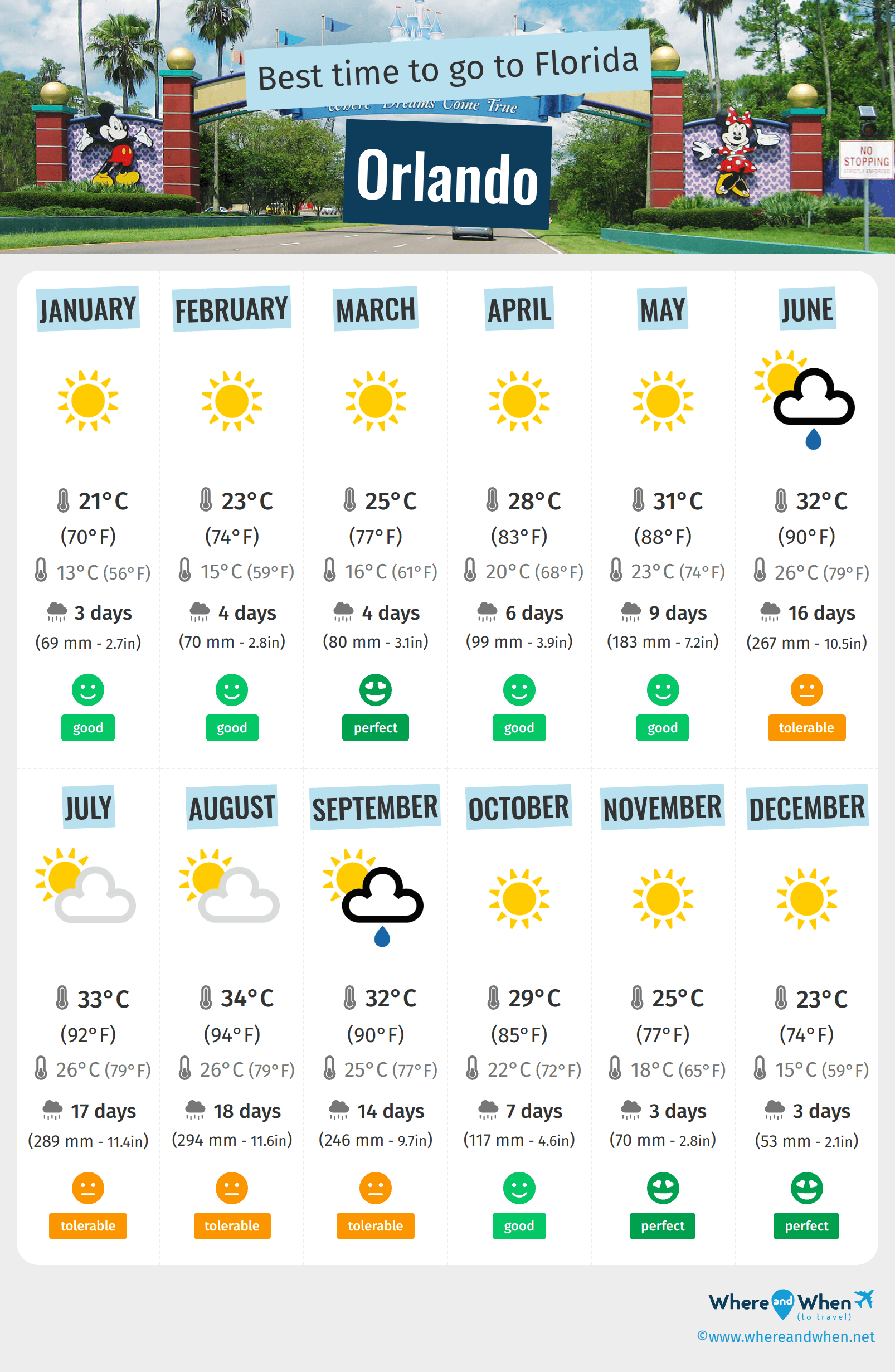
While not directly related to the current time, the time of year you choose to visit Orlando significantly impacts your experience. Peak seasons, such as school holidays and major festivals, see higher crowds and longer wait times, making efficient time management even more critical. During these periods, theme park opening hours might be extended, and reservations for dining and shows become even more competitive.
Conversely, visiting during off-peak times can offer a more relaxed pace, shorter lines, and potentially lower prices on hotels and accommodation. However, park hours might be shorter, and some attractions could be undergoing refurbishment. Aligning your visit with your preferences for weather, crowd levels, and activity types, while keeping an eye on the Daylight Saving Time shifts, ensures you get the most out of your stay.
Accommodation Considerations: Checking In and Out
When booking your Orlando accommodation, whether it’s a luxury suite, a family-friendly resort, or a spacious villa, check-in and check-out times are always set to local Orlando time. This becomes particularly important if you are arriving on an early flight or departing late in the day. Many hotels offer luggage storage services, allowing you to enjoy the city even if your room isn’t ready or after you’ve checked out.
For those flying into Orlando International Airport (MCO), being aware of the local time helps in coordinating ground transportation, whether it’s a rental car pickup, a shuttle service, or a ride-share. Missing a scheduled shuttle due to a time mix-up could lead to unnecessary delays and added expenses. Therefore, confirm all airport transfer timings in advance, factoring in your arrival time relative to Orlando’s current time.
Navigating Jet Lag: Tips for a Smooth Transition
Jet lag can significantly dampen the excitement of starting an Orlando adventure. For travelers from other time zones, particularly those from the West Coast or international destinations in Europe or Asia, adjusting to Eastern Time can take a day or two. Proactive measures can help mitigate its effects:
- Adjust Before You Go: Gradually shift your sleep schedule a few days before your trip to align with Orlando’s time.
- Stay Hydrated: Drink plenty of water during your flight and upon arrival.
- Embrace Daylight: Expose yourself to natural light upon arrival to help reset your internal clock.
- Avoid Over-Scheduling: Don’t pack too many activities into your first day. Allow for rest and easy exploration.
- Consistent Sleep: Try to go to bed and wake up at consistent times local to Orlando, even if you feel tired.
By implementing these tips, you can reduce the impact of jet lag and start enjoying Orlando’s magic sooner, making every precious moment count.
Orlando’s Timeless Allure: Making Every Moment Count
Beyond the practicalities, understanding the rhythm of Orlando allows you to fully immerse yourself in its unique lifestyle. From dawn to dusk, and well into the night, the city offers an array of experiences that cater to every interest and pace.
Iconic Landmarks and Attractions for Every Hour
Orlando’s appeal extends far beyond its famous theme parks. The city is rich with other landmarks and attractions that operate on their own distinct schedules. For instance, the Kennedy Space Center Visitor Complex, a must-visit for space enthusiasts, requires a full day of exploration, necessitating an early start. SeaWorld Orlando offers captivating marine life shows and thrilling rides that run throughout the day.
For those seeking non-park entertainment, ICON Park, home to The Wheel at ICON Park, provides evening lights and vibrant nightlife. Downtown Orlando boasts cultural sites like Lake Eola Park and the charming shops and cafes of Winter Park, each with their own optimal visiting hours. From airboat tours in the morning fog to enjoying the thrilling rides at Gatorland in the afternoon, carefully checking operating hours in local time is essential for a well-rounded itinerary.
Embracing Orlando’s Lifestyle: Day to Night Activities
Orlando’s lifestyle truly comes alive throughout the day. Mornings can be dedicated to serene rounds of golf on championship courses or a tranquil breakfast by the pool at your resort. Afternoons are perfect for the adrenaline rush of theme park rides, exploring boutiques and unique shops, or unwinding at a luxurious spa. As evening approaches, the city transforms. Disney Springs and Universal CityWalk burst with live music, delectable dining, and vibrant nightlife options.
Whether your lifestyle leans towards luxury travel with fine dining and exclusive experiences, or budget travel seeking free events and affordable eats, understanding the daily flow of Orlando will enhance your trip. Even something as simple as timing your return to your accommodation to catch a beautiful Florida sunset can be a memorable part of your journey.
In conclusion, while the question “What time is it now in Florida Orlando?” might seem straightforward, its implications for travel, tourism, and daily life in this captivating city are profound. Orlando operates on Eastern Time, shifting between EST (UTC-5) and EDT (UTC-4) with Daylight Saving Time. For visitors planning their dream vacation, keeping this in mind is crucial for seamless logistics, maximizing attraction visits, and truly embracing the magic that makes Orlando a world-class destination. So, synchronize your watches, plan wisely, and get ready to make every second count in this extraordinary Florida paradise.
LifeOutOfTheBox is a participant in the Amazon Services LLC Associates Program, an affiliate advertising program designed to provide a means for sites to earn advertising fees by advertising and linking to Amazon.com. Amazon, the Amazon logo, AmazonSupply, and the AmazonSupply logo are trademarks of Amazon.com, Inc. or its affiliates. As an Amazon Associate we earn affiliate commissions from qualifying purchases.