
When planning a journey to the sun-drenched shores of the Western Pacific, travelers often seek to immerse themselves not just in the scenic beauty but also in the rich tapestry of local culture. A question frequently asked by those curious about this vibrant destination is, “What are the people of Guam called?” The answer lies deep within the island’s history, language, and traditions: the people of Guam are proudly known as Chamorros.
The Chamorros are the indigenous people of the Mariana Islands, an archipelago that includes Guam and the Commonwealth of the Northern Mariana Islands. Their unique heritage, language, and customs form the very soul of Guam, offering visitors an experience far beyond pristine beaches and luxurious accommodations. Understanding the Chamorros is key to unlocking the true essence of this captivating Pacific island paradise, enriching any travel experience with meaningful cultural engagement.
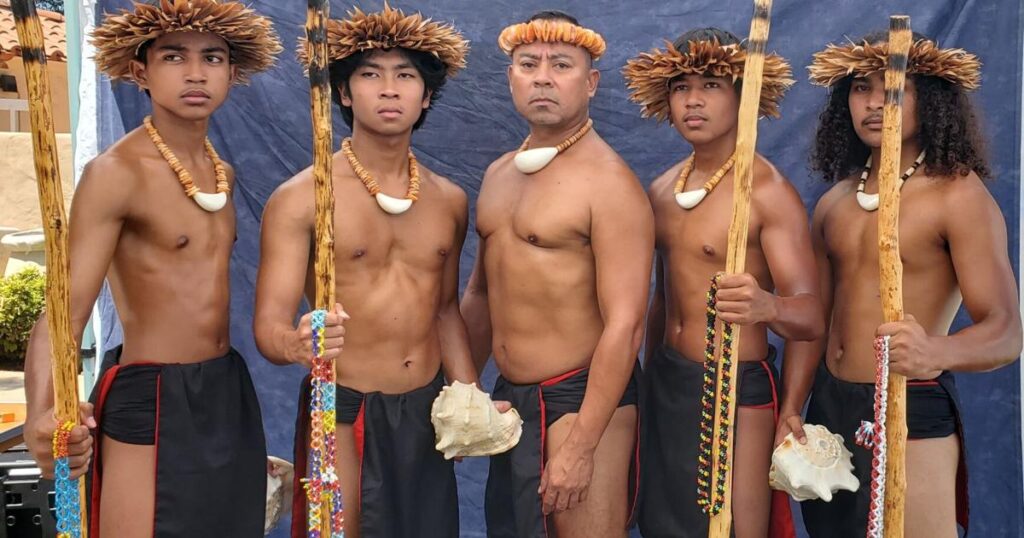
Unveiling the Chamorro Identity: A Legacy of Resilience and Culture
The story of the Chamorros is one of profound resilience, adaptation, and unwavering cultural pride, spanning thousands of years. Their ancestors navigated the vast Pacific Ocean with sophisticated sailing techniques, establishing a vibrant society in Micronesia long before European contact.
A Journey Through History: The Chamorro Spirit Forged by Time
The history of the Chamorros is marked by a succession of foreign influences, each leaving an indelible, yet ultimately absorbed, mark on their culture. The first major transformation began in the 16th century with the arrival of Ferdinand Magellan in 1521 and the subsequent Spanish colonization in the mid-17th century. This period saw the introduction of Catholicism, the adoption of Spanish surnames, and the blending of Chamorro traditions with Spanish customs, particularly in cuisine and religious practices. Despite the profound changes, the core Chamorro identity endured, adapting and synthesizing new elements into its existing framework.
Following over three centuries of Spanish rule, Guam transitioned to American influence after the Spanish-American War in 1898. This era brought new systems of governance, education, and economic development, alongside the pervasive influence of the English language. The darkest chapter came during World War II with the brutal Japanese occupation from 1941 to 1944. The resilience of the Chamorros was severely tested during this period, but their spirit ultimately triumphed, culminating in the island’s liberation. Today, Guam is an organized, unincorporated territory of the United States, and its people are U.S. citizens, yet their Chamorro heritage remains a vibrant, defining force.
The Vibrant Tapestry of Chamorro Culture
Exploring the rich cultural heritage of the Chamorros offers an unparalleled depth to any visit to Guam. From their ancestral language to their delectable cuisine and profound social values, the Chamorro way of life is an integral part of the island’s allure.
Language: The Heartbeat of Identity – Fino’ Chamoru
Central to the Chamorro identity is their unique language, Fino’ Chamoru, commonly known as the Chamorro language. While English is widely spoken, particularly in urban areas and tourism sectors, efforts to preserve and revitalize Fino’ Chamoru are strong. Hearing locals converse in their melodic tongue or seeing signs incorporating traditional Chamorro phrases is a beautiful reminder of the island’s distinct character. Learning a few basic Chamorro greetings like “Håfa Adai” (hello) or “Si Yu’os Ma’åse'” (thank you) is not only a sign of respect but also a wonderful way to connect with the local community. These small gestures are often met with genuine warmth and appreciation, deepening your travel experience.
Enduring Traditions and Social Values
Chamorro culture is underpinned by a strong emphasis on family, respect for elders, and community interdependence. Key cultural values include:
- Inafa’maolek: This profound concept translates roughly to “interdependence” or “making things good for each other.” It embodies the spirit of cooperation, mutual respect, and collective well-being that is fundamental to Chamorro society. It guides how people interact, help one another, and maintain harmony within families and communities.
- Mamahlao: While literally meaning “shame,” in a cultural context, it refers to a sense of humility, respect, and deference, particularly towards elders and authority figures. It encourages politeness and sensitivity in social interactions.
- Chenchule’: This refers to the traditional practice of reciprocity and mutual support, especially during significant life events like weddings, funerals, or fiestas. Families and friends contribute time, money, or goods to help one another, reinforcing community bonds.
These values are evident in the warm hospitality extended to visitors, the reverence for historical landmarks, and the vibrant communal spirit seen during local celebrations.
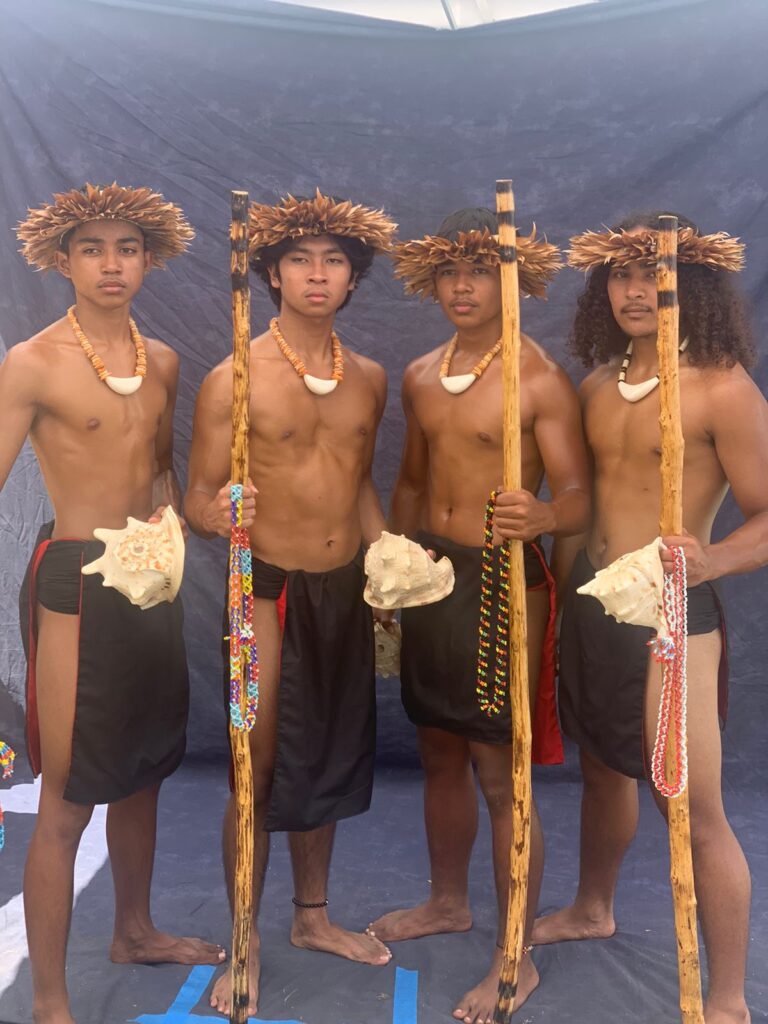
The Flavors of Guam: Chamorro Cuisine
No exploration of a culture is complete without savoring its culinary delights, and Chamorro cuisine is a testament to the island’s diverse history. It blends indigenous ingredients with Spanish, Mexican, and Asian influences, resulting in a unique and mouth-watering array of dishes.
Staples include:
- Red Rice: Arguably the most iconic Chamorro dish, this rice gets its distinctive color and savory flavor from achiote seeds and often features bits of bacon or ham. It’s a must-try with almost any meal.
- Kelaguen: A refreshing, tangy dish similar to ceviche, made with chopped grilled chicken, beef, or shrimp, marinated in lemon juice, coconut, onions, and hot peppers. It’s a burst of Pacific flavors.
- Tinaktak: A hearty coconut milk-based stew, often made with ground beef and long beans, seasoned with garlic, onions, and local spices. It’s comfort food at its best.
- Lumpia: While similar to Filipino spring rolls, Chamorro lumpia has its own distinct flair, typically filled with ground meat and vegetables, fried until crispy. Don’t forget the sweet version, banana lumpia, a delicious dessert.
- Finadene: This ubiquitous dipping sauce is a condiment served with almost every Chamorro meal. Made from soy sauce, lemon juice or vinegar, onions, and hot peppers, it adds a perfect savory, tangy, and spicy kick.
Numerous local eateries and “fiestas” offer authentic Chamorro cuisine, providing an authentic taste of the island’s soul.
Arts, Crafts, and Festivities
Traditional Chamorro arts and crafts showcase the ingenuity and creativity of the islanders. Weaving intricate mats and baskets from pandanus leaves, carving elaborate wooden figures, and crafting jewelry from shells and local materials are practices passed down through generations. Traditional dances, such as the rhythmic Chamorrita dance and the more modern Baile which incorporates Spanish influences, are often performed at cultural shows and festivals, telling stories of ancestry and island life.
Throughout the year, Guam celebrates numerous fiestas and village festivals, particularly in honor of patron saints. These vibrant events are open to everyone and offer fantastic opportunities to experience Chamorro hospitality, enjoy traditional food, music, and dance, and witness community spirit in full swing. Liberation Day, celebrated on July 21st, is perhaps the most significant civic holiday, commemorating the end of Japanese occupation and featuring a massive parade and festivities.
Experiencing Chamorro Culture as a Visitor
For travelers venturing to Guam, the opportunity to engage with and appreciate Chamorro culture is abundant and deeply rewarding. It’s a chance to move beyond the typical tourist experience and truly connect with the heart of the island.
Cultural Attractions and Landmarks
Several destinations and attractions on Guam are specifically dedicated to preserving and showcasing Chamorro history and culture:
- Guam Museum (Senso’ta): Located in Hagåtña, the island’s capital, this modern museum offers an in-depth journey through Guam’s natural and cultural history, from ancient Chamorro times to the present day. It’s an excellent starting point for understanding the island’s heritage.
- Latte Stone Park (Senator Antonio M. Palomo Guam Latte Stone Memorial Park): Also in Hagåtña, this park features eight re-erected original latte stones — the foundational pillars of ancient Chamorro houses. These iconic megaliths are unique to the Mariana Islands and symbolize the ingenuity and architectural prowess of the early Chamorros.
- Plaza de España: Situated near the Guam Museum, this historical park contains remnants of Spanish colonial buildings, including the Azotea (Government House veranda) and the Chocolate House. It offers a tangible link to Guam’s Spanish past and its impact on Chamorro life.
- Two Lovers Point: While famous for its breathtaking cliffside views and romantic legend, this attraction also features cultural displays and narratives about Chamorro folklore, providing context to the island’s romantic traditions.
- Pacific War Museum: This museum, while focusing on World War II, provides crucial context for understanding the impact of that conflict on the Chamorro people and their eventual liberation.
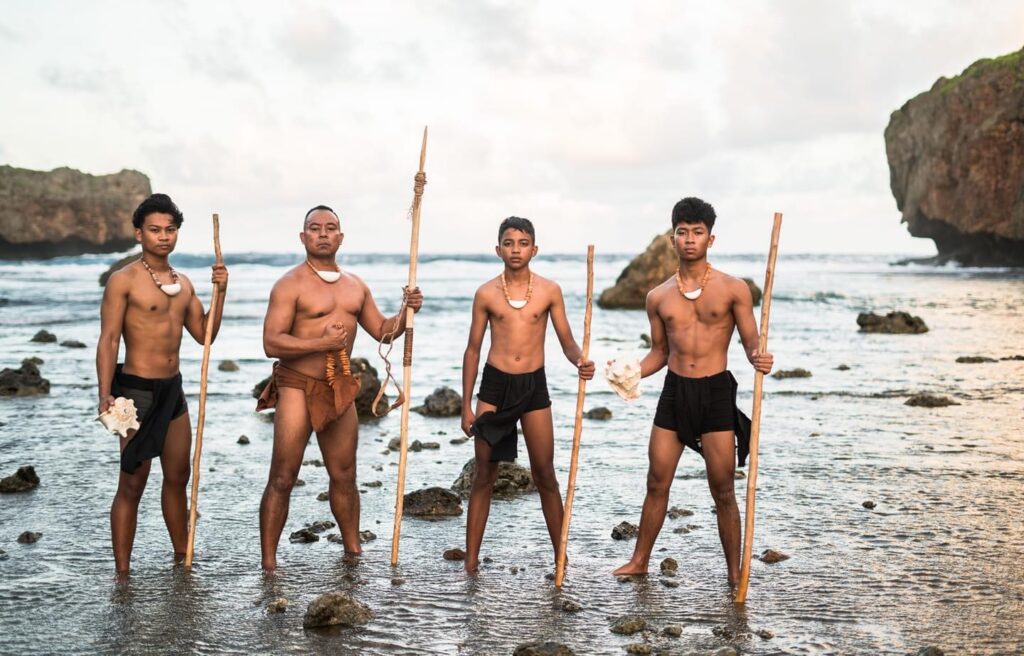
Engaging with the Community and Choosing Accommodation
To truly experience Chamorro culture, consider:
- Participating in Village Fiestas: If your travel dates coincide, attending a local village fiesta is an unparalleled opportunity to mingle with residents, savor home-cooked Chamorro cuisine, and enjoy traditional entertainment.
- Visiting Local Markets: Explore markets like the Chamorro Village Night Market in Hagåtña to find local crafts, food, and interact with vendors.
- Staying in Culturally Minded Accommodations: While Guam offers numerous world-class hotels and resorts such as the Hyatt Regency Guam, Dusit Thani Guam Resort, or the Hilton Guam Resort & Spa primarily in the Tumon Bay area, some smaller boutique hotels or local guesthouses might offer a more intimate cultural immersion. Even larger resorts often host Chamorro cultural shows or incorporate local design elements into their amenities, allowing guests a taste of the island’s heritage without straying far from comfort. When booking your stay, look for options that highlight local culture in their offerings.
Engaging respectfully, asking questions, and showing genuine interest in their traditions will open doors to truly memorable interactions with the Chamorros. Their warmth and willingness to share their heritage are among Guam’s greatest attractions.
In conclusion, the people of Guam are called Chamorros, and their enduring spirit, rich history, and vibrant culture are what truly make this Pacific island a unique and unforgettable destination. Beyond the luxurious resorts and stunning natural attractions, discovering the heart of the Chamorro people offers a profound and enriching dimension to any Guam travel guide, transforming a simple trip into a journey of cultural discovery.
LifeOutOfTheBox is a participant in the Amazon Services LLC Associates Program, an affiliate advertising program designed to provide a means for sites to earn advertising fees by advertising and linking to Amazon.com. Amazon, the Amazon logo, AmazonSupply, and the AmazonSupply logo are trademarks of Amazon.com, Inc. or its affiliates. As an Amazon Associate we earn affiliate commissions from qualifying purchases.