
The Big Island of Hawaii, officially known as Hawaii Island, is a place of staggering dimensions and breathtaking diversity. Often misunderstood in its scale, this jewel in the middle of the Pacific Ocean isn’t just “big” in name; it’s a colossal landmass that dwarfs all other Hawaiian islands combined. For any traveler planning an unforgettable journey to this extraordinary destination, comprehending its true size is not merely an interesting fact – it’s an essential element for successful trip planning, influencing everything from accommodation choices to daily itineraries and the very nature of the experiences one can enjoy.
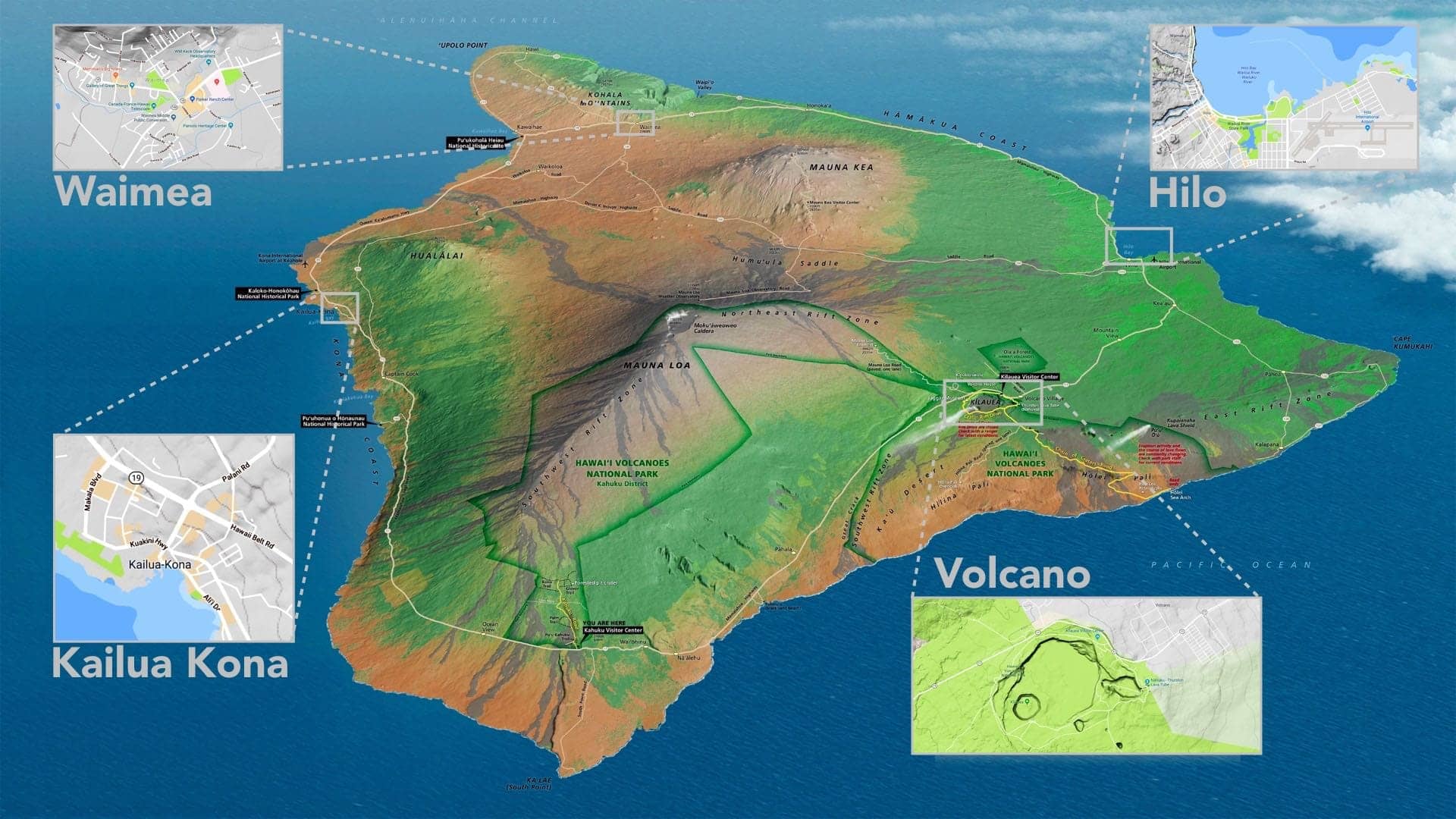
The Big Island represents a microcosm of Earth’s most dramatic landscapes. Its immense footprint allows for an unparalleled range of environments, from snow-capped volcanic peaks to lush rainforests, arid lava fields, and pristine coastlines adorned with sand of every imaginable hue. This geological marvel, still actively growing thanks to the continuous eruptions of its formidable volcanoes, offers a tapestry of adventures for every type of visitor, from the intrepid explorer to the luxury resort-seeker. Understanding its vastness is the first step in unlocking the full potential of your Big Island experience, ensuring you’re prepared to navigate its varied terrains and immerse yourself in its unique spirit without feeling rushed or overwhelmed by its sheer scale.
The Sheer Scale: Understanding the Big Island’s Size
To truly appreciate the grandeur of the Big Island, one must first grasp its impressive statistics. It’s not just the largest island in the Hawaiian archipelago; it’s a geographical marvel that often surprises visitors expecting a smaller, more uniform island experience.
Geographic Dimensions and Comparisons
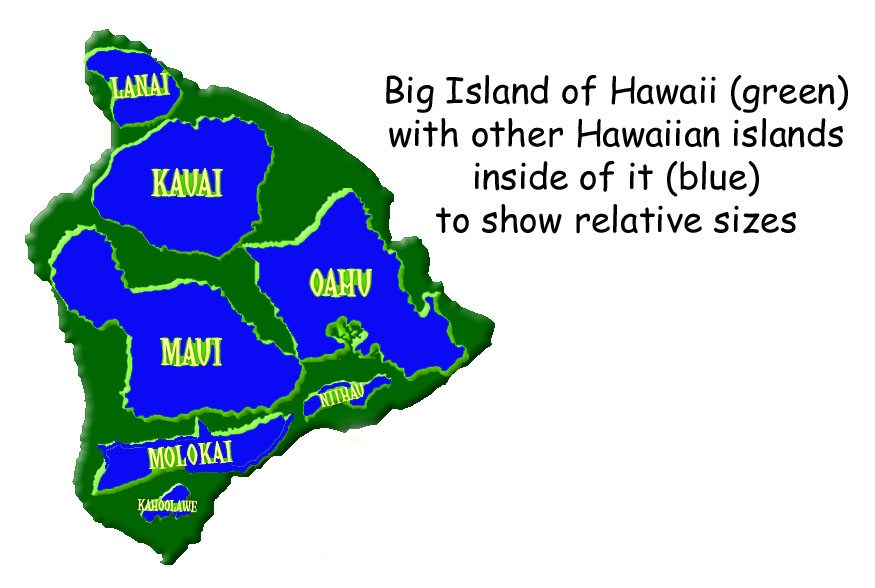
The Big Island of Hawaii spans approximately 4,028 square miles (10,432 square kilometers). To put this into perspective, it is nearly twice the size of all the other main Hawaiian islands – Maui, Oahu, Kauai, Molokai, and Lanai – combined. For those familiar with the mainland United States, the Big Island’s area is roughly equivalent to the entire state of Connecticut or larger than Rhode Island and Delaware combined. Globally, its size is comparable to nations like Cyprus or Lebanon, highlighting its significant landmass.
This massive scale isn’t static; the Big Island is a dynamic landform that continues to grow. The active volcanoes, particularly Kilauea, regularly add new land to its southeastern coast as lava flows cool and solidify upon reaching the ocean. This continuous geological process makes the Big Island not only the largest but also the youngest and ever-expanding member of the Hawaiian island chain. Its expansive coastline stretches over 266 miles (428 km), offering an incredible array of beaches and ocean vistas, from pristine white sands to dramatic black lava shores and even unique green sand beaches.
A World of Diverse Microclimates
One of the most remarkable consequences of the Big Island’s immense size and its towering volcanoes, Mauna Kea and Mauna Loa, is the astounding array of microclimates it hosts. Within its vast boundaries, the island encompasses 10 of the world’s 14 major climate zones, a diversity unmatched by almost any other place on Earth.
Traveling across the island, visitors can experience everything from humid tropical rainforests on the windward (eastern) side near Hilo to arid deserts and sunny beaches on the leeward (western) Kona coast. Head up the slopes of Mauna Kea, and you’ll encounter subalpine and alpine tundra, often capped with snow during winter months – a stark contrast to the warm ocean temperatures just miles away. Between these extremes lie temperate grasslands, expansive lava plains, and lush agricultural zones.
This incredible climatic variation means that your travel experiences can shift dramatically within a single day. You could be sunbathing on a beach in Kona in the morning, exploring a misty rainforest in the afternoon, and then stargazing from the cool, dry summit of Mauna Kea at night. This diversity, a direct result of the island’s impressive size and elevation changes, shapes the local culture, agriculture (think Kona coffee vs. Hilo macadamia nuts), and, most importantly, the myriad attractions available to visitors.
Navigating the Vastness: Planning Your Big Island Adventure
Given its immense size and diverse landscapes, exploring the Big Island requires careful planning and a realistic understanding of travel times and distances. Unlike smaller islands where you might walk or bike between towns, the Big Island demands a more comprehensive approach to logistics.
Transportation and Travel Time
One of the first pieces of advice for anyone visiting the Big Island is to rent a car. Public transportation is limited, and relying on ride-shares for extensive exploration across the island’s vast distances would be impractical and expensive. A rental car offers the freedom to traverse the island’s major highways and scenic routes at your own pace.

Understanding typical driving times is crucial. While the island might appear traversable on a map, real-world travel can take longer than anticipated due to winding roads, elevation changes, and the sheer distances involved.
- Driving from Kailua-Kona (on the west coast) to Hilo (on the east coast) can take anywhere from 1.5 to 2.5 hours, depending on the route (e.g., Saddle Road is faster but less scenic than the coastal routes).
- Reaching Hawaii Volcanoes National Park from Kona is typically a 2.5 to 3-hour drive.
- The journey to the summit of Mauna Kea for stargazing or observatory tours also involves significant driving, plus a specific vehicle requirement (4WD recommended for the upper summit road) and acclimatization time.
These distances mean that attempting to “do it all” from a single base in just a few days can lead to excessive driving and less time enjoying the actual destinations. A common mistake visitors make is underestimating these travel times, leading to rushed experiences or missed opportunities. To truly appreciate the island’s offerings, allocating a minimum of 5-7 days is highly recommended, and even longer for a more relaxed and in-depth exploration.
Where to Stay: Strategic Accommodation Choices
Given the island’s size and the concentration of attractions in different regions, your accommodation strategy is paramount. There are two primary approaches, each with its own advantages:
-
Splitting Your Stay: Many seasoned travelers choose to divide their time, spending a few nights on the leeward (west) side near Kona and a few nights on the windward (east) side near Hilo or within the Volcanoes National Park area.
- Kona Side (West): This region, including areas like Kailua-Kona and the Kohala Coast, is known for its sunny weather, calm waters, and spectacular resorts. Here you’ll find luxury options like the Four Seasons Resort Hualalai and the Fairmont Orchid, alongside a wide range of hotels, suites, and vacation rentals. It’s ideal for beach activities, snorkeling, diving (including the famous Manta Ray Night Dive), golfing, and enjoying beautiful sunsets.
- Hilo Side (East): This side offers a contrasting experience with its lush rainforests, frequent rainfall, and a more local, historic town feel. It’s the gateway to Akaka Falls State Park, the Hawaii Tropical Bioreserve & Garden, and the closest major city to Hawaii Volcanoes National Park. Accommodation here leans more towards boutique hotels, charming bed & breakfasts, and budget-friendly options, offering a different perspective on Hawaiian life.
-
Choosing a Central Base: Some travelers prefer to stay in one location for their entire trip. If this is your preference, consider a spot that minimizes driving to your priority attractions. For instance, staying in the Kona area might be suitable if your focus is primarily on beaches, water sports, and resort amenities, with occasional longer day trips to the east. However, expect early starts and late returns on those longer exploration days. Alternatively, if volcano exploration is your top priority, staying in Volcano Village or Hilo would make more sense, even if it means longer drives for beach days.
Regardless of your choice, researching hotels, resorts, apartments, and villas, along with their amenities and reviews, is essential. The variety of accommodation options caters to every lifestyle, from luxury travelers seeking opulent suites and full-service resorts to budget travelers looking for comfortable, affordable stays. Long-term stay options are also available for those who wish to deeply immerse themselves in the island’s rhythm.
Embracing the Diversity: Experiences Shaped by Size
The sheer scale of the Big Island directly translates into an unparalleled range of experiences, allowing travelers to curate a journey that perfectly aligns with their interests and travel style. Its vastness means that adventure, relaxation, cultural immersion, and natural wonders are spread across a wide canvas, waiting to be discovered.
Unforgettable Landmarks and Attractions
The Big Island’s size and geological history have endowed it with a collection of landmarks and attractions that are as diverse as they are stunning:
- Natural Wonders:
- Hawaii Volcanoes National Park: Home to two of the world’s most active volcanoes, Kilauea and Mauna Loa. Visitors can witness steaming vents, dramatic lava landscapes, and, when active, mesmerizing lava flows. The park offers extensive hiking trails, scenic drives like Crater Rim Drive and Chain of Craters Road, and interpretive centers.
- Mauna Kea Summit: The tallest mountain in Hawaii and, measured from its base on the ocean floor, the tallest mountain in the world. Its summit is home to world-renowned astronomical observatories and offers breathtaking sunsets and unparalleled stargazing opportunities.
- Akaka Falls State Park: A lush rainforest setting near Hilo, featuring a paved loop trail through tropical vegetation leading to views of the spectacular Akaka Falls (442 feet) and Kahuna Falls.
- Unique Beaches: From the famous black sands of Punalu’u Black Sand Beach where sea turtles often bask, to the incredibly rare green sands of Papakolea Green Sand Beach (one of only four in the world), the island’s coastline is a geological wonderland. White sand beaches, particularly along the Kohala Coast, offer classic Hawaiian relaxation.
- Cultural and Historical Sites:
- Pu’uhonua o Hōnaunau National Historical Park: A sacred place of refuge for ancient Hawaiian lawbreakers, offering insights into traditional Hawaiian culture and history.
- Kona Coffee Living History Farm: Explore a historic 1920s coffee farm and learn about the pioneers of Kona’s renowned coffee industry.
- Activities: The island’s diverse geography supports a vast range of activities: world-class snorkeling and diving in the calm Kona waters, hiking through lava tubes and rainforests, ziplining over lush valleys, horseback riding in Waimea’s cowboy country, and offshore fishing for big game.
Lifestyle and Pace
The Big Island’s size also dictates a varied lifestyle and pace for both residents and visitors, catering to an extensive range of preferences:
- Luxury Travel: For those seeking an indulgent escape, the Kohala Coast offers some of the most opulent resorts in the world. Think expansive suites, world-class golf courses, rejuvenating spas, and gourmet dining experiences. Resorts like Mauna Lani, Auberge Resorts Collection or the Westin Hapuna Beach Resort provide all the amenities for a pampered vacation.
- Budget Travel: Despite its upscale offerings, the Big Island can also be explored on a budget. There are numerous vacation rentals, guesthouses, and even camping options in state parks. Local eateries and farmers’ markets, especially in Hilo and smaller towns, provide delicious and affordable food experiences.
- Family Trips: The island is a fantastic destination for families, offering educational experiences at Volcanoes National Park, thrilling adventures like snorkeling with manta rays, and relaxing beach days. The diverse activities ensure there’s something to captivate every age group.
- Business Stays & Long-Term Exploration: For those needing a blend of work and leisure or looking for an extended stay, the availability of quality accommodation and the peaceful, inspiring environment make it an attractive option. The ability to explore different towns like artsy Hawi or historic Captain Cook allows for a deeper connection with the local culture.
In essence, the Big Island’s immense dimensions mean that it’s not a destination to be rushed. It rewards those who embrace its size, plan strategically, and allow themselves to slow down and truly absorb the incredible diversity it offers. Whether you seek thrilling adventure, serene relaxation, or profound cultural insights, the island’s scale ensures that your Hawaiian journey will be an expansive and unforgettable one.
In conclusion, the Big Island of Hawaii is truly a titan among islands, a geographical marvel that constantly reshapes itself and offers an unparalleled array of experiences. Its immense size is not just a statistic; it’s the very foundation of its diverse microclimates, its rich tapestry of natural wonders, and the varied pace of life you’ll encounter. From the snow-dusted peaks of Mauna Kea to the active lava flows of Kilauea, and from the bustling resort life of Kona to the serene rainforests of Hilo, this island promises a journey of discovery. By understanding and respecting its vastness, planning your itinerary with a mindful approach to travel times and strategic accommodation, you unlock the full potential of this extraordinary destination. The Big Island invites you not just to visit, but to immerse yourself in its grand scale and witness the breathtaking beauty that only an island of its magnitude can offer.
LifeOutOfTheBox is a participant in the Amazon Services LLC Associates Program, an affiliate advertising program designed to provide a means for sites to earn advertising fees by advertising and linking to Amazon.com. Amazon, the Amazon logo, AmazonSupply, and the AmazonSupply logo are trademarks of Amazon.com, Inc. or its affiliates. As an Amazon Associate we earn affiliate commissions from qualifying purchases.