
The act of saying goodbye, or “a hui hou,” is more than just a parting phrase in Hawaii; it’s a sentiment woven into the fabric of the islands’ rich culture. It’s an acknowledgment of connection, a promise of return, and a graceful transition that encapsulates the spirit of Aloha. For visitors, understanding this nuanced farewell offers a deeper appreciation of their Hawaiian experience and a more meaningful way to depart from these enchanting shores.
The Nuances of Hawaiian Farewells: Beyond a Simple Goodbye
In Hawaiian culture, goodbyes are imbued with a sense of respect, affection, and an enduring connection to the place and people. Unlike the abrupt finality that can sometimes accompany farewells in other cultures, Hawaiian goodbyes often carry a hopeful undertone, suggesting that the parting is temporary and that future encounters are anticipated. This philosophy is deeply rooted in the Hawaiian worldview, which emphasizes relationships, community, and the cyclical nature of life.
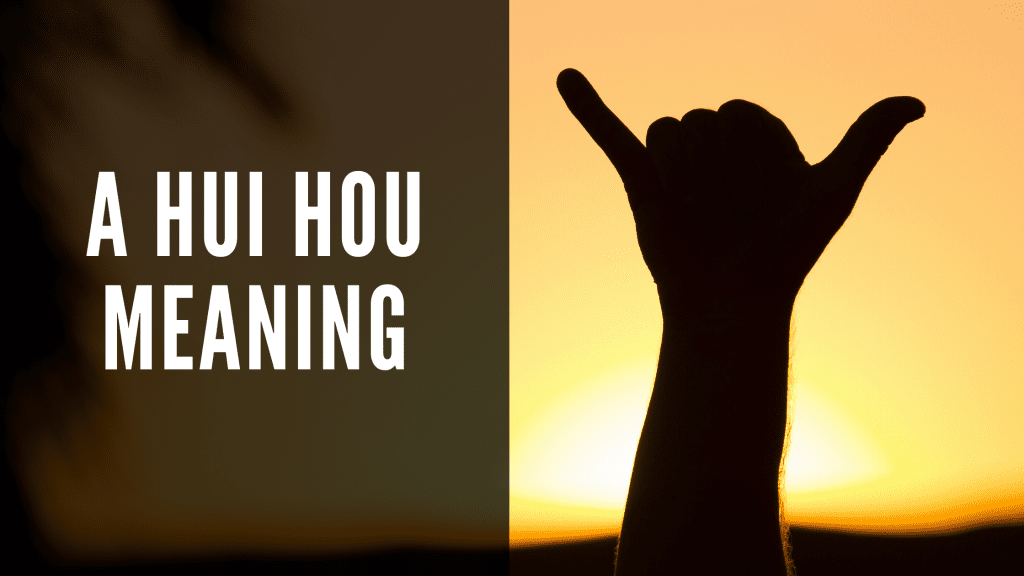
“A Hui Hou”: The Heart of the Hawaiian Farewell
The most common and profound way to say goodbye in Hawaii is “a hui hou.” Literally translating to “until we meet again,” this phrase is more than a polite closing remark. It embodies a deep-seated belief in the continuation of relationships and the certainty of reunion. When uttered by a local, whether a friend, a shopkeeper, or a tour guide, it carries genuine warmth and a sincere hope for your safe travels and eventual return. It’s a blessing, a promise, and a gentle reminder that your presence has been valued.
The weight of “a hui hou” is felt most strongly when leaving behind cherished memories and connections made during a visit. Whether it was a heartwarming interaction with a lei maker on Maui or a shared laughter with fellow snorkelers at Hanauma Bay, these moments create a bond that “a hui hou” seeks to honor. It’s a phrase that resonates with the spirit of “ohana” (family), extending that sense of belonging to visitors who have embraced the island’s embrace.
Understanding the Deeper Meaning
The cultural significance of “a hui hou” stems from a worldview that prioritizes connection and community. In Hawaiian tradition, people are interconnected, and separations are viewed as temporary pauses in an ongoing relationship. This perspective fosters a sense of enduring kinship, even after physical distance is established. When you hear “a hui hou,” you are being recognized not just as a tourist, but as someone who has touched the lives of those on the island, however briefly.
This cultural understanding influences the way farewells are conducted. They are often accompanied by gestures of affection, such as a hug or a gentle touch, further reinforcing the warmth and sincerity behind the words. It’s a holistic farewell, engaging both spoken words and physical expressions of goodwill.
Saying Aloha and Mahalo: Other Expressions of Parting
While “a hui hou” is the quintessential Hawaiian goodbye, other expressions and gestures contribute to the rich tapestry of farewells on the islands. These often overlap with greetings and general expressions of gratitude and love, highlighting the fluid nature of communication in Hawaiian culture.
The Enduring Power of “Aloha”
“Aloha” is perhaps the most recognized Hawaiian word, embodying a spirit of love, peace, compassion, and mutual respect. While often used as a greeting, “aloha” also serves as a powerful farewell. When used as a goodbye, it signifies sending someone off with love and wishing them well on their journey. It’s a blessing of peace and a hope that the recipient will carry the spirit of the islands with them.
The versatility of “aloha” reflects its deep cultural roots. It’s not merely a word; it’s a way of life. When someone says “aloha” as a goodbye, they are extending that spirit of unconditional love and goodwill, hoping it will guide you safely and happily until your next encounter. This can be particularly touching when said by staff at a resort like the Grand Hyatt Kauai Resort & Spa, where the spirit of Aloha is often a cornerstone of their service.
“Mahalo”: Expressing Gratitude as a Farewell
“Mahalo,” meaning “thank you,” is another essential word in Hawaiian discourse that can be incorporated into a farewell. Expressing gratitude for the time spent, the experiences shared, or the kindness received is a significant part of acknowledging a departing guest. A heartfelt “mahalo” can be as meaningful as any other parting phrase, conveying appreciation for the positive interactions and memories created.
Often, “mahalo” is combined with other farewell expressions for added emphasis. For instance, “Mahalo nui loa, a hui hou” (Thank you very much, until we meet again) offers a comprehensive expression of gratitude and hopeful reunion. This layered approach to goodbyes underscores the depth of genuine connection fostered in Hawaii.
Rituals and Gestures that Accompany Farewells
Beyond spoken words, the islands of Hawaii are rich with traditions and gestures that add emotional depth to the act of saying goodbye. These practices reflect a culture that values connection, remembrance, and the emotional well-being of its people and visitors.
The Lei: A Symbol of Enduring Connection
The giving and receiving of leis is a deeply ingrained Hawaiian tradition, often associated with greetings but also carrying profound meaning during farewells. A lei, typically made of fresh flowers, is a symbol of love, respect, and aloha. When presented as a parting gift, it becomes a tangible reminder of the time spent on the islands and the affection shared.
It is considered impolite to refuse a lei, and when receiving one for departure, it is customary to wear it until it naturally falls off, symbolizing the hope that your journey will be long and blessed. The scent of the flowers and the beauty of the lei serve as a constant, fragrant reminder of Hawaii until your return. This practice is common throughout the islands, whether you’re departing from Honolulu International Airport or a smaller local community.
The Hula and Music: A Melancholy Farewell
In some traditional settings, music and dance, particularly the hula, can be part of a farewell ceremony. Hula performances often tell stories, and a song or dance performed at a parting can express longing, remembrance, and a heartfelt wish for safe travels. The gentle sway of the dancers and the melodic strains of traditional Hawaiian music can evoke a sense of bittersweet emotion, perfectly capturing the essence of a fond farewell. These moments, though perhaps less common for the average tourist, offer a profound glimpse into the cultural heart of Hawaiian goodbyes.
The Embrace and the Handshake: Personal Connections
Physical gestures of affection are also common. While a handshake might be offered in more formal settings, a warm embrace is frequently exchanged between friends and those who have formed a closer bond. This physical contact reinforces the emotional connection and adds a personal touch to the goodbye. It’s a way of conveying warmth and closeness that transcends words, making the parting feel less final and more like a cherished moment paused.
Embracing the Spirit of “A Hui Hou” in Your Departure
Understanding and embracing the Hawaiian way of saying goodbye can profoundly enrich your travel experience. It transforms a simple departure into a meaningful cultural exchange, leaving you with a deeper appreciation for the islands and their people.
Integrating the Spirit into Your Own Farewells
As you prepare to leave Hawaii, consider how you can incorporate the spirit of “a hui hou” into your own farewells, not just on the islands, but in your everyday life. The Hawaiian philosophy of connection, remembrance, and hopeful reunion offers a beautiful way to approach separations. When you say goodbye, do so with sincerity, warmth, and a genuine hope for future connections.

Leaving with Aloha in Your Heart
Ultimately, the best way to say goodbye in Hawaii is to carry the spirit of Aloha with you. This means cherishing the memories you’ve made, respecting the culture you’ve experienced, and holding onto the connections you’ve forged. When you leave, you are not just departing from a place, but from a community that has welcomed you with open arms. Your “a hui hou” is a promise to yourself and to the islands that you will return, carrying the essence of Hawaii in your heart. Whether you’ve spent time exploring the volcanic landscapes of Volcanoes National Park or enjoying the vibrant city life of Honolulu, the spirit of the islands will stay with you.
The gentle art of saying goodbye in Hawaii is a testament to a culture that values human connection above all else. It’s a reminder that even in parting, there is beauty, hope, and the enduring promise of “a hui hou.”
LifeOutOfTheBox is a participant in the Amazon Services LLC Associates Program, an affiliate advertising program designed to provide a means for sites to earn advertising fees by advertising and linking to Amazon.com. Amazon, the Amazon logo, AmazonSupply, and the AmazonSupply logo are trademarks of Amazon.com, Inc. or its affiliates. As an Amazon Associate we earn affiliate commissions from qualifying purchases.